Department of Physiology, Dr. ALM PG Institute of Basic Medical Sciences, University of Madras, Sekkizhar Campus, Taramani, Chennai 600 113, India.
Department of Physiology, Michigan State University, East Lansing, MI, USA.
J Food Drug Anal. 2018 Apr;26(2):903-916. doi: 10.1016/j.jfda.2017.11.001. Epub 2017 Dec 6.
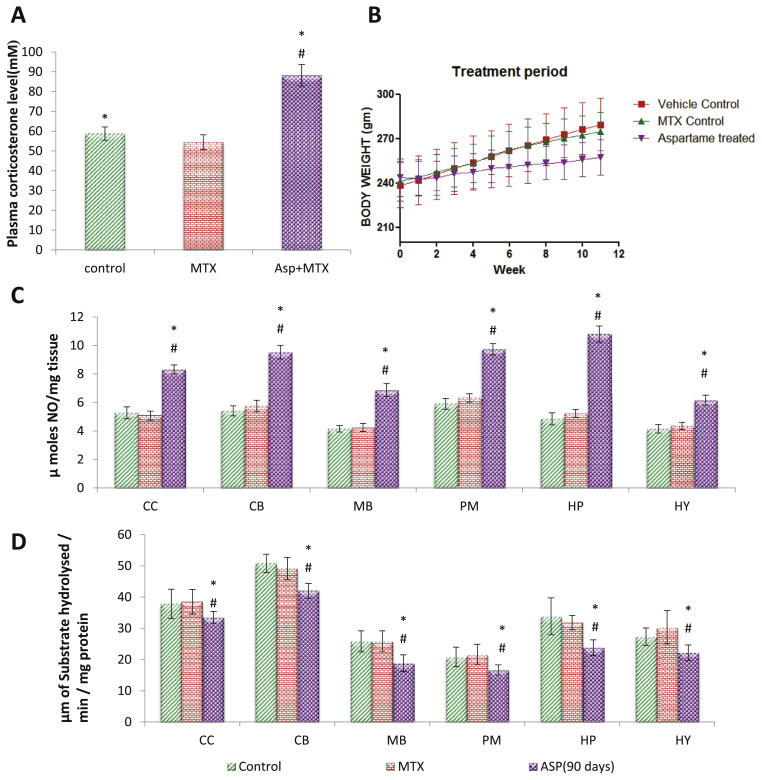
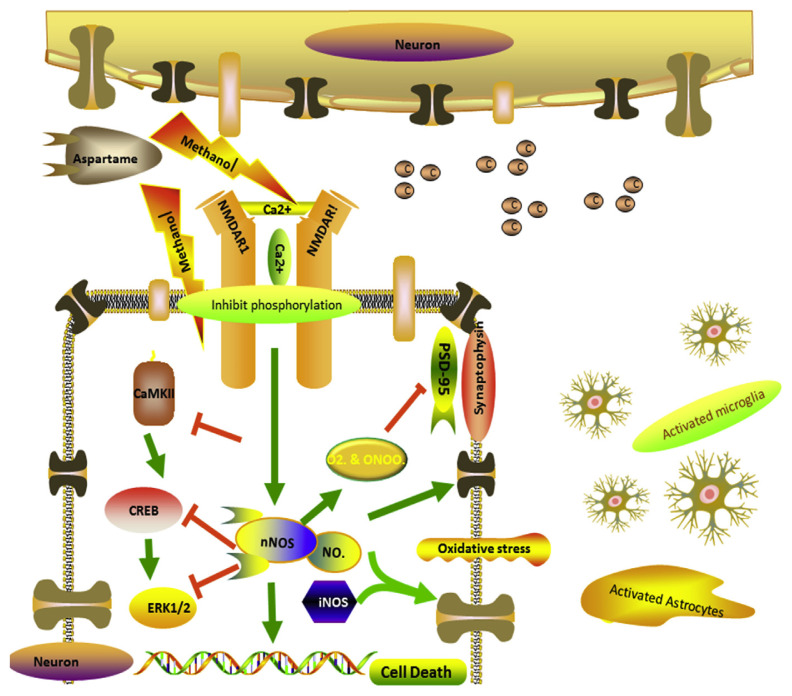
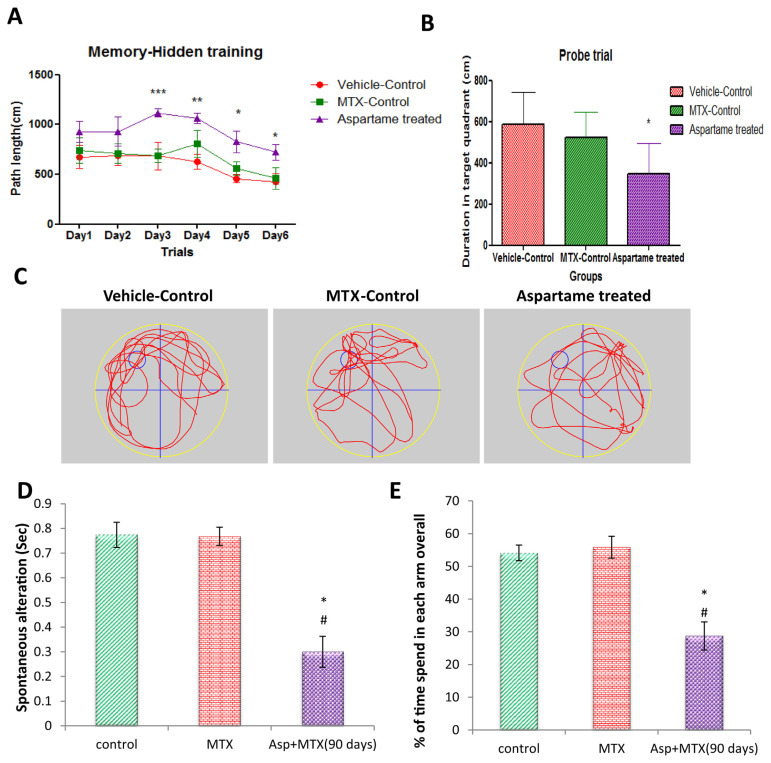
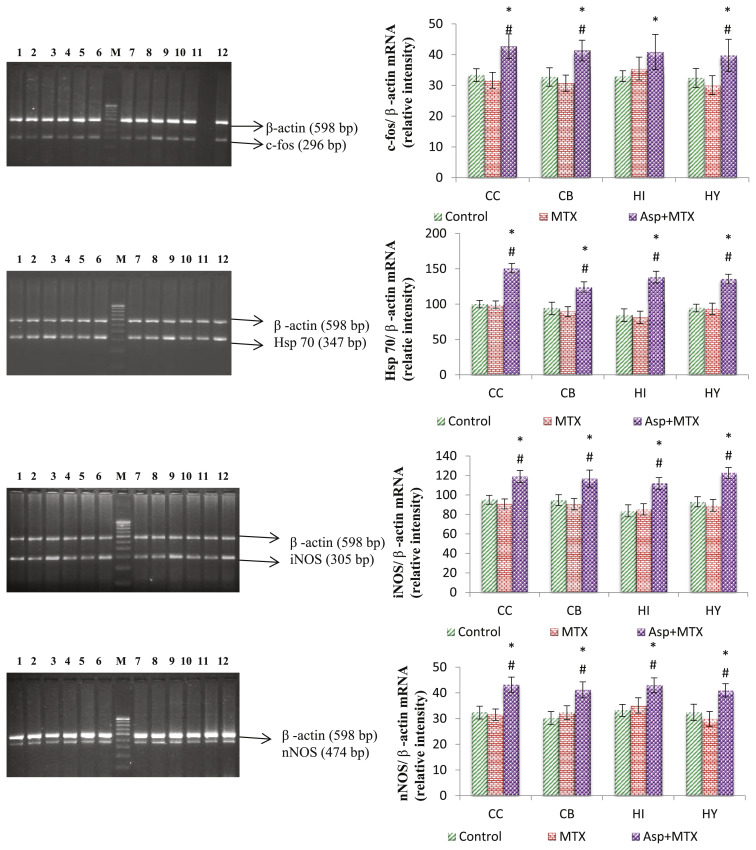
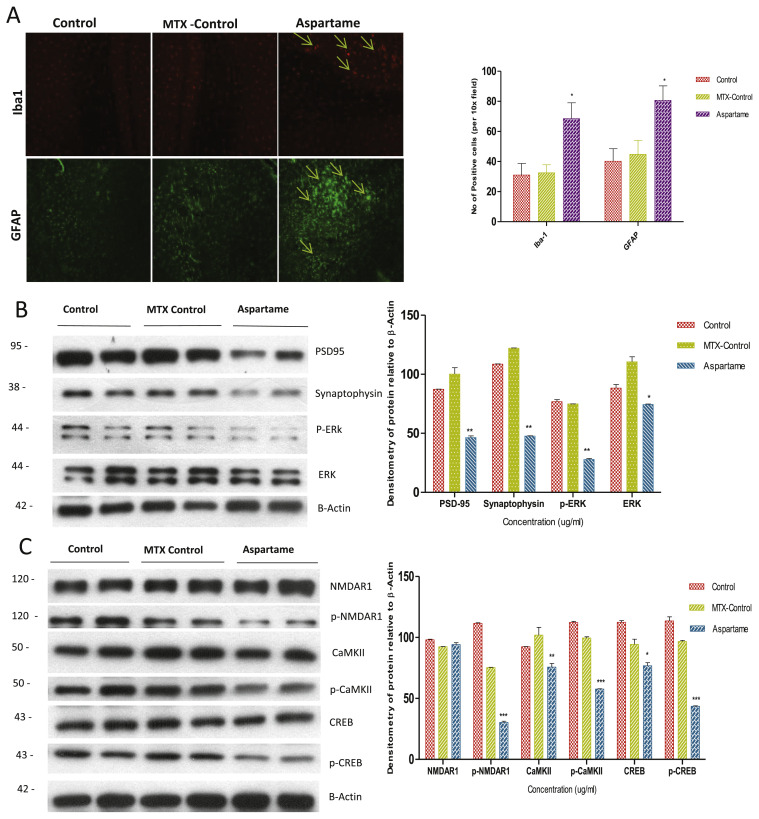
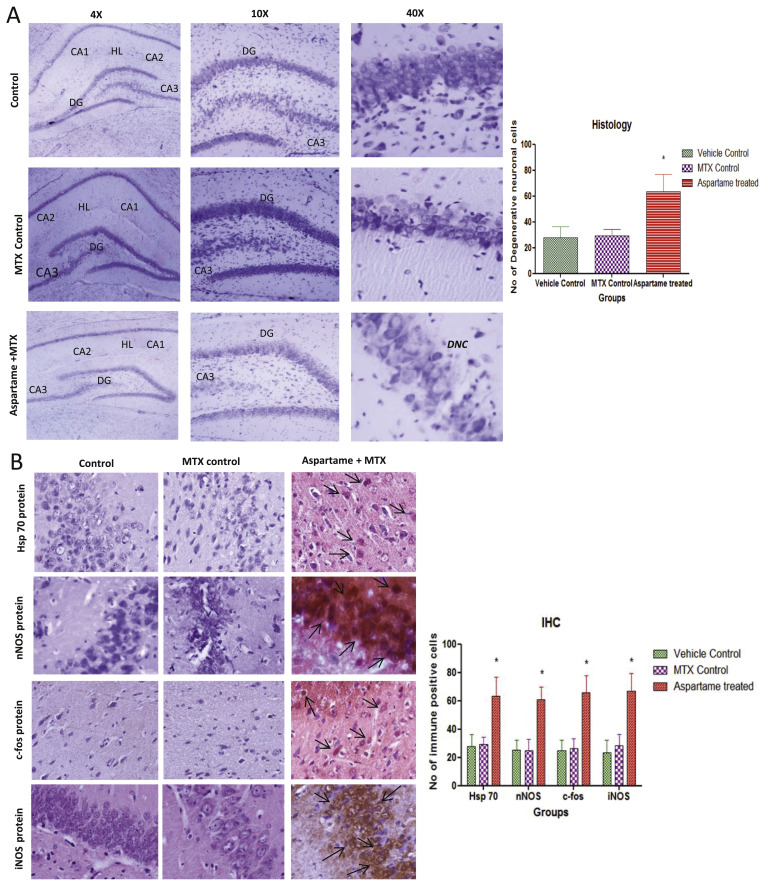
Many controversial reports are available on the use of aspartame as it releases methanol as one of its metabolite during metabolism. The present study proposes to investigate whether long term (90 days) aspartame (40 mg/kg b.wt) administration could induce oxidative stress and alter the memory in Wistar strain male albino rats. To mimic the human methanol metabolism, methotrexate (MTX)-treated rats were included as a model to study the effects of aspartame. Wistar strain albino rats were administered with aspartame (40 mg/kg b.wt) orally and studied along with controls and MTX-treated controls. Aspartame interfered in the body weight and corticosterone levels in the rats. A marked increase in the mRNA and protein expression of neuronal nitric oxide synthase (nNOS) and induced nitric oxide synthase (iNOS) which resulted in the increased nitric oxide radical's level indicating that aspartame is a stressor. These reactive nitrogen species could be responsible for the altered cell membrane integrity and even cause death of neurons by necrosis or apoptosis. The animals showed a marked decrease in learning, spatial working and spatial recognition memory deficit in the Morris water maze and Y-maze performance task which could have resulted due to reduced hippocampal acetylcholine esterase (AChE) activity. The animal brain homogenate also revealed the decrease in the phosphorylation of NMDAR1-CaMKII-ERK/CREB signalling pathway, which well documents the inhibition of phosphorylation leads to the excitotoxicity of the neurons and memory decline. This effect may be due to methanol which may also activate the NOS levels, microglia and astrocytes, inducing neurodegeneration in brain. Neuronal shrinkage of hippocampal layer due to degeneration of pyramidal cells revealed the abnormal neuronal morphology of pyramidal cell layers in the aspartame treated animals. These findings demonstrate that aspartame metabolites could be a contributing factor for the development of oxidative stress in the brain.
许多关于阿斯巴甜使用的争议性报告表明,其在代谢过程中会释放甲醇作为一种代谢物。本研究旨在探究长期(90 天)摄入阿斯巴甜(40mg/kg 体重)是否会诱导氧化应激并改变 Wistar 雄性白化大鼠的记忆。为了模拟人体甲醇代谢,本研究纳入了甲氨蝶呤(MTX)处理的大鼠作为模型,以研究阿斯巴甜的影响。Wistar 雄性白化大鼠经口给予阿斯巴甜(40mg/kg 体重),并与对照组和 MTX 处理的对照组大鼠进行研究。阿斯巴甜干扰了大鼠的体重和皮质酮水平。神经元型一氧化氮合酶(nNOS)和诱导型一氧化氮合酶(iNOS)的 mRNA 和蛋白表达显著增加,导致一氧化氮自由基水平升高,表明阿斯巴甜是一种应激源。这些活性氮物种可能导致细胞膜完整性发生改变,甚至通过坏死或凋亡导致神经元死亡。动物在 Morris 水迷宫和 Y 迷宫表现任务中表现出明显的学习、空间工作和空间识别记忆缺陷,这可能是由于海马乙酰胆碱酯酶(AChE)活性降低所致。动物大脑匀浆也显示 NMDAR1-CaMKII-ERK/CREB 信号通路的磷酸化减少,这充分证明了磷酸化的抑制导致神经元的兴奋性毒性和记忆下降。这种效应可能是由于甲醇,它也可能激活 NOS 水平、小胶质细胞和星形胶质细胞,导致大脑中的神经退行性变。由于锥体细胞的退化,海马层的神经元收缩揭示了阿斯巴甜处理动物锥体细胞层的异常神经元形态。这些发现表明,阿斯巴甜代谢物可能是导致大脑氧化应激发展的一个因素。