Cardiovascular and Metabolic Drug Discovery Unit Takeda Pharmaceutical Company Limited Kanagawa Japan.
Extra Value Generation & General Medicine Drug Discovery Unit Takeda Pharmaceutical Company Limited Kanagawa Japan.
Brain Behav. 2017 Dec 15;8(1):e00881. doi: 10.1002/brb3.881. eCollection 2018 Jan.
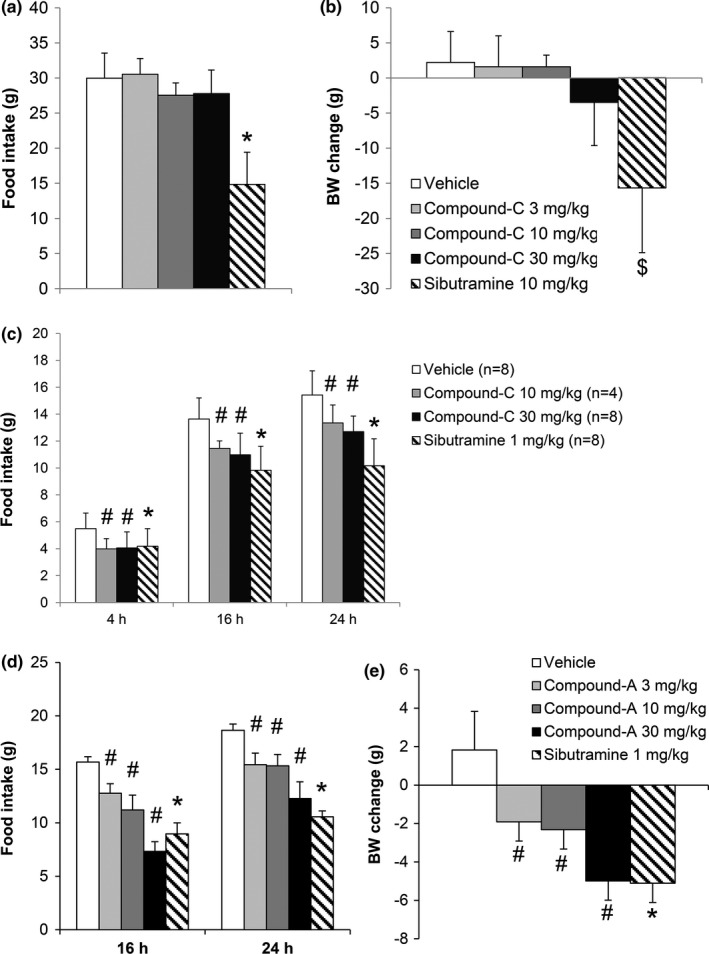
Bombesin receptor subtype-3 (BRS-3) has been suggested to play a potential role in energy homeostasis. However, the physiological mechanism of BRS-3 on energy homeostasis remains unknown. Thus, we investigated the BRS-3-mediated neuronal pathway involved in food intake and energy expenditure.
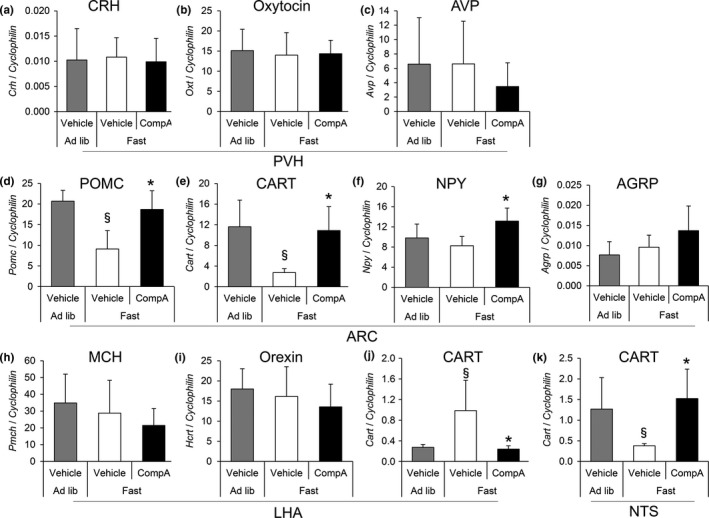
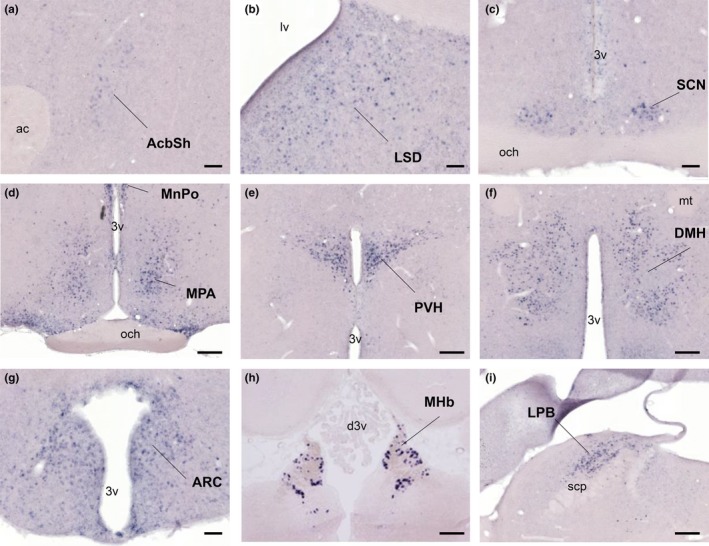
Expression of BRS-3 in the rat brain was histologically examined. The BRS-3 neurons activated by refeeding-induced satiety or a BRS-3 agonist were identified by c-Fos immunostaining. We also analyzed expression changes in feeding-relating peptides in the brain of fasted rats administered with the BRS-3 agonist.
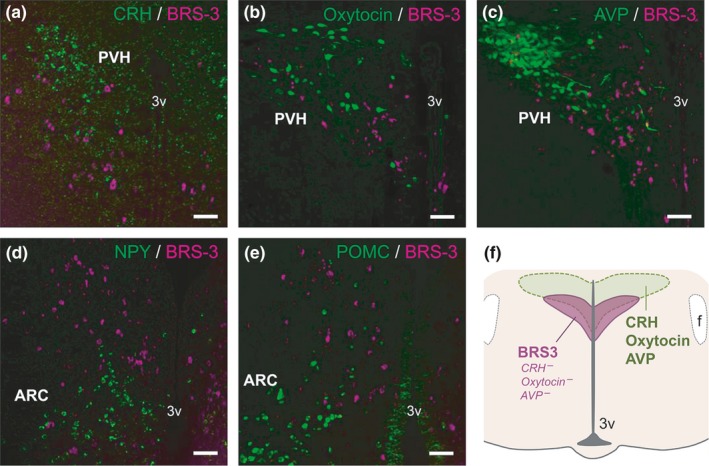
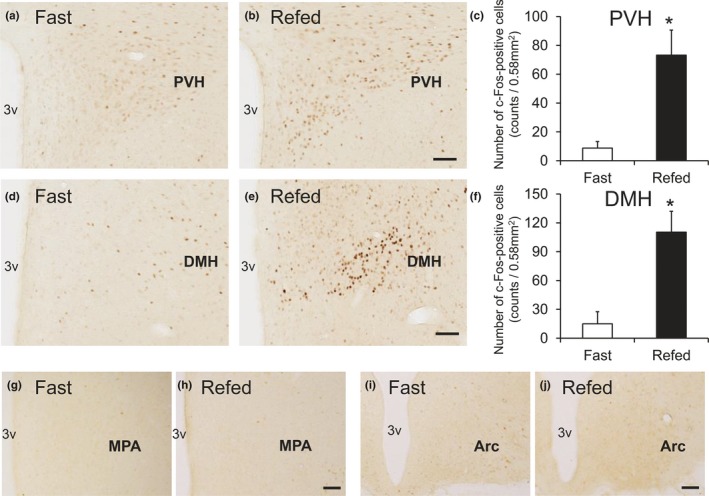
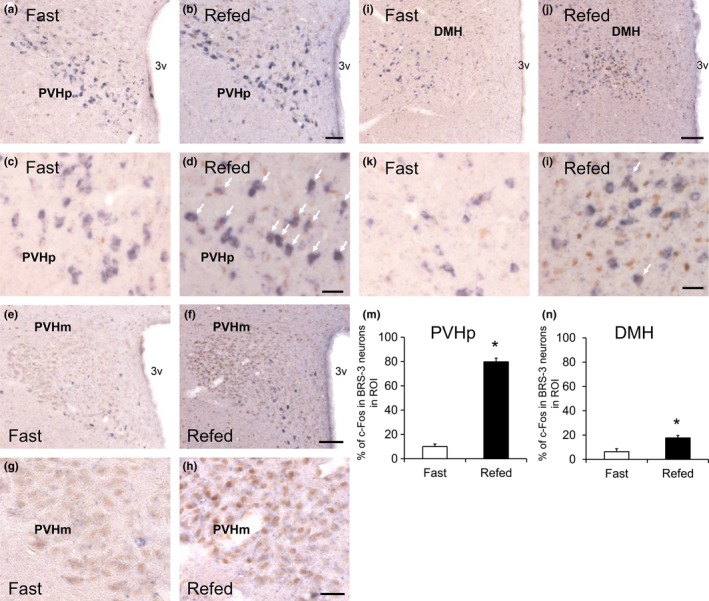
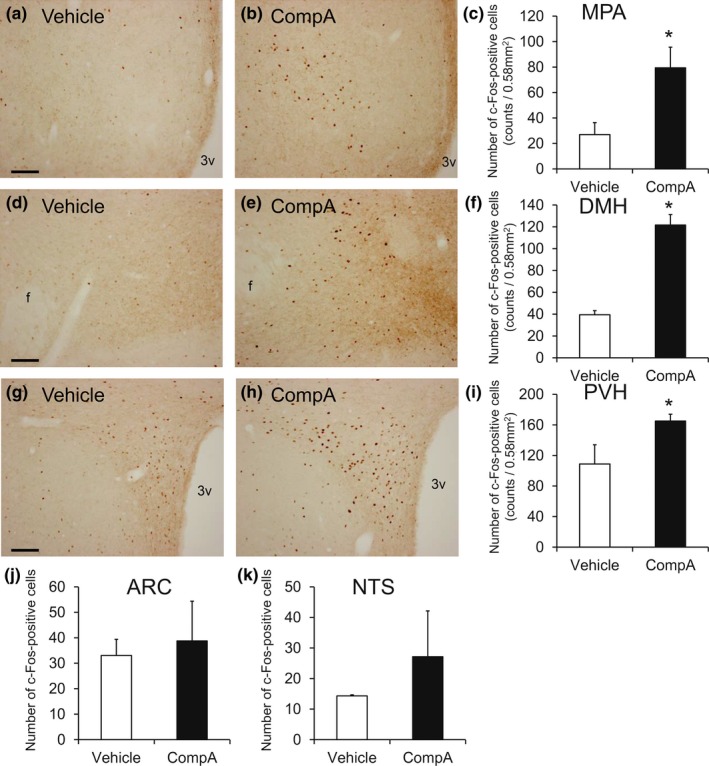
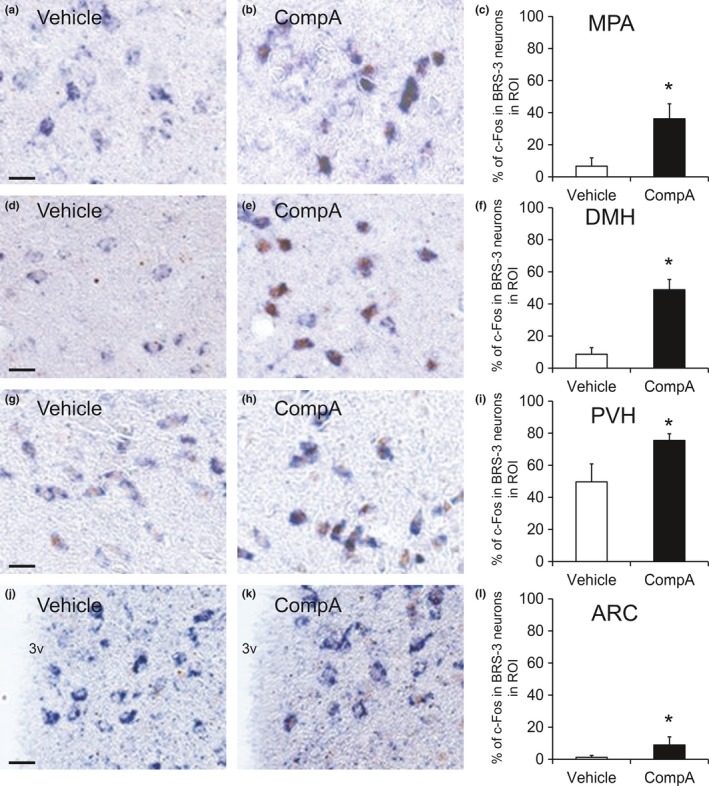
In the paraventricular hypothalamic nucleus (PVH), dorsomedial hypothalamic nucleus (DMH), and medial preoptic area (MPA), strong c-Fos induction was observed in the BRS-3 neurons especially in PVH after refeeding. However, the BRS-3 neurons in the PVH did not express feeding-regulating peptides, while the BRS-3 agonist administration induced c-Fos expression in the DMH and MPA, which were not refeeding-sensitive, as well as in the PVH. The BRS-3 agonist administration changed the and mRNA level in several brain regions of fasted rats.
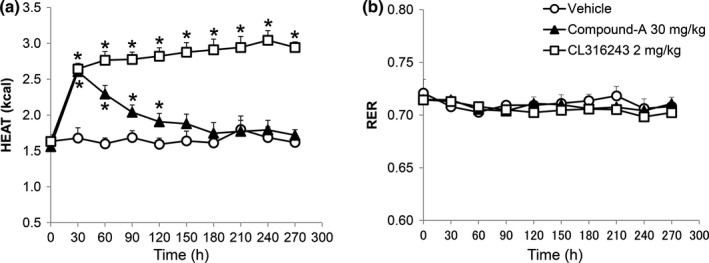
These results suggest that BRS-3 neurons in the PVH are a novel functional subdivision in the PVH that regulates feeding behavior. As the MPA and DMH are reportedly involved in thermoregulation and energy metabolism, the BRS-3 neurons in the MPA/DMH might mediate the energy expenditure control. POMC and CART may contribute to BRS-3 neuron-mediated energy homeostasis regulation. In summary, BRS-3-expressing neurons could regulate energy homeostasis through a novel neuronal pathway.
蛙皮素受体亚型-3(BRS-3)被认为在能量平衡中发挥潜在作用。然而,BRS-3 对能量平衡的生理机制尚不清楚。因此,我们研究了 BRS-3 介导的与进食和能量消耗有关的神经元途径。
通过组织学检查大鼠脑中 BRS-3 的表达。通过 c-Fos 免疫染色鉴定因再喂养诱导的饱腹感或 BRS-3 激动剂而激活的 BRS-3 神经元。我们还分析了给予 BRS-3 激动剂的禁食大鼠脑中与进食相关肽的表达变化。
在室旁下丘脑核(PVH)、下丘脑背内侧核(DMH)和内侧视前区(MPA)中,再喂养后 BRS-3 神经元中观察到强烈的 c-Fos 诱导,尤其是在 PVH 中。然而,PVH 中的 BRS-3 神经元不表达进食调节肽,而 BRS-3 激动剂给药可诱导不依赖再喂养的 DMH 和 MPA 以及 PVH 中的 c-Fos 表达。BRS-3 激动剂给药改变了禁食大鼠几个脑区的 和 mRNA 水平。
这些结果表明,PVH 中的 BRS-3 神经元是调节进食行为的 PVH 中的一个新的功能细分。由于 MPA 和 DMH 据称参与体温调节和能量代谢,因此 MPA/DMH 中的 BRS-3 神经元可能介导能量消耗控制。POMC 和 CART 可能有助于 BRS-3 神经元介导的能量平衡调节。总之,表达 BRS-3 的神经元可以通过新的神经元途径调节能量平衡。