Department of Medicine (Royal Melbourne Hospital), The University of Melbourne, Melbourne, VIC, 3010, Australia.
Doherty Institute, The University of Melbourne, Melbourne, VIC, 3010, Australia.
Cell Mol Life Sci. 2018 Sep;75(17):3231-3249. doi: 10.1007/s00018-018-2790-3. Epub 2018 Mar 24.
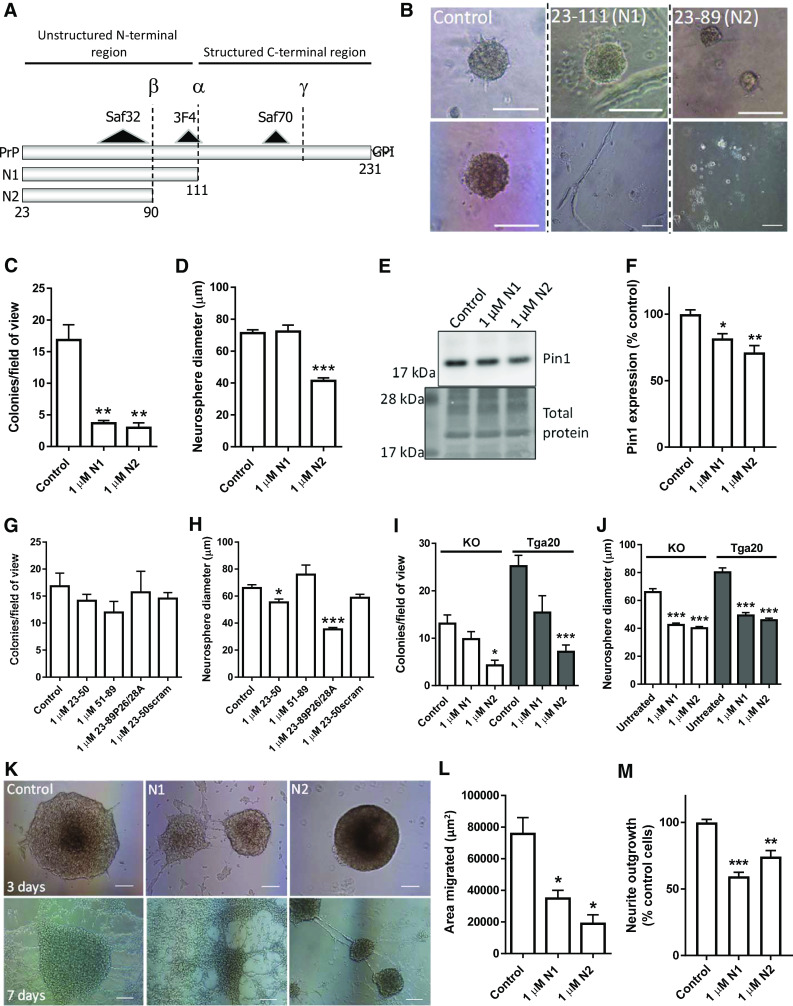
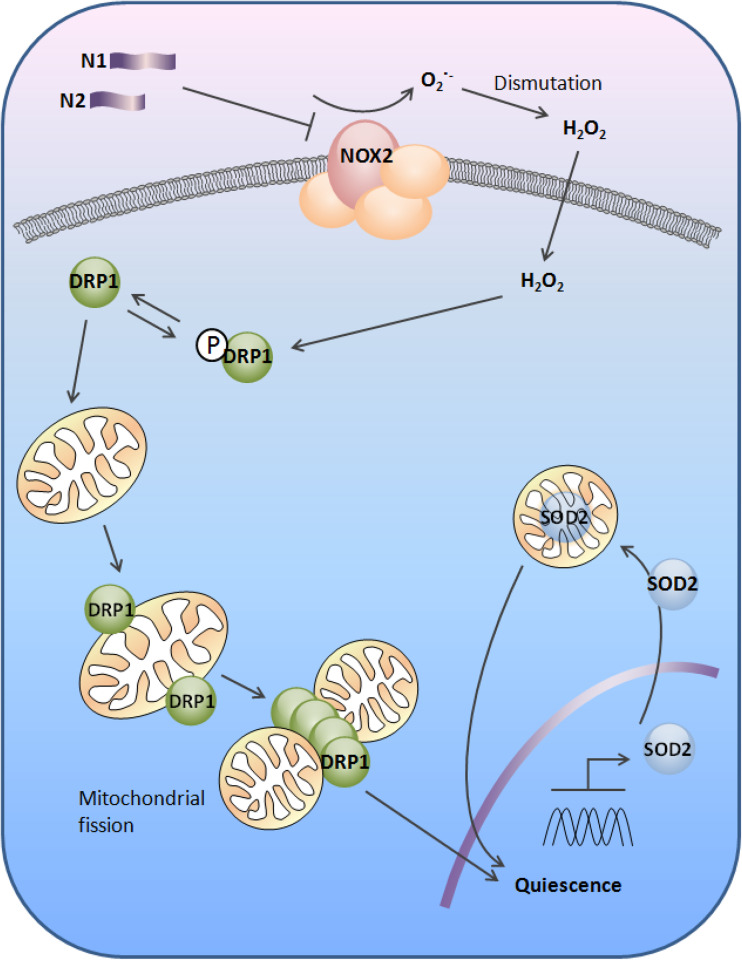
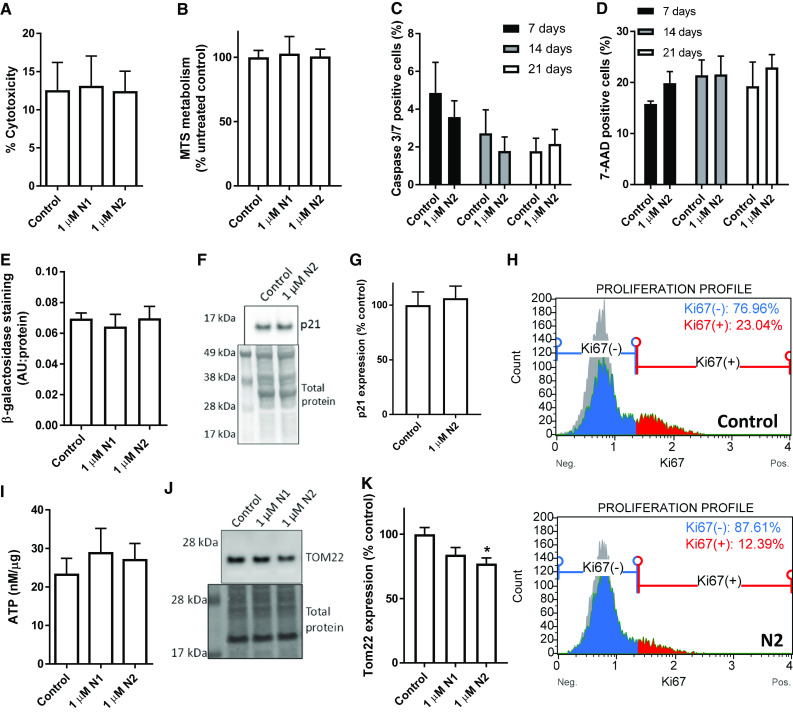
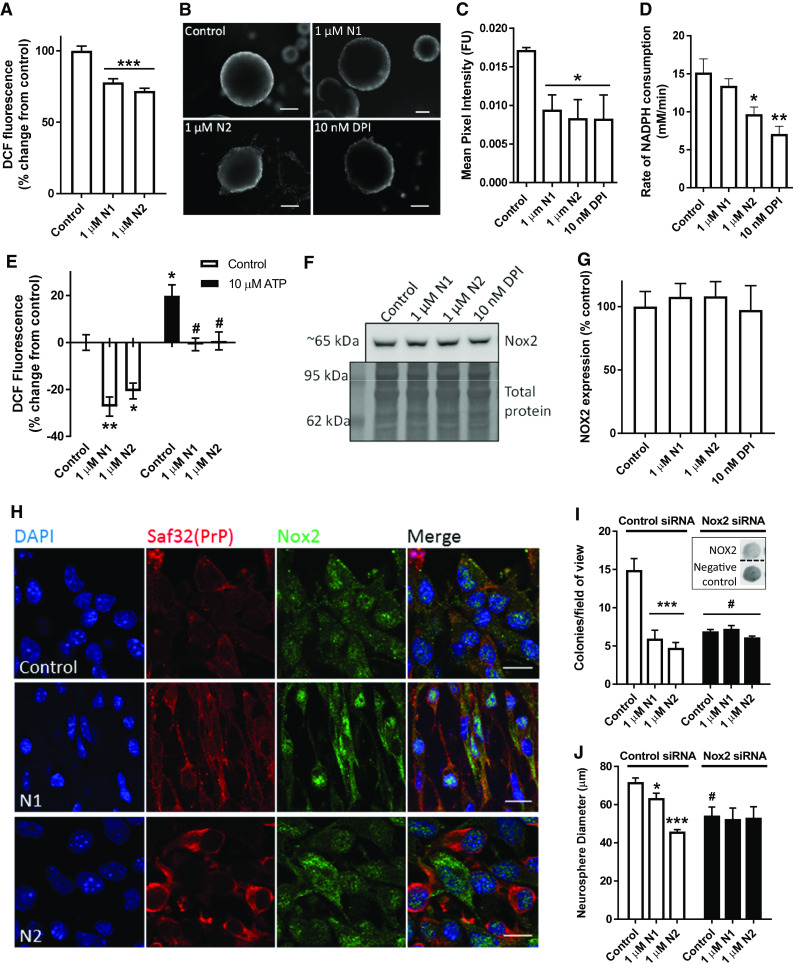
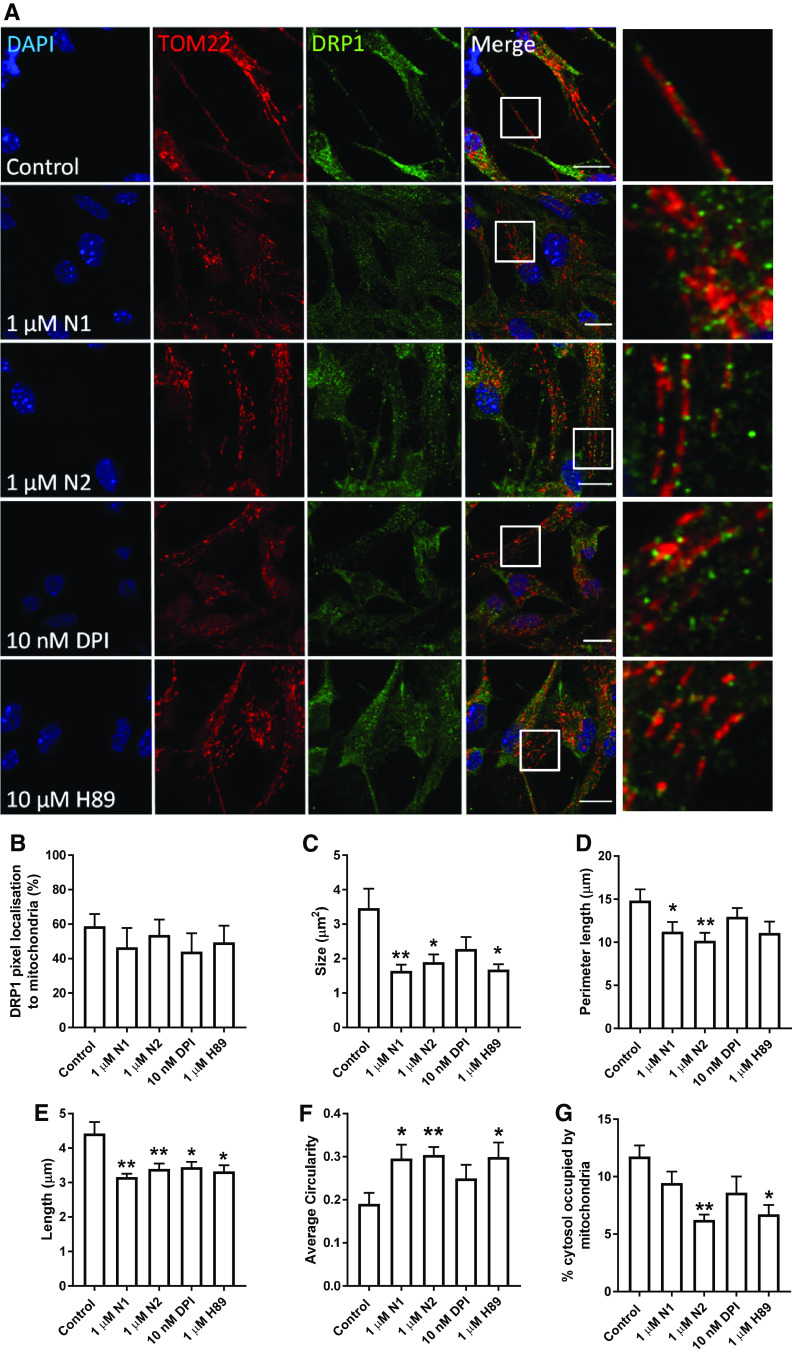
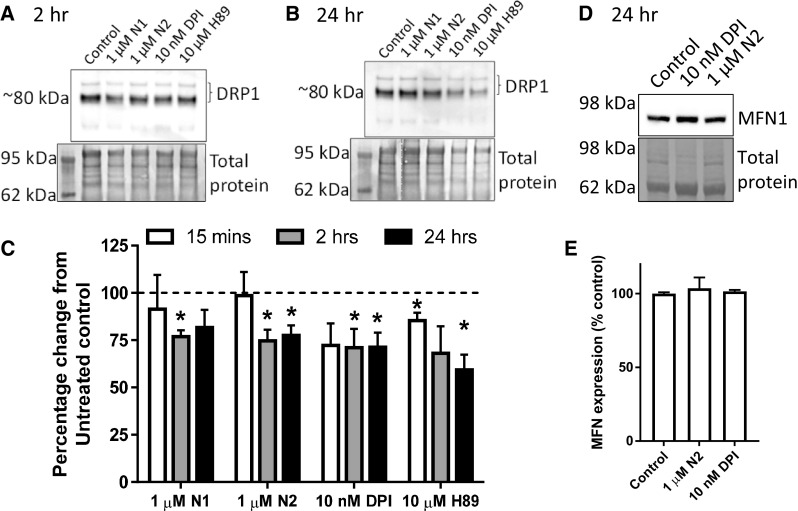
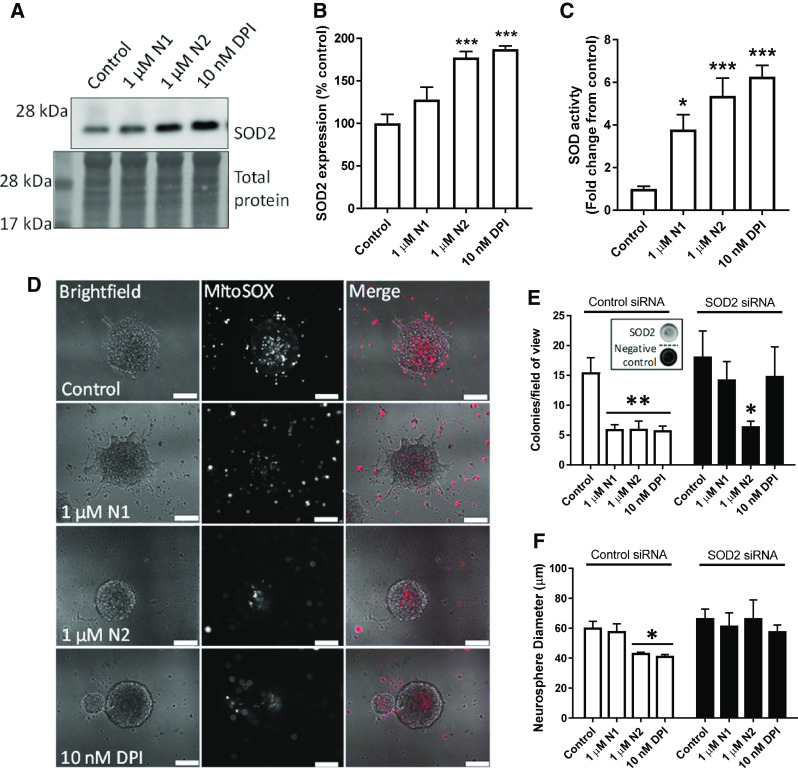
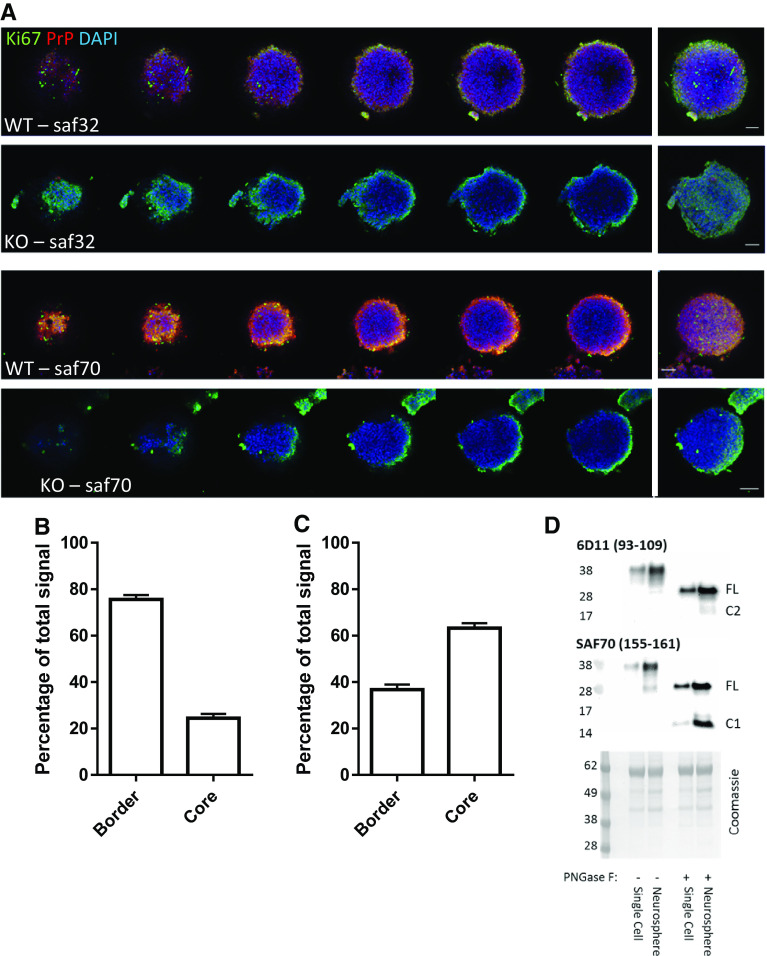
Neurogenesis continues in the post-developmental brain throughout life. The ability to stimulate the production of new neurones requires both quiescent and actively proliferating pools of neural stem cells (NSCs). Actively proliferating NSCs ensure that neurogenic demand can be met, whilst the quiescent pool makes certain NSC reserves do not become depleted. The processes preserving the NSC quiescent pool are only just beginning to be defined. Herein, we identify a switch between NSC proliferation and quiescence through changing intracellular redox signalling. We show that N-terminal post-translational cleavage products of the prion protein (PrP) induce a quiescent state, halting NSC cellular growth, migration, and neurite outgrowth. Quiescence is initiated by the PrP cleavage products through reducing intracellular levels of reactive oxygen species. First, inhibition of redox signalling results in increased mitochondrial fission, which rapidly signals quiescence. Thereafter, quiescence is maintained through downstream increases in the expression and activity of superoxide dismutase-2 that reduces mitochondrial superoxide. We further observe that PrP is predominantly cleaved in quiescent NSCs indicating a homeostatic role for this cascade. Our findings provide new insight into the regulation of NSC quiescence, which potentially could influence brain health throughout adult life.
神经发生在大脑的发育后阶段持续进行。刺激新神经元产生的能力需要静止和活跃增殖的神经干细胞 (NSC) 池。活跃增殖的 NSCs 确保满足神经发生的需求,而静止池则确保 NSC 储备不会耗尽。目前,我们只是开始定义维持 NSC 静止池的过程。在这里,我们通过改变细胞内氧化还原信号来识别 NSC 增殖和静止之间的转换。我们表明,朊病毒蛋白 (PrP) 的 N 端翻译后切割产物诱导静止状态,阻止 NSC 细胞生长、迁移和突起生长。静止是通过降低细胞内活性氧水平的 PrP 切割产物引发的。首先,抑制氧化还原信号导致线粒体分裂增加,这迅速发出静止信号。此后,通过增加超氧化物歧化酶-2 的表达和活性来维持静止,超氧化物歧化酶-2 减少线粒体超氧化物。我们进一步观察到 PrP 在静止的 NSCs 中主要被切割,表明该级联具有动态平衡作用。我们的发现为 NSC 静止的调节提供了新的见解,这可能会影响整个成年期的大脑健康。