Department of Pharmaceutics, China Pharmaceutical University, Nanjing, People's Republic of China.
College of Pharmacy, Fujian University of Traditional Chinese Medicine, Fuzhou, People's Republic of China.
Int J Nanomedicine. 2018 Mar 15;13:1585-1600. doi: 10.2147/IJN.S155383. eCollection 2018.
Lung cancer is the primary cause of cancer-related death worldwide. A redox-sensitive nanocarrier system was developed for tumor-targeted drug delivery and sufficient drug release of the chemotherapeutic agent paclitaxel (PTX) for improved lung cancer treatment.
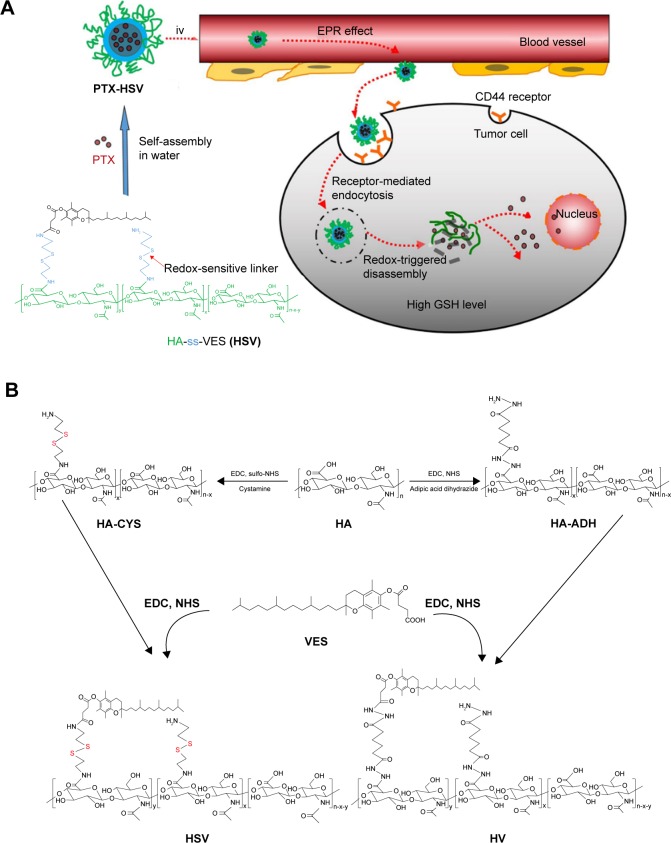
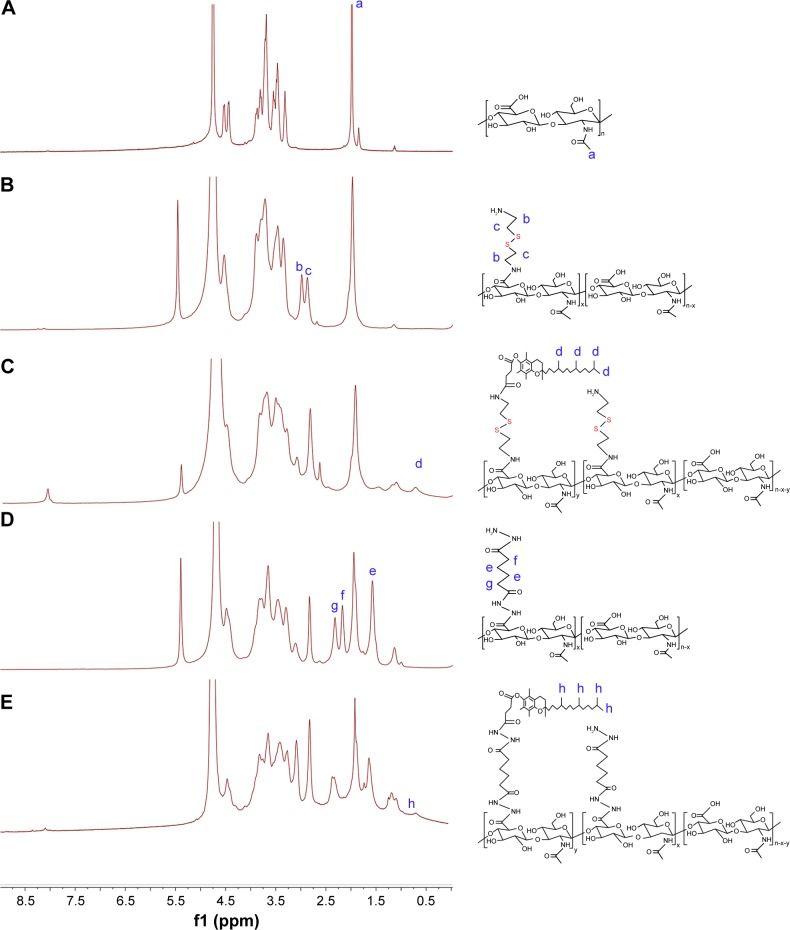
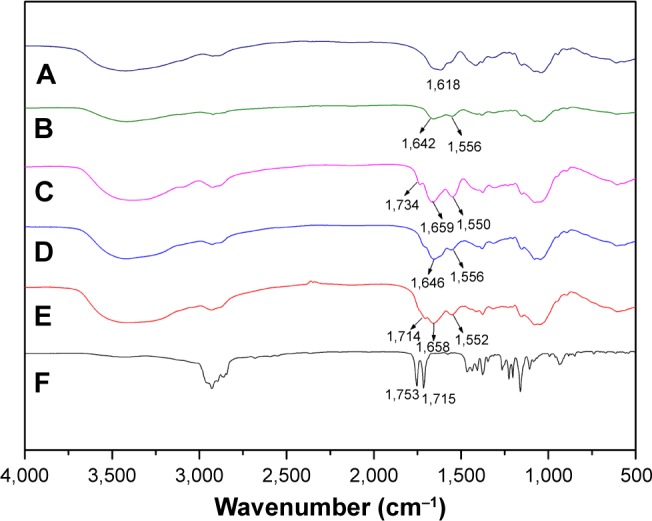
The redox-sensitive nanocarrier system constructed from a hyaluronic acid-disulfide-vitamin E succinate (HA-SS-VES, HSV) conjugate was synthesized and PTX was loaded in the delivery system. The physicochemical properties of the HSV nanoparticles were characterized. The redox-sensitivity, tumor-targeting and intracellular drug release capability of the HSV nanoparticles were evaluated. Furthermore, in vitro and in vivo antitumor activity of the PTX-loaded HSV nanoparticles was investigated in a CD44 over-expressed A549 tumor model.
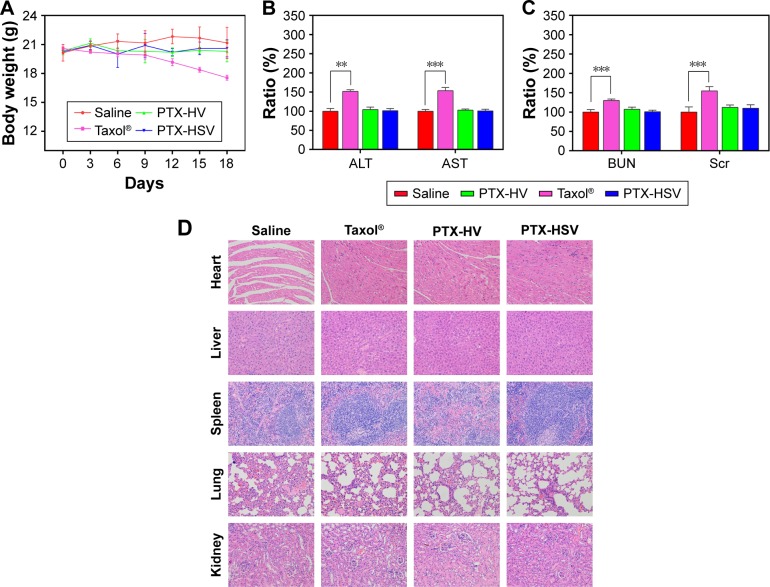
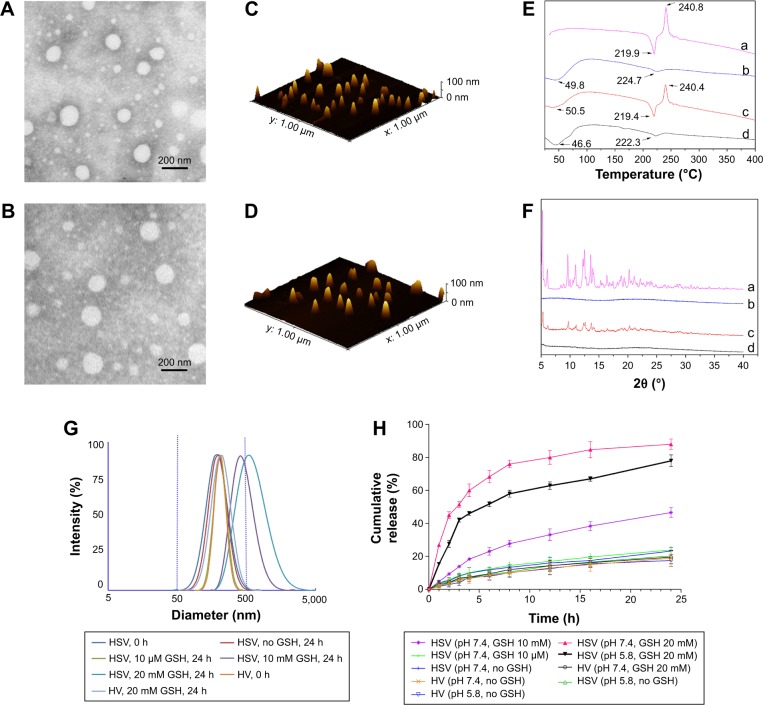
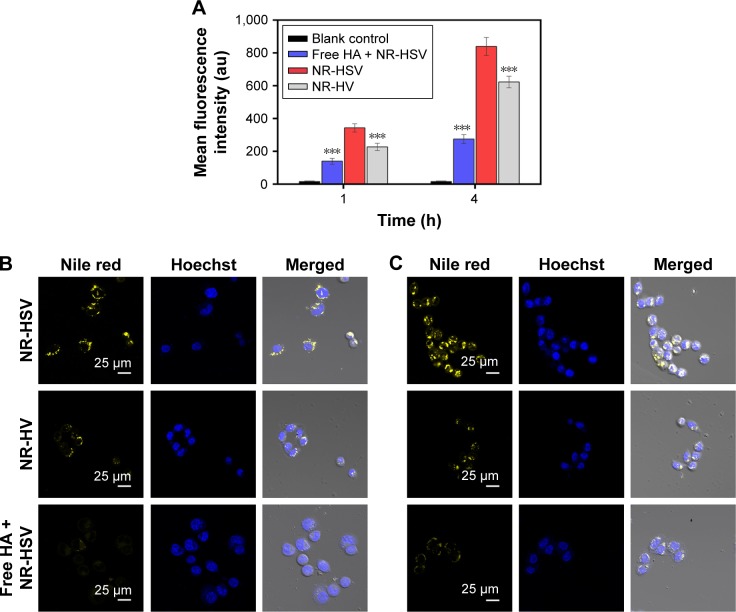
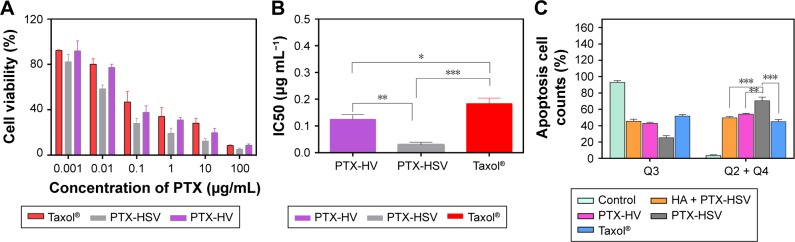
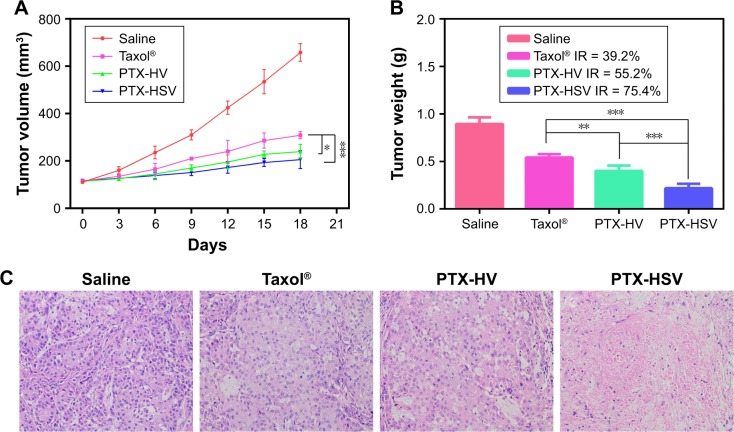
This HSV conjugate was successfully synthesized and self-assembled to form nanoparticles in aqueous condition with a low critical micelle concentration of 36.3 μg mL. Free PTX was successfully entrapped into the HSV nanoparticles with a high drug loading of 33.5% (w/w) and an entrapment efficiency of 90.6%. Moreover, the redox-sensitivity of the HSV nanoparticles was confirmed by particle size change of the nanoparticles along with in vitro release profiles in different reducing environment. In addition, the HA-receptor mediated endocytosis and the potency of redox-sensitivity for intracellular drug delivery were further verified by flow cytometry and confocal laser scanning microscopic analysis. The antitumor activity results showed that compared to redox-insensitive nanoparticles and Taxol, PTX-loaded redox-sensitive nanoparticles exhibited much greater in vitro cytotoxicity and apoptosis-inducing ability against CD44 over-expressed A549 tumor cells. In vivo, the PTX-loaded HSV nanoparticles possessed much higher antitumor efficacy in an A549 mouse xenograft model and demonstrated improved safety profile. In summary, our PTX-loaded redox-sensitive HSV nanoparticles demonstrated enhanced antitumor efficacy and improved safety of PTX.
The results of our study indicated the redox-sensitive HSV nanoparticle was a promising nanocarrier for lung cancer therapy.
肺癌是全球癌症相关死亡的主要原因。本研究开发了一种基于氧化还原敏感的纳米载体系统,用于肿瘤靶向药物递送,并使化疗药物紫杉醇(PTX)充分释放,从而提高肺癌的治疗效果。
本研究通过合成透明质酸-二硫键-维生素 E 琥珀酸酯(HA-SS-VES,HSV)缀合物构建了氧化还原敏感的纳米载体系统,并将 PTX 载入该递送系统。对 HSV 纳米粒子的理化性质进行了表征。评估了 HSV 纳米粒子的氧化还原敏感性、肿瘤靶向性和细胞内药物释放能力。此外,在 CD44 过表达的 A549 肿瘤模型中研究了载 PTX 的 HSV 纳米粒子的体内外抗肿瘤活性。
成功合成了 HSV 缀合物,并在水相条件下自组装形成纳米颗粒,其临界胶束浓度为 36.3μg/mL。游离 PTX 成功包封于 HSV 纳米粒子中,载药量为 33.5%(w/w),包封率为 90.6%。此外,通过纳米颗粒粒径的变化以及不同还原环境下的体外释放曲线证实了 HSV 纳米粒子的氧化还原敏感性。此外,通过流式细胞术和共聚焦激光扫描显微镜分析进一步验证了 HA 受体介导的内吞作用和氧化还原敏感性对细胞内药物递送的作用。抗肿瘤活性结果表明,与氧化还原不敏感的纳米粒子和 Taxol 相比,载 PTX 的氧化还原敏感纳米粒子对 CD44 过表达的 A549 肿瘤细胞具有更强的体外细胞毒性和诱导凋亡能力。体内研究中,载 PTX 的 HSV 纳米粒子在 A549 小鼠异种移植模型中具有更高的抗肿瘤疗效,并表现出更好的安全性。总之,我们载 PTX 的氧化还原敏感 HSV 纳米粒子显示出增强的抗肿瘤疗效和改善的 PTX 安全性。
本研究结果表明,氧化还原敏感的 HSV 纳米粒子是一种有前途的肺癌治疗的纳米载体。