Institute of Cancer and Genomic Sciences, College of Medicine and Dentistry, University of Birmingham, Birmingham, United Kingdom.
Heinrich Pette Institute, Leibniz Institute for Experimental Virology, Hamburg, Germany.
J Virol. 2018 May 29;92(12). doi: 10.1128/JVI.02034-17. Print 2018 Jun 15.
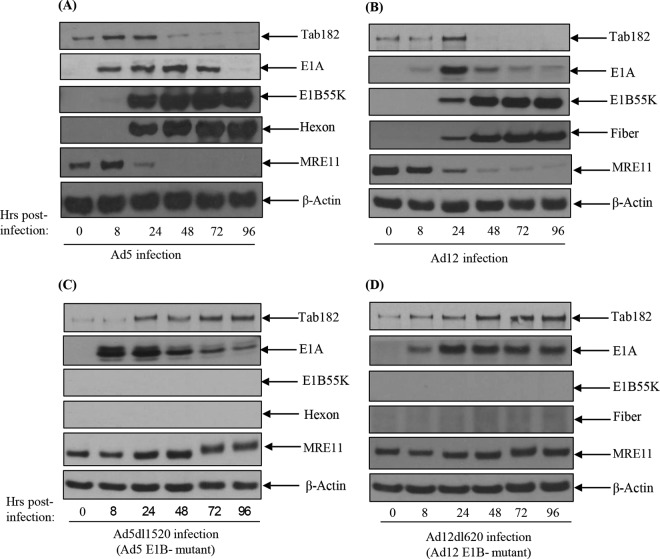
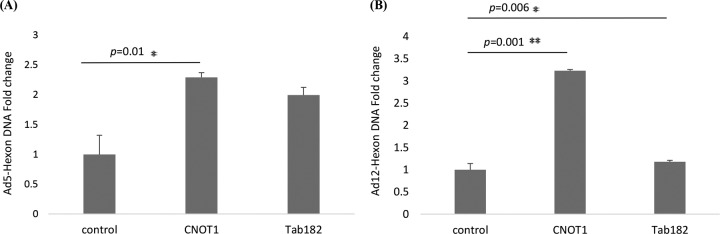
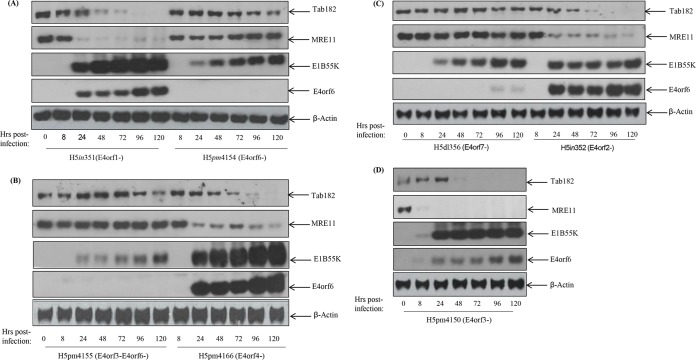
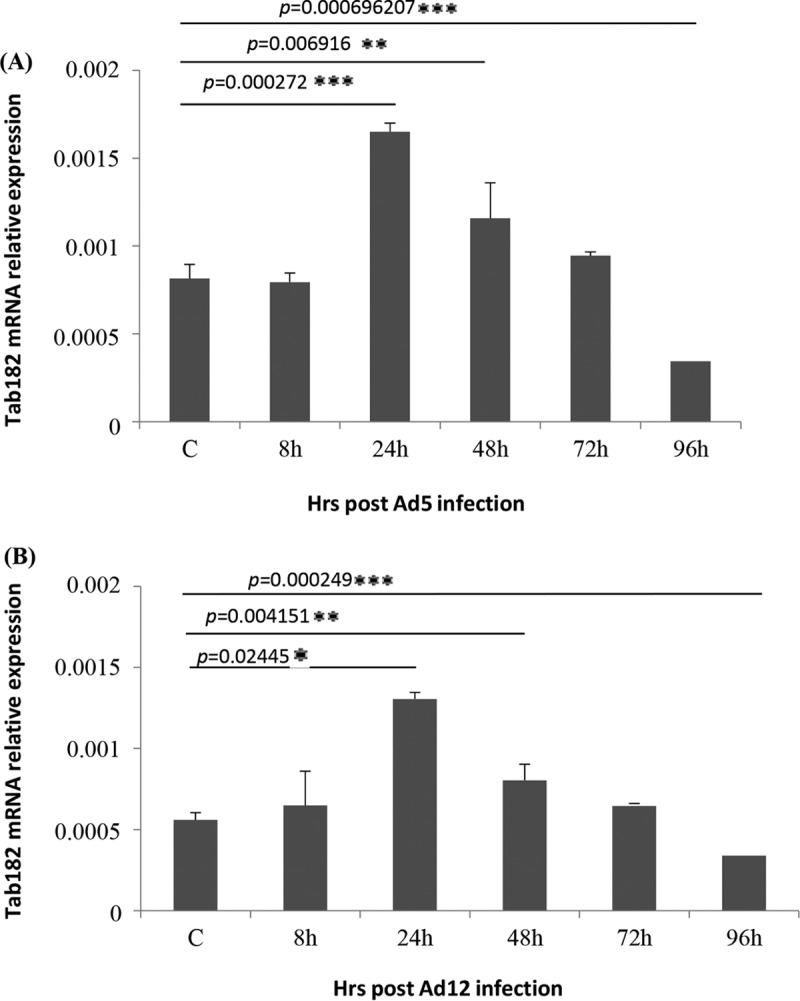
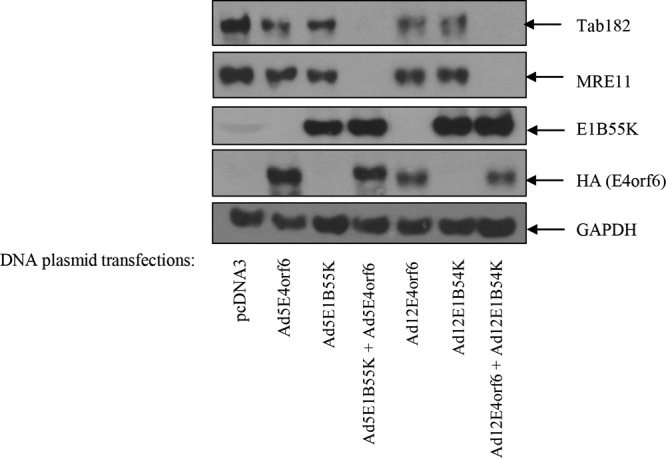
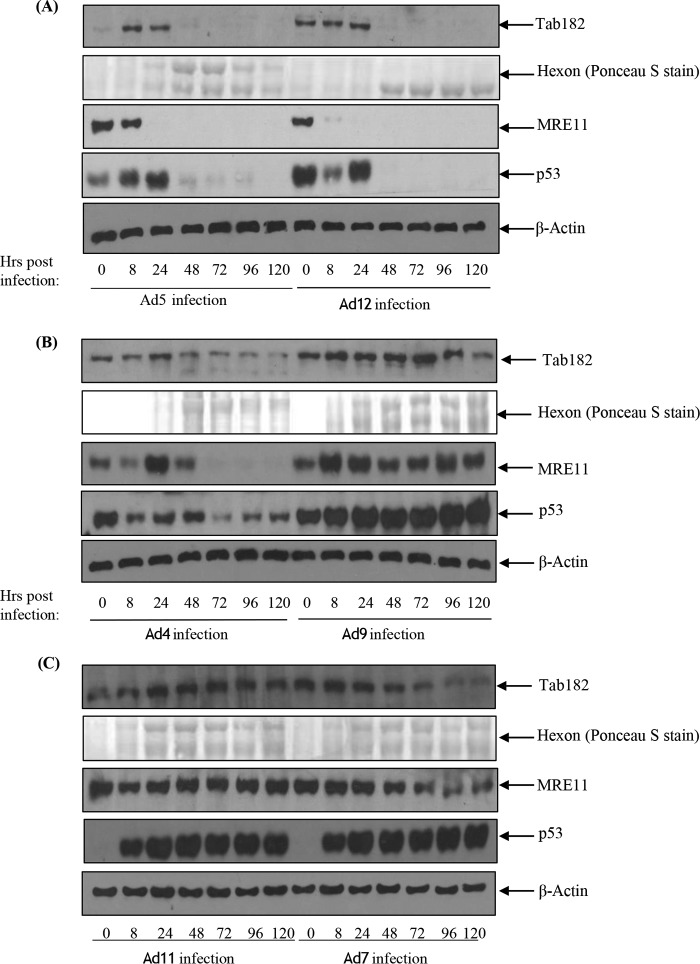
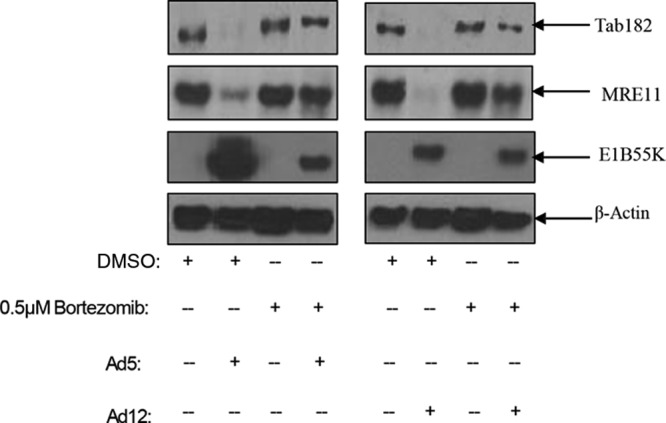
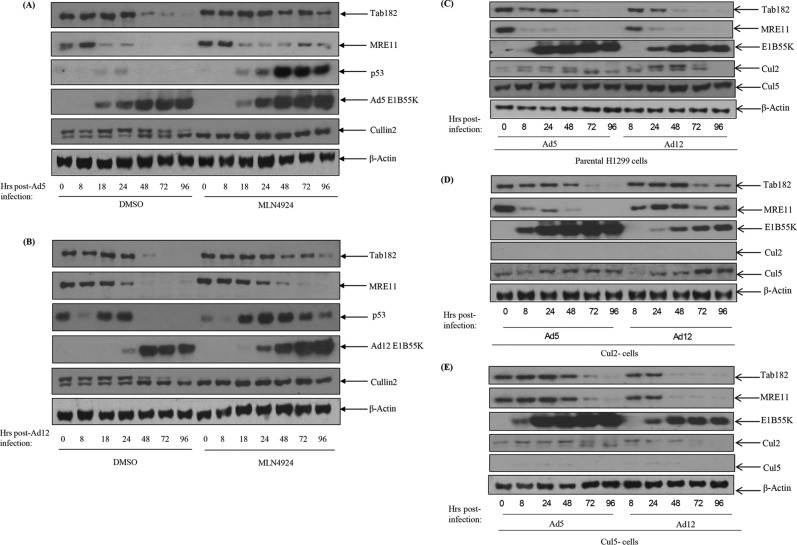
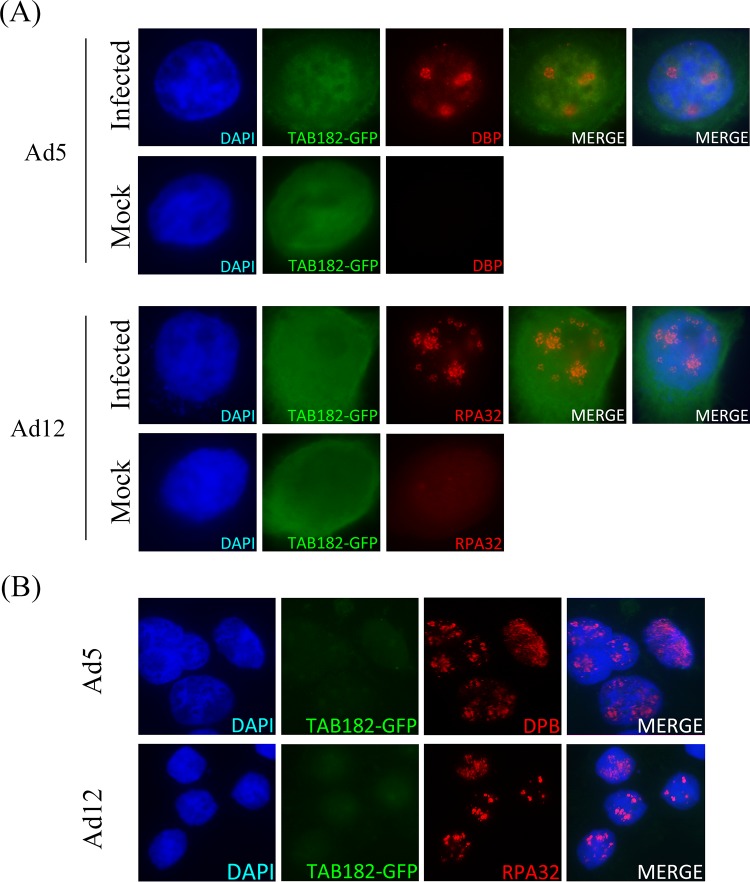
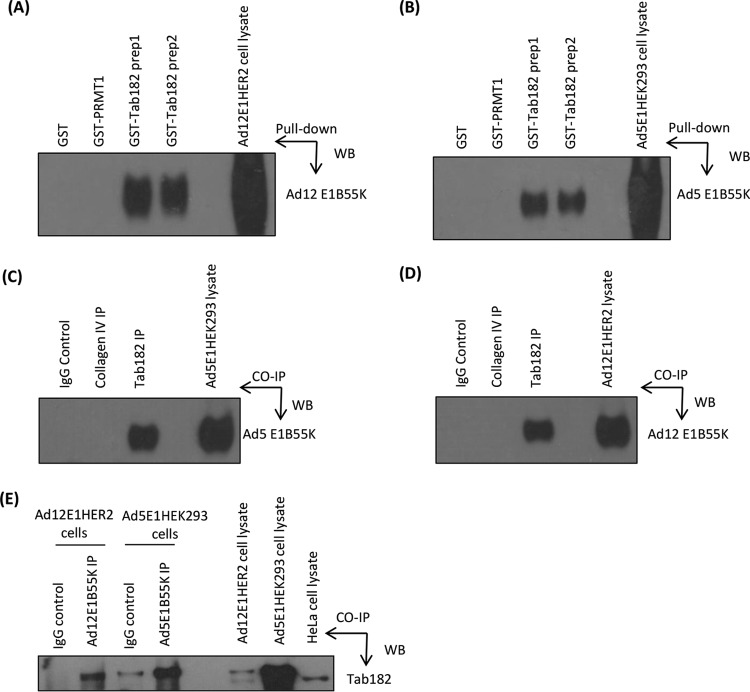
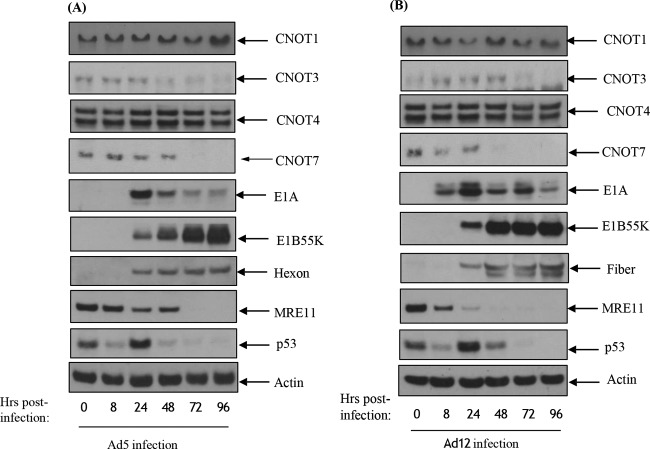
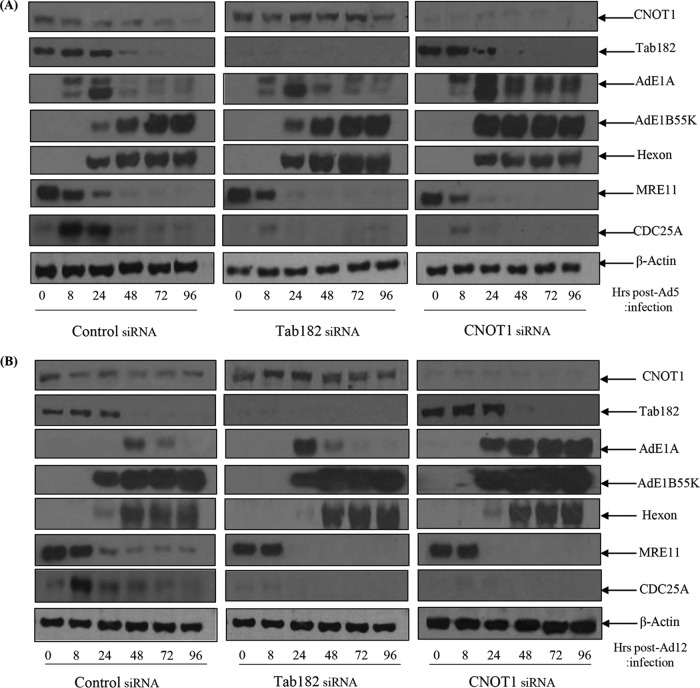
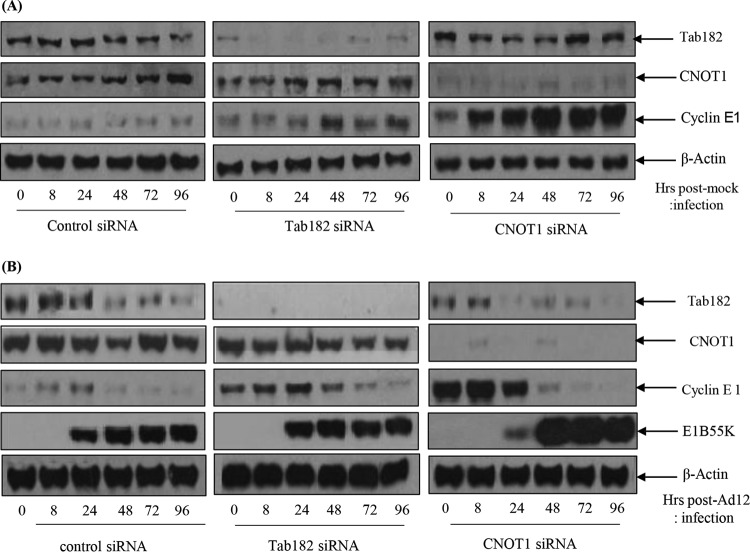
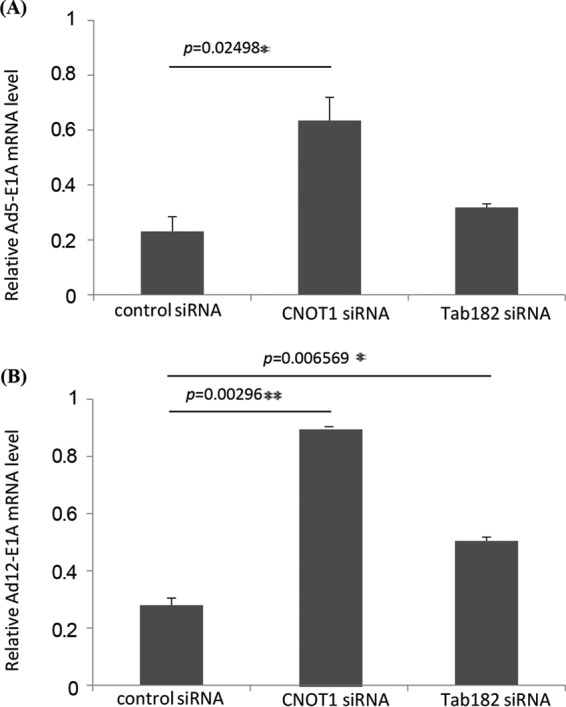
Infection by most DNA viruses activates a cellular DNA damage response (DDR), which may be to the detriment or advantage of the virus. In the case of adenoviruses, they neutralize antiviral effects of DDR activation by targeting a number of proteins for rapid proteasome-mediated degradation. We have now identified a novel DDR protein, tankyrase 1 binding protein 1 (TNKS1BP1) (also known as Tab182), which is degraded during infection by adenovirus serotype 5 and adenovirus serotype 12. In both cases, degradation requires the action of the early region 1B55K (E1B55K) and early region 4 open reading frame 6 (E4orf6) viral proteins and is mediated through the proteasome by the action of cullin-based cellular E3 ligases. The degradation of Tab182 appears to be serotype specific, as the protein remains relatively stable following infection with adenovirus serotypes 4, 7, 9, and 11. We have gone on to confirm that Tab182 is an integral component of the CNOT complex, which has transcriptional regulatory, deadenylation, and E3 ligase activities. The levels of at least 2 other members of the complex (CNOT3 and CNOT7) are also reduced during adenovirus infection, whereas the levels of CNOT4 and CNOT1 remain stable. The depletion of Tab182 with small interfering RNA (siRNA) enhances the expression of early region 1A proteins (E1As) to a limited extent during adenovirus infection, but the depletion of CNOT1 is particularly advantageous to the virus and results in a marked increase in the expression of adenovirus early proteins. In addition, the depletion of Tab182 and CNOT1 results in a limited increase in the viral DNA level during infection. We conclude that the cellular CNOT complex is a previously unidentified major target for adenoviruses during infection. Adenoviruses target a number of cellular proteins involved in the DNA damage response for rapid degradation. We have now shown that Tab182, which we have confirmed to be an integral component of the mammalian CNOT complex, is degraded following infection by adenovirus serotypes 5 and 12. This requires the viral E1B55K and E4orf6 proteins and is mediated by cullin-based E3 ligases and the proteasome. In addition to Tab182, the levels of other CNOT proteins are also reduced during adenovirus infection. Thus, CNOT3 and CNOT7, for example, are degraded, whereas CNOT4 and CNOT1 are not. The siRNA-mediated depletion of components of the complex enhances the expression of adenovirus early proteins and increases the concentration of viral DNA produced during infection. This study highlights a novel protein complex, CNOT, which is targeted for adenovirus-mediated protein degradation. To our knowledge, this is the first time that the CNOT complex has been identified as an adenoviral target.
大多数 DNA 病毒的感染会激活细胞 DNA 损伤反应 (DDR),这可能对病毒有利也可能有害。在腺病毒的情况下,它们通过靶向许多蛋白质进行快速蛋白酶体介导的降解来中和 DDR 激活的抗病毒作用。我们现在已经鉴定出一种新型 DDR 蛋白,即 Tankyrase 1 结合蛋白 1 (TNKS1BP1)(也称为 Tab182),它在腺病毒血清型 5 和 12 感染期间被降解。在这两种情况下,降解都需要早期区域 1B55K (E1B55K) 和早期区域 4 开放阅读框 6 (E4orf6) 病毒蛋白的作用,并通过基于 Cullin 的细胞 E3 连接酶的作用通过蛋白酶体进行介导。Tab182 的降解似乎是血清型特异性的,因为在感染腺病毒血清型 4、7、9 和 11 后,该蛋白相对稳定。我们进一步证实,Tab182 是 CNOT 复合物的一个组成部分,该复合物具有转录调节、脱腺苷酸化和 E3 连接酶活性。在腺病毒感染期间,该复合物的至少另外 2 个成员(CNOT3 和 CNOT7)的水平也降低,而 CNOT4 和 CNOT1 的水平保持稳定。用小干扰 RNA (siRNA) 耗尽 Tab182 在一定程度上增强了腺病毒感染期间早期区域 1A 蛋白 (E1As) 的表达,但 CNOT1 的耗尽对病毒特别有利,并导致腺病毒早期蛋白的表达明显增加。此外,在感染期间,Tab182 和 CNOT1 的耗尽会导致病毒 DNA 水平有限增加。我们得出结论,细胞 CNOT 复合物是腺病毒感染期间先前未被识别的主要靶标。腺病毒针对许多参与 DNA 损伤反应的细胞蛋白进行快速降解。我们现在已经表明,Tab182 是哺乳动物 CNOT 复合物的一个组成部分,在感染血清型 5 和 12 的腺病毒后被降解。这需要病毒 E1B55K 和 E4orf6 蛋白,并通过基于 Cullin 的 E3 连接酶和蛋白酶体介导。除了 Tab182 之外,在腺病毒感染期间其他 CNOT 蛋白的水平也降低。例如,CNOT3 和 CNOT7 被降解,而 CNOT4 和 CNOT1 则没有。该复合物成分的 siRNA 介导耗竭增强了腺病毒早期蛋白的表达并增加了感染期间产生的病毒 DNA 浓度。这项研究强调了一个新的蛋白质复合物 CNOT,它是腺病毒介导的蛋白质降解的靶标。据我们所知,这是首次将 CNOT 复合物鉴定为腺病毒靶标。