Onyilo Francis, Tusiime Geoffrey, Tripathi Jaindra N, Chen Li-Hung, Falk Bryce, Stergiopoulos Ioannis, Tushemereirwe Wilberforce, Kubiriba Jerome, Tripathi Leena
International Institute of Tropical Agriculture, Nairobi, Kenya.
Department of Agricultural Production, Makerere University, Kampala, Uganda.
Front Plant Sci. 2018 Mar 13;9:291. doi: 10.3389/fpls.2018.00291. eCollection 2018.
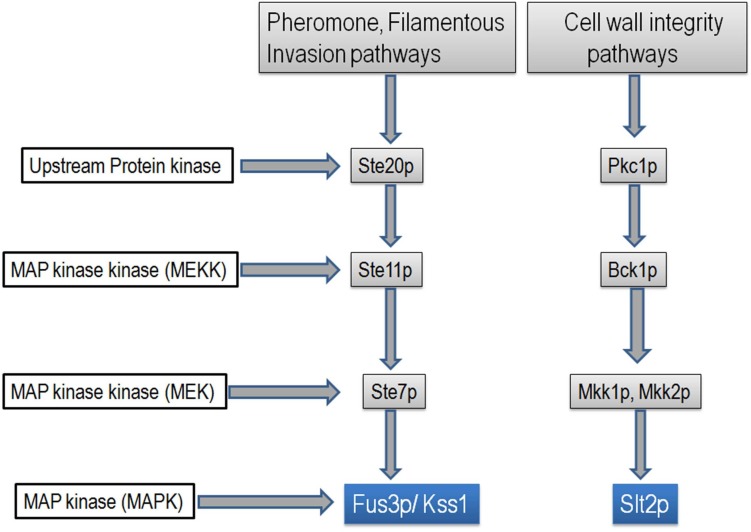
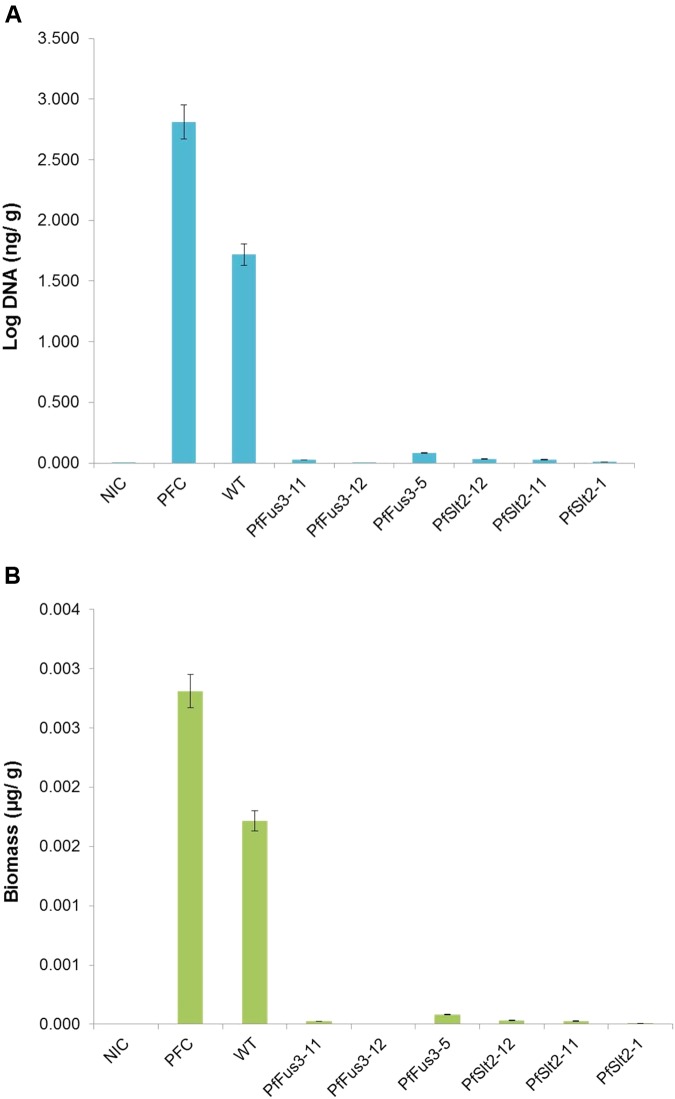
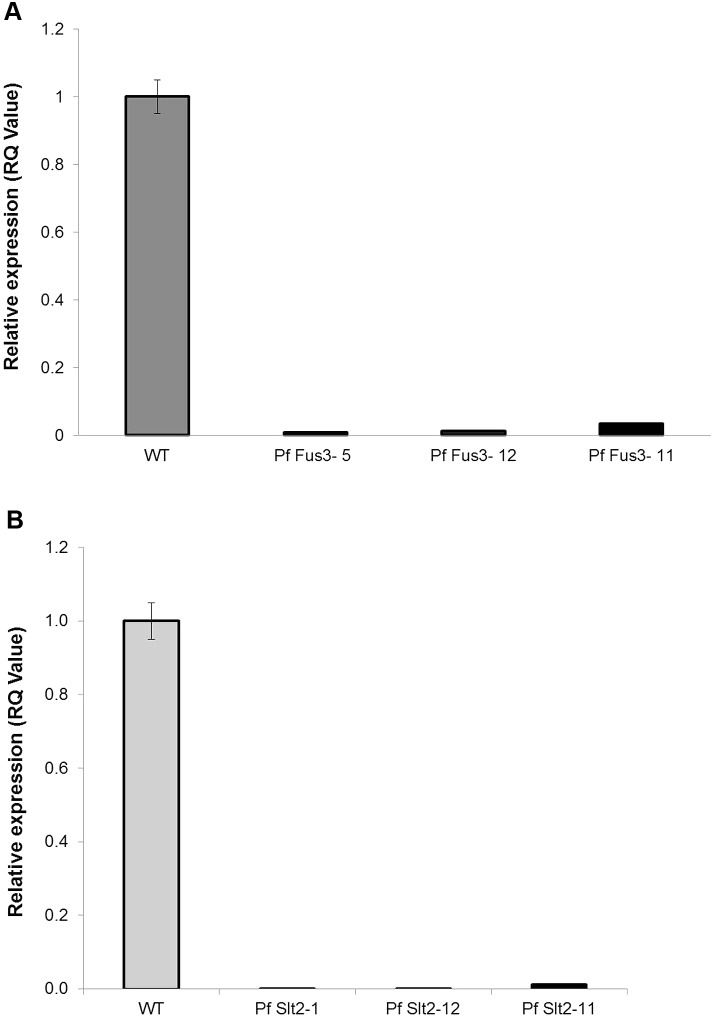
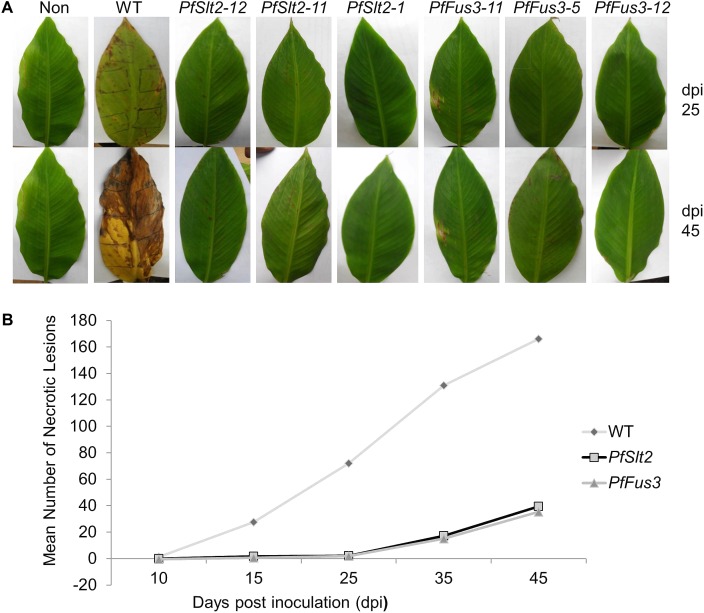
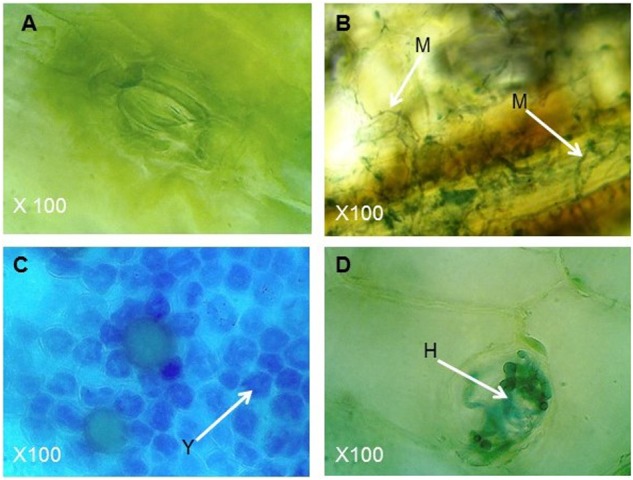
, causal agent of the black Sigatoka disease (BSD) of spp., has spread globally since its discovery in Fiji 1963 all the banana and plantain growing areas across the globe. It is becoming the most damaging and economically important disease of this crop. The identification and characterization of genes that regulate infection processes and pathogenicity in will provide important knowledge for the development of disease-resistant cultivars. In many fungal plant pathogens, the and are reported to be essential for pathogenicity. regulates filamentous-invasion pathways including the formation of infection structures, sporulation, virulence, and invasive and filamentous growth, whereas is involved in the cell-wall integrity pathway, virulence, invasive growth, and colonization in host tissues. Here, we used RNAi-mediated gene silencing to investigate the role of the and homologs in in pathogen invasiveness, growth and pathogenicity. The and silenced transformants showed significantly lower gene expression and reduced virulence, invasive growth, and lower biomass in infected leaf tissues of East African Highland Banana (EAHB). This study suggests that and MAPK signaling pathways play important roles in plant infection and pathogenic growth of fungal pathogens. The silencing of these vital fungal genes through host-induced gene silencing (HIG) could be an alternative strategy for developing transgenic banana and plantain resistant to BSD.
香蕉叶斑病菌是香蕉黑叶斑病(BSD)的病原菌,自1963年在斐济被发现以来,已传播至全球所有香蕉和大蕉种植区。它正成为这种作物最具破坏性且在经济上最重要的病害。鉴定和表征调控香蕉叶斑病菌感染过程和致病性的基因,将为培育抗病品种提供重要知识。在许多真菌植物病原菌中,据报道促分裂原活化蛋白激酶(MAPK)和几丁质合成酶(CHS)对于致病性至关重要。MAPK调控丝状入侵途径,包括感染结构的形成、孢子形成、毒力以及侵入性和丝状生长,而CHS参与细胞壁完整性途径、毒力、侵入性生长以及在宿主组织中的定殖。在此,我们使用RNA干扰介导的基因沉默来研究香蕉叶斑病菌中MAPK和CHS同源物在病原菌侵袭性、生长和致病性中的作用。MAPK和CHS沉默的转化体在东非高地香蕉(EAHB)受感染叶片组织中显示出显著更低的基因表达以及降低的毒力、侵入性生长和更低的生物量。本研究表明MAPK和CHS MAPK信号通路在真菌病原菌的植物感染和致病生长中起重要作用。通过宿主诱导的基因沉默(HIG)沉默这些重要的真菌基因,可能是培育抗BSD转基因香蕉和大蕉的一种替代策略。