Department of Plant Pathology, North Carolina State University, Raleigh, NC, United States of America.
Department of Plant and Microbial Biology, North Carolina State University, Raleigh, NC, United States of America.
PLoS One. 2019 Feb 8;14(2):e0212229. doi: 10.1371/journal.pone.0212229. eCollection 2019.
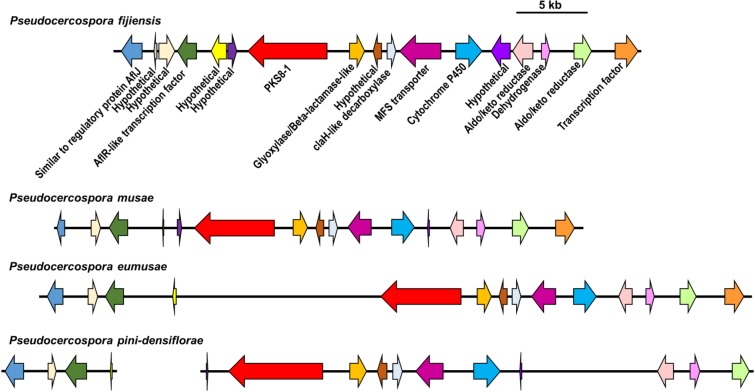
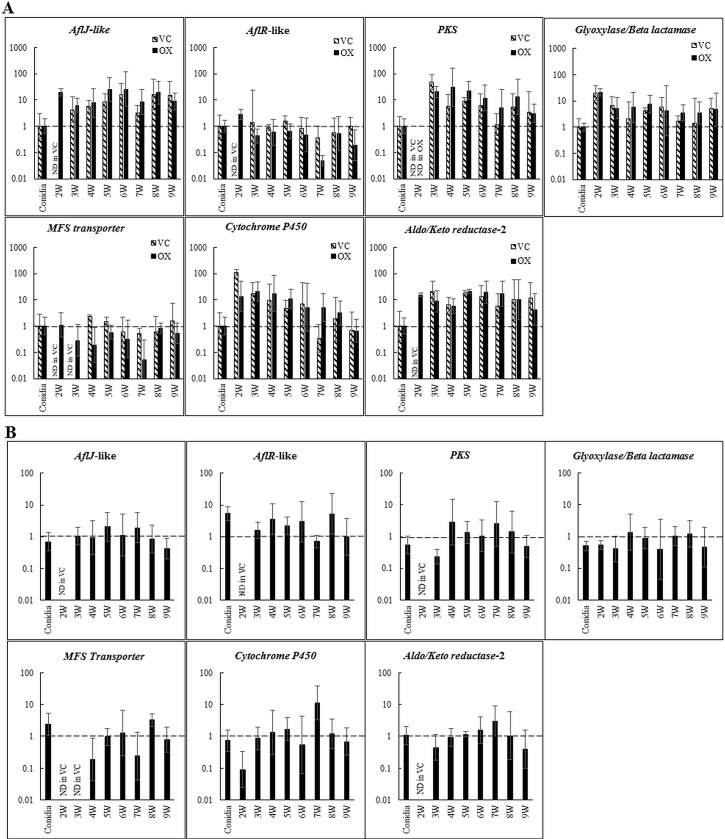
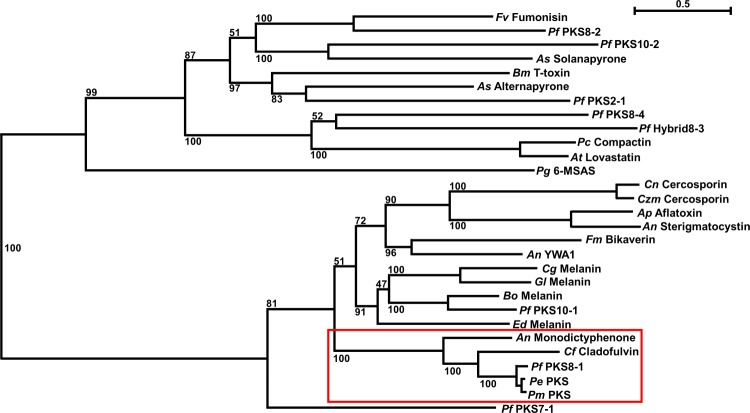
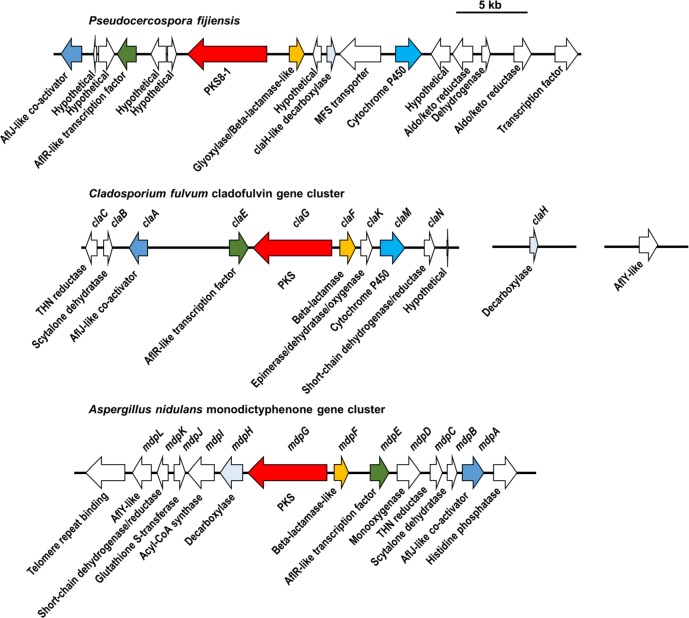
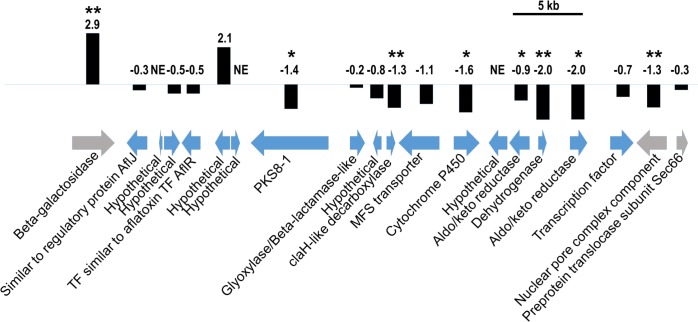
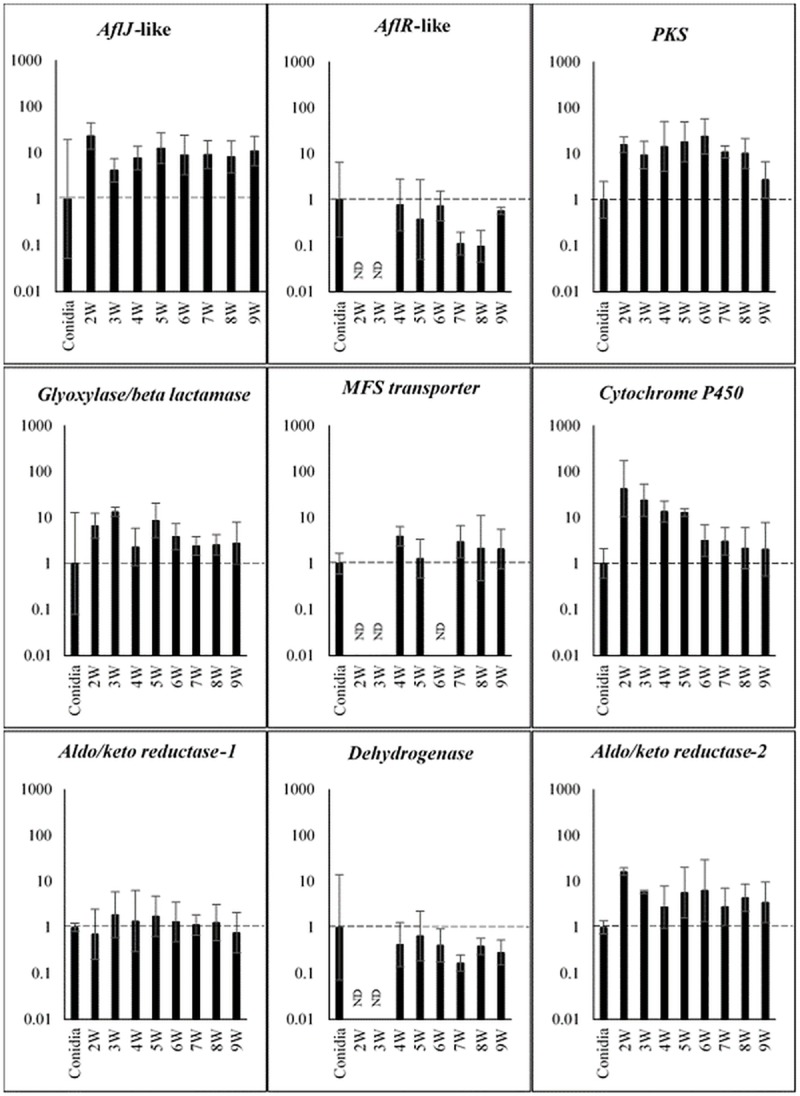
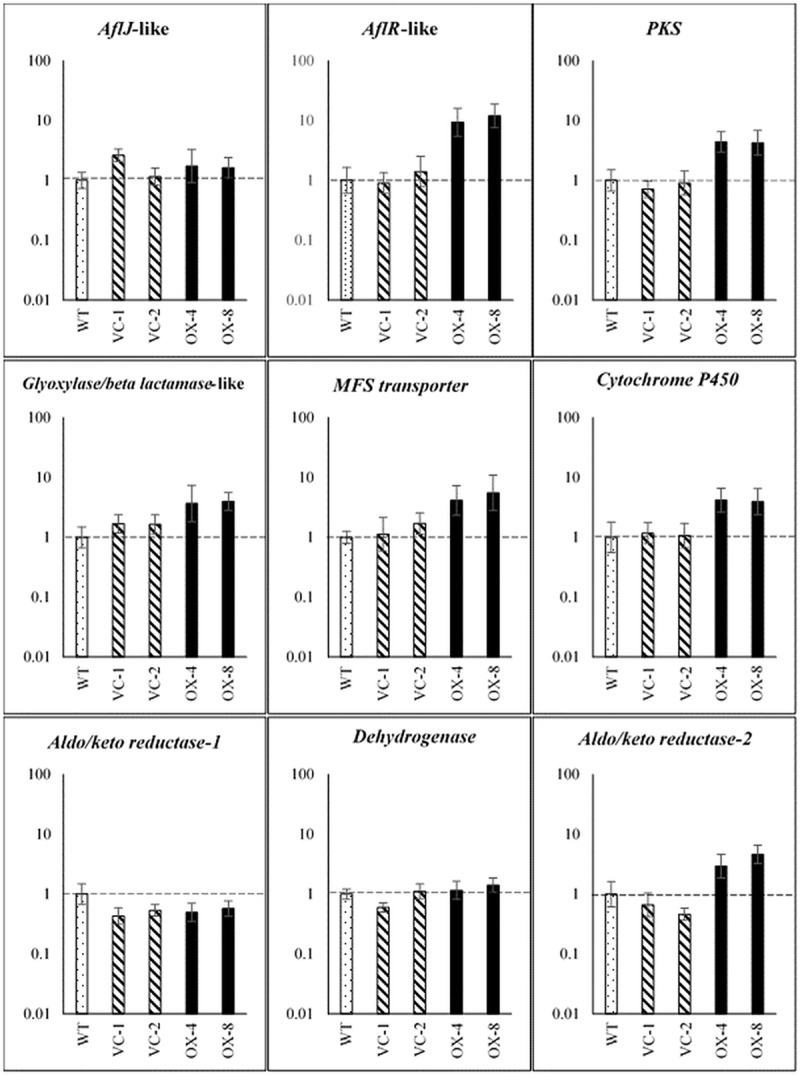
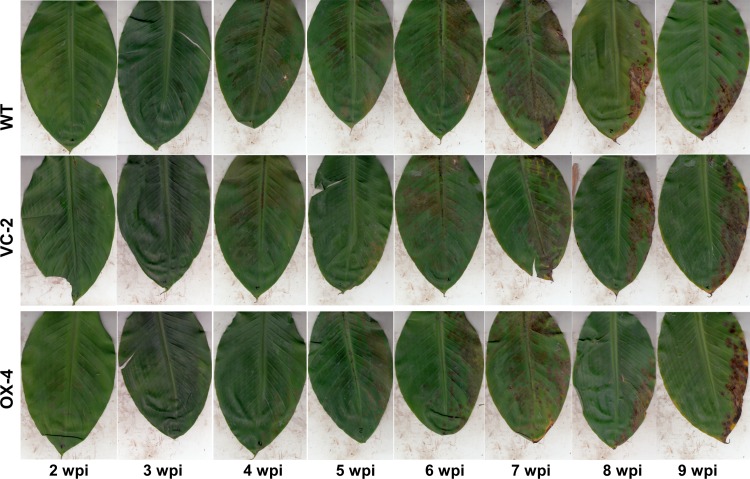
Pseudocercospora fijiensis, causal agent of black Sigatoka of banana, produces polyketide synthase (PKS) pathways shown to be important in disease development by related Dothideomycete fungi. Genome analysis of the P. fijiensis PKS8-1 gene identified it as part of a gene cluster including genes encoding two transcription factors, a regulatory protein, a glyoxylase/beta-lactamase-like protein, an MFS transporter, a cytochrome P450, two aldo/keto reductases, a dehydrogenase, and a decarboxylase. Genome analysis of the related pathogens Pseudocercospora musae, Pseudocercospora eumusae, and Pseudocercospora pini-densiflorae, identified orthologous clusters containing a nearly identical combination of genes. Phylogenetic analysis of PKS8-1 identified homology to PKS proteins in the monodictyphenone and cladofulvin pathways in Aspergillus nidulans and Cladosporium fulvum, respectively. Analysis of clustered genes showed that the PKS8-1 cluster shares genes for enzymes involved in the production of the emodin intermediate in the monodictyphenone and cladofulvin pathways, but differs in many genes, suggesting production of a different metabolic product. Time course analysis of gene expression in infected banana showed up-regulation of PKS8-1 and four of eight clustered genes as early as 2 weeks post-inoculation and remaining high through 9 weeks. Overexpression of the pathway through constitutive expression of an aflR-like transcription factor gene in the cluster resulted in increased expression in culture of PKS8-1 as well as the four clustered genes that are up-regulated in infected plants. No differences were seen in timing or severity of disease symptoms with the overexpression strains relative to controls, however gene expression analysis showed no difference in expression in planta by an overexpression strain relative to controls. Thus constitutive expression of the aflR-like gene is not sufficient to upregulate the pathway above normal expression in planta. Pathway expression during all phases of disease development and conservation of the pathway in related Pseudocercospora species support a role for this pathway in disease.
斐济假尾孢菌是香蕉黑条叶斑病的病原体,它产生的聚酮合酶(PKS)途径在相关的长蠕孢真菌中被证明对疾病的发展很重要。对 P. fijiensis PKS8-1 基因的基因组分析将其鉴定为包含两个转录因子、一个调节蛋白、一个糖氧化酶/β-内酰胺酶样蛋白、一个 MFS 转运蛋白、一个细胞色素 P450、两个醛/酮还原酶、一个脱氢酶和一个脱羧酶的基因簇的一部分。对相关病原体 Pseudocercospora musae、Pseudocercospora eumusae 和 Pseudocercospora pini-densiflorae 的基因组分析鉴定了含有几乎相同基因组合的同源基因簇。PKS8-1 的系统发育分析鉴定了与 Aspergillus nidulans 中单二酮和 cladofulvin 途径中的 PKS 蛋白以及 Cladosporium fulvum 的同源性。聚类基因分析表明,PKS8-1 聚类与单二酮和 cladofulvin 途径中大黄素中间产物产生相关的酶基因共享,但在许多基因上存在差异,表明产生了不同的代谢产物。感染香蕉的基因表达时间进程分析显示,PKS8-1 和聚类的八个基因中的四个在接种后 2 周内就开始上调,并且在 9 周内保持高水平表达。通过组成型表达聚类中的 aflR 样转录因子基因来过度表达该途径,导致 PKS8-1 以及在感染植物中上调的四个聚类基因在培养中的表达增加。然而,与对照相比,过度表达菌株在疾病症状的出现时间或严重程度上没有差异,但是基因表达分析显示,过度表达菌株在植物体内的表达与对照没有差异。因此,aflR 样基因的组成型表达不足以使该途径在植物体内的表达高于正常水平。该途径在疾病发展的所有阶段的表达以及相关 Pseudocercospora 物种中的途径保守性支持该途径在疾病中的作用。