Department of Laboratory Medicine, Lund University, BMC-B13, 221 84 Lund, Sweden.
China Academy of Sport and Health Sciences, Beijing Sport University, Xinxi Road 48, Haidian District, 100084 Beijing, China.
Nucleic Acids Res. 2018 Jun 1;46(10):5029-5049. doi: 10.1093/nar/gky227.
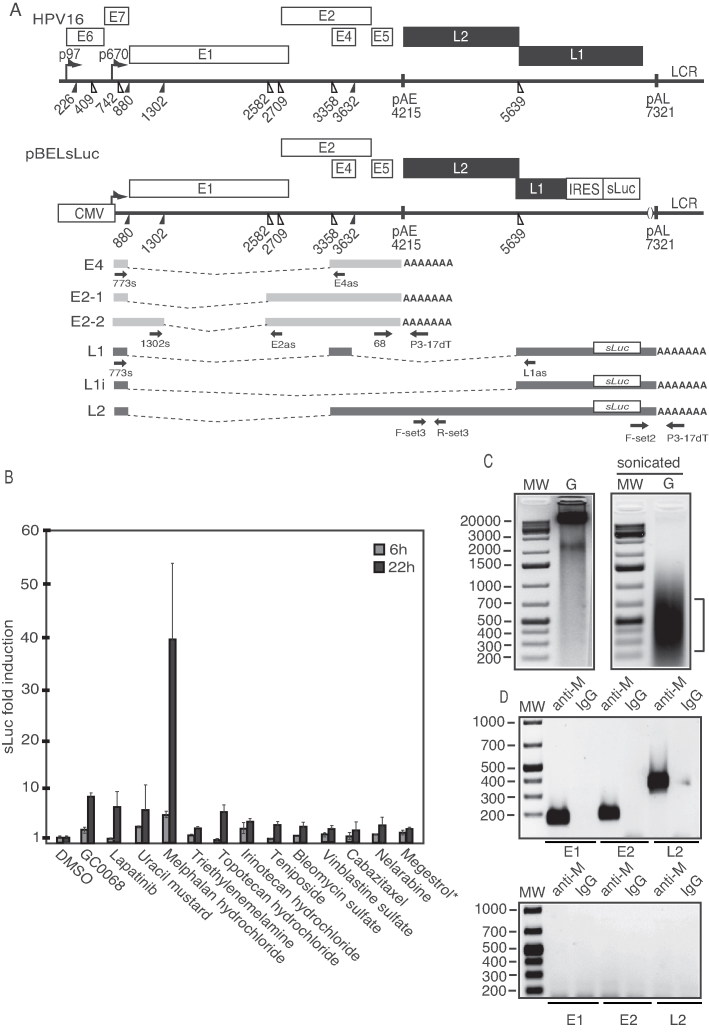
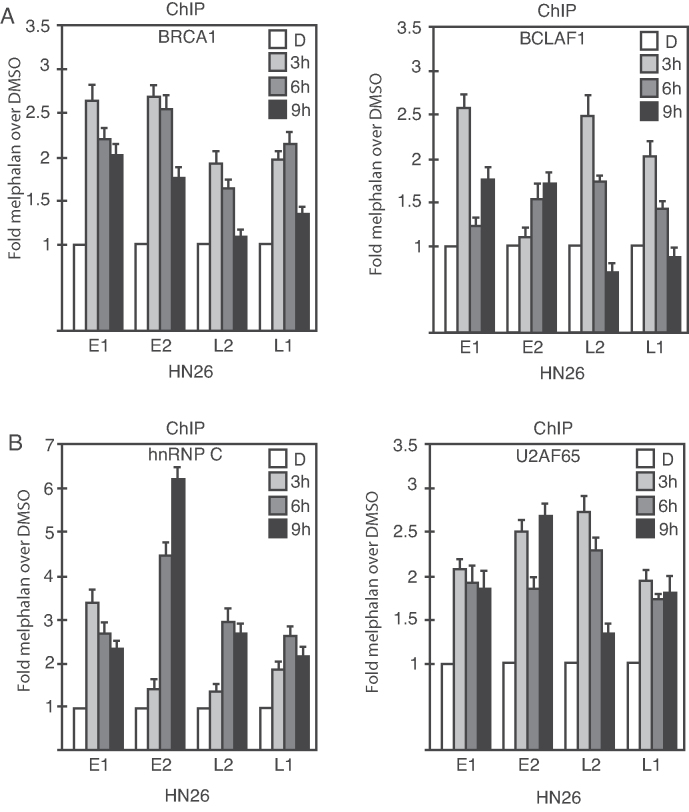
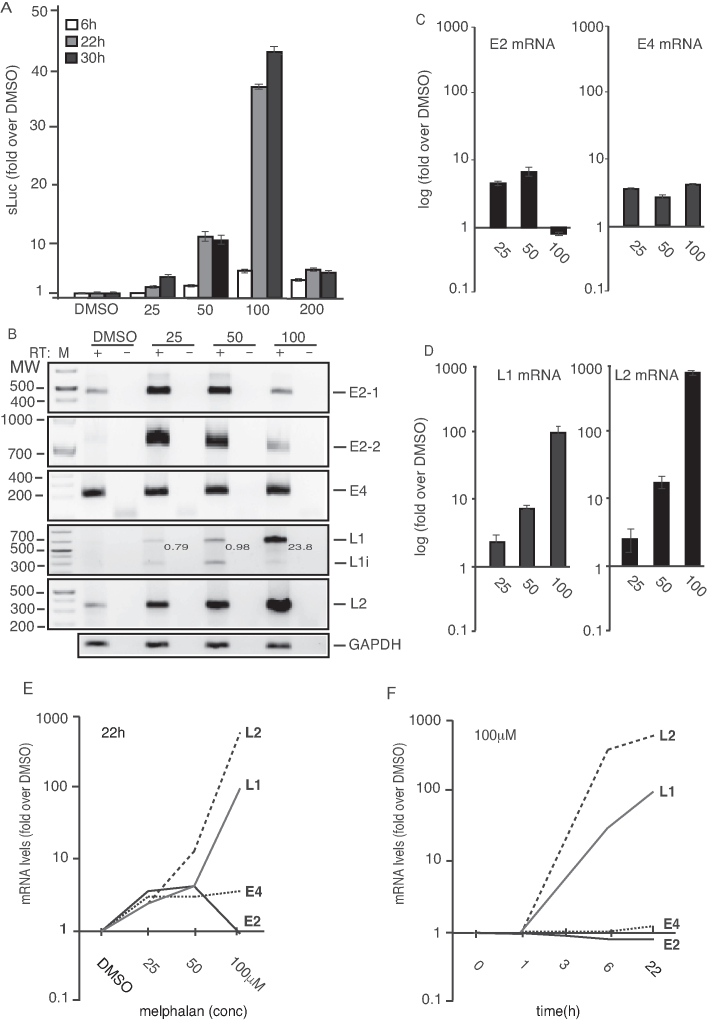
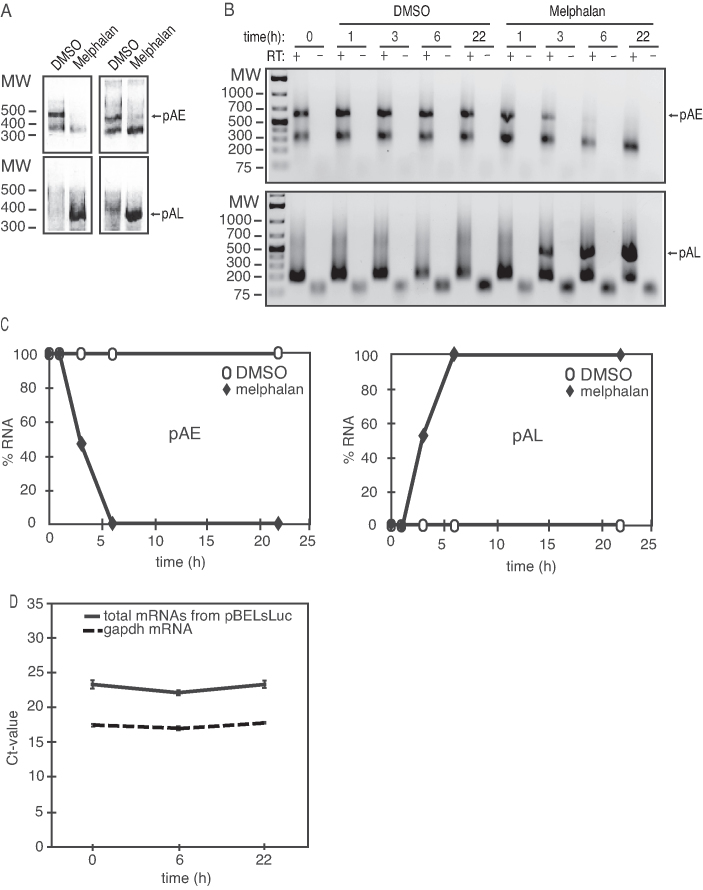
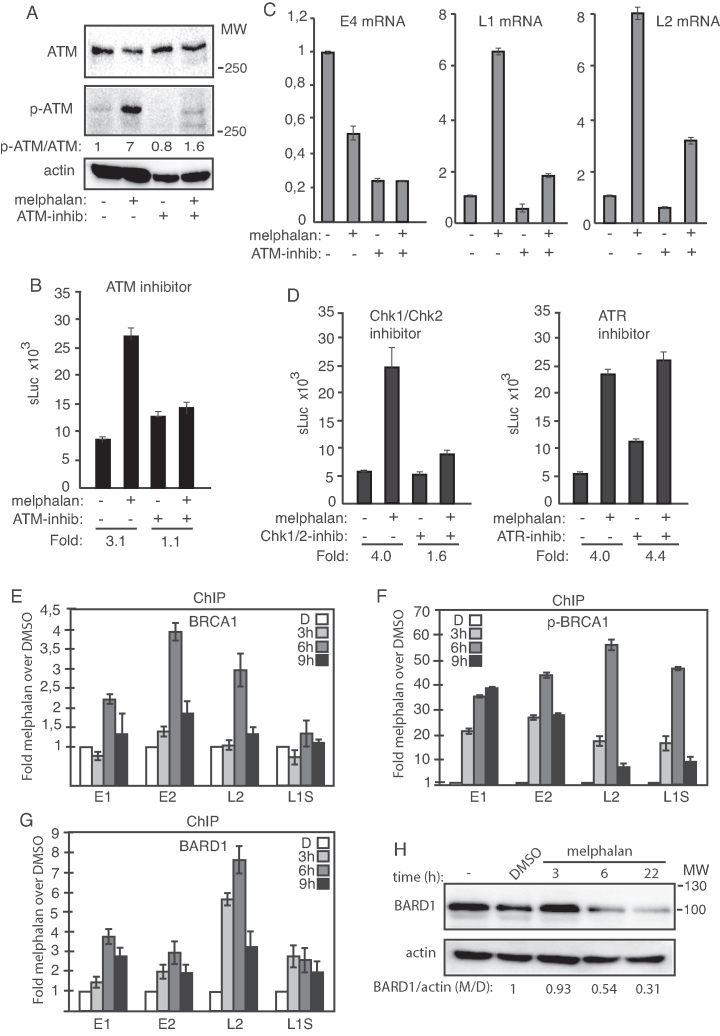
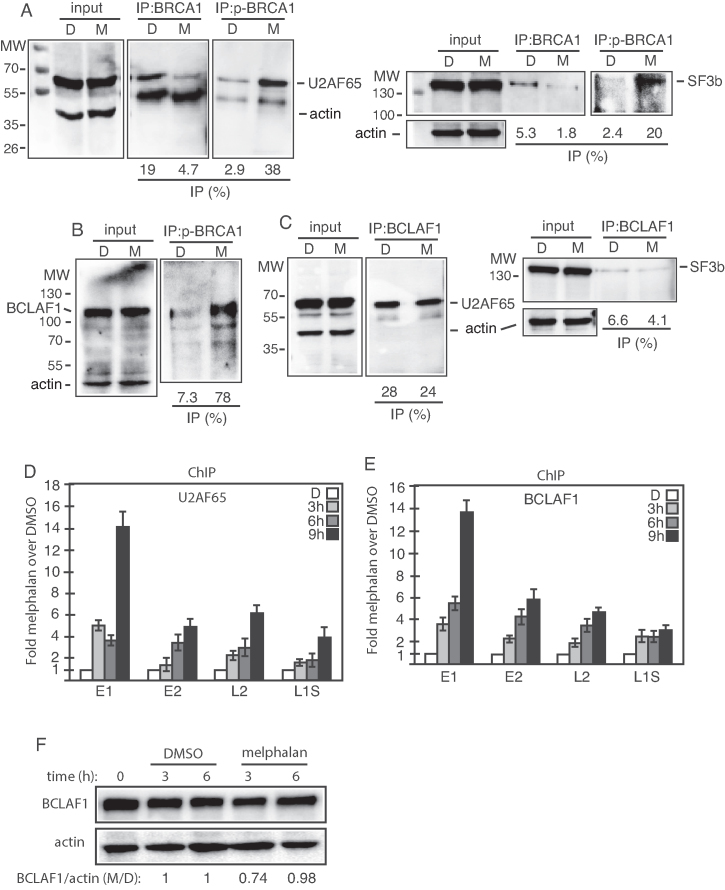
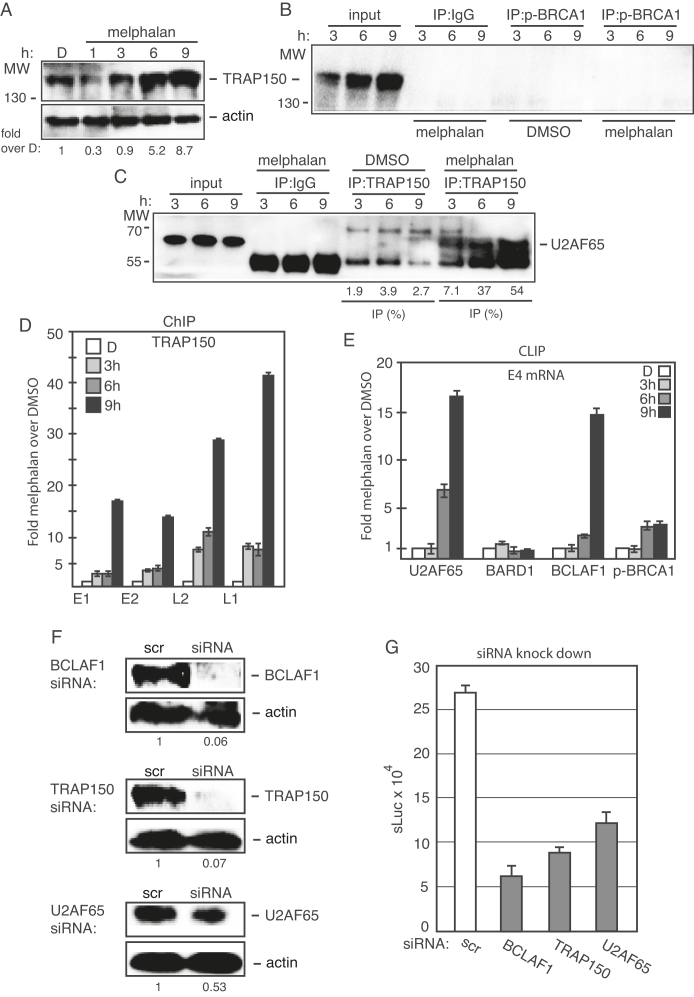
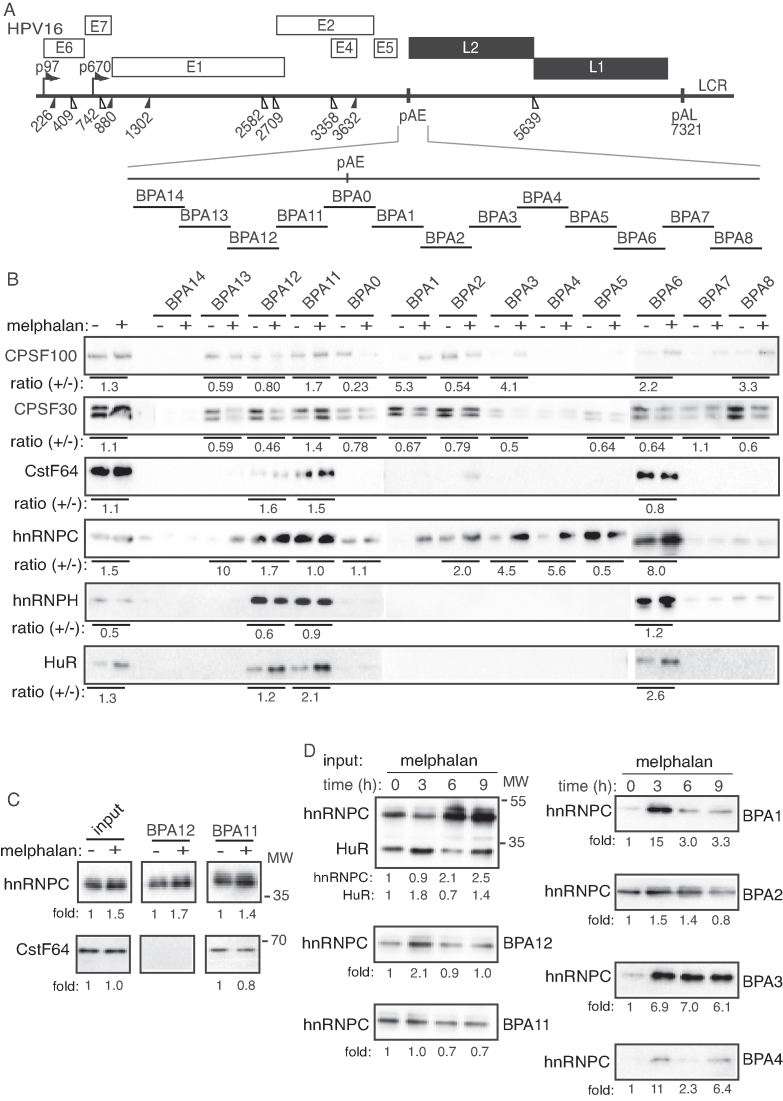
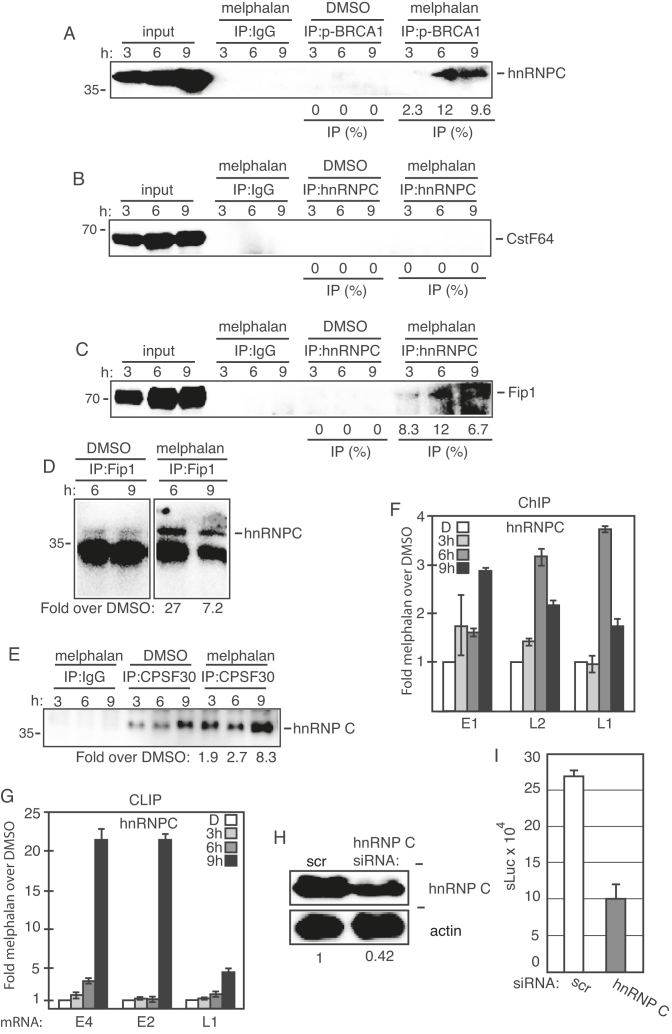
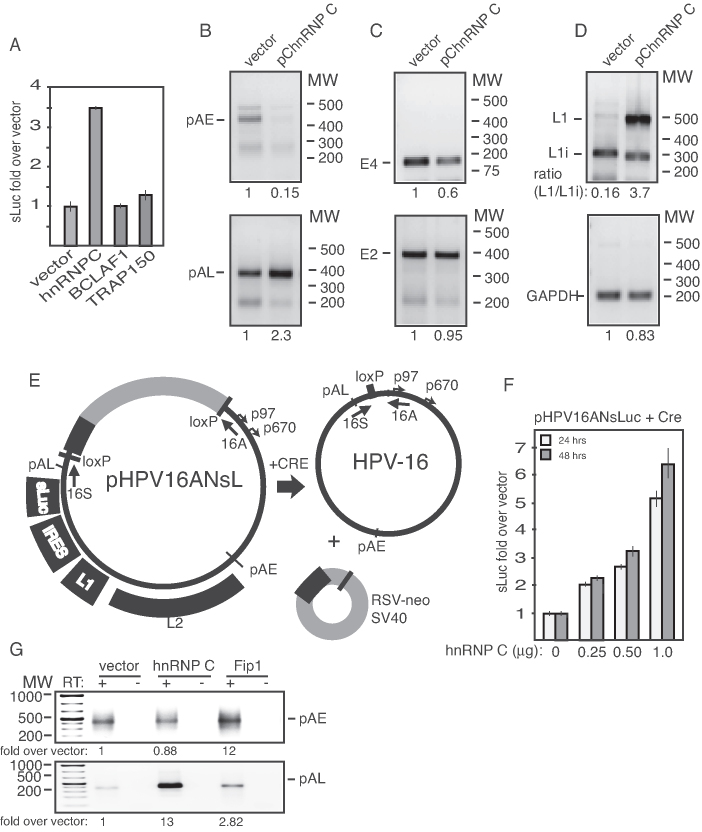
We show that the alkylating cancer drug melphalan activated the DNA damage response and induced human papillomavirus type 16 (HPV16) late gene expression in an ATM- and Chk1/2-dependent manner. Activation of HPV16 late gene expression included inhibition of the HPV16 early polyadenylation signal that resulted in read-through into the late region of HPV16. This was followed by activation of the exclusively late, HPV16 splice sites SD3632 and SA5639 and production of spliced late L1 mRNAs. Altered HPV16 mRNA processing was paralleled by increased association of phosphorylated BRCA1, BARD1, BCLAF1 and TRAP150 with HPV16 DNA, and increased association of RNA processing factors U2AF65 and hnRNP C with HPV16 mRNAs. These RNA processing factors inhibited HPV16 early polyadenylation and enhanced HPV16 late mRNA splicing, thereby activating HPV16 late gene expression.
我们证明烷化剂抗癌药物美法仑(melphalan)通过 ATM 和 Chk1/2 依赖性方式激活 DNA 损伤反应并诱导人乳头瘤病毒 16 型(HPV16)晚期基因表达。HPV16 晚期基因表达的激活包括抑制 HPV16 早期聚腺苷酸化信号,从而导致通读进入 HPV16 的晚期区域。随后,特异性晚期 HPV16 剪接位点 SD3632 和 SA5639 被激活,并产生剪接的晚期 L1 mRNA。HPV16 mRNA 加工的改变伴随着磷酸化 BRCA1、BARD1、BCLAF1 和 TRAP150 与 HPV16 DNA 的结合增加,以及 RNA 加工因子 U2AF65 和 hnRNP C 与 HPV16 mRNA 的结合增加。这些 RNA 加工因子抑制 HPV16 早期聚腺苷酸化并增强 HPV16 晚期 mRNA 剪接,从而激活 HPV16 晚期基因表达。