Bakolis Ioannis, Hammoud Ryan, Smythe Michael, Gibbons Johanna, Davidson Neil, Tognin Stefania, Mechelli Andrea
Lecturer, PhD student at the Institute of Psychiatry, Psychology and Neuroscience at King's College London, United Kingdom.
PhD student at the Institute of Psychiatry, Psychology and Neuroscience at King's College London, United Kingdom.
Bioscience. 2018 Feb 1;68(2):134-145. doi: 10.1093/biosci/bix149. Epub 2018 Jan 10.
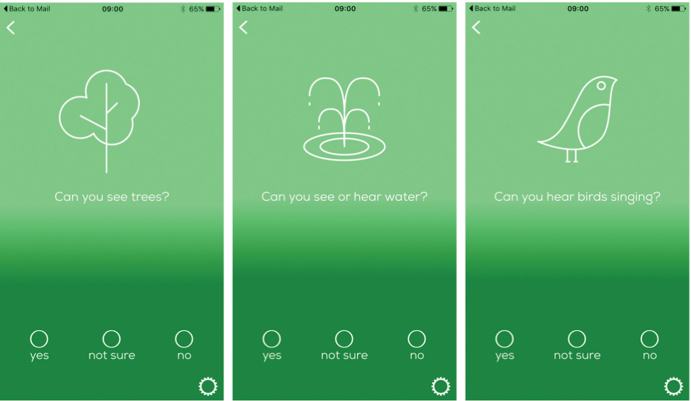
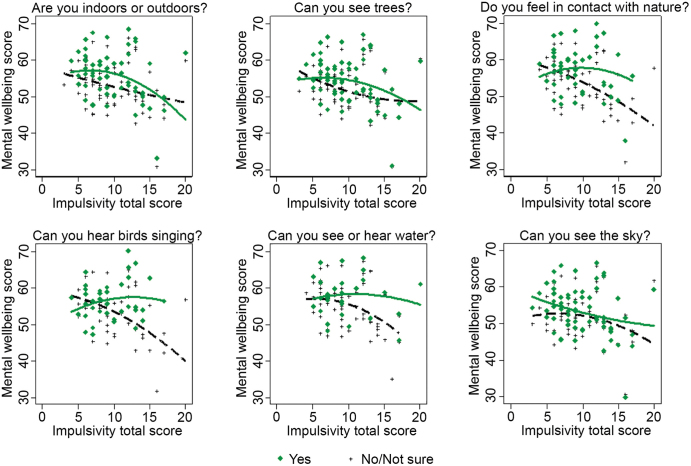
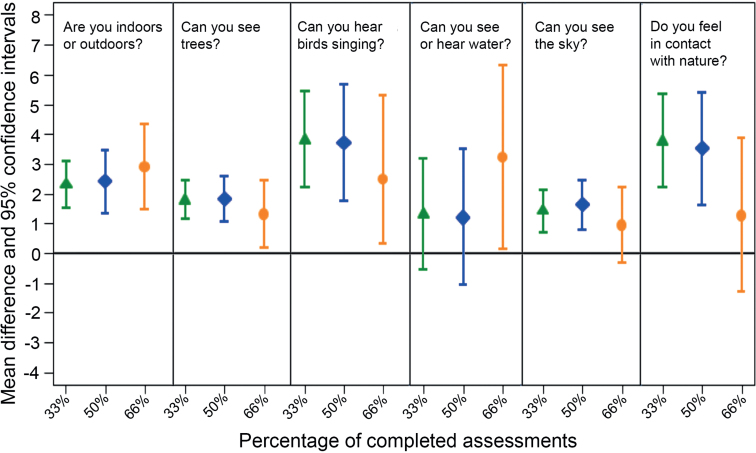
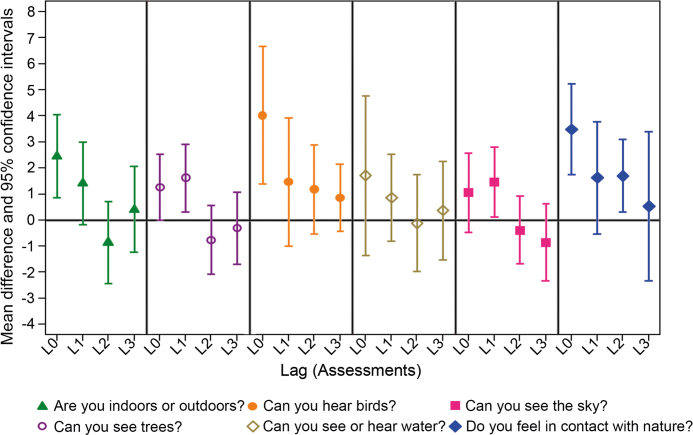
Existing evidence on the beneficial effects of nature on mental health comes from studies using cross-sectional designs. We developed a smartphone-based tool (Urban Mind; ) to examine how exposure to natural features within the built environment affects mental well-being in real time. The tool was used to monitor 108 individuals who completed 3013 assessments over a 1-week period. Significant immediate and lagged associations with mental well-being were found for several natural features. These associations were stronger in people with higher trait impulsivity, a psychological measure of one's tendency to behave with little forethought or consideration of the consequences, which is indicative of a higher risk of developing mental-health issues. Our investigation suggests that the benefits of nature on mental well-being are time-lasting and interact with an individual's vulnerability to mental illness. These findings have potential implications from the perspectives of global mental health as well as urban planning and design.
现有关于自然对心理健康有益影响的证据来自采用横断面设计的研究。我们开发了一种基于智能手机的工具(城市心灵;)来实时研究接触建成环境中的自然要素如何影响心理健康。该工具用于监测108名个体,他们在1周内完成了3013次评估。发现几种自然要素与心理健康存在显著的即时和滞后关联。这些关联在特质冲动性较高的人群中更强,特质冲动性是衡量一个人行为时很少预先思考或考虑后果的心理指标,这表明患心理健康问题的风险更高。我们的调查表明,自然对心理健康的益处是持久的,并且与个体患精神疾病的易感性相互作用。这些发现从全球心理健康以及城市规划和设计的角度来看具有潜在意义。