Wu Yuzhou, Hou Jiexi, Yu Fen, Nguyen Suong T T, McCurdy David W
Centre for Plant Science, School of Environmental and Life Sciences, University of Newcastle, Callaghan, NSW, Australia.
Jiangxi Provincial Key Laboratory for Bamboo Germplasm Resources and Utilization, Jiangxi Agricultural University, Nanchang, China.
Front Plant Sci. 2018 Mar 15;9:341. doi: 10.3389/fpls.2018.00341. eCollection 2018.
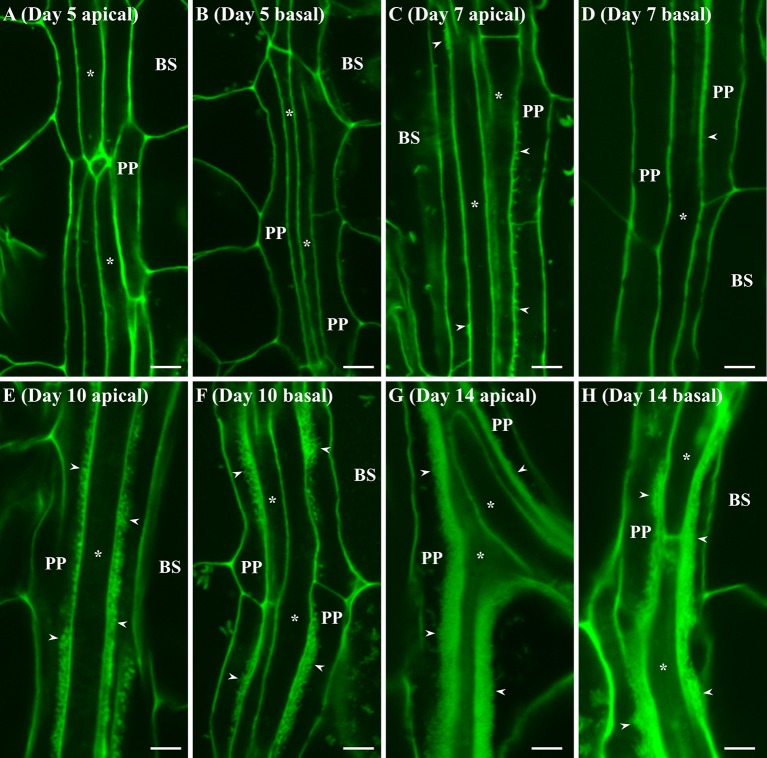
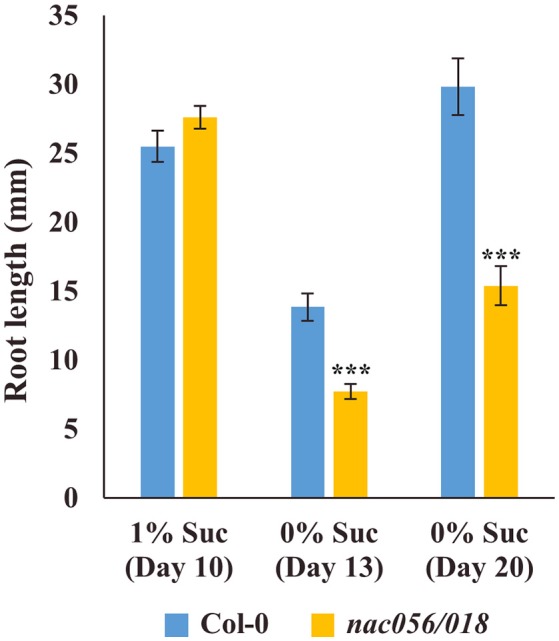
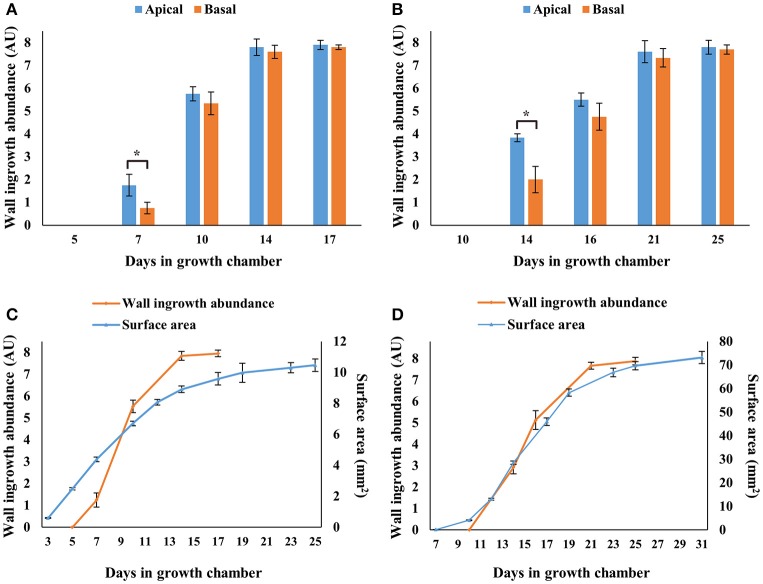
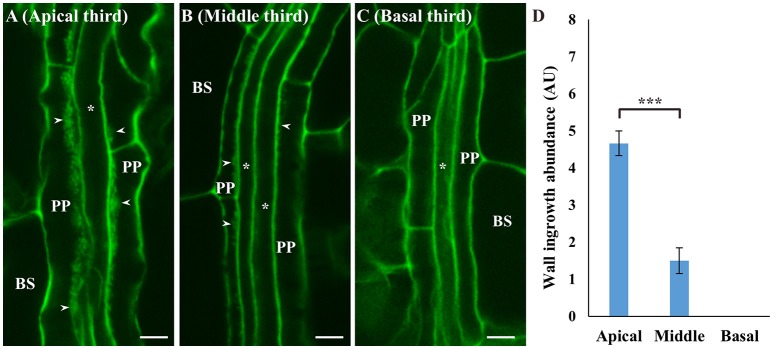
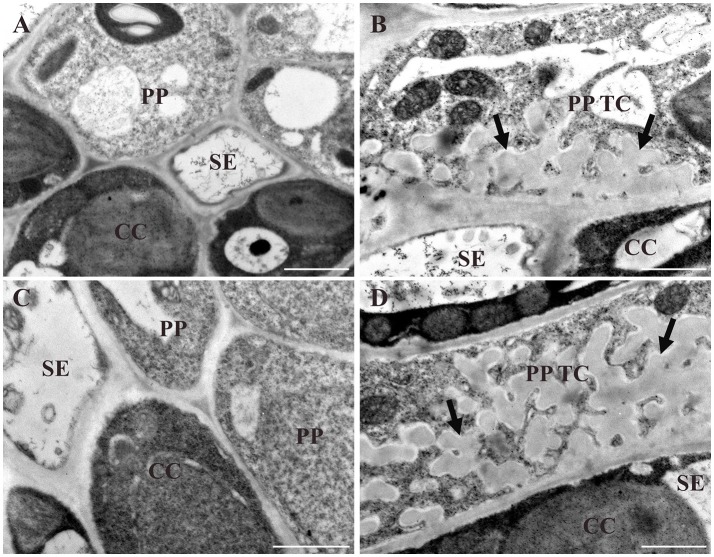
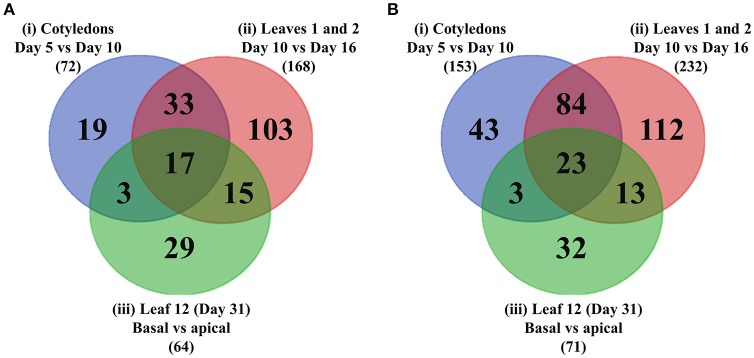
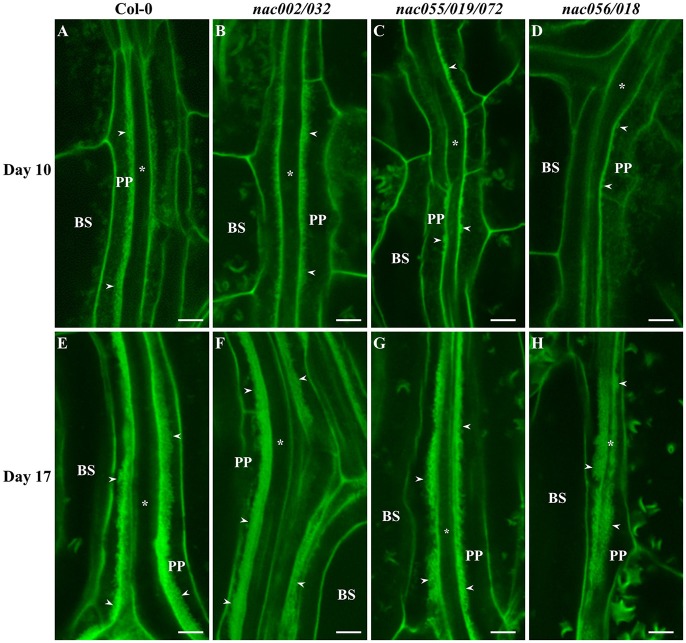
Transfer cells (TCs) play important roles in facilitating enhanced rates of nutrient transport at key apoplasmic/symplasmic junctions along the nutrient acquisition and transport pathways in plants. TCs achieve this capacity by developing elaborate wall ingrowth networks which serve to increase plasma membrane surface area thus increasing the cell's surface area-to-volume ratio to achieve increased flux of nutrients across the plasma membrane. Phloem parenchyma (PP) cells of Arabidopsis leaf veins -differentiate to become PP TCs which likely function in a two-step phloem loading mechanism by facilitating unloading of photoassimilates into the apoplasm for subsequent energy-dependent uptake into the sieve element/companion cell (SE/CC) complex. We are using PP TCs in Arabidopsis as a genetic model to identify transcription factors involved in coordinating deposition of the wall ingrowth network. Confocal imaging of pseudo-Schiff propidium iodide-stained tissue revealed different profiles of temporal development of wall ingrowth deposition across maturing cotyledons and juvenile leaves, and a basipetal gradient of deposition across mature adult leaves. RNA-Seq analysis was undertaken to identify differentially expressed genes common to these three different profiles of wall ingrowth deposition. This analysis identified 68 transcription factors up-regulated two-fold or more in at least two of the three experimental comparisons, with six of these transcription factors belonging to Clade III of the NAC-domain family. Phenotypic analysis of these genes using insertional mutants revealed significant reductions in levels of wall ingrowth deposition, particularly in a double mutant of and , as well as compromised sucrose-dependent root growth, indicating impaired capacity for phloem loading. Collectively, these results support the proposition that Clade III members of the NAC-domain family in Arabidopsis play important roles in regulating wall ingrowth deposition in PP TCs.
传递细胞(TCs)在促进植物营养获取和运输途径中关键质外体/共质体连接处营养物质运输速率提高方面发挥着重要作用。传递细胞通过形成精细的壁内突网络来实现这一能力,这些网络增加了质膜表面积,从而提高了细胞的表面积与体积比,以实现营养物质跨质膜通量的增加。拟南芥叶脉的韧皮薄壁细胞(PP)分化成为PP传递细胞,它们可能通过促进光合同化物卸载到质外体中,以便随后依赖能量摄取到筛管分子/伴胞(SE/CC)复合体中,在两步韧皮部装载机制中发挥作用。我们将拟南芥中的PP传递细胞作为遗传模型,以鉴定参与协调壁内突网络沉积的转录因子。对经假希夫碘化丙啶染色的组织进行共聚焦成像,揭示了成熟子叶和幼叶中壁内突沉积的不同时间发育模式,以及成熟成年叶中沉积的向基梯度。进行RNA测序分析以鉴定这三种不同壁内突沉积模式共有的差异表达基因。该分析鉴定出68个转录因子在三个实验比较中的至少两个中上调两倍或更多,其中六个转录因子属于NAC结构域家族的III类。使用插入突变体对这些基因进行表型分析,发现壁内突沉积水平显著降低,特别是在[具体基因1]和[具体基因2]的双突变体中,以及蔗糖依赖性根生长受损,表明韧皮部装载能力受损。总体而言,这些结果支持了拟南芥中NAC结构域家族III类成员在调节PP传递细胞中壁内突沉积方面发挥重要作用的观点。