Seta Hiroya, Maki Daisuke, Kazuno Akihito, Yamato Ippei, Nakajima Nobuyuki, Soeda Shuichi, Uchiyama Yoshiyasu, Tamaki Tetsuro
Muscle Physiology & Cell Biology Unit, Tokai University School of Medicine, 143 Shimokasuya, Isehara, Kanagawa 259-1193, Japan.
Department of Human Structure and Function, Tokai University School of Medicine, 143 Shimokasuya, Isehara, Kanagawa 259-1193, Japan.
J Clin Med. 2018 Apr 2;7(4):67. doi: 10.3390/jcm7040067.
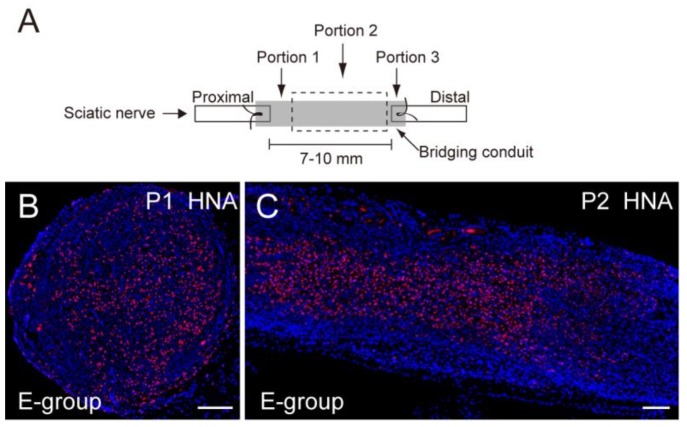
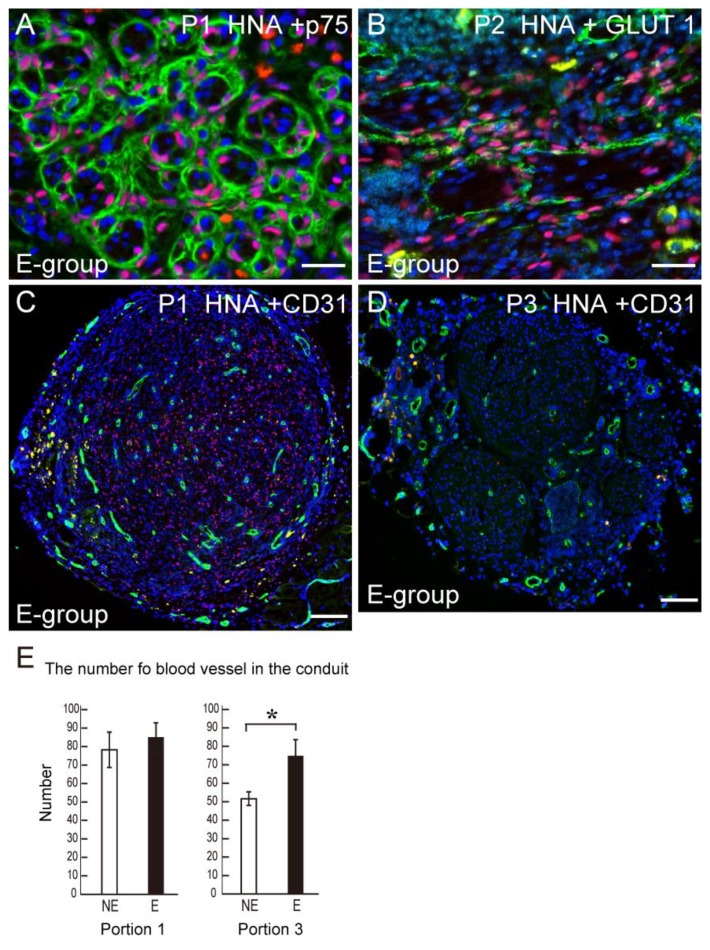
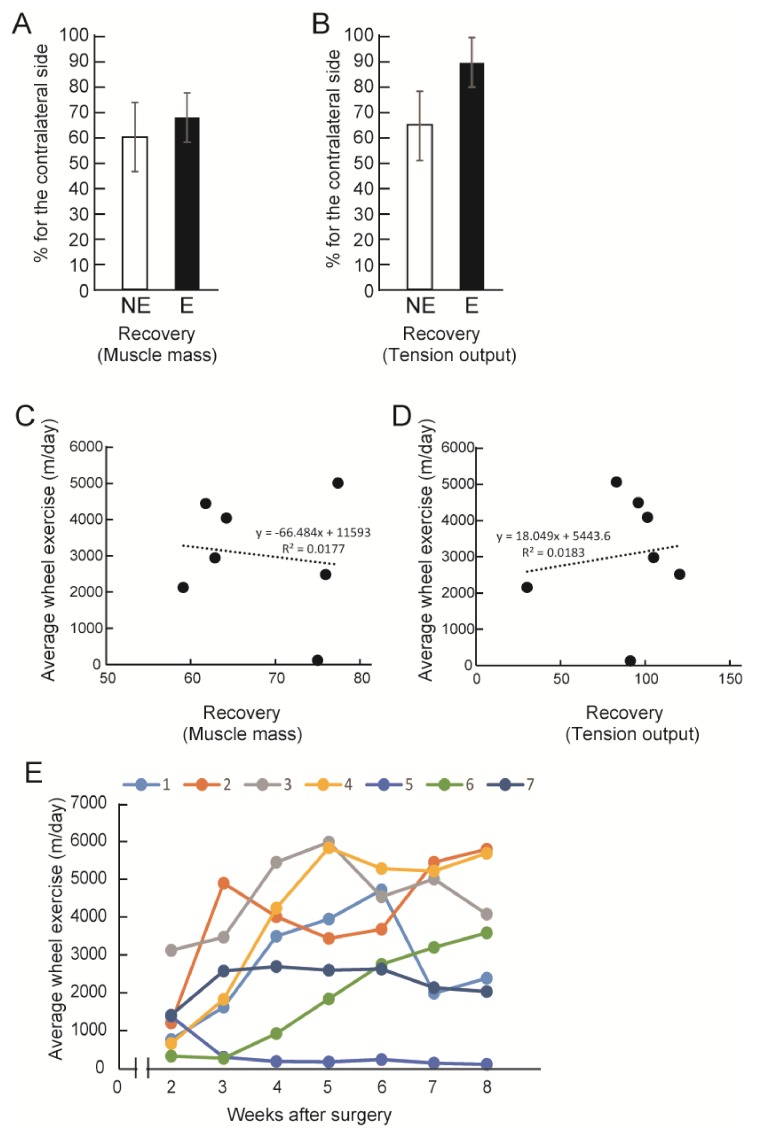
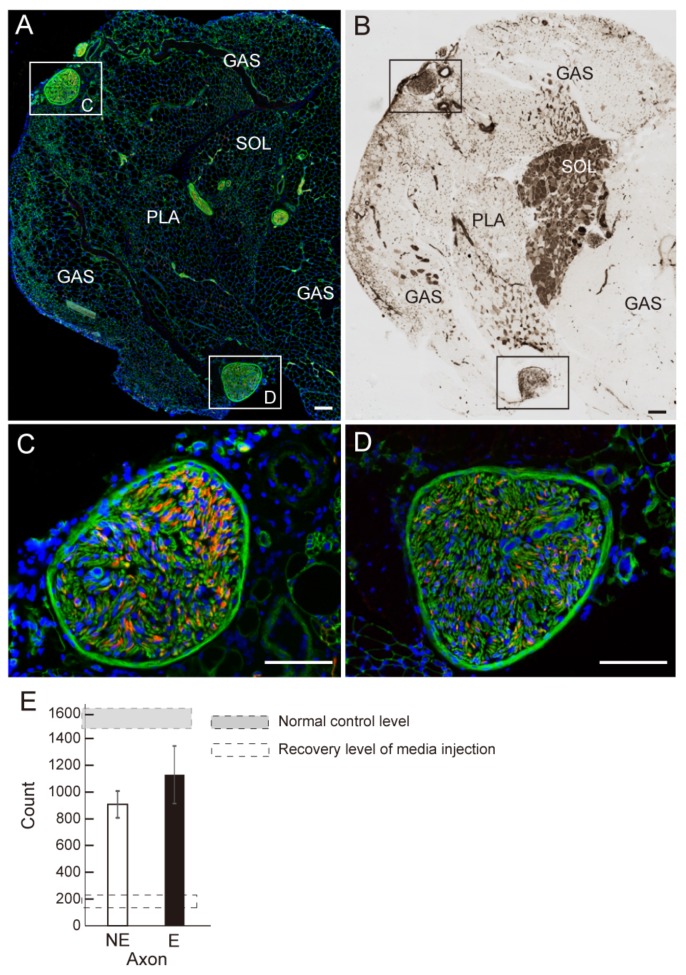
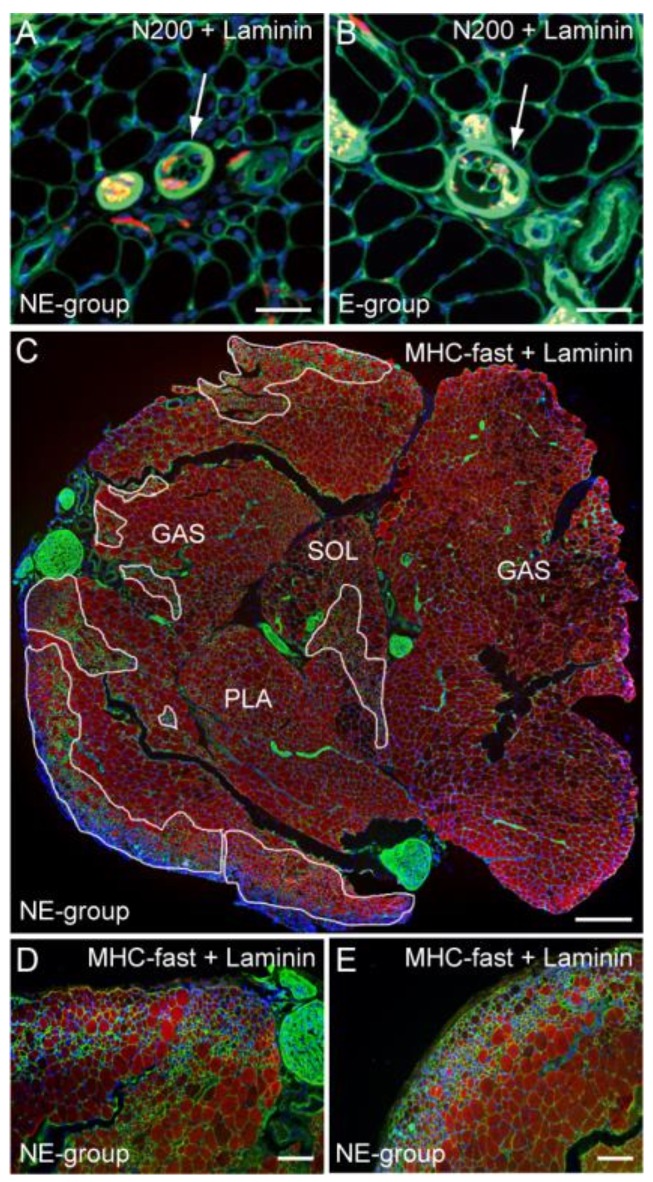
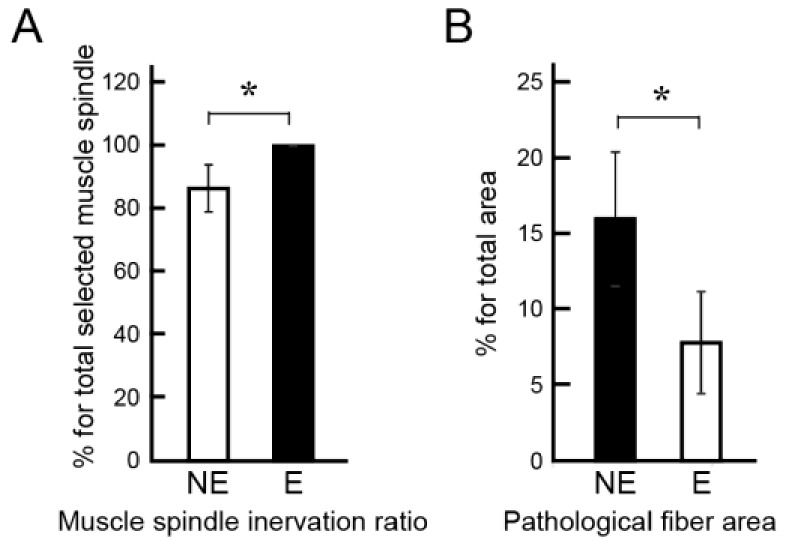
The therapeutic effects of voluntary exercise on the recovery of long-gap nerve injury following the bridging of an acellular conduit filled with human skeletal muscle-derived stem cells (Sk-SCs) have been described. Human Sk-SCs were sorted as CD34⁺/45 (Sk-34) cells, then cultured/expanded under optimal conditions for 2 weeks. Surgery to generate a long-gap sciatic nerve injury was performed in athymic nude mice, after which the mice were divided into exercise (E) and non-exercise (NE) groups. The mice were housed in standard individual cages, and voluntary exercise wheels were introduced to the cages of the E group one week after surgery. After 8 weeks, the human Sk-34 cells were actively engrafted, and showed differentiation into Schwann cells and perineurial cells, in both groups. The recovery in the number of axons and myelin in the conduit and downstream tibial nerve branches, and the lower hindlimb muscle mass and their tension output, was consistently higher by 15-25% in the E group. Moreover, a significantly higher innervation ratio of muscle spindles, reduced pathological muscle fiber area, and acceleration of blood vessel formation in the conduit were each observed in the E group. These results showed that the combined therapy of tube-bridging, Sk-34 cell transplantation, and voluntary exercise is a potentially practical approach for recovery following long-gap nerve injury.
已经描述了自愿运动对填充有人骨骼肌来源干细胞(Sk-SCs)的脱细胞导管桥接后长节段神经损伤恢复的治疗效果。将人Sk-SCs分选成CD34⁺/45(Sk-34)细胞,然后在最佳条件下培养/扩增2周。在无胸腺裸鼠中进行造成长节段坐骨神经损伤的手术,之后将小鼠分为运动(E)组和非运动(NE)组。小鼠饲养在标准的单独笼子中,术后1周在E组的笼子中引入自愿运动轮。8周后,两组中人类Sk-34细胞均积极植入,并显示分化为雪旺细胞和神经束膜细胞。E组中,导管和下游胫神经分支中的轴突和髓鞘数量的恢复,以及后肢下部肌肉质量及其张力输出,始终高出15%-25%。此外,在E组中分别观察到肌梭的神经支配率显著更高、病理性肌纤维面积减小以及导管中血管形成加速。这些结果表明,导管桥接、Sk-34细胞移植和自愿运动的联合治疗是长节段神经损伤后恢复的一种潜在实用方法。