INSERM UMR1170, Villejuif, France.
Université Paris-Saclay, Paris, France.
J Exp Med. 2018 May 7;215(5):1463-1480. doi: 10.1084/jem.20170997. Epub 2018 Apr 3.
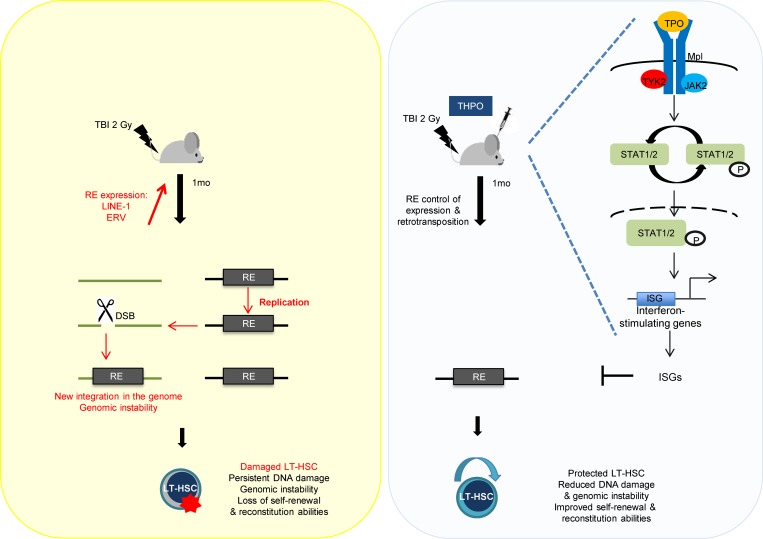
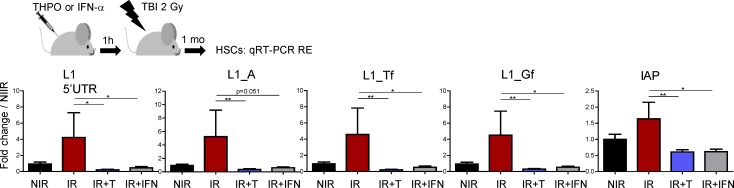
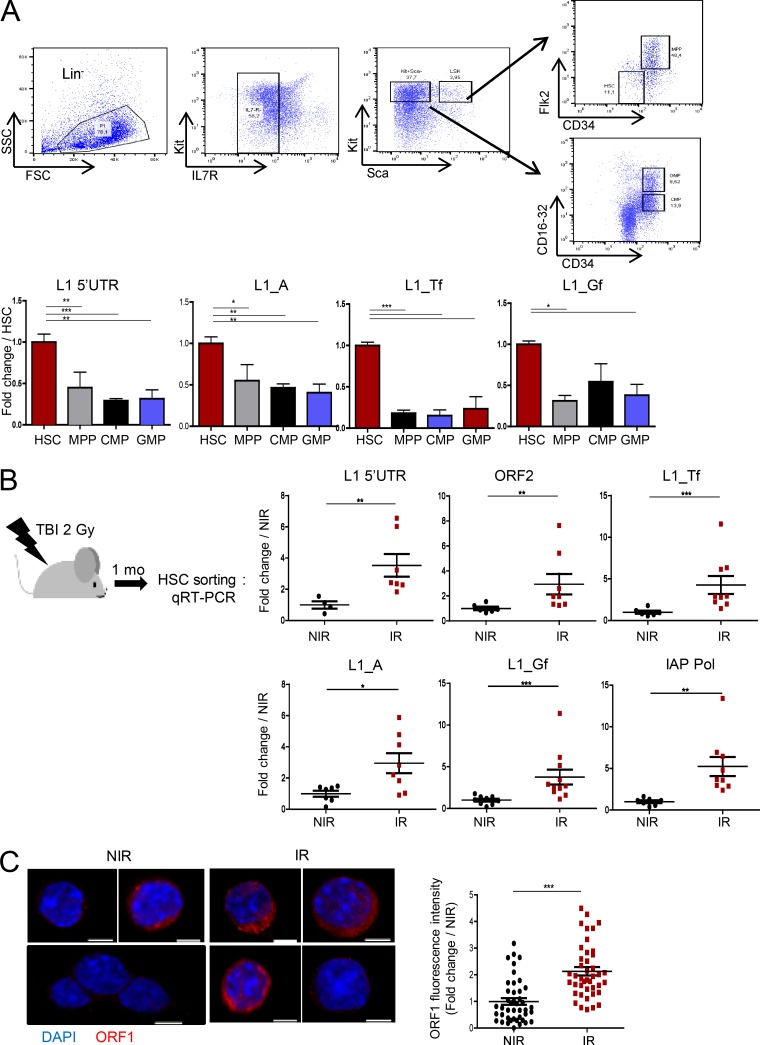
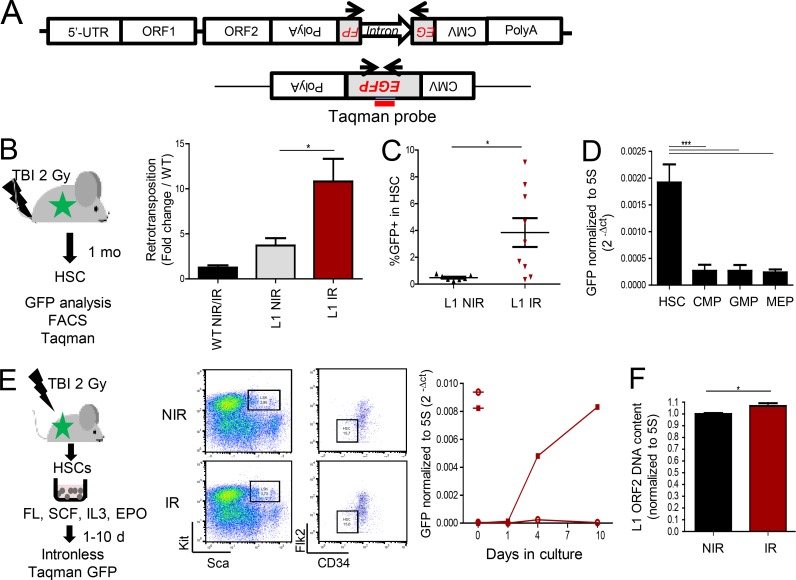
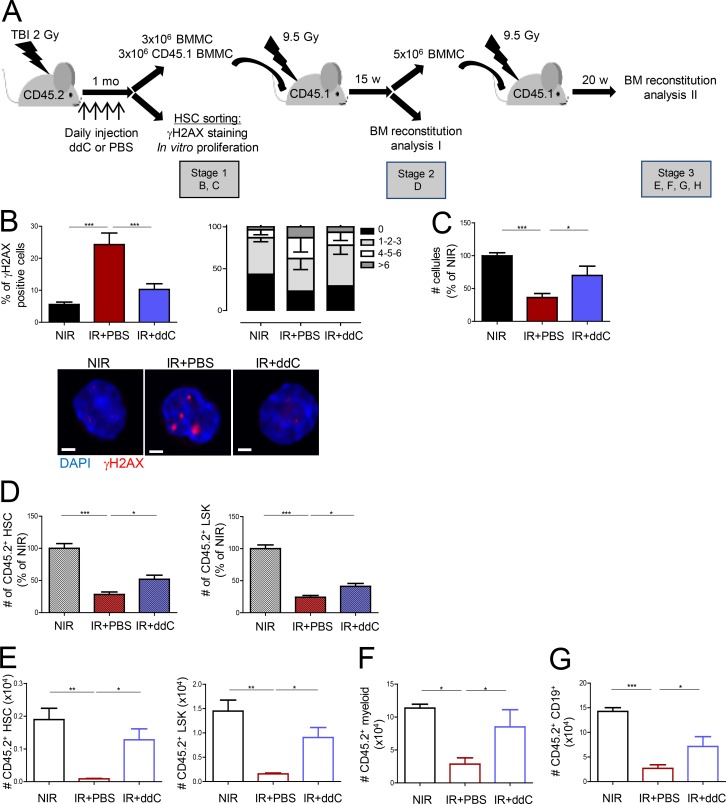
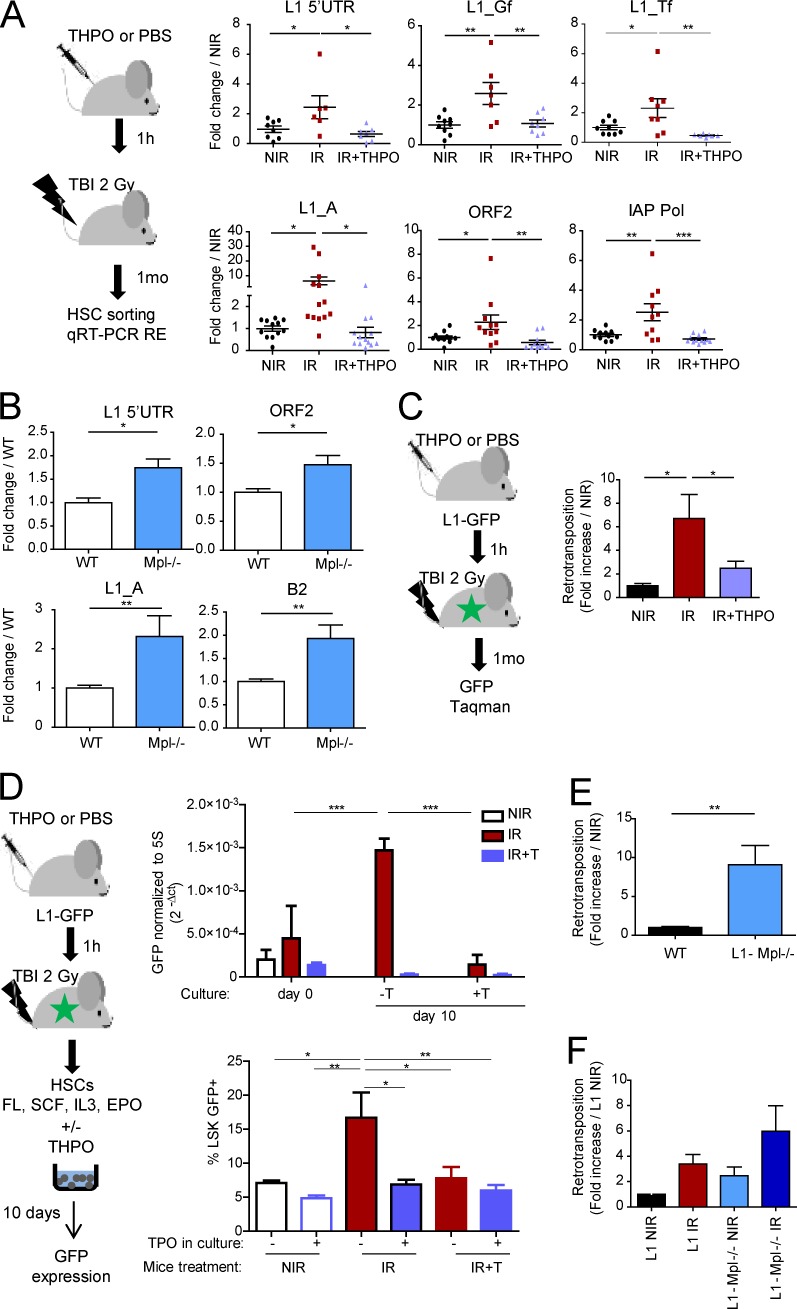
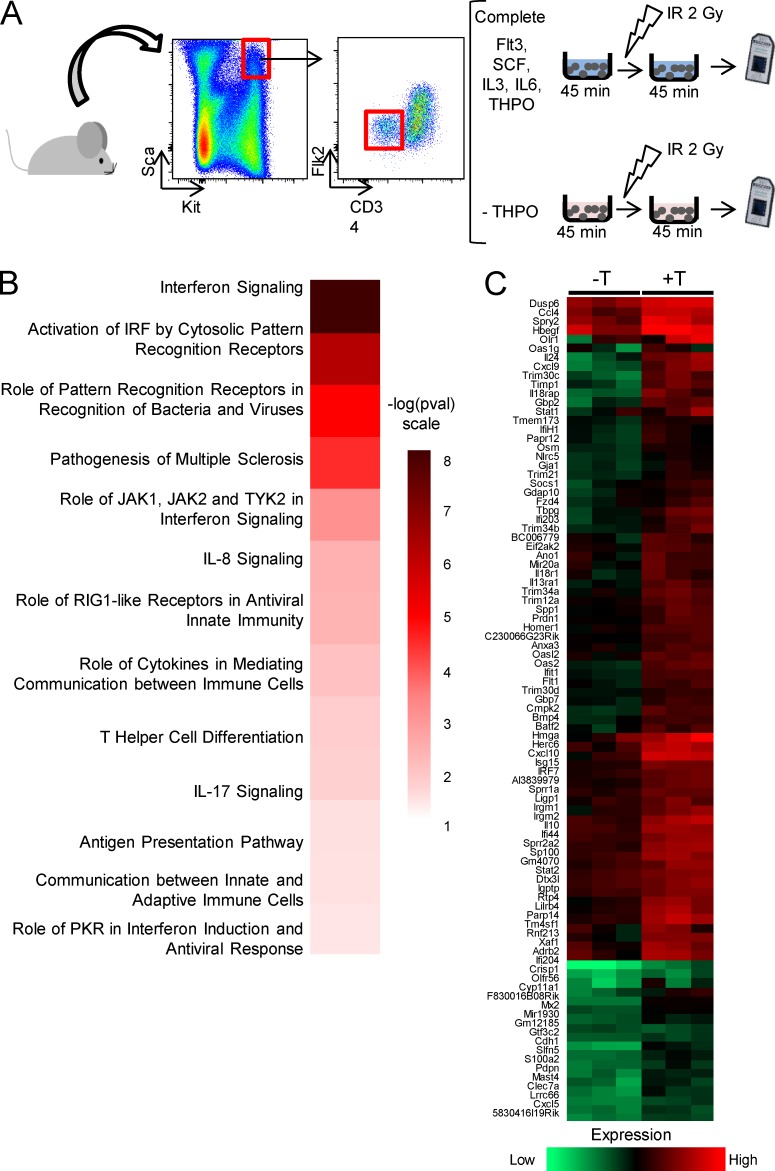
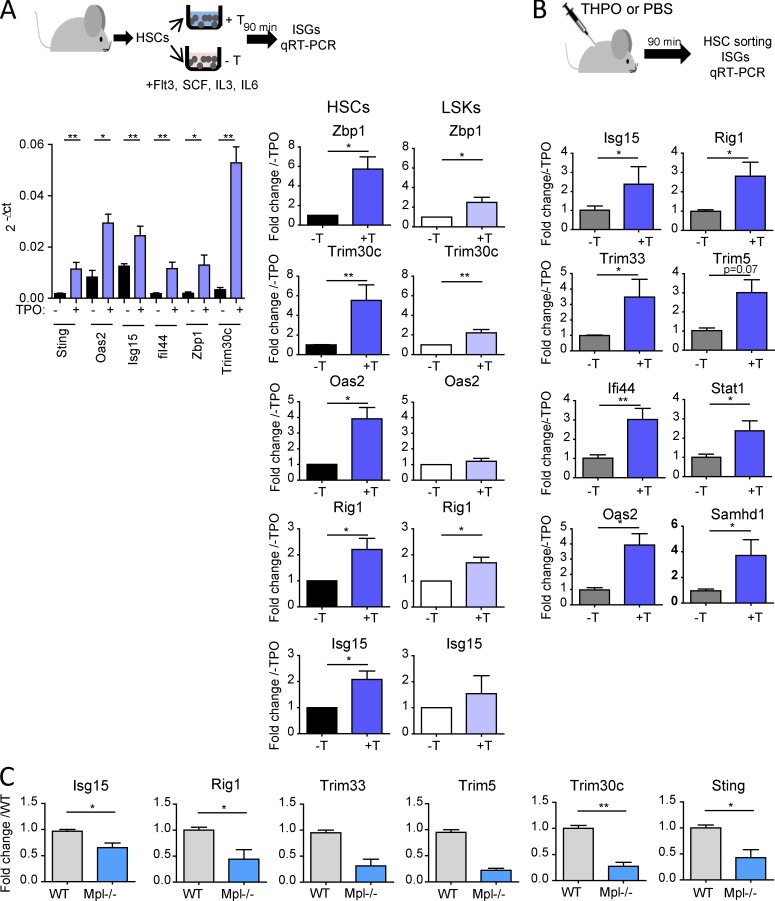
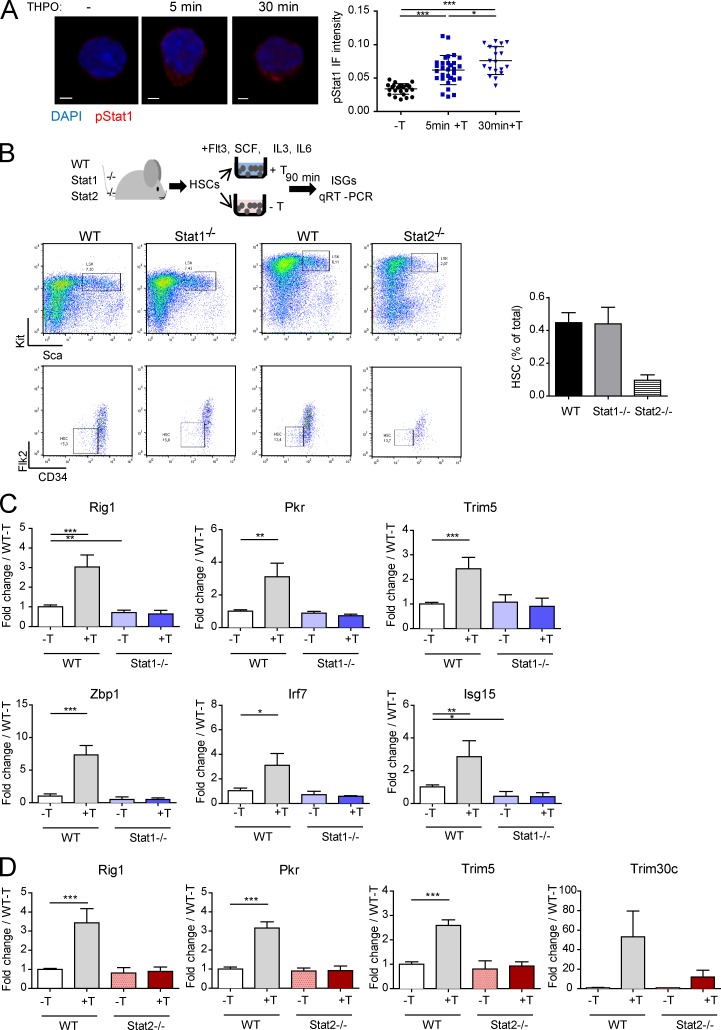
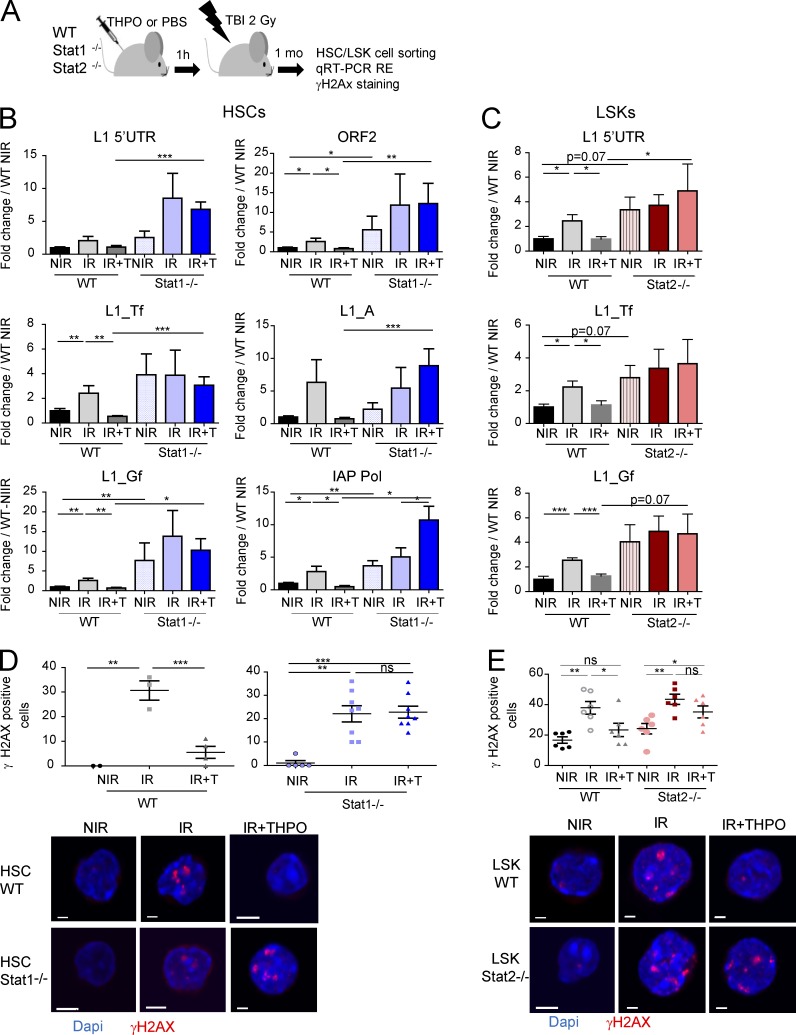
Maintenance of genomic integrity is crucial for the preservation of hematopoietic stem cell (HSC) potential. Retrotransposons, spreading in the genome through an RNA intermediate, have been associated with loss of self-renewal, aging, and DNA damage. However, their role in HSCs has not been addressed. Here, we show that mouse HSCs express various retroelements (REs), including long interspersed element-1 (L1) recent family members that further increase upon irradiation. Using mice expressing an engineered human L1 retrotransposition reporter cassette and reverse transcription inhibitors, we demonstrate that L1 retransposition occurs in vivo and is involved in irradiation-induced persistent γH2AX foci and HSC loss of function. Thus, RE represents an important intrinsic HSC threat. Furthermore, we show that RE activity is restrained by thrombopoietin, a critical HSC maintenance factor, through its ability to promote a potent interferon-like, antiviral gene response in HSCs. This uncovers a novel mechanism allowing HSCs to minimize irradiation-induced injury and reinforces the links between DNA damage, REs, and antiviral immunity.
维持基因组完整性对于保持造血干细胞(HSC)潜能至关重要。逆转录转座子通过 RNA 中间体在基因组中扩散,与自我更新能力丧失、衰老和 DNA 损伤有关。然而,它们在 HSCs 中的作用尚未得到解决。在这里,我们表明,小鼠 HSCs 表达各种逆转录元件(RE),包括长散布元件-1(L1)的近期家族成员,这些成员在受到照射后进一步增加。使用表达工程化的人类 L1 逆转座子报告基因盒和反转录抑制剂的小鼠,我们证明 L1 再转座在体内发生,并参与辐射诱导的持续 γH2AX 焦点和 HSC 功能丧失。因此,RE 代表了一个重要的内在 HSC 威胁。此外,我们表明,RE 活性受到血小板生成素的限制,血小板生成素是一种关键的 HSC 维持因子,它能够在 HSCs 中促进强烈的干扰素样抗病毒基因反应。这揭示了一种新的机制,使 HSCs 能够最大限度地减少辐射引起的损伤,并加强了 DNA 损伤、RE 和抗病毒免疫之间的联系。