Departments of Cell Biology, University of Alberta, Edmonton, Canada.
Departments of Medicine, University of Alberta, Edmonton, Canada.
Sci Rep. 2018 Apr 3;8(1):5477. doi: 10.1038/s41598-018-23899-x.
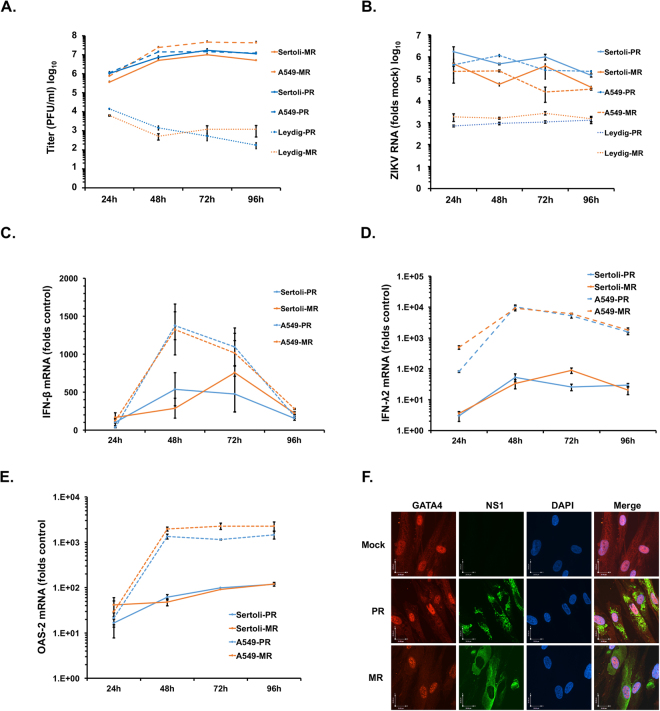
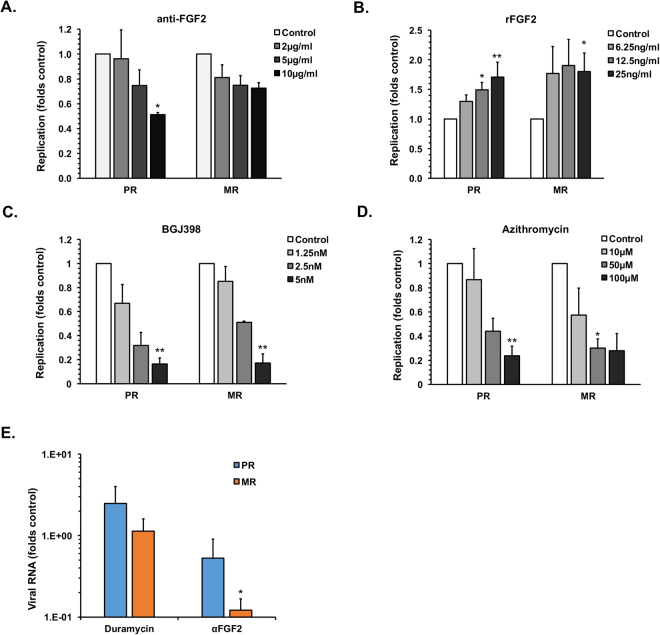
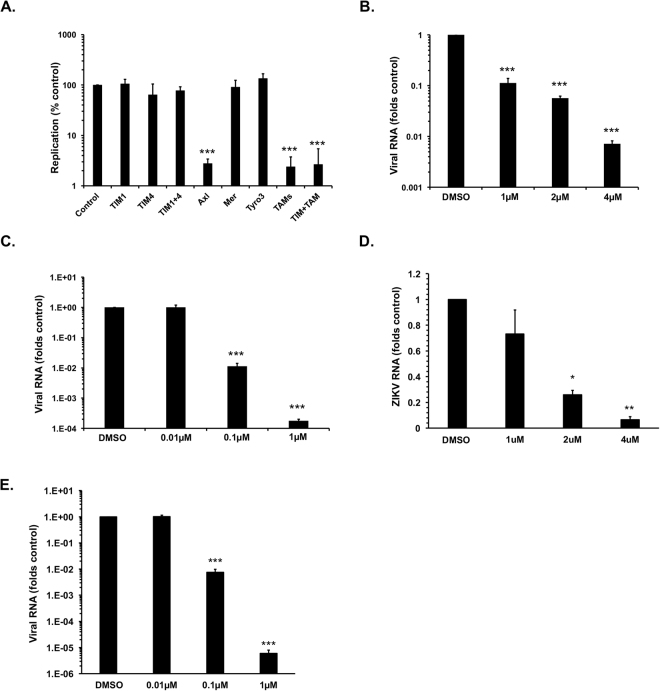
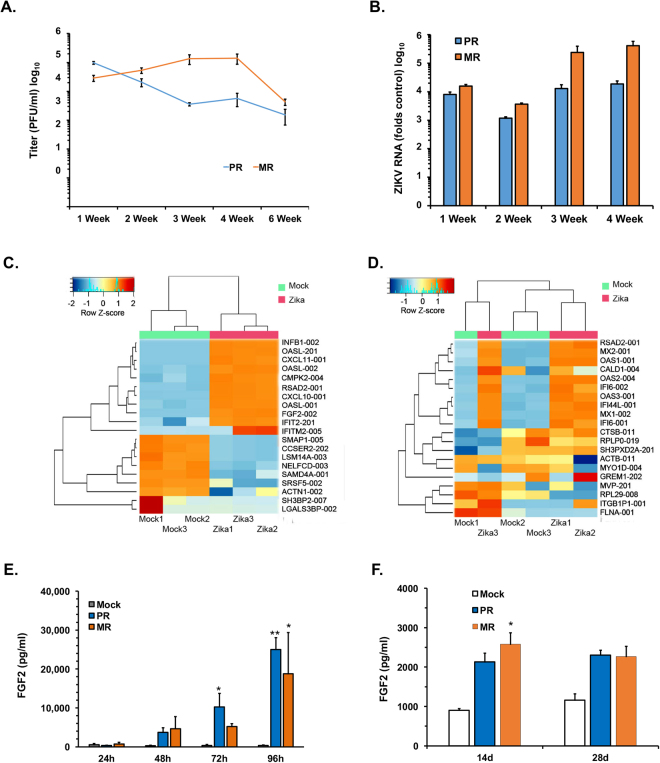
Zika virus is a teratogenic mosquito-transmitted flavivirus that is associated with birth defects in newborns and Guillain-Barré syndrome in adults. The virus can also be sexually transmitted, but currently, very little is known about the cell types supporting virus replication and persistence in human testes. Using primary cell cultures, we observed that Sertoli but not Leydig cells are highly susceptible to Zika virus infection, a process that is dependent on the TAM family receptor Axl. In cell culture, Sertoli cells could be productively infected with Zika virus for at least 6-weeks. Infection of Sertoli cells resulted in dramatic changes to the transcriptional profile of these cells. The most upregulated mRNA in infected cells was basic fibroblast growth factor (FGF2), a cytokine that was found to enhance Zika virus replication and support viral persistence. Together these findings provide key insights into understanding how Zika virus persists in the male reproductive tract and in turn may aid in developing antiviral therapies or strategies to minimize sexual transmission of this pathogen.
寨卡病毒是一种虫媒传播的黄病毒,与新生儿先天缺陷和成人吉兰-巴雷综合征有关。该病毒也可以通过性传播,但目前,人们对支持病毒在人类睾丸中复制和持续存在的细胞类型知之甚少。使用原代细胞培养,我们观察到只有支持细胞(Sertoli 细胞)而不是间质细胞(Leydig 细胞)容易受到寨卡病毒感染,这个过程依赖于 TAM 家族受体 Axl。在细胞培养中,Sertoli 细胞可以被寨卡病毒有效感染至少 6 周。寨卡病毒感染 Sertoli 细胞导致这些细胞的转录谱发生显著变化。受感染细胞中上调最明显的 mRNA 是碱性成纤维细胞生长因子(FGF2),一种细胞因子,它被发现可以增强寨卡病毒的复制并支持病毒的持续存在。这些发现为理解寨卡病毒如何在男性生殖道中持续存在提供了关键的见解,并可能有助于开发抗病毒疗法或策略来最小化这种病原体的性传播。