Biology of Vector-Borne Viruses Section, Laboratory of Virology, Rocky Mountain Laboratories, NIAID/NIH, Hamilton, MT 59840, USA.
Viruses. 2019 Jan 9;11(1):42. doi: 10.3390/v11010042.
Zika virus is a mosquito-borne flavivirus responsible for recent outbreaks of epidemic proportions in Latin America. Sexual transmission of the virus has been reported in 13 countries and may be an important route of infection. Sexual transmission of ZIKV has mostly been male-to-female, and persistence of viral RNA in semen for up to 370 days has been recorded. The susceptibility to ZIKV of different testicular cell types merits investigation.
We infected primary Sertoli cells, a primary testicular fibroblast Hs1.Tes, and 2 seminoma cell lines SEM-1 and TCam-2 cells with ZIKV Paraiba and the prototype ZIKV MR766 to evaluate their susceptibility and to look for viral persistence. A human neuroblastoma cell line SK-N-SH served as a control cell type.
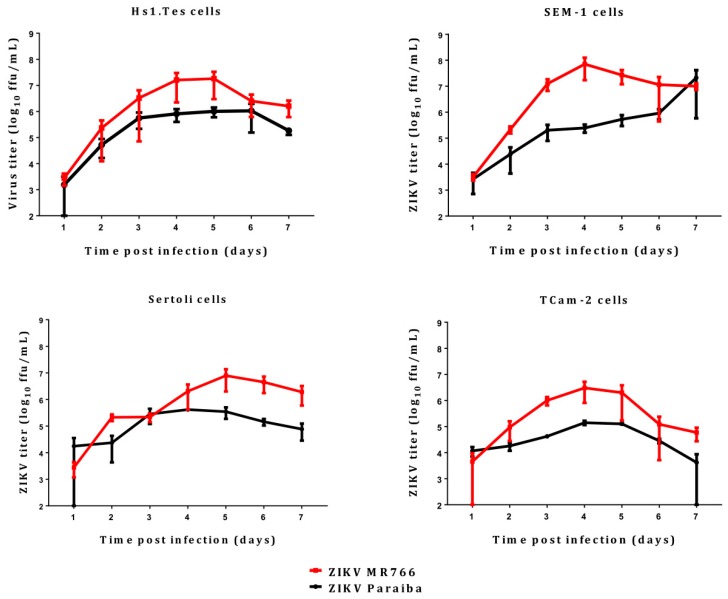
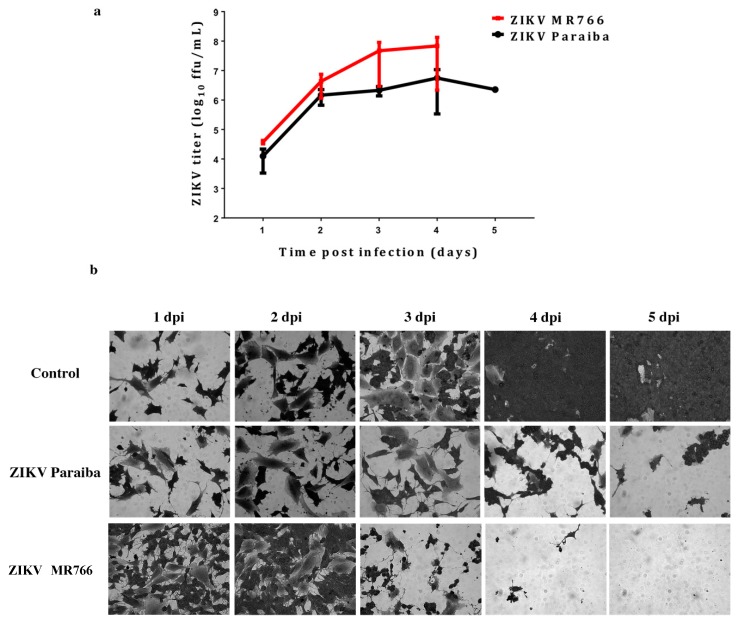
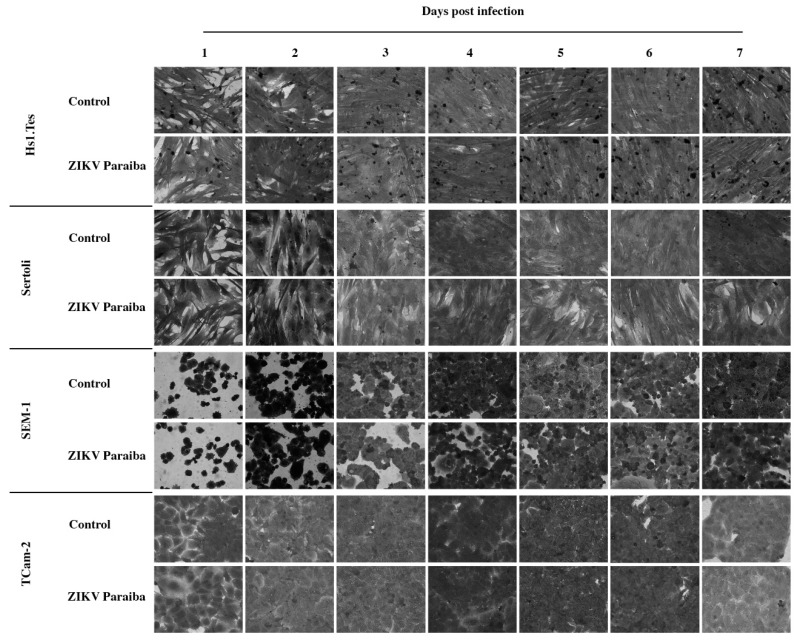
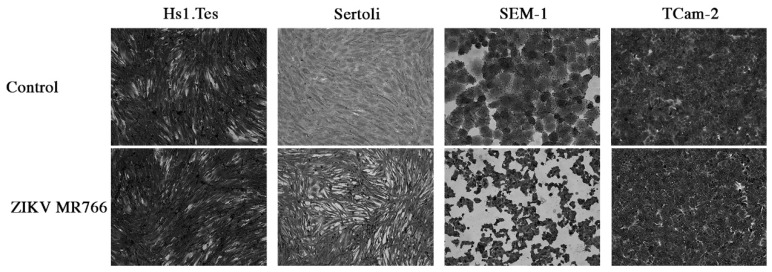
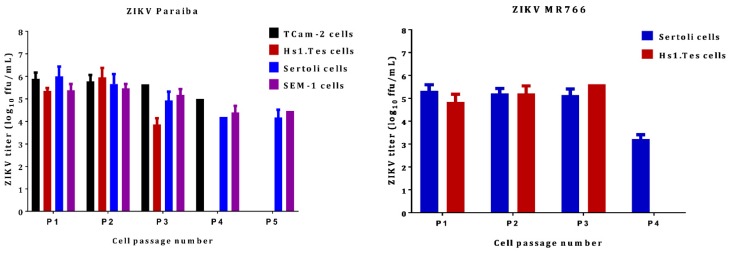
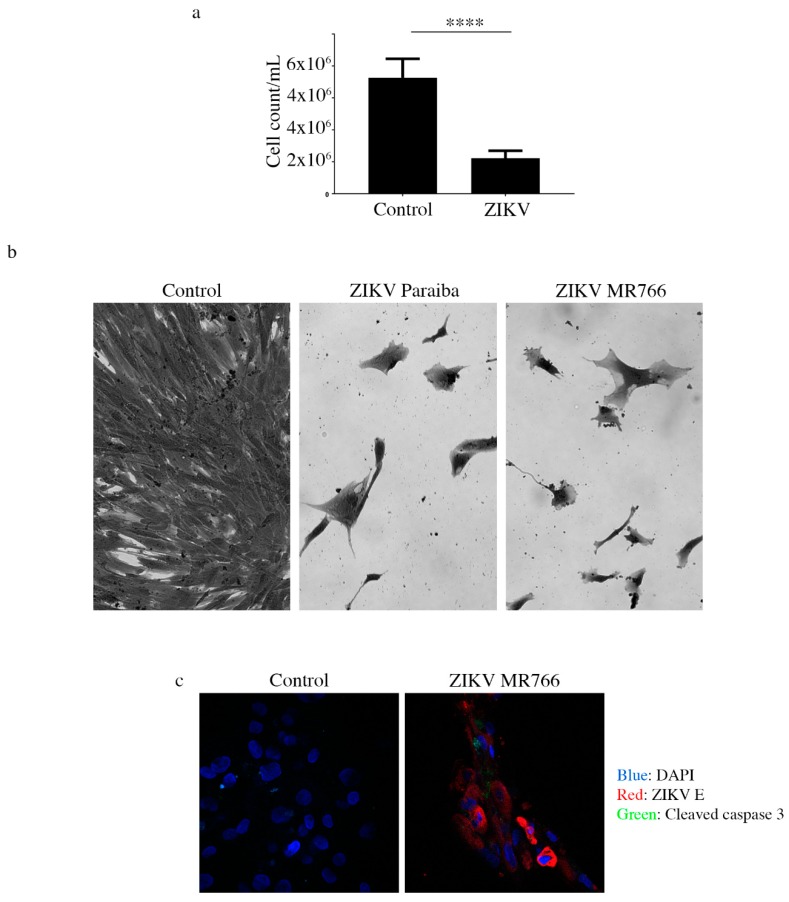
Both virus strains were able to replicate in all cell lines tested, but ZIKV MR766 attained higher titers. Initiation of viral persistence by ZIKV Paraiba was observed in Sertoli, Hs1.Tes, SEM-1 and TCam-2 cells, but was of limited duration due to delayed cell death. ZIKV MR766 persisted only in Hs1.Tes and Sertoli cells, and persistence was also limited. In contrast, SK-N-SH cells were killed by both ZIKV MR766 and ZIKV Paraiba and persistence could not be established in these cells.
ZIKV prototype strain MR766 and the clinically relevant Paraiba strain replicated in several testicular cell types. Persistence of ZIKV MR766 was only observed in Hs1.Tes and Sertoli cells, but the persistence did not last more than 3 or 4 passages, respectively. ZIKV Paraiba persisted in TCam-2, Hs1.Tes, Sertoli and SEM-1 cells for up to 5 passages, depending on cell type. TCam-2 cells appeared to clear persistent infection by ZIKV Paraiba.
寨卡病毒是一种蚊媒黄病毒,导致拉丁美洲最近爆发了大规模疫情。该病毒已在 13 个国家报告有性传播,可能是重要的感染途径。寨卡病毒的性传播主要为男传女,且精液中病毒 RNA 可长达 370 天持续存在。不同睾丸细胞类型对寨卡病毒的易感性值得研究。
我们用寨卡病毒 Paraiba 株和原型株 MR766 感染原代支持细胞、原代睾丸成纤维细胞 Hs1.Tes 以及 2 个精原细胞瘤细胞系 SEM-1 和 TCam-2,以评估它们的易感性,并寻找病毒持续存在的情况。人神经母细胞瘤细胞系 SK-N-SH 作为对照细胞类型。
两种病毒株均能在所有测试的细胞系中复制,但 ZIKV MR766 达到了更高的滴度。寨卡病毒 Paraiba 引起的病毒持续存在起始于支持细胞、Hs1.Tes、SEM-1 和 TCam-2 细胞,但由于细胞死亡延迟而持续时间有限。ZIKV MR766 仅在 Hs1.Tes 和支持细胞中持续存在,且持续时间也有限。相比之下,SK-N-SH 细胞被 ZIKV MR766 和 ZIKV Paraiba 杀死,无法在这些细胞中建立持续感染。
寨卡病毒原型株 MR766 和临床上相关的 Paraiba 株在几种睾丸细胞类型中复制。只有在 Hs1.Tes 和支持细胞中观察到 ZIKV MR766 的持续存在,但分别持续不到 3 或 4 个传代。寨卡病毒 Paraiba 可在 TCam-2、Hs1.Tes、支持细胞和 SEM-1 细胞中持续存在长达 5 个传代,具体取决于细胞类型。TCam-2 细胞似乎清除了寨卡病毒 Paraiba 的持续感染。