Shih Yao-Hsiang, Wu Shih-Ying, Yu Megan, Huang Sheng-Huai, Lee Chu-Wan, Jiang Meei-Jyh, Lin Pao-Yen, Yang Ting-Ting, Kuo Yu-Min
Institute of Basic Medical Sciences, College of Medicine, National Cheng Kung University, Tainan, Taiwan.
Department of Chemistry, University of Virginia, Charlottesville, VA, United States.
Front Aging Neurosci. 2018 Mar 20;10:73. doi: 10.3389/fnagi.2018.00073. eCollection 2018.
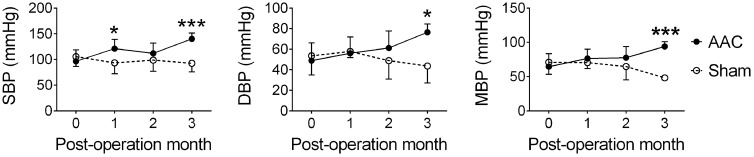
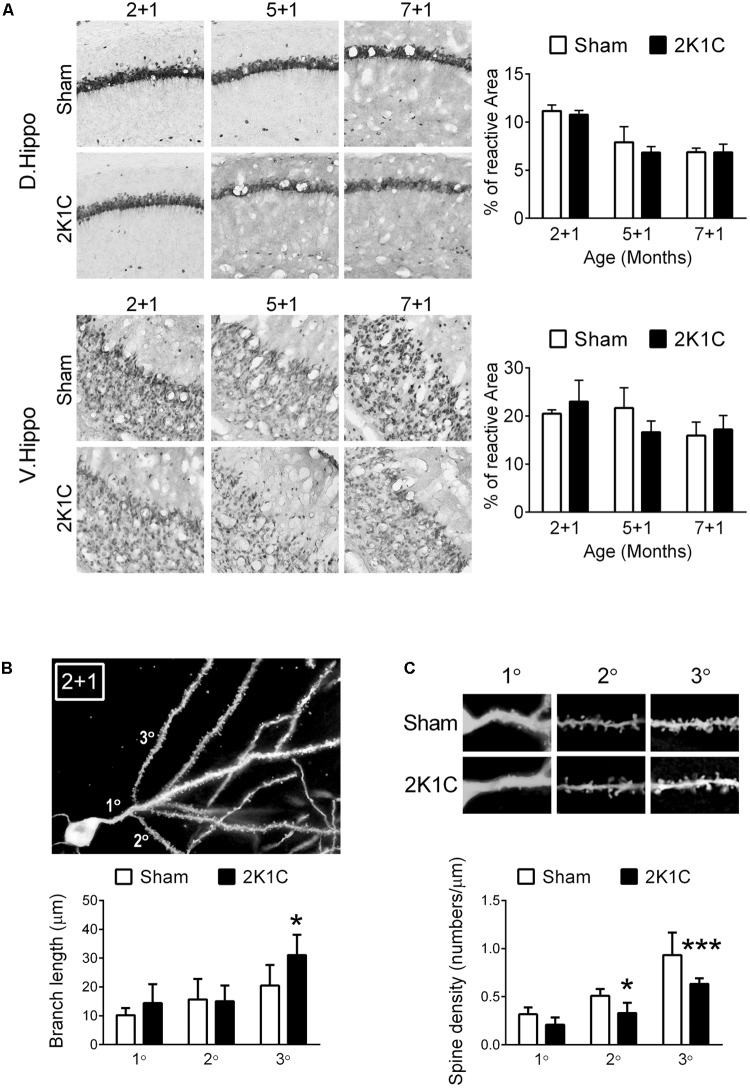
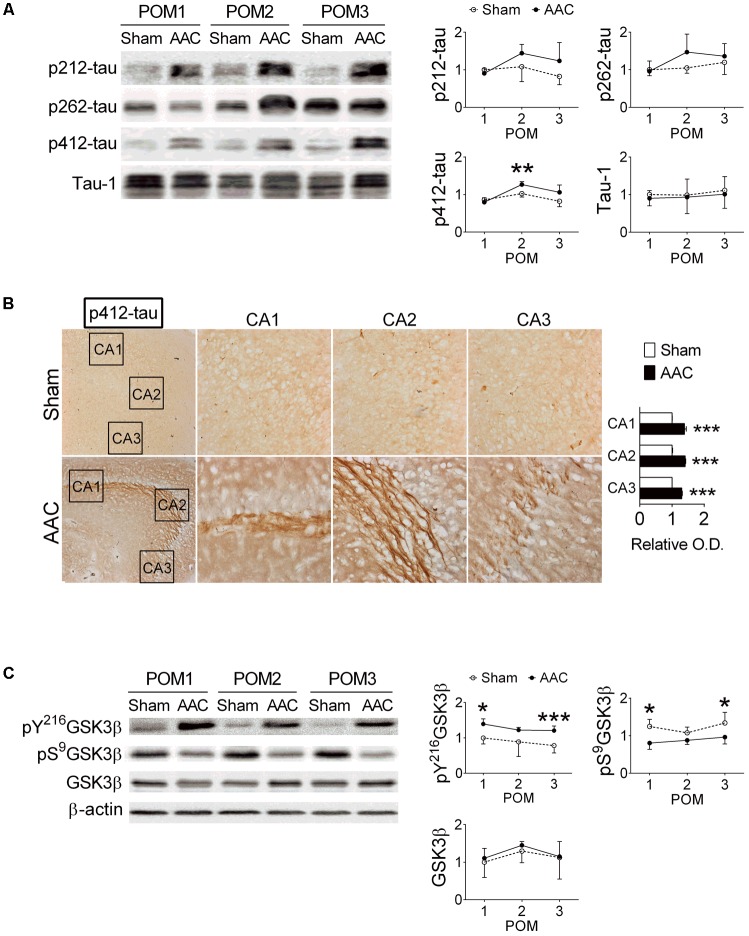
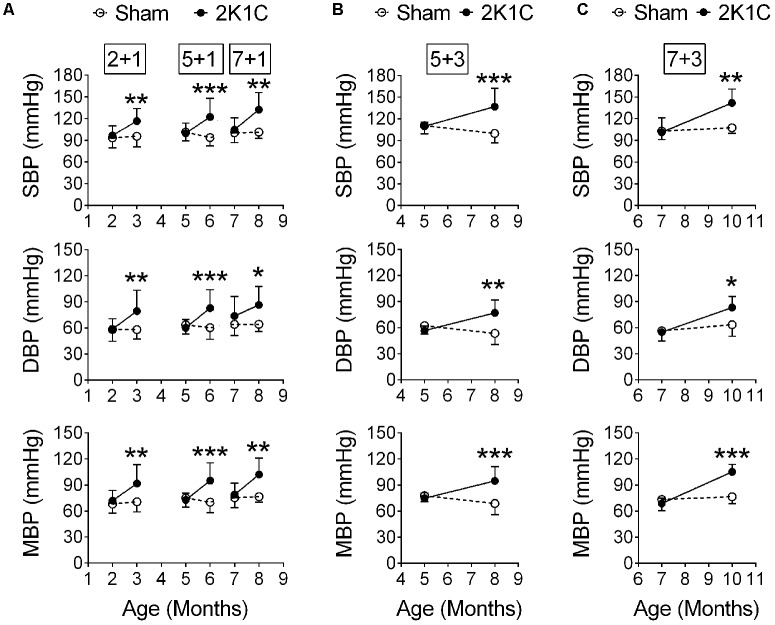
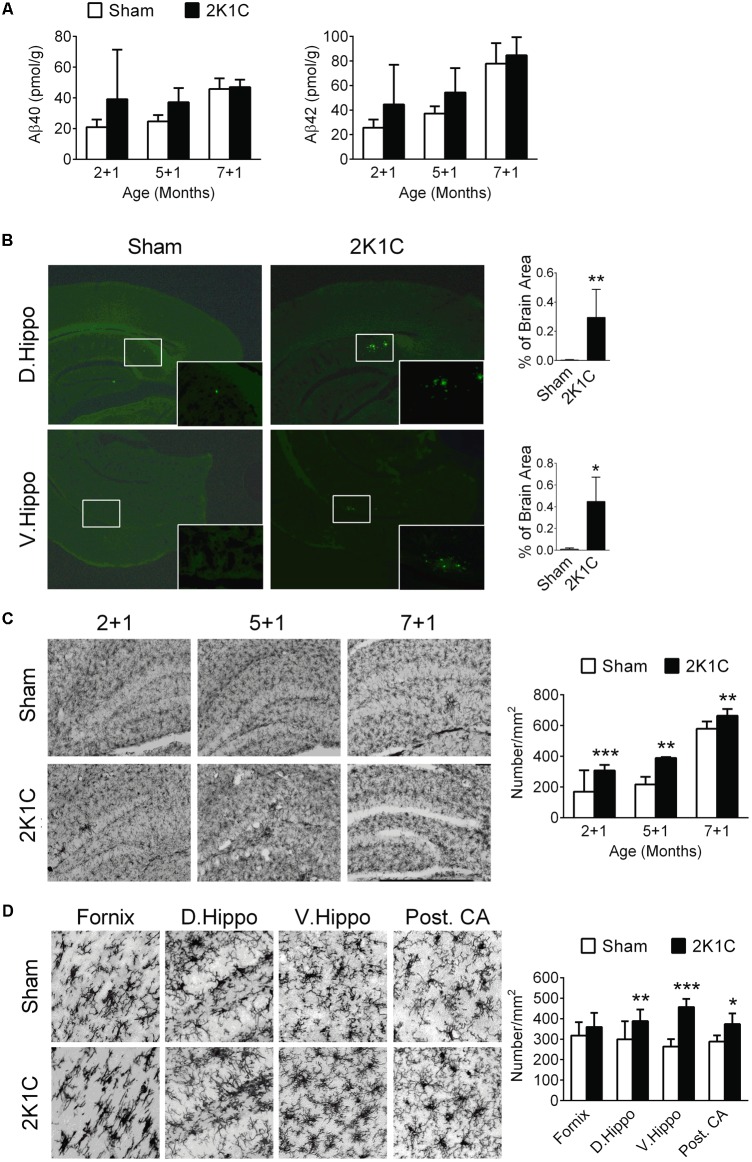
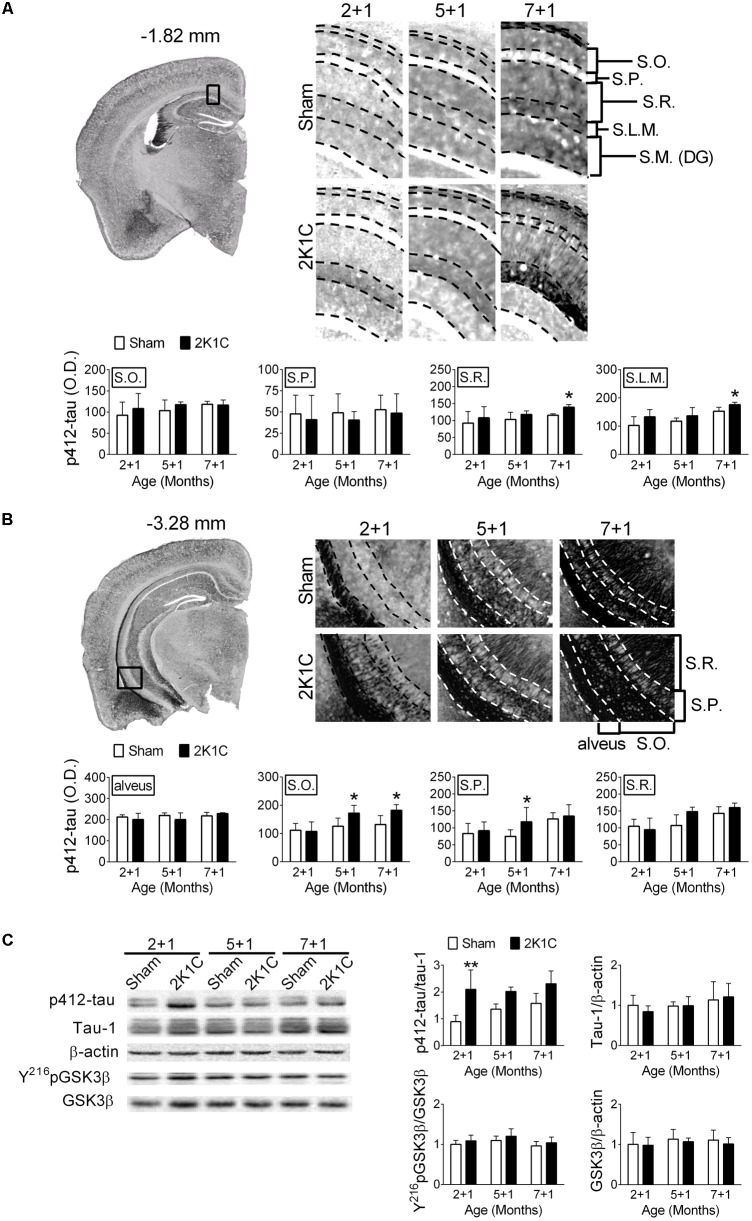
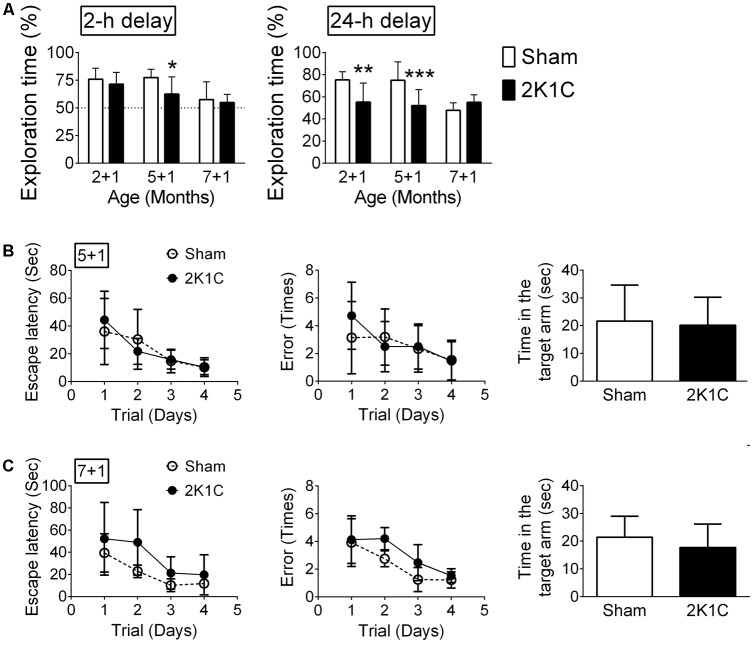
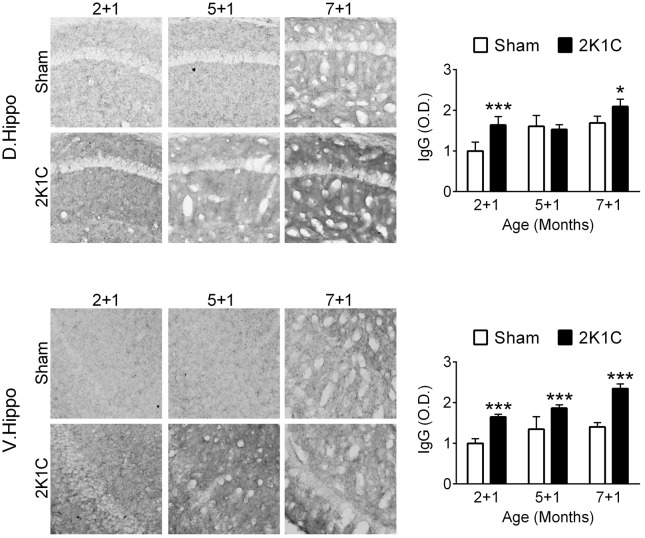
Epidemiological studies suggest there is an association between midlife hypertension and increased risk of late-life Alzheimer's disease (AD). However, whether hypertension accelerates the onset of AD or is a distinct disease that becomes more prevalent with age (comorbidity) remains unclear. This study aimed to test the possible relationship between hypertension and AD pathogenesis. Two animal models were used in this study. For the first model, 7-month-old Lanyu-miniature-pigs were given the abdominal aortic constriction operation to induce hypertension and their AD-related pathologies were assessed at 1, 2, and 3 months after the operation. The results showed that hypertension was detected since 1 month after the operation in the pigs. Levels of Aβ, amyloid precursor protein, RAGE, phosphorylated tau and activated GSK3β in the hippocampi increased at 3 months after the operation. For the second model, 3xTg mice at the ages of 2, 5, and 7 months were subjected to the "two-kidney-one-clip" operation to induce hypertension. One month after the operation, blood pressure was significantly increased in the 3xTg mice in any age. Aβ, amyloid plaque load, and phosphorylated tau levels increased in the operated mice. Furthermore, the operation also induced shrinkage in the dendritic arbor of hippocampal dentate gyrus granule neurons, leakage in the blood-brain barrier, activation in microglia, and impairment in the hippocampus-dependent learning and memory in the 3xTg mice. In conclusion, hypertension accelerates the onset of AD. Blood pressure control during midlife may delay the onset of AD.
流行病学研究表明,中年高血压与晚年患阿尔茨海默病(AD)的风险增加之间存在关联。然而,高血压是加速了AD的发病,还是一种随着年龄增长(共病)而更普遍的独特疾病,仍不清楚。本研究旨在测试高血压与AD发病机制之间的可能关系。本研究使用了两种动物模型。对于第一个模型,对7个月大的蓝玉小型猪进行腹主动脉缩窄手术以诱导高血压,并在术后1、2和3个月评估其AD相关病理。结果显示,术后1个月在猪中检测到高血压。术后3个月,海马体中Aβ、淀粉样前体蛋白、RAGE、磷酸化tau和活化的GSK3β水平升高。对于第二个模型,对2、5和7个月大的3xTg小鼠进行“两肾一夹”手术以诱导高血压。术后1个月,任何年龄的3xTg小鼠血压均显著升高。手术小鼠中Aβ、淀粉样斑块负荷和磷酸化tau水平升高。此外,手术还导致3xTg小鼠海马齿状回颗粒神经元树突分支萎缩、血脑屏障渗漏、小胶质细胞活化以及海马依赖性学习和记忆受损。总之,高血压加速了AD的发病。中年时期控制血压可能会延迟AD的发病。