Hou Zhenyan, Chen Lei, Fang Pingfei, Cai Hualin, Tang Huaibo, Peng Yongbo, Deng Yang, Cao Lingjuan, Li Huande, Zhang Bikui, Yan Miao
Department of Pharmacy, The Second Xiangya Hospital, Central South University, Changsha, China.
Institute of Clinical Pharmacy, Central South University, Changsha, China.
Front Pharmacol. 2018 Mar 16;9:226. doi: 10.3389/fphar.2018.00226. eCollection 2018.
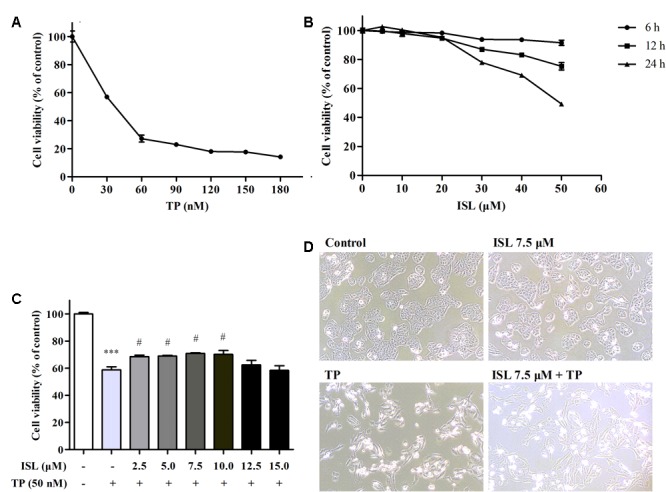
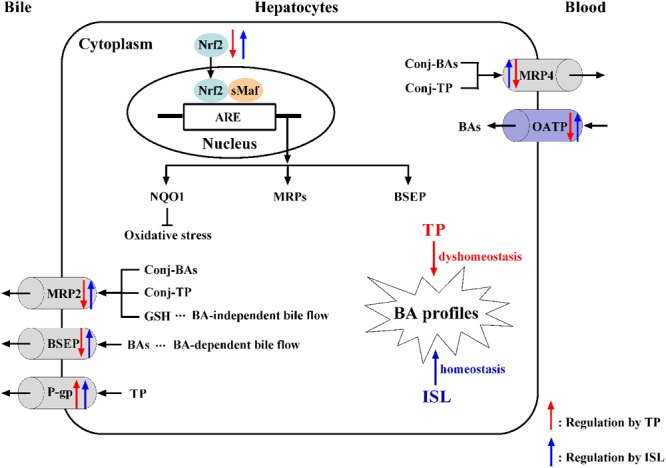
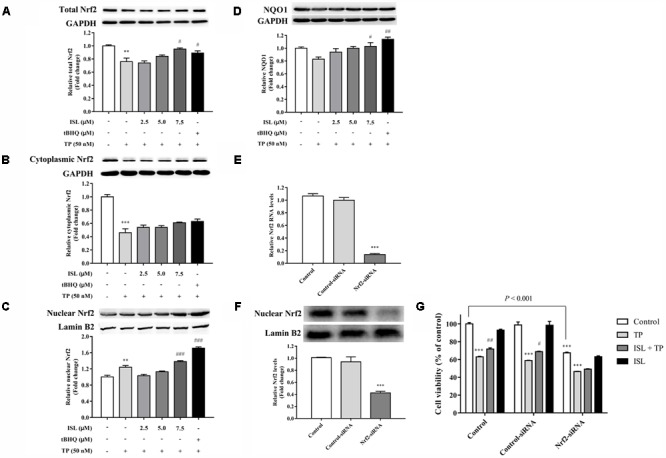
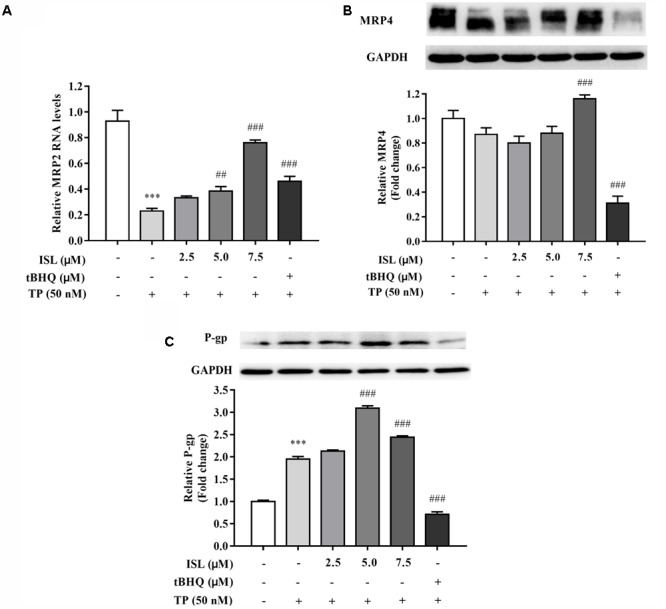
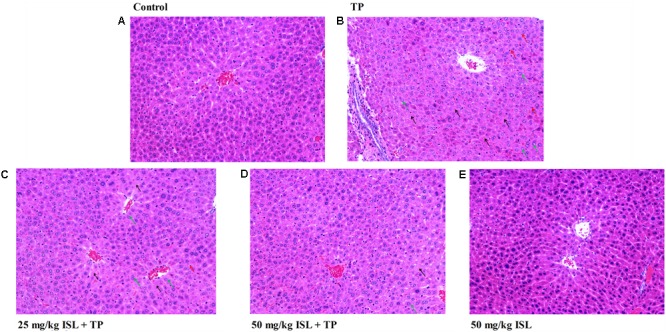
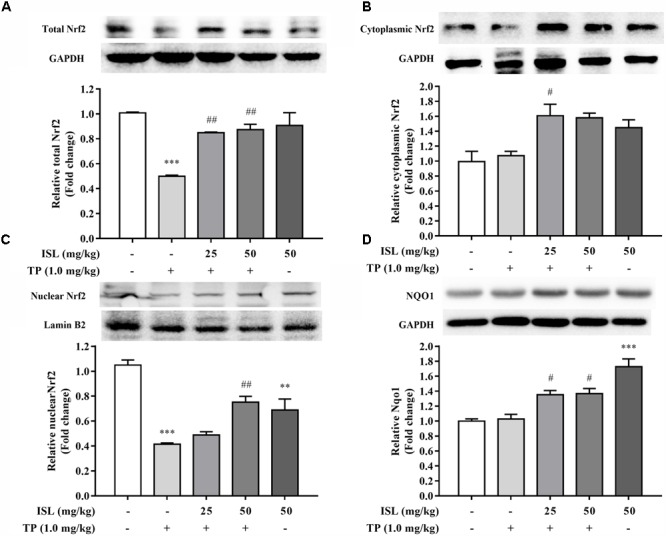
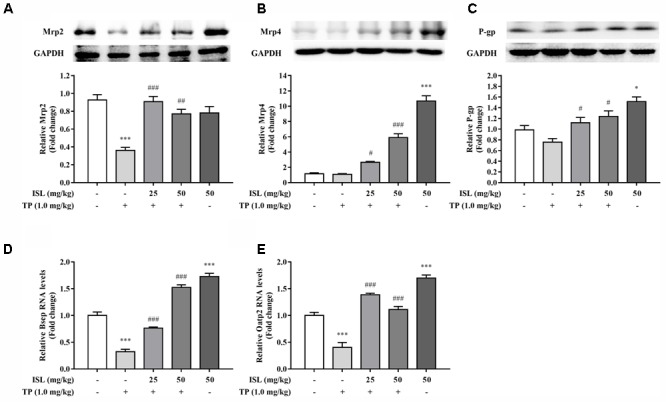
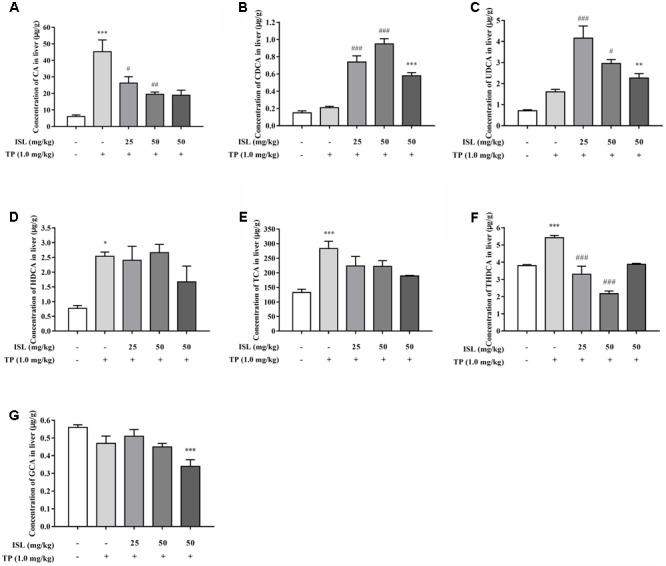
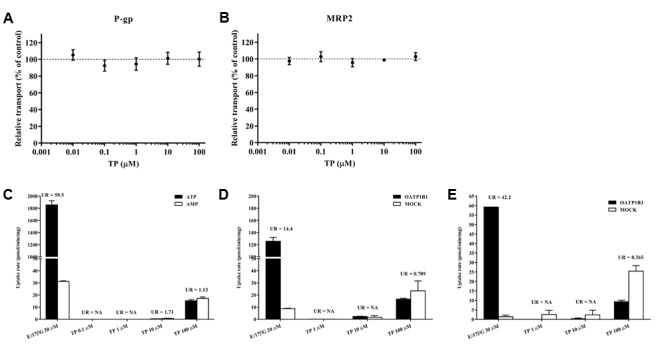
Triptolide (TP), the main bioactive component of Hook F, can cause severe hepatotoxicity. Isoliquiritigenin (ISL) has been reported to be able to protect against TP-induced liver injury, but the mechanisms are not fully elucidated. This study aims to explore the role of nuclear transcription factor E2-related factor 2 (Nrf2) and hepatic transporters in TP-induced hepatotoxicity and the reversal protective effect of ISL. TP treatment caused both cytotoxicity in L02 hepatocytes and acute liver injury in mice. Particularly, TP led to the disorder of bile acid (BA) profiles in mice livers. Combined treatment of TP with ISL effectively alleviated TP-induced hepatotoxicity. Furthermore, ISL pretreatment enhanced Nrf2 expressions and nuclear accumulations and its downstream NAD(P)H: quinine oxidoreductase 1 (NQO1) expression. Expressions of hepatic P-gp, MRP2, MRP4, bile salt export pump, and OATP2 were also induced. In addition, transport assays identified that neither was TP exported by MRP2, OATP1B1, or OATP1B3, nor did TP influence the transport activities of P-gp or MRP2. All these results indicate that ISL may reduce the hepatic oxidative stress and hepatic accumulations of both endogenous BAs and exogenous TP as well as its metabolites by enhancing the expressions of Nrf2, NQO1, and hepatic influx and efflux transporters. Effects of TP on hepatic transporters are mainly at the transcriptional levels, and changes of hepatic BA profiles are very important in the mechanisms of TP-induced hepatotoxicity.
雷公藤甲素(TP)是雷公藤的主要生物活性成分,可导致严重的肝毒性。据报道,异甘草素(ISL)能够预防TP诱导的肝损伤,但其机制尚未完全阐明。本研究旨在探讨核转录因子E2相关因子2(Nrf2)和肝脏转运体在TP诱导的肝毒性中的作用以及ISL的逆转保护作用。TP处理导致L02肝细胞产生细胞毒性,并在小鼠中引起急性肝损伤。特别是,TP导致小鼠肝脏中胆汁酸(BA)谱紊乱。TP与ISL联合治疗可有效减轻TP诱导的肝毒性。此外,ISL预处理增强了Nrf2的表达和核内积累及其下游的NAD(P)H:醌氧化还原酶1(NQO1)的表达。肝脏P-糖蛋白、多药耐药相关蛋白2(MRP2)、多药耐药相关蛋白4(MRP4)、胆盐输出泵和有机阴离子转运多肽2(OATP2)的表达也被诱导。此外,转运实验表明,TP既不是由MRP2、OATP1B1或OATP1B3转运,也不影响P-糖蛋白或MRP2的转运活性。所有这些结果表明,ISL可能通过增强Nrf2、NQO1以及肝脏摄取和外排转运体的表达来降低肝脏氧化应激以及内源性BA和外源性TP及其代谢产物在肝脏中的蓄积。TP对肝脏转运体的影响主要在转录水平,肝脏BA谱的变化在TP诱导的肝毒性机制中非常重要。