Bhasin Manoj K, Denninger John W, Huffman Jeff C, Joseph Marie G, Niles Halsey, Chad-Friedman Emma, Goldman Roberta, Buczynski-Kelley Beverly, Mahoney Barbara A, Fricchione Gregory L, Dusek Jeffery A, Benson Herbert, Zusman Randall M, Libermann Towia A
1 Benson-Henry Institute for Mind Body Medicine, Massachusetts General Hospital , Boston, MA.
2 Division of Interdisciplinary Medicine and Biotechnology, Department of Medicine, Beth Israel Deaconess Medical Center , Harvard Medical School, Boston, MA.
J Altern Complement Med. 2018 May;24(5):486-504. doi: 10.1089/acm.2017.0053. Epub 2018 Apr 4.
Mind-body practices that elicit the relaxation response (RR) have been demonstrated to reduce blood pressure (BP) in essential hypertension (HTN) and may be an adjunct to antihypertensive drug therapy. However, the molecular mechanisms by which the RR reduces BP remain undefined.
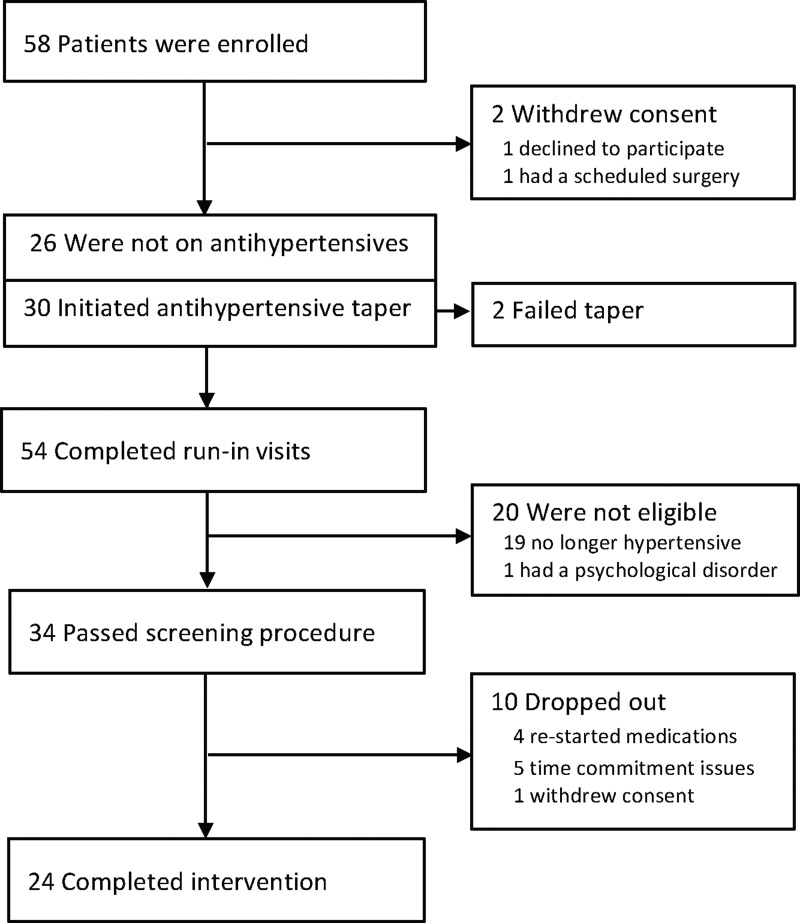
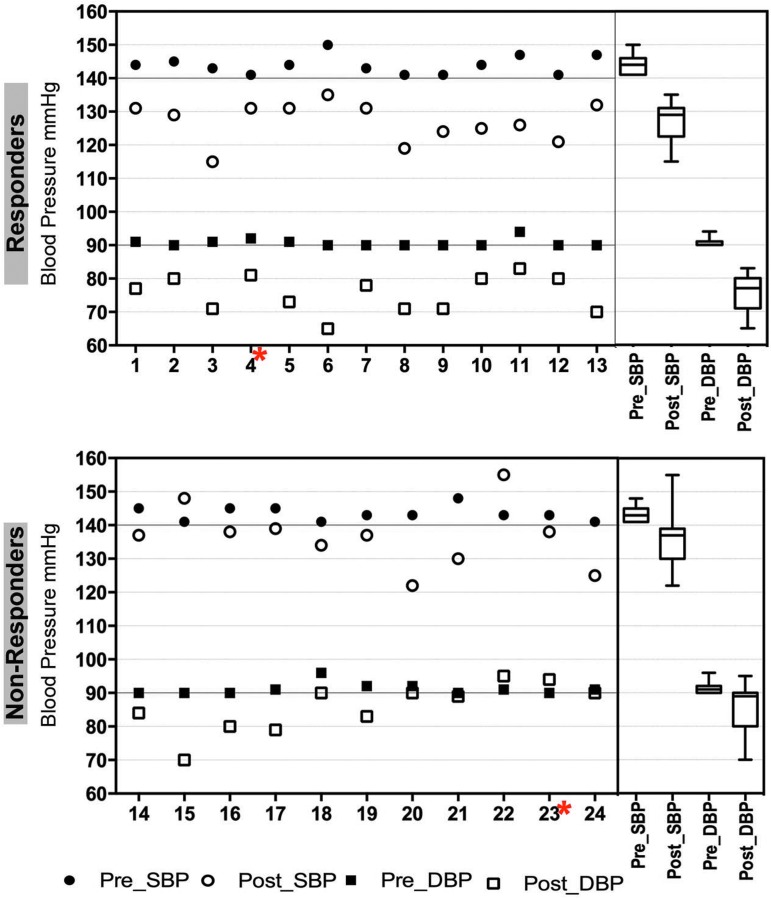
Genomic determinants associated with responsiveness to an 8-week RR-based mind-body intervention for lowering HTN in 13 stage 1 hypertensive patients classified as BP responders and 11 as nonresponders were identified.
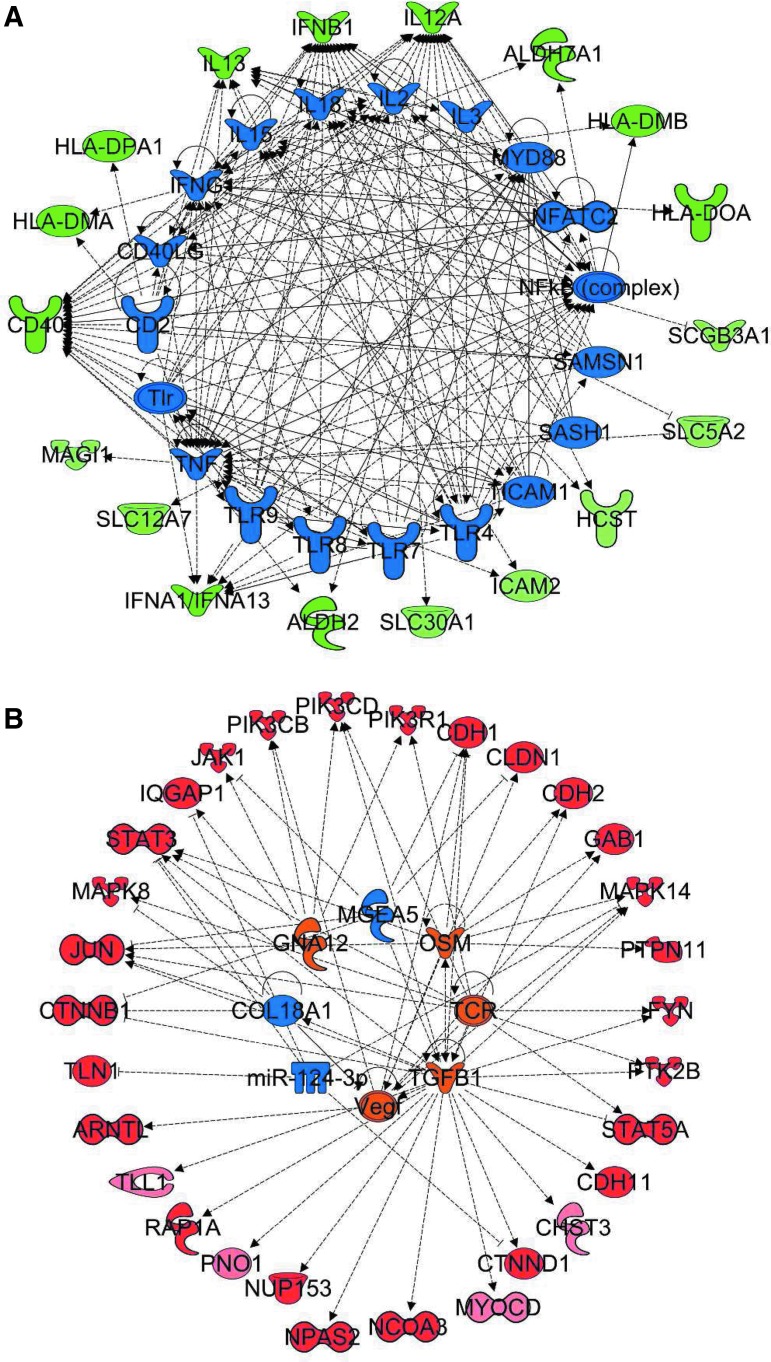
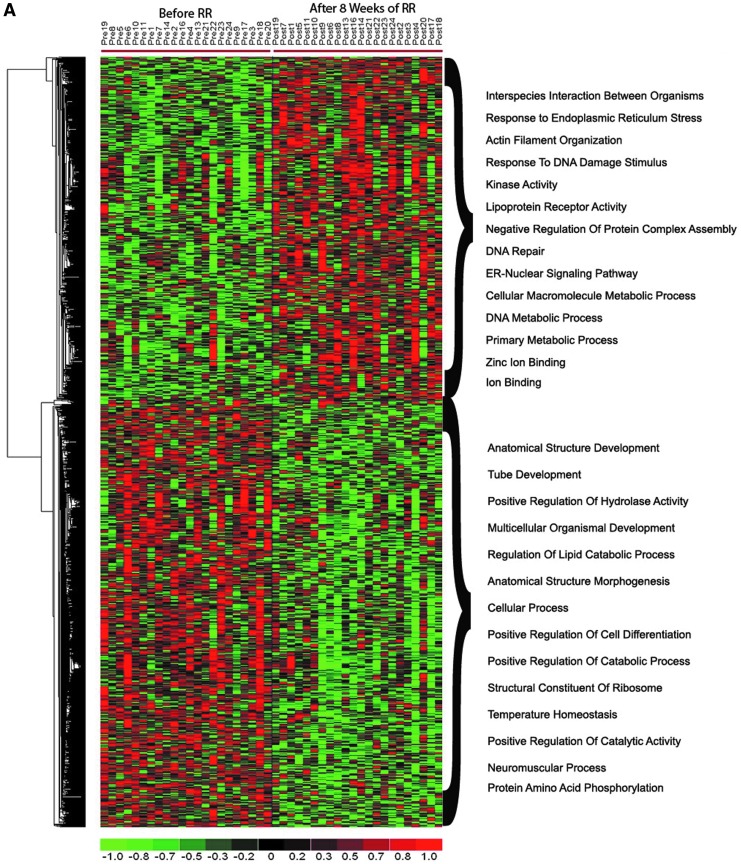
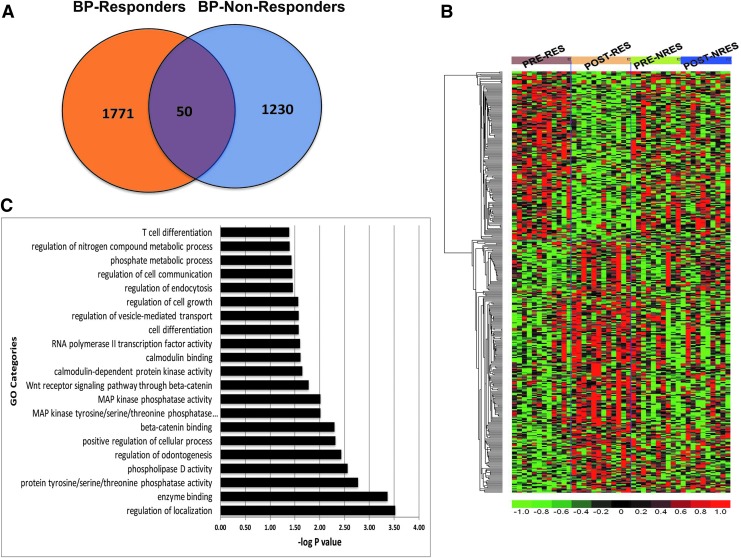
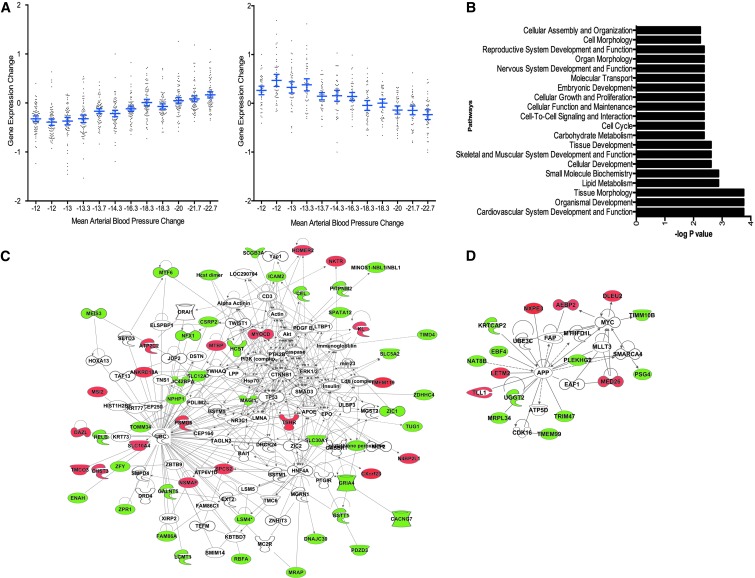
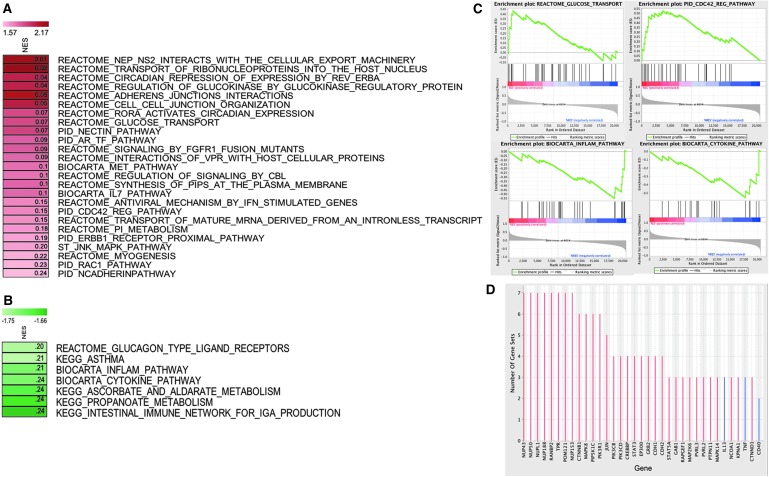
Transcriptome analysis in peripheral blood mononuclear cells identified 1771 genes regulated by the RR in responders. Biological process- and pathway-based analysis of transcriptome data demonstrated enrichment in the following gene categories: immune regulatory pathways and metabolism (among downregulated genes); glucose metabolism, cardiovascular system development, and circadian rhythm (among upregulated genes). Further in silico estimation of cell abundance from the microarray data showed enrichment of the anti-inflammatory M2 subtype of macrophages in BP responders. Nuclear factor-κB, vascular endothelial growth factor, and insulin were critical molecules emerging from interactive network analysis.
These findings provide the first insights into the molecular mechanisms that are associated with the beneficial effects of the RR on HTN.
已证明能引发放松反应(RR)的身心疗法可降低原发性高血压(HTN)患者的血压(BP),且可能作为抗高血压药物治疗的辅助手段。然而,RR降低血压的分子机制仍不明确。
确定了与基于RR的为期8周的身心干预降低HTN反应性相关的基因组决定因素,该干预针对13名被归类为血压反应者的1期高血压患者和11名无反应者。
外周血单核细胞的转录组分析确定了反应者中1771个受RR调节的基因。基于生物过程和通路的转录组数据分析表明,以下基因类别丰富:免疫调节通路和代谢(在下调基因中);葡萄糖代谢、心血管系统发育和昼夜节律(在上调基因中)。根据微阵列数据对细胞丰度进行的进一步计算机模拟估计显示,血压反应者中抗炎性M2亚型巨噬细胞富集。核因子κB、血管内皮生长因子和胰岛素是交互网络分析中出现的关键分子。
这些发现首次揭示了与RR对HTN有益作用相关的分子机制。