The Mina and Everard Goodman Faculty of Life Sciences, Bar-Ilan University, Ramat Gan 5290002, Israel.
Department of Mathematics, Bar-Ilan University, Ramat Gan 5290002, Israel; The Gonda Multidisciplinary Brain Research Center, Bar-Ilan University, Ramat Gan 5290002, Israel.
Cell Rep. 2018 Apr 3;23(1):50-57. doi: 10.1016/j.celrep.2018.03.036.
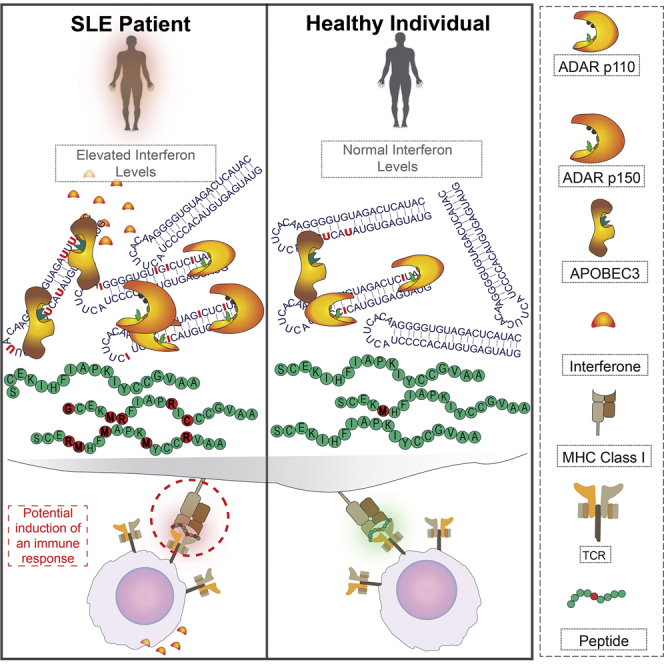
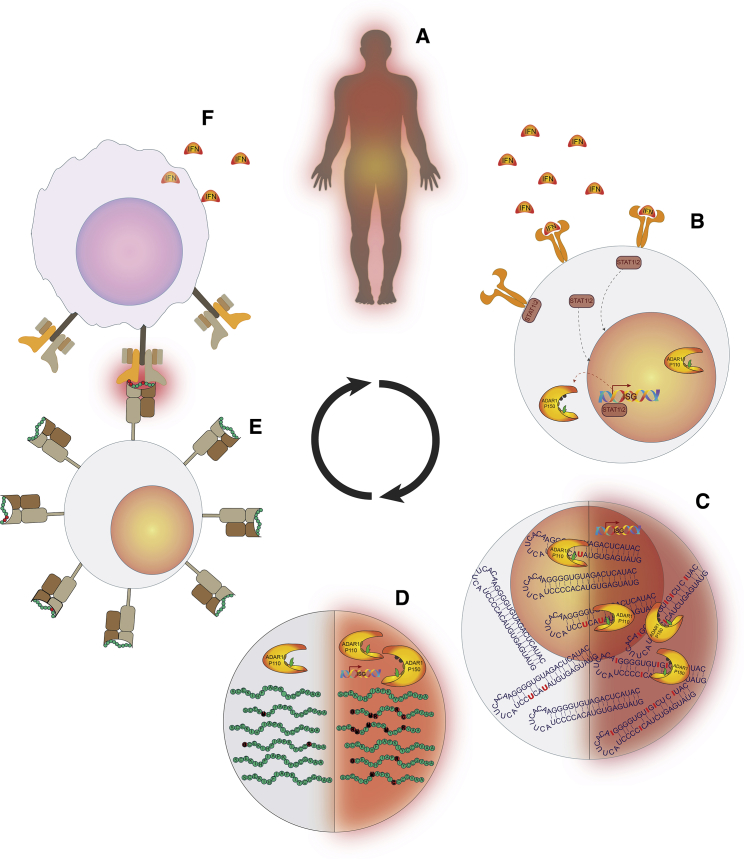
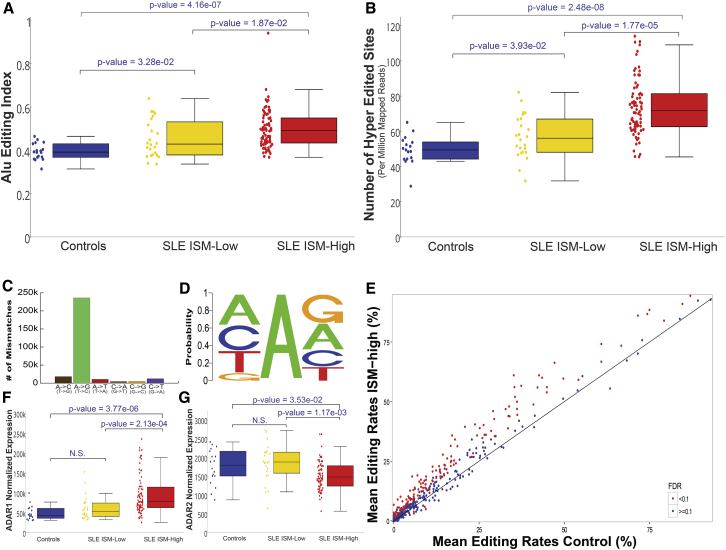
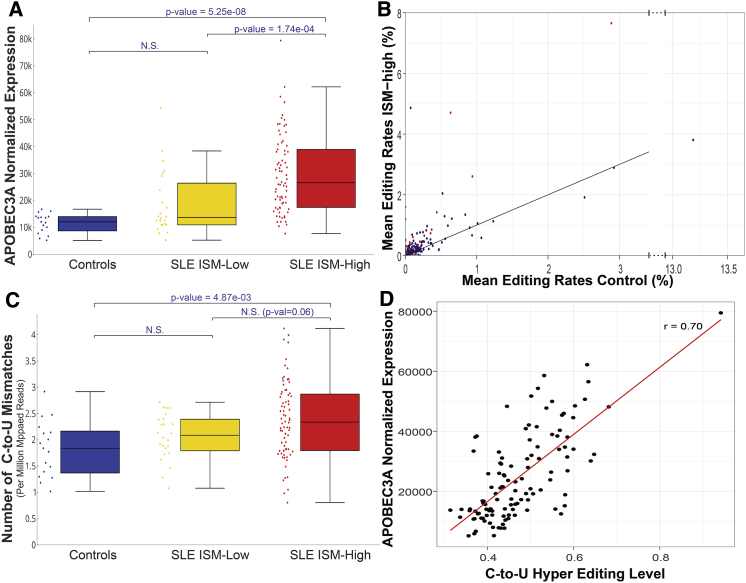
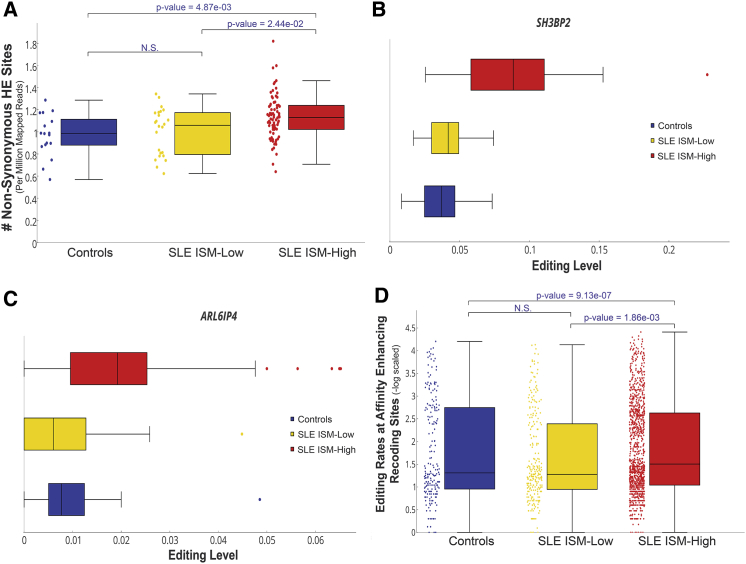
RNA-editing mechanisms, which induce nucleotide substitution in the RNA, increase transcript and protein diversities. Editing dysregulation has been shown to lead to grave outcomes, and transcriptome-wide aberrant RNA editing has been found in tumors. However, little is known about the involvement of editing in other diseases. Systemic lupus erythematosus (SLE) is a multisystemic autoimmune disease characterized by a loss of tolerance for autoantigens from various tissues and the production of multiple autoantibodies. Here, we show that blood samples from individuals with SLE have abnormally high levels of RNA editing, some of which affect proteins and potentially generate novel autoantigens. We suggest that elevated RNA editing, either by ADARs or APOBECs, may be involved in the pathophysiology of SLE, as well as in other autoimmune diseases, by generating or increasing the autoantigen load, a key requisite for the progression of autoimmunity.
RNA 编辑机制可诱导 RNA 中的核苷酸替换,从而增加转录本和蛋白质的多样性。研究表明,编辑失调可导致严重后果,并且在肿瘤中发现了转录组范围的异常 RNA 编辑。然而,关于编辑在其他疾病中的作用知之甚少。系统性红斑狼疮 (SLE) 是一种多系统自身免疫性疾病,其特征是对来自各种组织的自身抗原失去耐受性以及产生多种自身抗体。在这里,我们表明 SLE 患者的血液样本中存在异常高水平的 RNA 编辑,其中一些会影响蛋白质并可能产生新的自身抗原。我们认为,通过 ADARs 或 APOBECs 升高的 RNA 编辑可能通过产生或增加自身抗原负荷参与 SLE 的病理生理学,以及其他自身免疫性疾病,自身抗原负荷是自身免疫进展的关键要求。