Julián-Jiménez A, Adán Valero I, Beteta López A, Cano Martín L M, Fernández Rodríguez O, Rubio Díaz R, Sepúlveda Berrocal M A, González Del Castillo J, Candel González F J
Dr. Agustín Julián-Jiménez. Servicio de Urgencias. Coordinador de Docencia, Formación e Investigación del Complejo Hospitalario Universitario de Toledo. Avda de Barber nº 30. C.P: 45004. Toledo, Castilla La Mancha, Spain.
Rev Esp Quimioter. 2018 Apr;31(2):186-202. Epub 2018 Apr 5.
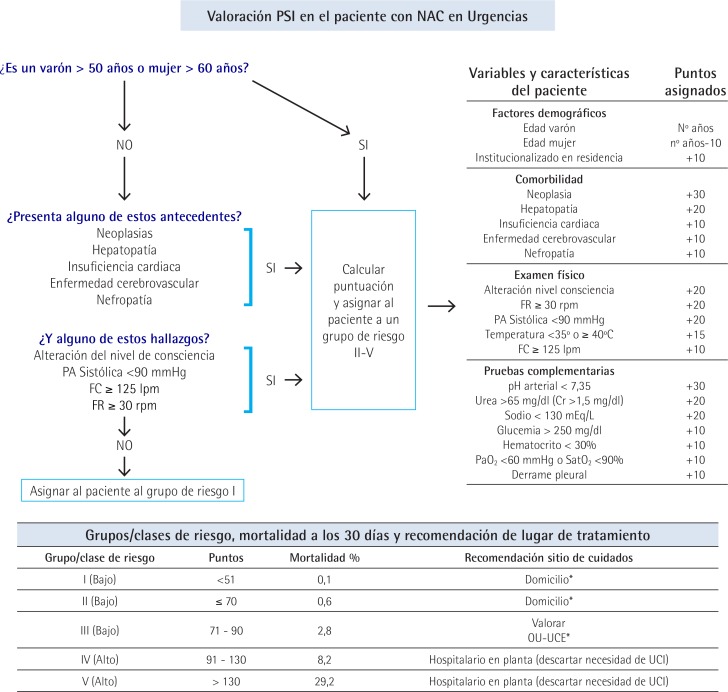
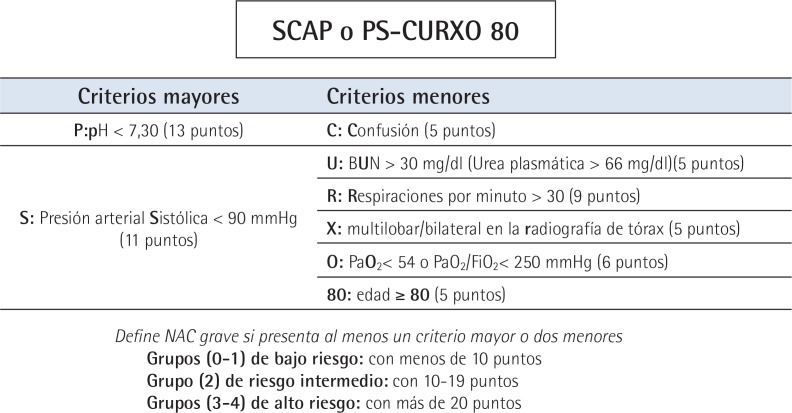
The incidence of community-acquired pneumonia (CAP) ranges from 2-15 cases / 1,000 inhabitants / year, being higher in those older than 65 years and in patients with high co-morbidity. Around 75% of all CAP diagnosed are treated in the Emergency Department (ED). The CAP represents the main cause for sepsis and septic shock in ED, and the most frequent cause of death and admission to the Intensive Care Unit (ICU) due to infectious disease. Overall mortality is 10-14% according to age and associated risk factors. Forty to 60% of CAP will require hospital admission, including observation units (with very variable ranges from 22-65% according to centers, seasonal of the year and patients´ characteristics). Between the admissions, 2-10% will be in the ICU. All of previously mentioned reflects the importance of the CAP in the ED, as well as the "impact of the emergency care on the patient with CAP", as it is the establishment where the initial, but key decisions, are made and could condition the outcome of the illness. It is known the great variability among physicians in the diagnostic and therapeutic management of CAP, which is one of the reasons that explains the great differences in the admission rates, achievement of the microbiological diagnosis, request for complementary studies, the choice of antimicrobial treatment, or the diversity of applied care. In this sense, the implementation of clinical practice guidelines with the use of the severity scores and the new tools available, such as biomarkers, can improve patient care with CAP in ED. Therefore, a multidisciplinary group of emergency professionals and specialists involved in the care process of CAP has designed a guideline with several recommendations for decisions-making during the key moments in patients with CAP attended in the ED.
社区获得性肺炎(CAP)的发病率为每年每1000名居民中有2 - 15例,65岁以上人群及合并症较多的患者发病率更高。所有确诊的CAP病例中,约75%在急诊科(ED)接受治疗。CAP是急诊科脓毒症和脓毒性休克的主要原因,也是因传染病导致死亡和入住重症监护病房(ICU)的最常见原因。根据年龄和相关危险因素,总体死亡率为10% - 14%。40%至60%的CAP患者需要住院治疗,包括观察病房(根据中心、年份季节和患者特征,比例在22% - 65%之间波动很大)。住院患者中,2% - 10%将入住ICU。上述所有情况都反映了CAP在急诊科的重要性,以及“急诊护理对CAP患者的影响”,因为急诊科是做出初始但关键决策的场所,这些决策可能会影响疾病的转归。众所周知,医生在CAP的诊断和治疗管理方面存在很大差异,这也是解释住院率、微生物诊断达成率、辅助检查申请、抗菌治疗选择或应用护理多样性存在巨大差异的原因之一。从这个意义上讲,实施临床实践指南并使用严重程度评分和新工具(如生物标志物)可以改善急诊科CAP患者的护理。因此,一个参与CAP护理过程的多学科急诊专业人员和专家小组设计了一项指南,其中包含在急诊科就诊的CAP患者关键时刻进行决策的多项建议。