Research and Development, GENEWIZ, South Plainfield, NJ 08070, USA.
Celsee Diagnostics, Plymouth, MI 48170, USA.
Oncol Rep. 2018 Jun;39(6):2537-2544. doi: 10.3892/or.2018.6342. Epub 2018 Mar 30.
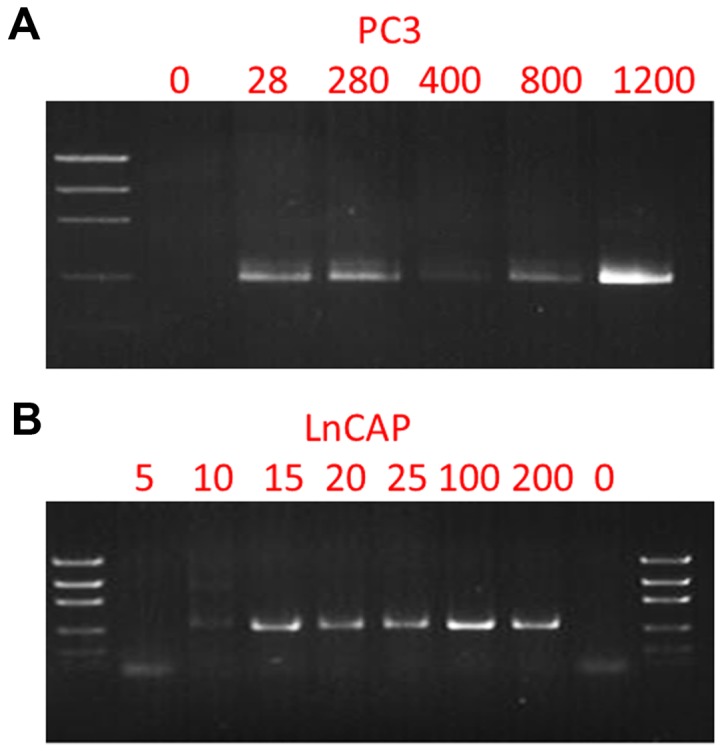
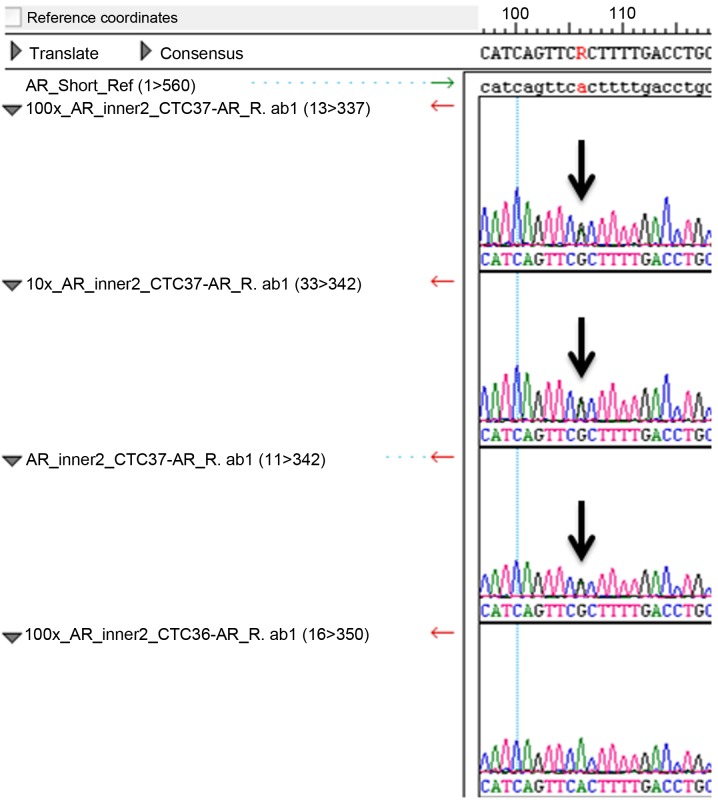
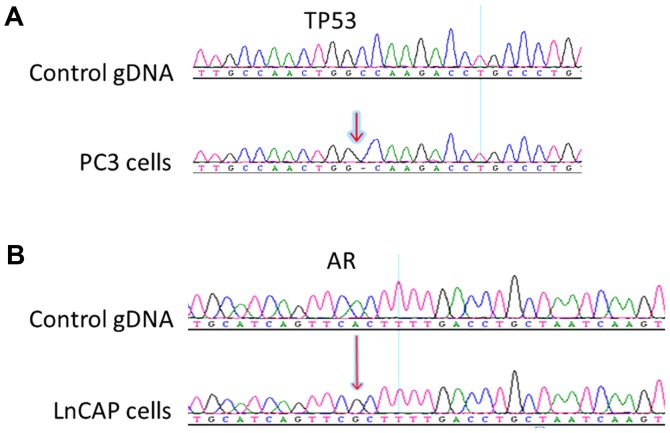
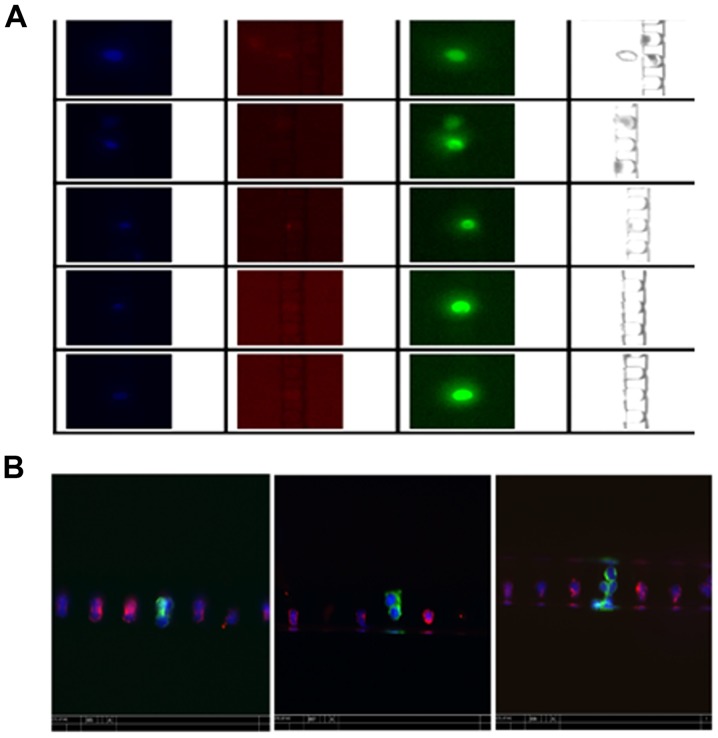
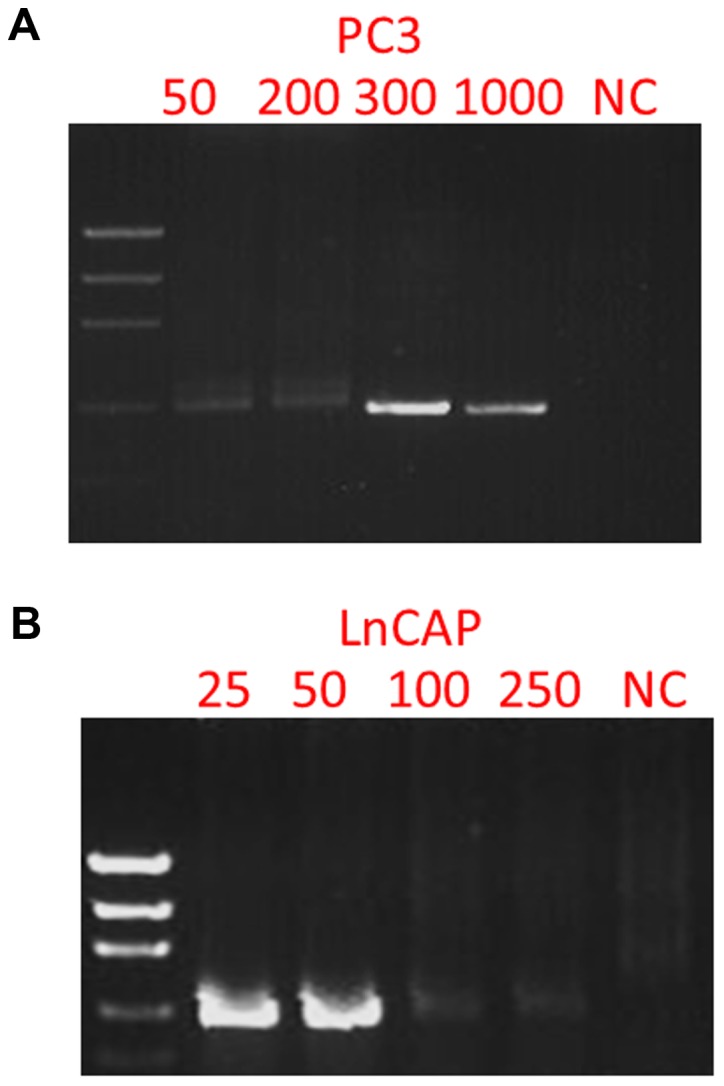
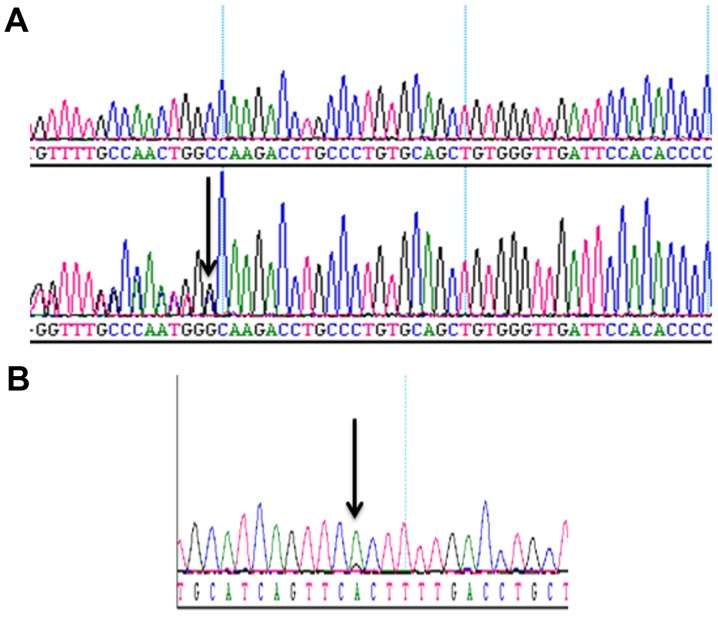
The potential of circulating tumor cells (CTCs) in the diagnosis and prognosis of cancer patients has become increasingly attractive. However, molecular analysis of CTCs is hindered by low sensitivity and a high level of background leukocytes in CTC enrichment technologies. We have developed a novel protocol using a microfluidic device, which enriches and retrieves CTCs from blood samples. The principle of CTC capturing is that tumor cells are larger and less deformable than normal blood cells. To evaluate the potential of utilizing Celsee PREP100 in CTC molecular analysis, we prepared prostate cancer cell lines PC3 and LNCaP, retrieved the captured cells and analyzed them using PCR amplicon sequencing. We were able to recover an average of 79% of 110‑1,100 PC3 and 60‑1,500 LNCaP cells, and detect the p.K139fs3 deletion of the p53 gene in PC3 cells and p.T877A mutation of the androgen receptor gene in LNCaP cells. Next, we spiked these two types of cells into normal donor blood samples, captured the cells and analyzed them using PCR amplicon sequencing. The PC3 and LNCaP cells were captured and retrieved with the ratio of captured CTCs to the background leukocytes reaching 1:1.5 for PC3 and 1:2.9 for LNCaP cells. We further revealed that the p.K139fs3 deletion and p.T877A mutation can be detected in the captured PC3 and LNCaP cells, respectively. We successfully validated this approach using clinical blood samples from patients with metastatic prostate cancer. Our results demonstrated a novel approach for CTC enrichment and illustrated the potential of CTC molecular characterization for diagnosis, prognosis and treatment selection of patients with metastatic malignancy.
循环肿瘤细胞(CTC)在癌症患者的诊断和预后中的潜力越来越受到关注。然而,CTC 富集技术中背景白细胞水平较高和检测灵敏度较低,阻碍了对 CTC 的分子分析。我们开发了一种使用微流控装置从血液样本中富集和回收 CTC 的新方案。CTC 捕获的原理是肿瘤细胞比正常血细胞更大且更不易变形。为了评估利用 Celsee PREP100 进行 CTC 分子分析的潜力,我们制备了前列腺癌细胞系 PC3 和 LNCaP,回收捕获的细胞并使用 PCR 扩增子测序进行分析。我们能够平均回收 110-1100 PC3 和 60-1500 LNCaP 细胞的 79%,并在 PC3 细胞中检测到 p53 基因的 p.K139fs3 缺失,在 LNCaP 细胞中检测到雄激素受体基因的 p.T877A 突变。接下来,我们将这两种类型的细胞混入正常供体的血液样本中,捕获细胞并使用 PCR 扩增子测序进行分析。PC3 和 LNCaP 细胞以捕获 CTC 与背景白细胞的比例为 1:1.5(PC3)和 1:2.9(LNCaP)的比例被捕获和回收。我们进一步揭示,在捕获的 PC3 和 LNCaP 细胞中可以分别检测到 p.K139fs3 缺失和 p.T877A 突变。我们使用转移性前列腺癌患者的临床血液样本成功验证了这种方法。我们的结果证明了一种新型的 CTC 富集方法,并说明了 CTC 分子特征分析在诊断、预后和转移性恶性肿瘤患者治疗选择中的潜力。