Huang Jing, Li Cui-Ying, Jiang Jiu-Hui
Department of Orthodontics Central Laboratory, Peking University School and Hospital of Stomatology, Haidian District, Beijing, China.
Medicine (Baltimore). 2018 Apr;97(14):e0233. doi: 10.1097/MD.0000000000010233.
This systematic review and meta-analysis aimed to identify whether there is any relationship between fixed orthodontic appliances and malodor, and if self-ligating brackets (SLBs) prevent malodor better than conventional brackets (CBs).
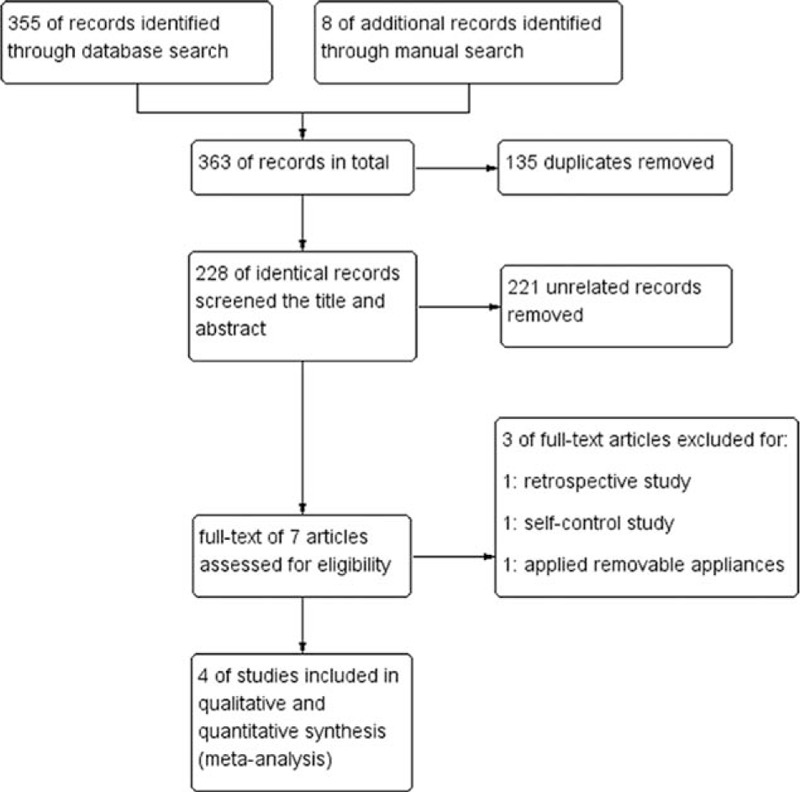
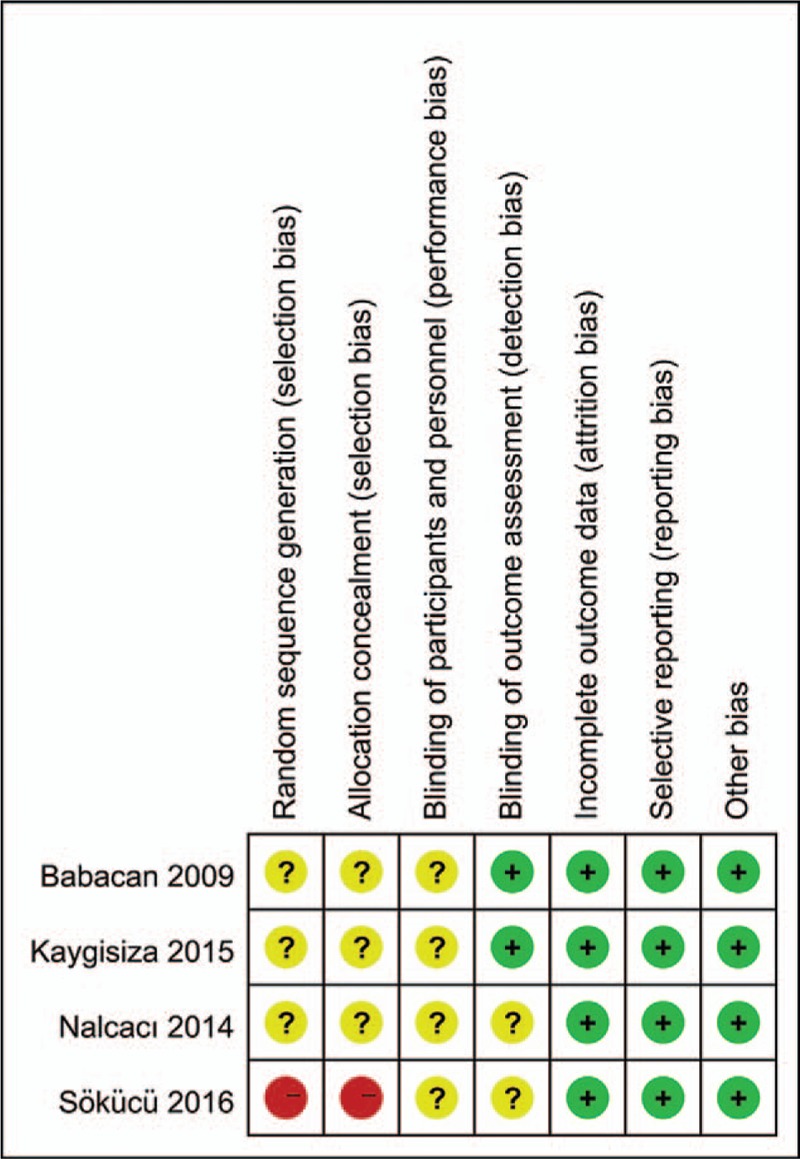
The electronic databases PubMed, Ovid, EMBASE, and the Cochrane Library were searched from inception to September 2016; a manual search was also performed. Randomized controlled and clinical controlled trials, in which experimental groups received fixed orthodontic therapy and malodor was measured, were included. Patients treated with fixed orthodontic brackets were compared with those without any treatment, and SLB systems were compared with CB systems. Two reviewers independently selected potentially relevant studies, evaluated the risk for bias, extracted essential data, and synthesized findings using Review Manager version 5.3 (Copenhagen: The. Nordic Cochrane Centre, The Cochrane Collaboration, 2014).
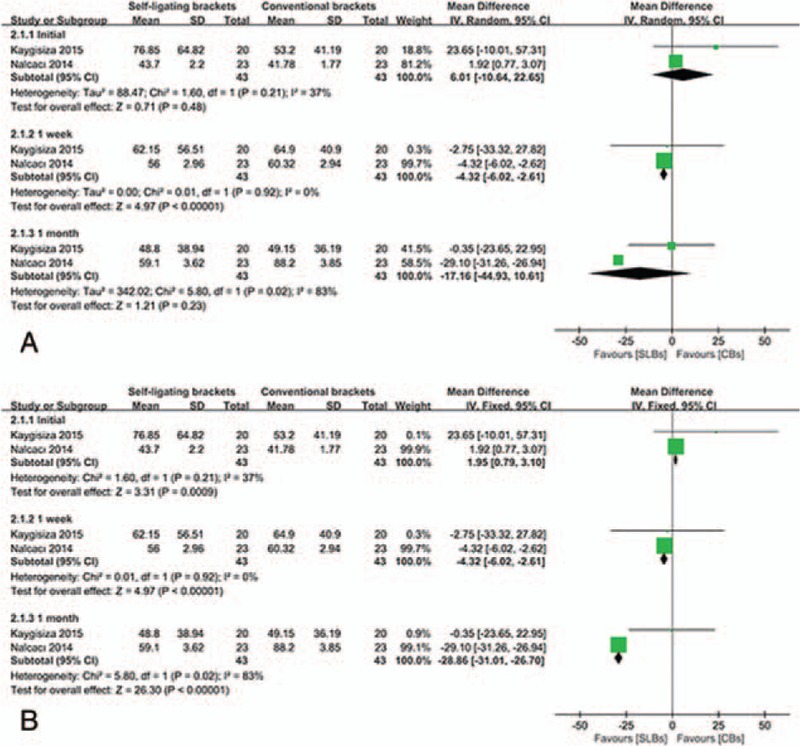
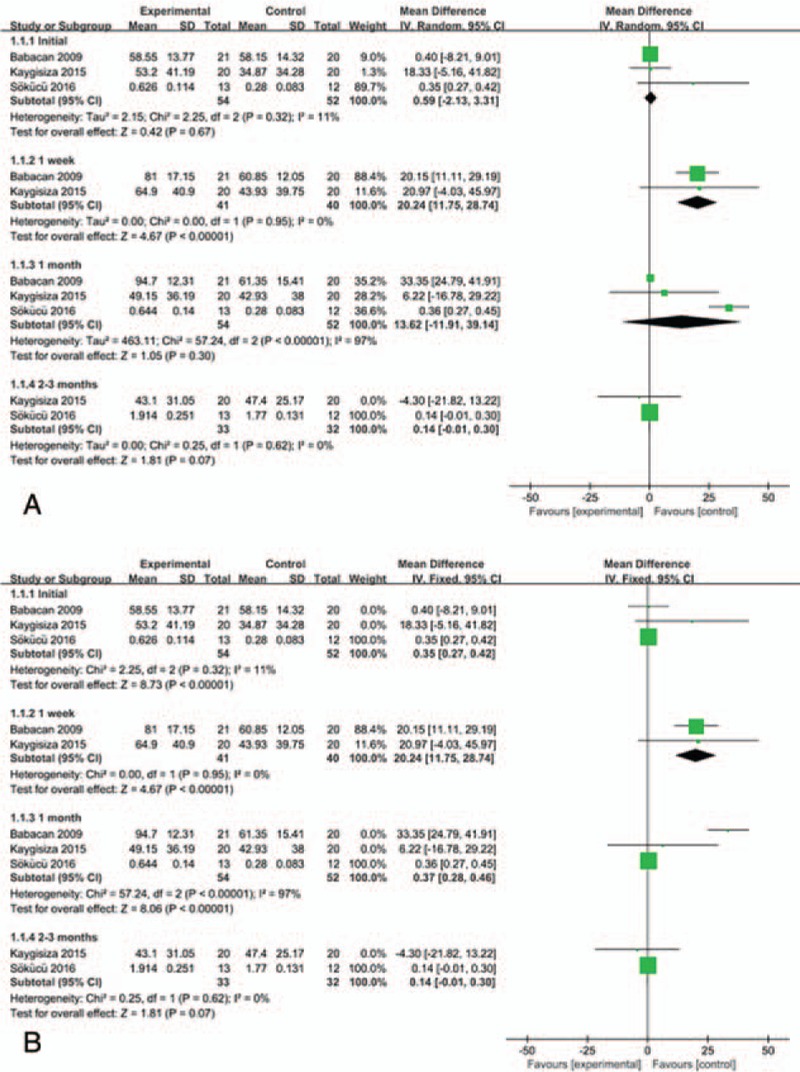
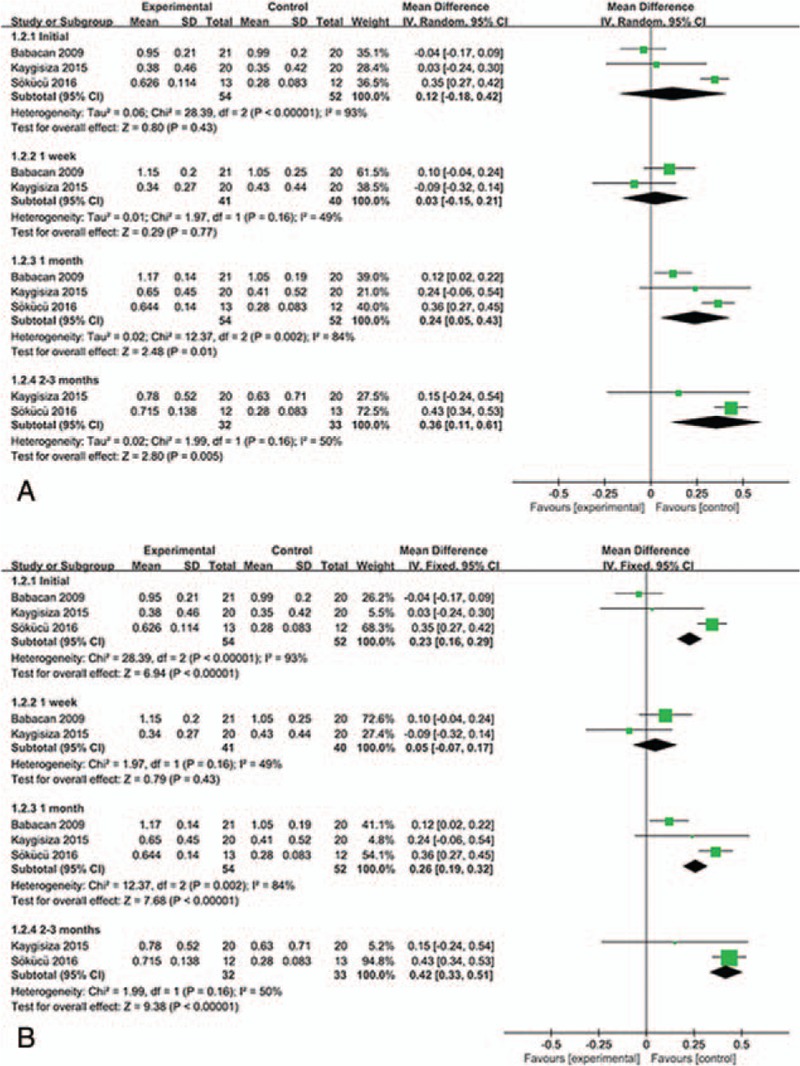
Four studies, involving a total of 152 participants, met the inclusion criteria. Fixed orthodontic appliances caused malodor from the initial visit to 2 to 3 months, but was only significant after the first week (mean difference 20.24 [95% confidence interval [CI]11.75-28.74]; P < .00001). Plaque index, gingival index, and periodontal pocket depths demonstrated no statistical differences between the SLB and CB groups after the first week. However, SLBs significantly controlled malodor better than CBs after the first week (mean difference 4.32 [95% CI 6.02 to 2.61]; P < .00001). The quality of the included studies was relatively low and relevant research in this field is quite scarce.
Although the evidence base was relatively weak, fixed orthodontic treatment appeared to be a risk factor for malodor, independent of periodontal changes, and SLB systems controlled malodor better than CB systems.
本系统评价和荟萃分析旨在确定固定正畸矫治器与口臭之间是否存在关联,以及自锁托槽(SLB)在预防口臭方面是否优于传统托槽(CB)。
检索电子数据库PubMed、Ovid、EMBASE和Cochrane图书馆,检索时间从建库至2016年9月;同时进行手工检索。纳入随机对照试验和临床对照试验,试验组接受固定正畸治疗并测量口臭情况。将接受固定正畸托槽治疗的患者与未接受任何治疗的患者进行比较,将自锁托槽系统与传统托槽系统进行比较。两名评价员独立选择潜在相关研究,评估偏倚风险,提取关键数据,并使用Review Manager 5.3版(哥本哈根:北欧Cochrane中心,Cochrane协作网,2014年)综合研究结果。
四项研究共纳入152名参与者,符合纳入标准。从初次就诊到2至3个月,固定正畸矫治器会导致口臭,但仅在第一周后有显著差异(平均差值20.24 [95%置信区间[CI]11.75 - 28.74];P <.00001)。第一周后,菌斑指数、牙龈指数和牙周袋深度在自锁托槽组和传统托槽组之间无统计学差异。然而,第一周后自锁托槽在控制口臭方面明显优于传统托槽(平均差值4.32 [95% CI 6.02至2.61];P <.00001)。纳入研究的质量相对较低,该领域的相关研究相当匮乏。
尽管证据基础相对薄弱,但固定正畸治疗似乎是口臭的一个危险因素,与牙周变化无关,且自锁托槽系统在控制口臭方面优于传统托槽系统。