Department of Environmental and Radiological Health Sciences (S.L.H., K.A.P., L.G.H., E.H.R., R.B.T.) and Department of Electrical and Computer Engineering (P.D., E.C.), Colorado State University, Fort Collins, Colorado; Department of Veterinary Physiology and Pharmacology, Texas A&M University, College Station, Texas (X.L., S.S.); and Department of Pharmaceutical Sciences, University of Colorado Anschutz Medical Campus, Aurora, Colorado (D.S.B.).
Department of Environmental and Radiological Health Sciences (S.L.H., K.A.P., L.G.H., E.H.R., R.B.T.) and Department of Electrical and Computer Engineering (P.D., E.C.), Colorado State University, Fort Collins, Colorado; Department of Veterinary Physiology and Pharmacology, Texas A&M University, College Station, Texas (X.L., S.S.); and Department of Pharmaceutical Sciences, University of Colorado Anschutz Medical Campus, Aurora, Colorado (D.S.B.)
J Pharmacol Exp Ther. 2018 Jun;365(3):636-651. doi: 10.1124/jpet.117.246389. Epub 2018 Apr 6.
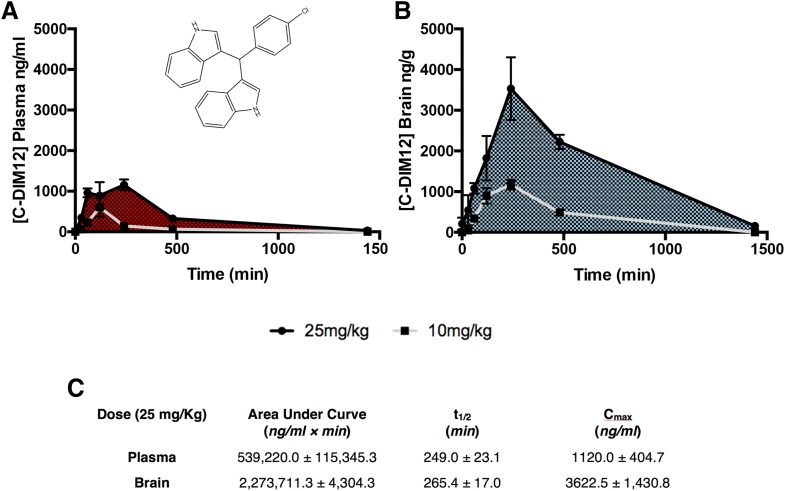
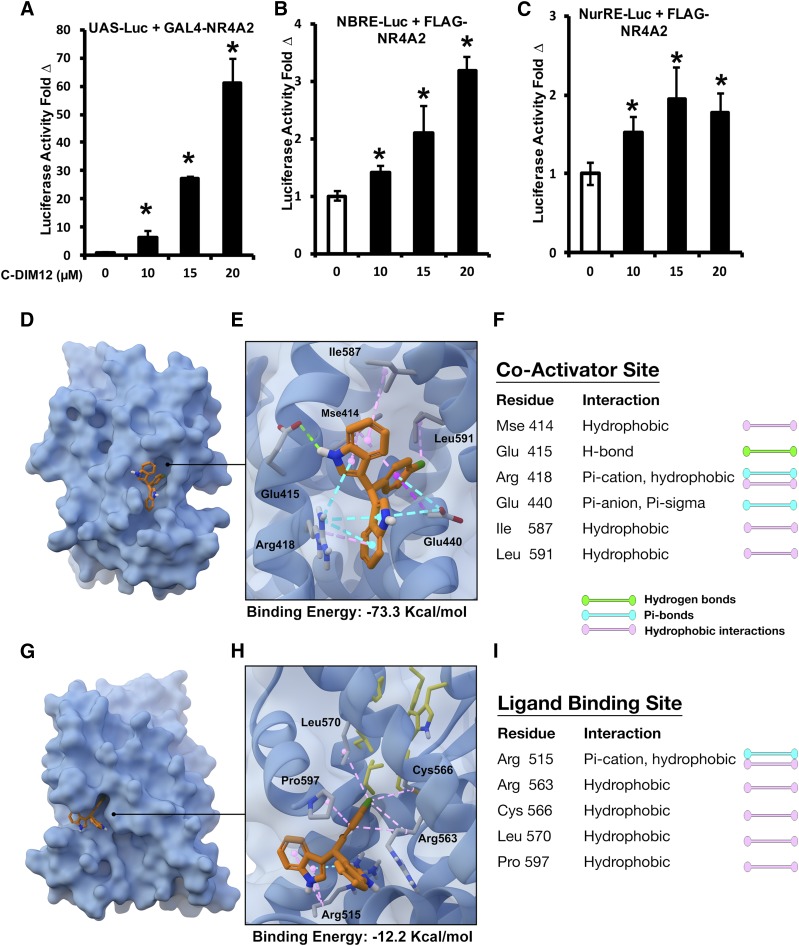
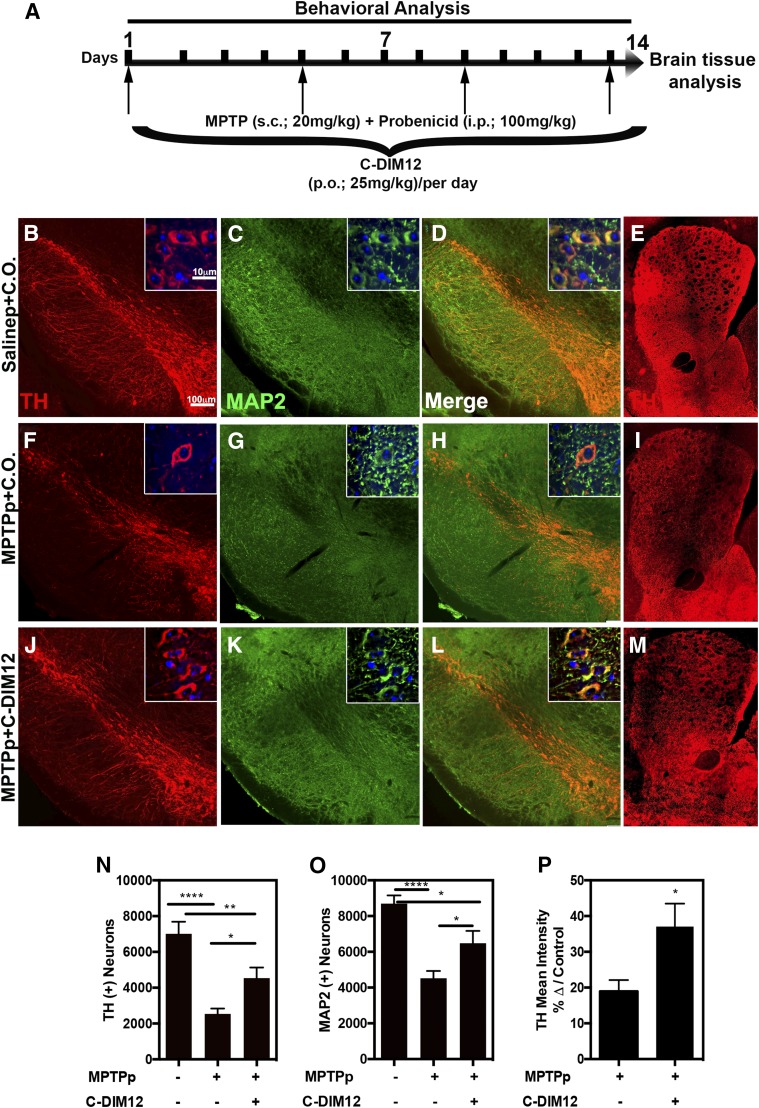
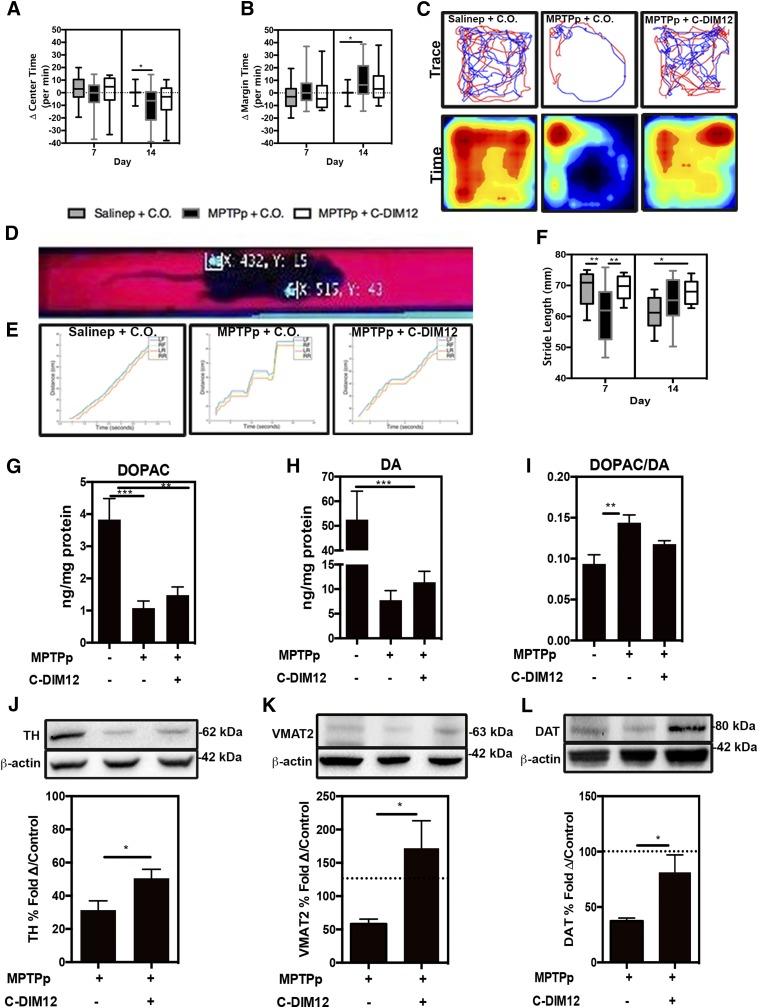
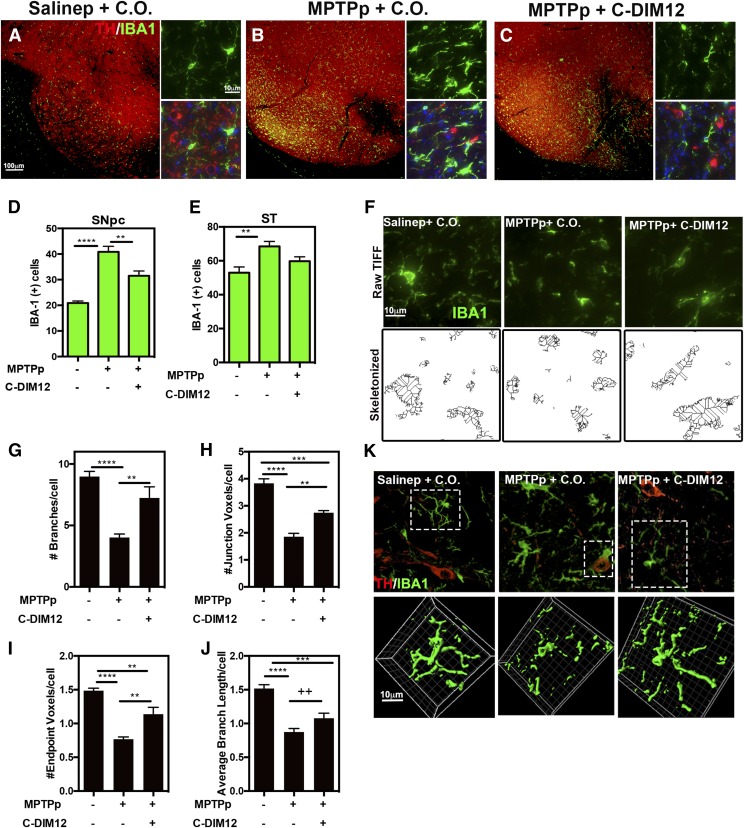
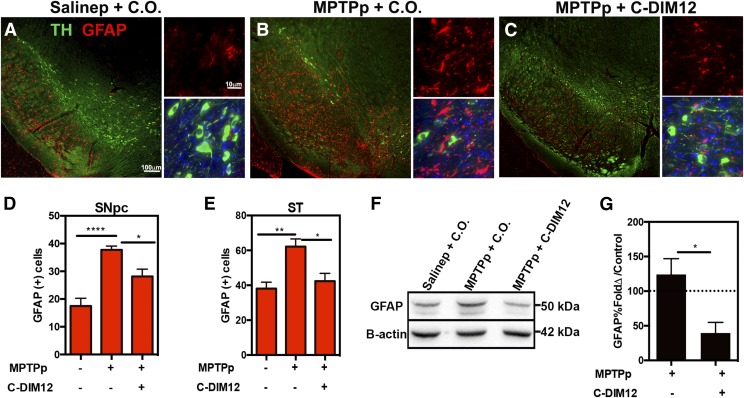
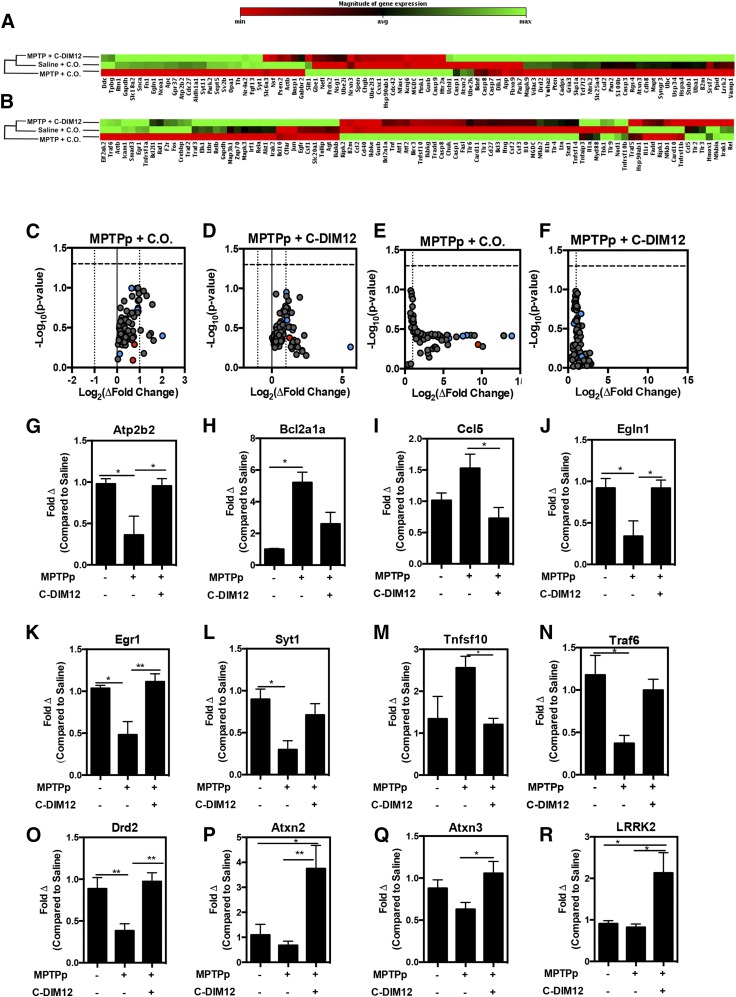
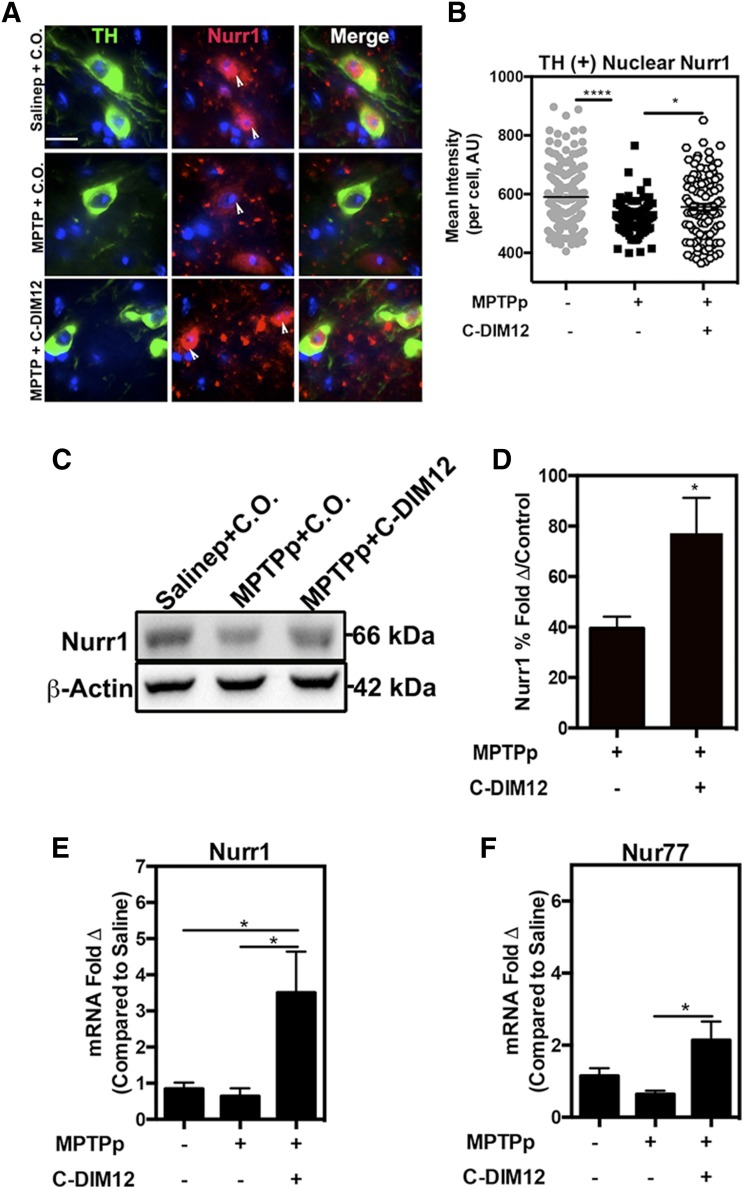
The orphan nuclear receptor Nurr1 (also called nuclear receptor-4A2) regulates inflammatory gene expression in glial cells, as well as genes associated with homeostatic and trophic function in dopaminergic neurons. Despite these known functions of Nurr1, an endogenous ligand has not been discovered. We postulated that the activation of Nurr1 would suppress the activation of glia and thereby protect against loss of dopamine (DA) neurons after subacute lesioning with 1-methyl-4-phenyl-1,2,3,6-tetrahydropyridine (MPTP). Our previous studies have shown that a synthetic Nurr1 ligand, 1,1-bis(3'-indolyl)-1-(-chlorophenyl)methane (C-DIM12), suppresses inflammatory gene expression in primary astrocytes and induces a dopaminergic phenotype in neurons. Pharmacokinetic analysis of C-DIM12 in mice by liquid chromatography-mass spectrometry demonstrated that approximately three times more compound concentrated in the brain than in plasma. Mice treated with four doses of MPTP + probenecid over 14 days were monitored for neurobehavioral function, loss of dopaminergic neurons, and glial activation. C-DIM12 protected against the loss of DA neurons in the substantia nigra pars compacta and DA terminals in the striatum, maintained a ramified phenotype in microglia, and suppressed activation of astrocytes. In vitro reporter assays demonstrated that C-DIM12 was an effective activator of Nurr1 transcription in neuronal cell lines. Computational modeling of C-DIM12 binding to the three-dimensional structure of human Nurr1 identified a high-affinity binding interaction with Nurr1 at the coactivator domain. Taken together, these data suggest that C-DIM12 is an activator of Nurr1 that suppresses glial activation and neuronal loss in vivo after treatment with MPTP, and that this receptor could be an efficacious target for disease modification in individuals with Parkinson's disease and related disorders.
孤儿核受体 Nurr1(也称为核受体-4A2)调节神经胶质细胞中的炎症基因表达,以及与多巴胺能神经元的稳态和营养功能相关的基因。尽管 Nurr1 具有这些已知功能,但尚未发现其内源性配体。我们假设 Nurr1 的激活会抑制神经胶质的激活,从而防止在亚急性 1-甲基-4-苯基-1,2,3,6-四氢吡啶(MPTP)损伤后多巴胺(DA)神经元的丢失。我们之前的研究表明,一种合成的 Nurr1 配体 1,1-双(3'-吲哚基)-1-(-氯苯基)甲烷(C-DIM12)可抑制原代星形胶质细胞中的炎症基因表达,并诱导神经元中的多巴胺能表型。通过液相色谱-质谱法对 C-DIM12 在小鼠中的药代动力学分析表明,该化合物在大脑中的浓度约为血浆中的三倍。用 MPTP+丙磺舒在 14 天内处理四剂的小鼠,监测其神经行为功能、多巴胺能神经元丢失和神经胶质激活。C-DIM12 可防止黑质致密部 DA 神经元和纹状体 DA 末梢的丢失,维持小胶质细胞的分枝表型,并抑制星形胶质细胞的激活。体外报告基因检测表明,C-DIM12 是神经元细胞系中 Nurr1 转录的有效激活剂。C-DIM12 与人类 Nurr1 三维结构的结合的计算模型确定了 Nurr1 共激活结构域与 Nurr1 的高亲和力结合相互作用。综上所述,这些数据表明,C-DIM12 是 Nurr1 的激活剂,可在 MPTP 治疗后体内抑制神经胶质激活和神经元丢失,并且该受体可能是帕金森病和相关疾病个体疾病修饰的有效靶点。