Department of Environmental and Molecular Toxicology, Oregon State University, ALS 1007, Corvallis, OR 97331, United States.
Biological Sciences Division, Pacific Northwest National Laboratory, Richland, WA 99352, United States.
Toxicol Appl Pharmacol. 2018 Sep 1;354:115-125. doi: 10.1016/j.taap.2018.03.029. Epub 2018 Apr 6.
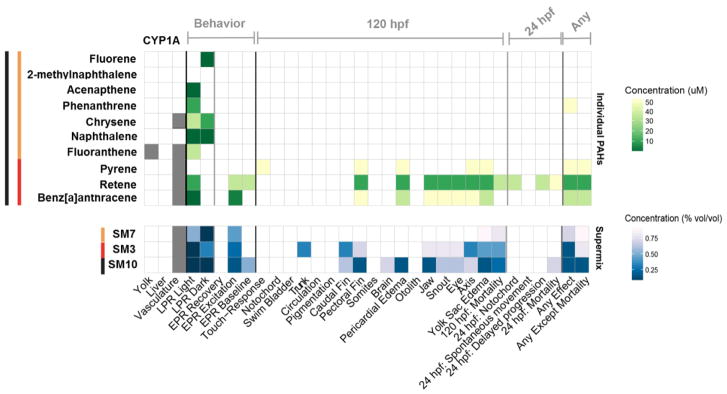
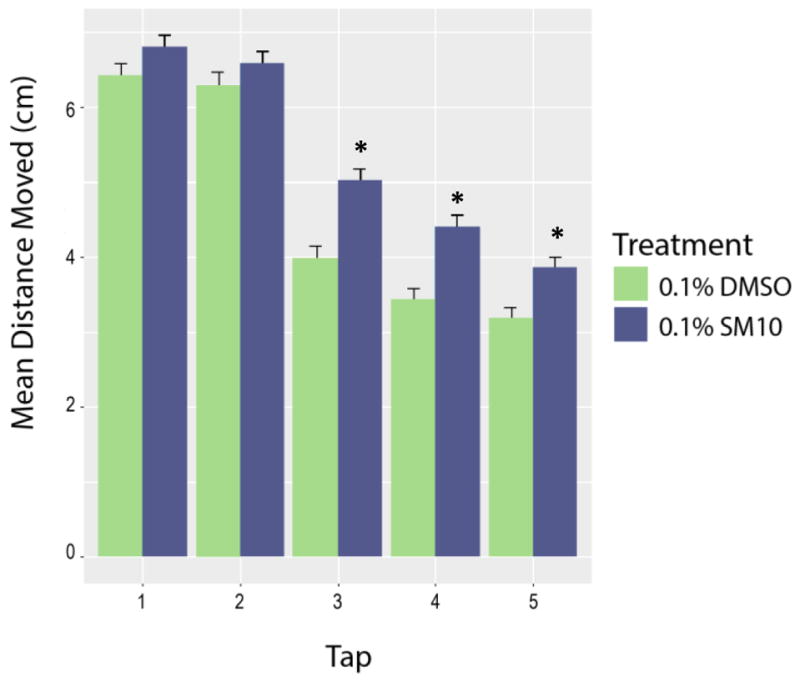
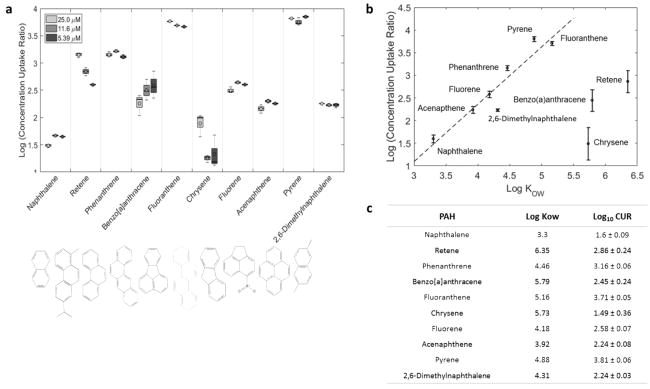
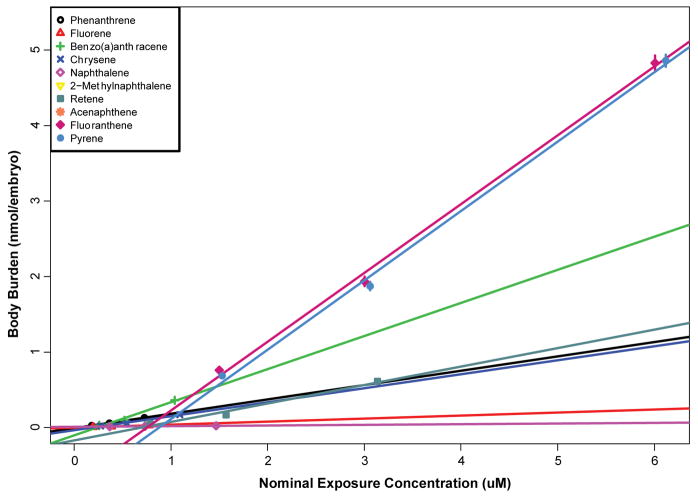
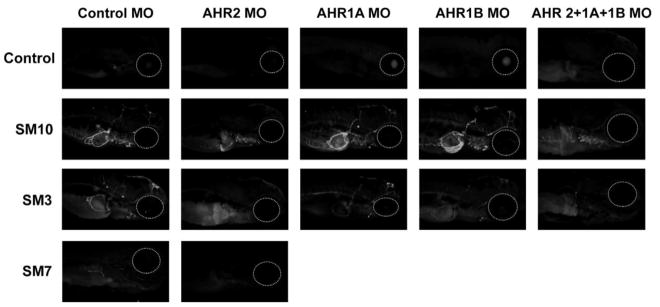
Superfund sites often consist of complex mixtures of polycyclic aromatic hydrocarbons (PAHs). It is widely recognized that PAHs pose risks to human and environmental health, but the risks posed by exposure to PAH mixtures are unclear. We constructed an environmentally relevant PAH mixture with the top 10 most prevalent PAHs (SM10) from a Superfund site derived from environmental passive sampling data. Using the zebrafish model, we measured body burden at 48 hours post fertilization (hpf) and evaluated the developmental and neurotoxicity of SM10 and the 10 individual constituents at 24 hours post fertilization (hpf) and 5 days post fertilization (dpf). Zebrafish embryos were exposed from 6 to 120 hpf to (1) the SM10 mixture, (2) a variety of individual PAHs: pyrene, fluoranthene, retene, benzo[a]anthracene, chrysene, naphthalene, acenaphthene, phenanthrene, fluorene, and 2-methylnaphthalene. We demonstrated that SM10 and only 3 of the individual PAHs were developmentally toxic. Subsequently, we constructed and exposed developing zebrafish to two sub-mixtures: SM3 (comprised of 3 of the developmentally toxicity PAHs) and SM7 (7 non-developmentally toxic PAHs). We found that the SM3 toxicity profile was similar to SM10, and SM7 unexpectedly elicited developmental toxicity unlike that seen with its individual components. The results demonstrated that the overall developmental toxicity in the mixtures could be explained using the general concentration addition model. To determine if exposures activated the AHR pathway, spatial expression of CYP1A was evaluated in the 10 individual PAHs and the 3 mixtures at 5 dpf. Results showed activation of AHR in the liver and vasculature for the mixtures and some individual PAHs. Embryos exposed to SM10 during development and raised in chemical-free water into adulthood exhibited decreased learning and responses to startle stimulus indicating that developmental SM10 exposures affect neurobehavior. Collectively, these results exemplify the utility of zebrafish to investigate the developmental and neurotoxicity of complex mixtures.
超级基金站点通常由多环芳烃 (PAHs) 的复杂混合物组成。人们普遍认识到 PAHs 对人类和环境健康构成风险,但暴露于 PAH 混合物所带来的风险尚不清楚。我们从环境被动采样数据中构建了一个源自超级基金站点的具有前 10 种最常见 PAHs(SM10)的具有环境相关性的 PAH 混合物。使用斑马鱼模型,我们在受精后 48 小时 (hpf) 测量了体内负荷,并在受精后 24 小时 (hpf) 和 5 天 (dpf) 评估了 SM10 和 10 种个体成分的发育和神经毒性。斑马鱼胚胎从 6 到 120 hpf 暴露于 (1) SM10 混合物,(2) 各种个体 PAHs:芘、荧蒽、屈、苯并[a]蒽、䓛、萘、苊、菲、芴和 2-甲基萘。我们证明了 SM10 和仅 3 种个体 PAH 具有发育毒性。随后,我们构建并暴露于发育中的斑马鱼以两种亚混合物:SM3(由 3 种具有发育毒性的 PAH 组成)和 SM7(7 种非发育毒性的 PAH)。我们发现 SM3 的毒性特征与 SM10 相似,而 SM7 出乎意料地引起了发育毒性,与单独成分不同。结果表明,混合物中的整体发育毒性可以用一般浓度加和模型来解释。为了确定暴露是否激活了 AHR 途径,在 10 种个体 PAH 和 3 种混合物中评估了 CYP1A 的空间表达在 5 dpf。结果表明,混合物和一些个体 PAH 在肝脏和脉管系统中激活了 AHR。在发育期间暴露于 SM10 并在成年期在无化学物质的水中饲养的胚胎表现出学习和对惊吓刺激的反应能力下降,表明发育中的 SM10 暴露会影响神经行为。总的来说,这些结果证明了斑马鱼在研究复杂混合物的发育和神经毒性方面的效用。