Department of Animal and Dairy Sciences, Mississippi State University, Mississippi State, MS, United States of America.
Department of Animal Sciences, Federal University of Ceara, Fortaleza, Ceara, Brazil.
PLoS One. 2018 Apr 10;13(4):e0195279. doi: 10.1371/journal.pone.0195279. eCollection 2018.
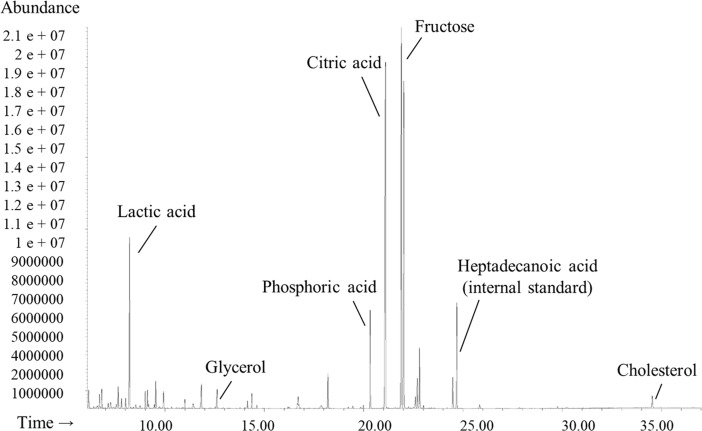
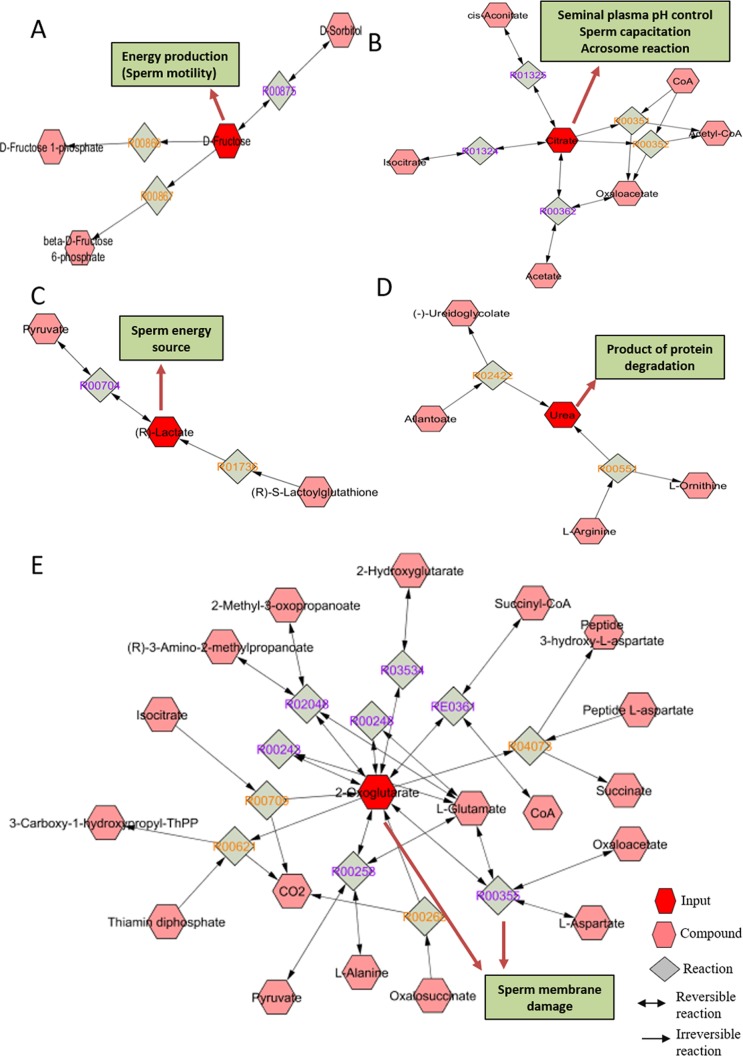
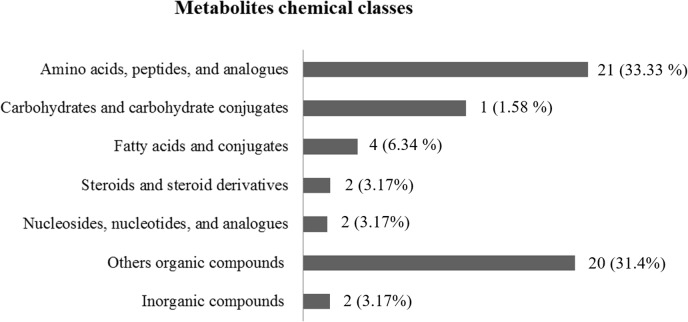
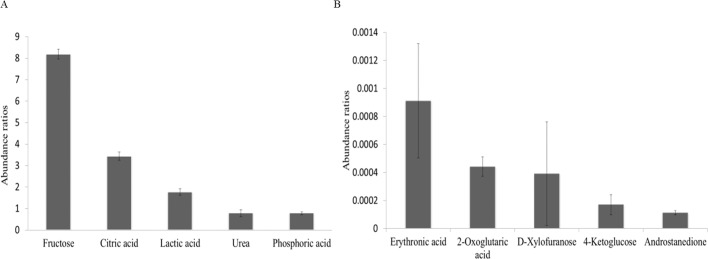
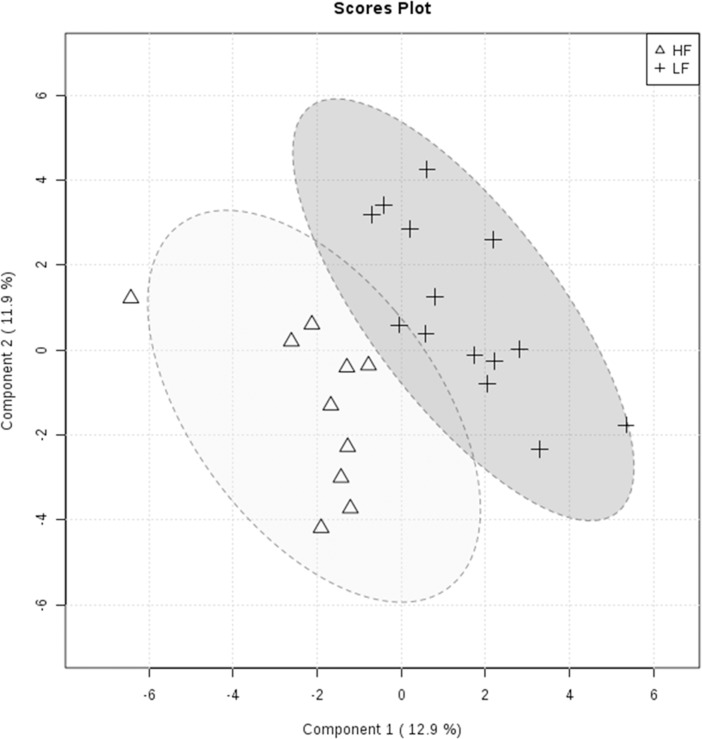
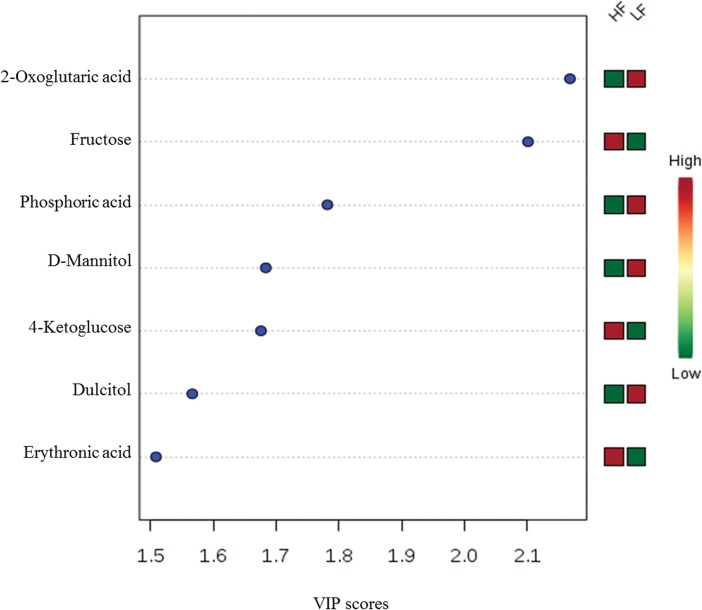
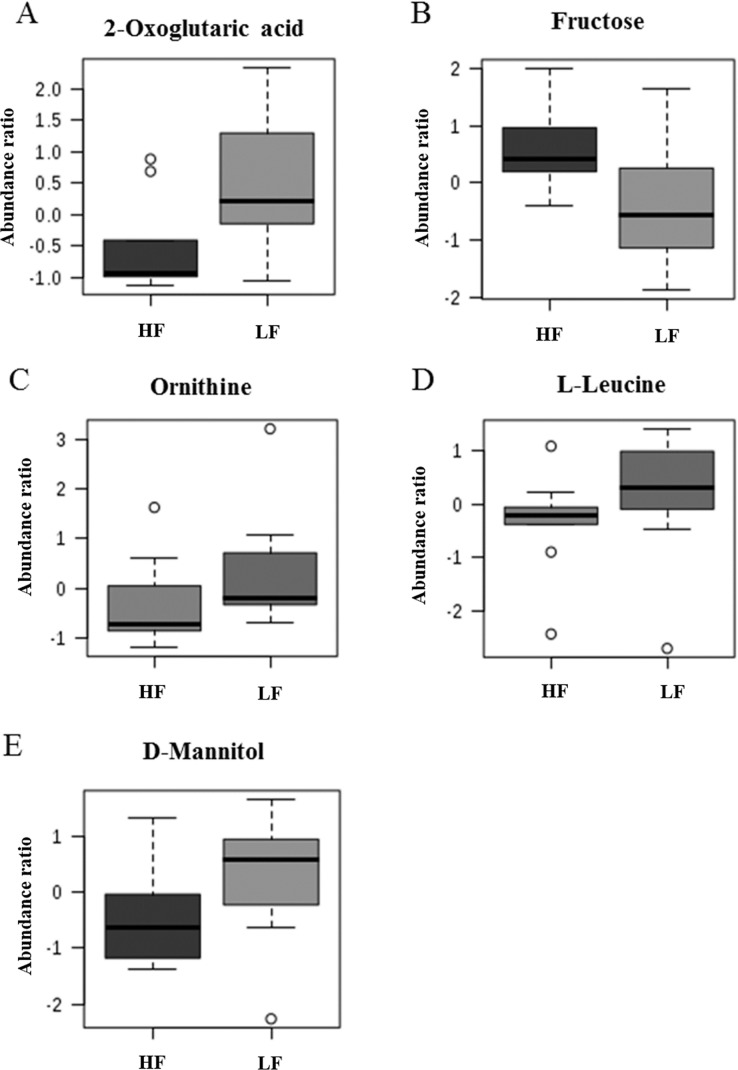
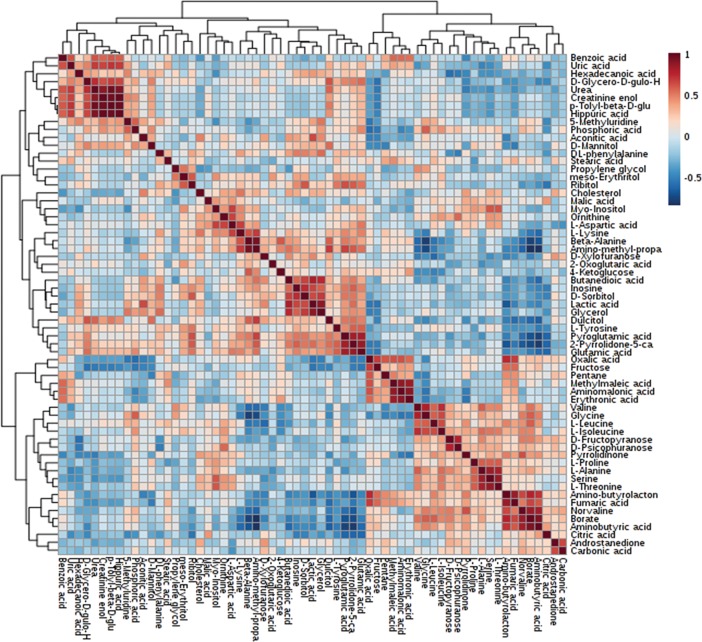
Metabolites play essential roles in biological systems, but detailed identities and significance of the seminal plasma metabolome related to bull fertility are still unknown. The objectives of this study were to determine the comprehensive metabolome of seminal plasma from Holstein bulls and to ascertain the potential of metabolites as biomarkers of bull fertility. The seminal plasma metabolome from 16 Holstein bulls with two fertility rates were determined by gas chromatography-mass spectrometry (GC-MS). Multivariate and univariate analyses of the data were performed, and the pathways associated with the seminal plasma metabolome were identified using bioinformatics approaches. Sixty-three metabolites were identified in the seminal plasma of all bulls. Fructose was the most abundant metabolite in the seminal fluid, followed for citric acid, lactic acid, urea and phosphoric acid. Androstenedione, 4-ketoglucose, D-xylofuranose, 2-oxoglutaric acid and erythronic acid represented the least predominant metabolites. Partial-Least Squares Discriminant Analysis (PLSDA) revealed a distinct separation between high and low fertility bulls. The metabolites with the greatest Variable Importance in Projection score (VIP > 2) were 2-oxoglutaric acid and fructose. Heat-map analysis, based on VIP score, and univariate analysis indicated that 2-oxoglutaric acid was less (P = 0.02); whereas fructose was greater (P = 0.02) in high fertility than in low fertility bulls. The current study is the first to describe the metabolome of bull seminal plasma using GC-MS and presented metabolites such as 2-oxoglutaric acid and fructose as potential biomarkers of bull fertility.
代谢物在生物系统中发挥着重要作用,但与公牛生育力相关的精浆代谢组的详细身份和意义仍不清楚。本研究的目的是确定荷斯坦公牛精液代谢组的综合特征,并确定代谢物作为公牛生育力生物标志物的潜力。通过气相色谱-质谱(GC-MS)测定了 16 头具有两种生育力的荷斯坦公牛的精液代谢组。对数据进行了多元和单变量分析,并使用生物信息学方法确定与精液代谢组相关的途径。在所有公牛的精液中鉴定出 63 种代谢物。果糖是精液中最丰富的代谢物,其次是柠檬酸、乳酸、尿素和磷酸。雄烯二酮、4-酮葡萄糖、D-木糖、2-氧戊二酸和赤藓糖代表最不占优势的代谢物。偏最小二乘判别分析(PLSDA)显示高生育力和低生育力公牛之间有明显的分离。具有最大投影得分变量重要性(VIP > 2)的代谢物是 2-氧戊二酸和果糖。基于 VIP 得分的热图分析和单变量分析表明,2-氧戊二酸(P = 0.02)较少;而果糖(P = 0.02)在高生育力公牛中比在低生育力公牛中更高。本研究首次使用 GC-MS 描述了公牛精液代谢组,并提出了 2-氧戊二酸和果糖等代谢物作为公牛生育力的潜在生物标志物。