Department of Microbiology, Tumor and Cell Biology, Karolinska Institutet and Department of Clinical Microbiology, Karolinska University Hospital, Stockholm, Sweden.
Department of Molecular Biology and the Umeå Centre for Microbial Research (UCMR), Umeå University, Umeå, Sweden.
mBio. 2018 Apr 10;9(2):e00559-18. doi: 10.1128/mBio.00559-18.
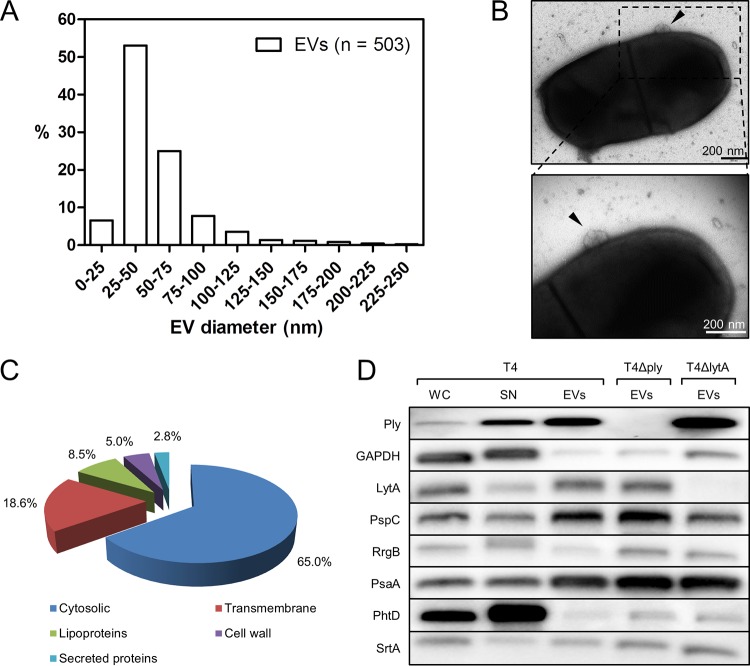
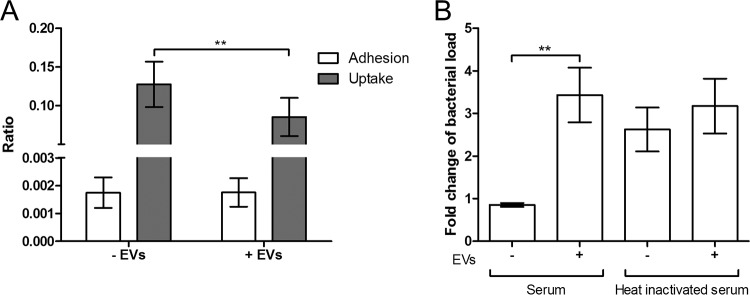
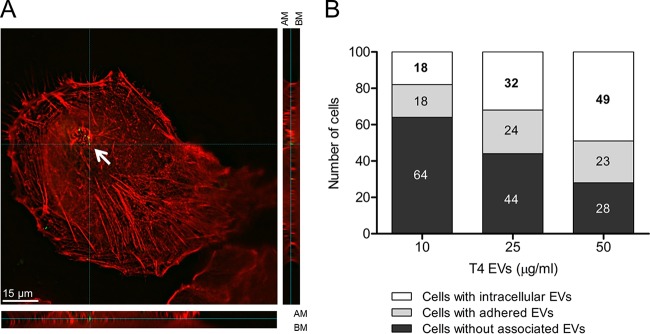
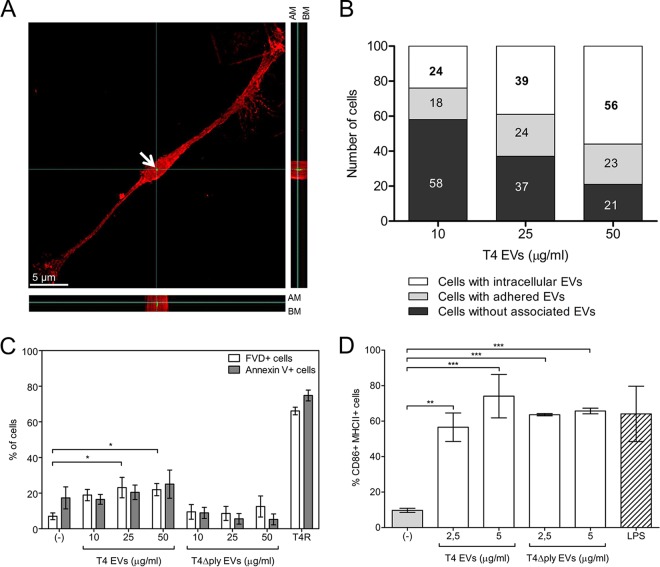
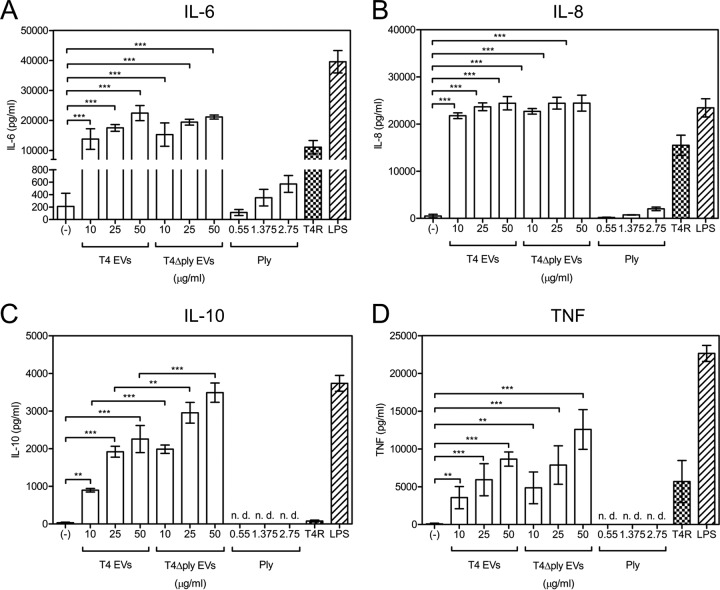
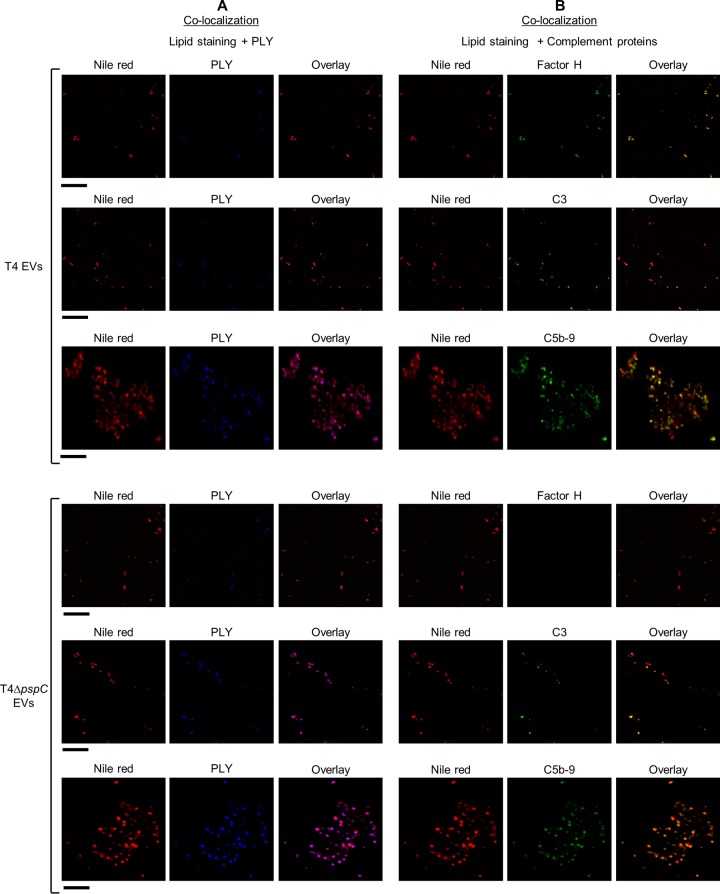
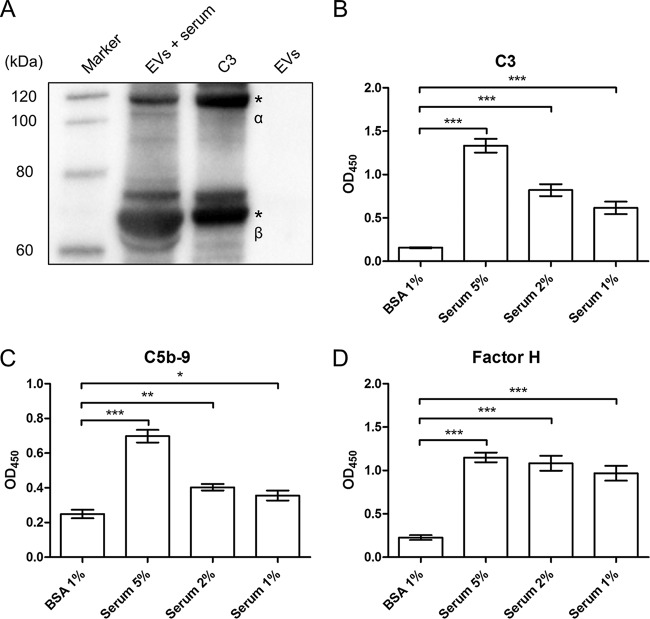
Gram-positive bacteria, including the major respiratory pathogen , were recently shown to produce extracellular vesicles (EVs) that likely originate from the plasma membrane and are released into the extracellular environment. EVs may function as cargo for many bacterial proteins, however, their involvement in cellular processes and their interactions with the innate immune system are poorly understood. Here, EVs from pneumococci were characterized and their immunomodulatory effects investigated. Pneumococcal EVs were protruding from the bacterial surface and released into the medium as 25 to 250 nm lipid stained vesicles containing a large number of cytosolic, membrane, and surface-associated proteins. The cytosolic pore-forming toxin pneumolysin was significantly enriched in EVs compared to a total bacterial lysate but was not required for EV formation. Pneumococcal EVs were internalized into A549 lung epithelial cells and human monocyte-derived dendritic cells and induced proinflammatory cytokine responses irrespective of pneumolysin content. EVs from encapsulated pneumococci were recognized by serum proteins, resulting in C3b deposition and formation of C5b-9 membrane attack complexes as well as factor H recruitment, depending on the presence of the choline binding protein PspC. Addition of EVs to human serum decreased opsonophagocytic killing of encapsulated pneumococci. Our data suggest that EVs may act in an immunomodulatory manner by allowing delivery of vesicle-associated proteins and other macromolecules into host cells. In addition, EVs expose targets for complement factors in serum, promoting pneumococcal evasion of humoral host defense. is a major contributor to morbidity and mortality worldwide, being the major cause of milder respiratory tract infections such as otitis and sinusitis and of severe infections such as community-acquired pneumonia, with or without septicemia, and meningitis. More knowledge is needed on how pneumococci interact with the host, deliver virulence factors, and activate immune defenses. Here we show that pneumococci form extracellular vesicles that emanate from the plasma membrane and contain virulence properties, including enrichment of pneumolysin. We found that pneumococcal vesicles can be internalized into epithelial and dendritic cells and bind complement proteins, thereby promoting pneumococcal evasion of complement-mediated opsonophagocytosis. They also induce pneumolysin-independent proinflammatory responses. We suggest that these vesicles can function as a mechanism for delivery of pneumococcal proteins and other immunomodulatory components into host cells and help pneumococci to avoid complement deposition and phagocytosis-mediated killing, thereby possibly contributing to the symptoms found in pneumococcal infections.
革兰氏阳性菌,包括主要的呼吸道病原体,最近被证明会产生细胞外囊泡(EVs),这些囊泡可能源自质膜,并被释放到细胞外环境中。EVs 可能作为许多细菌蛋白的载体,但它们在细胞过程中的作用及其与先天免疫系统的相互作用知之甚少。在这里,我们对肺炎球菌的 EVs 进行了表征,并研究了它们的免疫调节作用。肺炎球菌 EVs 从细菌表面突出,并以 25 至 250nm 的脂质染色囊泡的形式释放到培养基中,其中包含大量细胞质、膜和表面相关蛋白。与全细菌裂解物相比,细胞质孔形成毒素肺炎球菌溶血素在 EVs 中显著富集,但不是 EV 形成所必需的。肺炎球菌 EVs 被 A549 肺上皮细胞和人单核细胞衍生的树突状细胞内化,并诱导促炎细胞因子反应,而与肺炎球菌溶血素的含量无关。包被肺炎球菌的 EVs 被血清蛋白识别,导致 C3b 沉积和 C5b-9 膜攻击复合物的形成,以及因子 H 的募集,这取决于胆碱结合蛋白 PspC 的存在。向人血清中添加 EVs 会降低包被肺炎球菌的调理吞噬杀伤作用。我们的数据表明,EVs 可以通过将囊泡相关蛋白和其他大分子递送到宿主细胞中来发挥免疫调节作用。此外,EVs 暴露于血清中的补体因子的靶标,促进肺炎球菌逃避体液宿主防御。是全球发病率和死亡率的主要原因,是轻度呼吸道感染(如中耳炎和鼻窦炎)和严重感染(如社区获得性肺炎,伴有或不伴有败血症和脑膜炎)的主要原因。需要更多了解肺炎球菌如何与宿主相互作用、传递毒力因子以及激活免疫防御。在这里,我们表明肺炎球菌形成从质膜发出的细胞外囊泡,其中包含包括肺炎球菌溶血素在内的毒力特性。我们发现肺炎球菌囊泡可以被内化到上皮细胞和树突状细胞中,并结合补体蛋白,从而促进肺炎球菌逃避补体介导的调理吞噬作用。它们还诱导与肺炎球菌溶血素无关的促炎反应。我们认为这些囊泡可以作为一种机制,将肺炎球菌蛋白和其他免疫调节成分递送到宿主细胞中,并帮助肺炎球菌避免补体沉积和吞噬细胞介导的杀伤,从而可能导致肺炎球菌感染中发现的症状。