Department of Plant Pathology, Physiology and Weed Science, Virginia Tech, Blacksburg, Virginia, United States of America.
Departments of Horticulture and Crop Science and Molecular Genetics, Ohio State University, Columbus, Ohio, United States of America.
PLoS One. 2018 Apr 11;13(4):e0195559. doi: 10.1371/journal.pone.0195559. eCollection 2018.
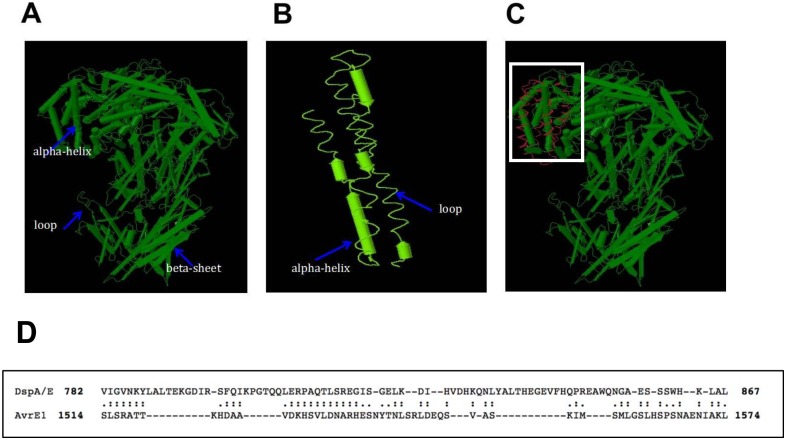
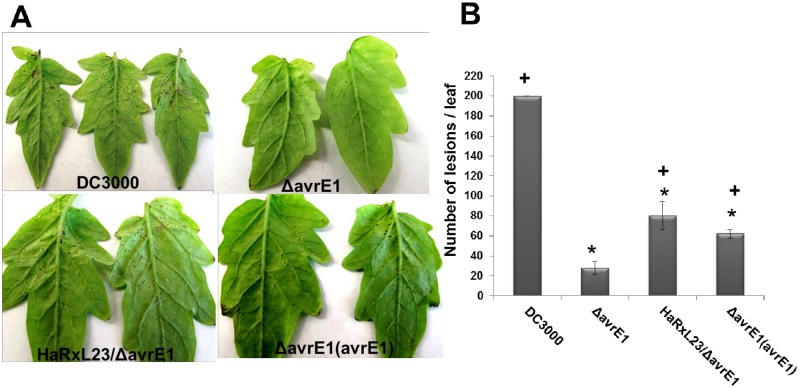
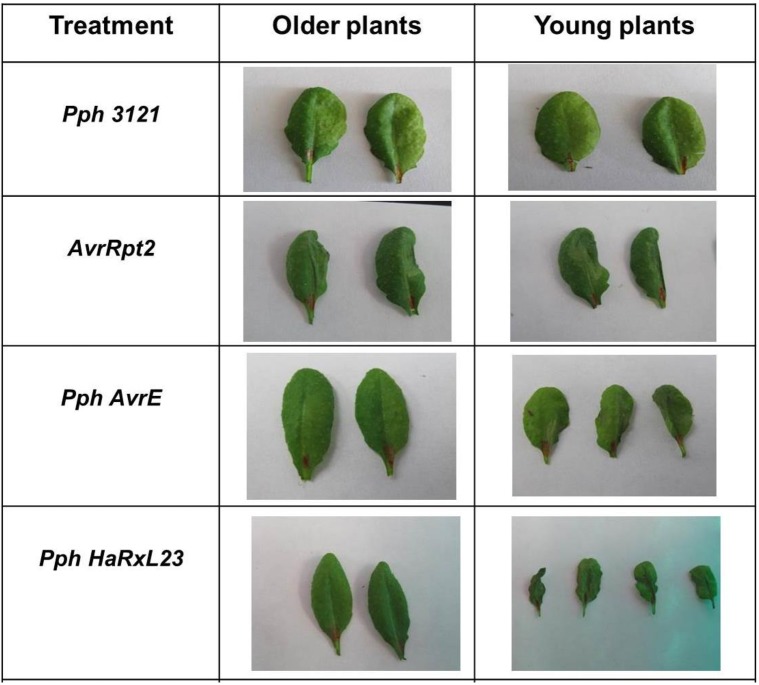
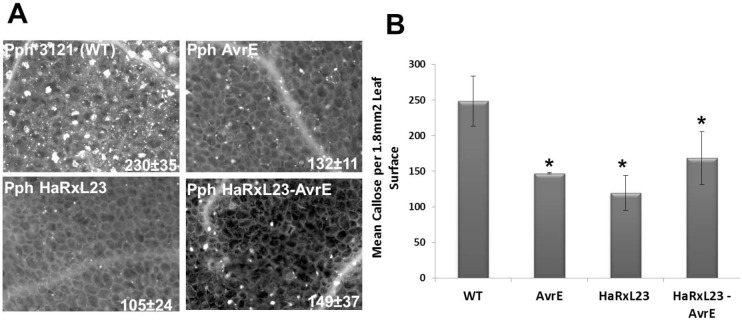
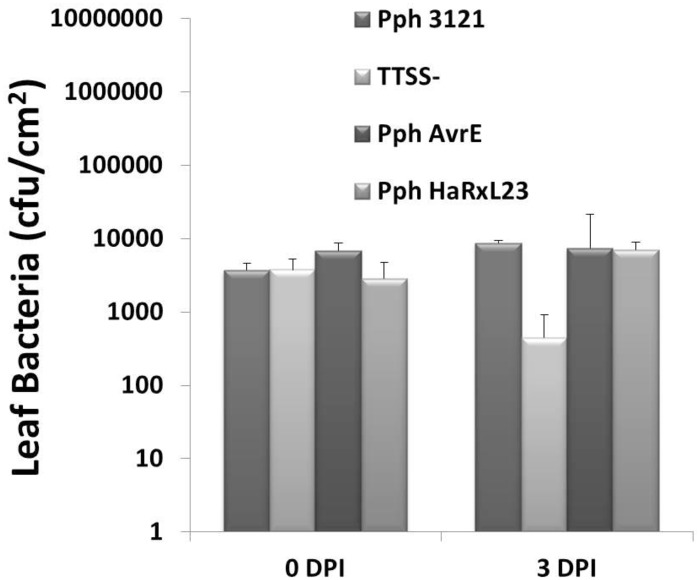
Diverse plant pathogens export effector proteins to reprogram host cells. One of the most challenging goals in the molecular plant-microbe field is to functionally characterize the complex repertoires of effectors secreted by these pathogens. For bacterial pathogens, the predominant class of effectors is delivered to host cells by Type III secretion. For oomycetes, the predominant class of effectors is defined by a signal peptide that mediates secretion from the oomycete and a conserved RxLR motif. Downy mildew pathogens and Phytophthora species maintain hundreds of candidate RxLR effector genes in their genomes. Although no primary sequence similarity is evident between bacterial Type III effectors (T3Es) and oomycete RXLR effectors, some bacterial and oomycete effectors have convergently evolved to target the same host proteins. Such effectors might have evolved domains that are functionally similar but sequence-unrelated. We reasoned that alignment-free bioinformatics approaches could be useful to identify structural similarities between bacterial and oomycete effectors. To test this approach, we used partial least squares regression, alignment-free bioinformatics methods to identify effector proteins from the genome of the oomycete Hyaloperonospora arabidopsidis that are similar to the well-studied AvrE1 effector from Pseudomonas syringae. This approach identified five RxLR proteins with putative structural similarity to AvrE1. We focused on one, HaRxL23, because it is an experimentally validated effector and it is conserved between distantly related oomycetes. Several experiments indicate that HaRxL23 is functionally similar to AvrE1, including the ability to partially rescue an AvrE1 loss-of-function mutant. This study provides an example of how an alignment-free bioinformatics approach can identify functionally similar effector proteins in the absence of primary sequence similarity. This approach could be useful to identify effectors that have convergently evolved regardless of whether the shared host target is known.
不同的植物病原体向宿主细胞输出效应蛋白以重新编程宿主细胞。在分子植物-微生物领域,最具挑战性的目标之一是对这些病原体分泌的复杂效应蛋白进行功能表征。对于细菌病原体,主要的效应蛋白是通过 III 型分泌系统输送到宿主细胞的。对于卵菌,主要的效应蛋白由介导从卵菌分泌的信号肽和保守的 RxLR 基序定义。霜霉病病原体和 Phytophthora 物种在其基因组中维持数百个候选 RxLR 效应基因。尽管细菌 III 型效应物(T3E)和卵菌 RXLR 效应物之间没有明显的一级序列相似性,但一些细菌和卵菌效应物已趋同进化以靶向相同的宿主蛋白。这些效应物可能进化出具有功能相似但序列无关的结构域。我们推断,无比对生物信息学方法可用于识别细菌和卵菌效应物之间的结构相似性。为了验证这种方法,我们使用偏最小二乘回归,无比对生物信息学方法从卵菌 Hyaloperonospora arabidopsidis 的基因组中鉴定与 Pseudomonas syringae 中研究充分的 AvrE1 效应物相似的效应蛋白。该方法鉴定了五个具有与 AvrE1 假定结构相似的 RxLR 蛋白。我们专注于一个,HaRxL23,因为它是一个经过实验验证的效应物,并且在亲缘关系较远的卵菌之间是保守的。几项实验表明,HaRxL23 在功能上与 AvrE1 相似,包括部分挽救 AvrE1 功能丧失突变体的能力。本研究提供了一个例子,说明在没有一级序列相似性的情况下,无比对生物信息学方法如何识别功能相似的效应蛋白。这种方法可用于识别无论共享的宿主靶标是否已知,都具有趋同进化的效应物。