Udo Isaac Assam, Onwuezobe Ifeanyi A, Umeh Kingsley U
Department of Surgery, University of Uyo, University of Uyo Teaching Hospital, Uyo, Akwa Ibom State, Nigeria.
Department of Medical Microbiology, University of Uyo, University of Uyo Teaching Hospital, Uyo, Akwa Ibom State, Nigeria.
Niger J Surg. 2018 Jan-Jun;24(1):19-22. doi: 10.4103/njs.NJS_21_17.
The use of prosthetic biomaterials for reconstructing and reinforcing the posterior wall of the inguinal canal reduces the incidence of hernia recurrence. Cost, availability of mesh, and perhaps reluctance to adopt a new technique are factors which prevent widespread practice of hernioplasty in low-resource settings. Use of resterilized mesh significantly reduces the cost of hernioplasty and is safe.
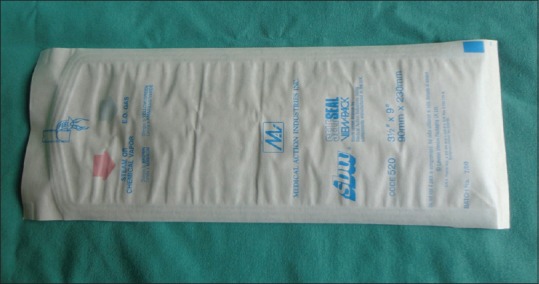
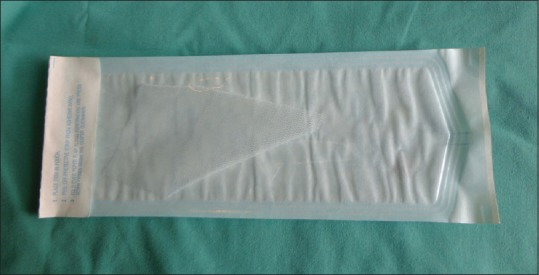
Sheets of 30 cm × 30 cm polypropylene mesh were cut into 16 cm × 8 cm to produce mesh strips which were repackaged into SELFSEAL (Medical Action Industries Inc., USA) sterilizing pouches measuring 90 mm × 230 mm and autoclaved. At repair, the strips are shaped to fit the anatomy of the posterior wall of the inguinal canal, a slit created at one end and applied in Lichtenstein repair of inguinal hernias. Patients were monitored for seroma collection and wound infection up to 2 weeks postoperative period.
Sixty inguinal hernia repairs were done in 58 patients using the resterilized mesh; two cases being bilateral. One patient (1.7%) had seroma collection at 2 weeks which was aseptically aspirated. We did not record any case of wound infection.
The use of sterilized polypropylene mesh for the repair of inguinal hernias is safe and reduced the cost of hernioplasty by reducing the cost of polypropylene mesh. This technique is recommended in low-resource settings.
使用人工生物材料重建和加固腹股沟管后壁可降低疝复发率。成本、补片的可获得性以及可能对采用新技术的抵触情绪是阻碍在资源匮乏地区广泛开展疝修补术的因素。重复灭菌补片的使用显著降低了疝修补术的成本且安全。
将30 cm×30 cm的聚丙烯补片剪成16 cm×8 cm,制成补片条,重新包装进尺寸为90 mm×230 mm的SELFSEAL(美国医疗行动工业公司)消毒袋中并进行高压灭菌。修补时,将补片条塑形以适应腹股沟管后壁的解剖结构,在一端切开一个小口,用于腹股沟疝的Lichtenstein修补术。对患者进行术后2周的血清肿形成和伤口感染监测。
58例患者共进行了60例腹股沟疝修补术,其中2例为双侧修补。1例患者(1.7%)在术后2周出现血清肿,经无菌抽吸处理。未记录到任何伤口感染病例。
使用灭菌聚丙烯补片修补腹股沟疝是安全的,且通过降低聚丙烯补片成本降低了疝修补术的费用。该技术在资源匮乏地区值得推荐。