Bii Victor M, Collins Casey P, Hocum Jonah D, Trobridge Grant D
College of Pharmacy, Washington State University, Spokane 99210, WA, USA.
School of Molecular Biosciences, Washington State University, Pullman 99164, WA, USA.
Oncotarget. 2018 Feb 15;9(21):15451-15463. doi: 10.18632/oncotarget.24503. eCollection 2018 Mar 20.
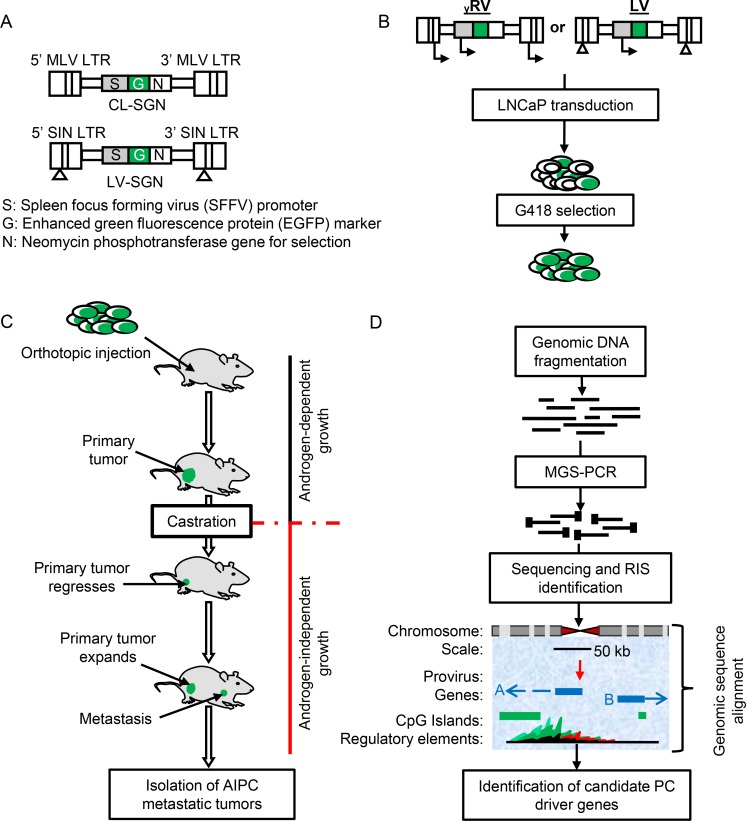
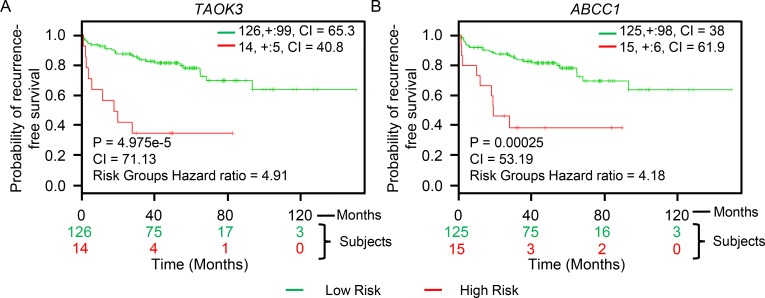
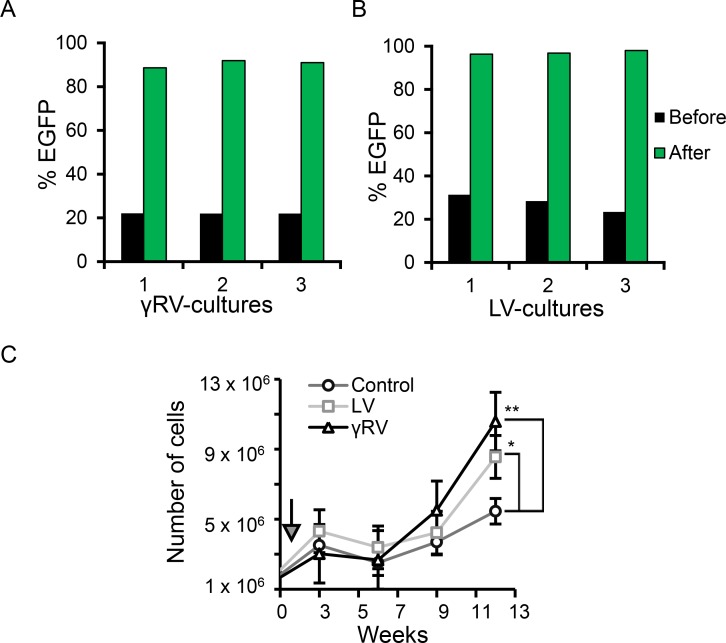
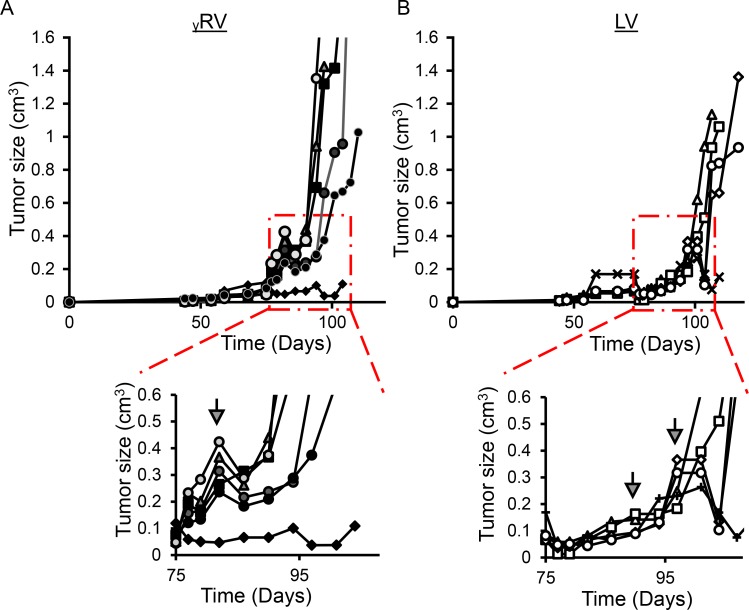
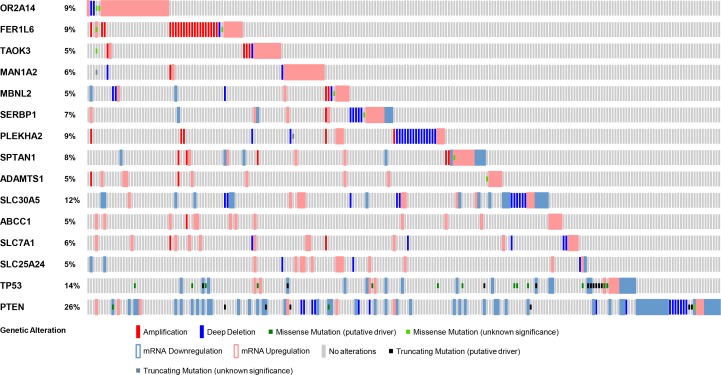
Replication-incompetent gammaretroviral (γRV) and lentiviral (LV) vectors have both been used in insertional mutagenesis screens to identify cancer drivers. In this approach the vectors stably integrate in the host cell genome and induce cancers by dysregulating nearby genes. The cells that contain a retroviral vector provirus in or near a proto-oncogene or tumor suppressor are preferentially enriched in a tumor. γRV and LV vectors have different integration profiles and genotoxic potential, making them potentially complementary tools for insertional mutagenesis screens. We performed screens using both γRV and LV vectors to identify driver genes that mediate progression of androgen-independent prostate cancer (AIPC) using a xenotransplant mouse model. Vector transduced LNCaP cells were injected orthotopically into the prostate gland of immunodeficient mice. Mice that developed tumors were castrated to create an androgen-deficient environment and metastatic tumors that developed were analyzed. A high-throughput modified genomic sequencing PCR (MGS-PCR) approach identified the positions of vector integrations in these metastatic tumors. , , , , , , , , , , , and were identified as candidate prostate cancer (PC) progression genes. and expression in PC patients predicted the risk of recurrence after androgen deprivation therapy. Our data shows that γRV and LV vectors are complementary approaches to identify cancer driver genes which may be promising potential biomarkers and therapeutic targets.
无复制能力的γ逆转录病毒(γRV)和慢病毒(LV)载体都已用于插入诱变筛选以鉴定癌症驱动基因。在这种方法中,载体稳定整合到宿主细胞基因组中,并通过失调附近的基因诱导癌症。在原癌基因或肿瘤抑制基因中或其附近含有逆转录病毒载体前病毒的细胞在肿瘤中优先富集。γRV和LV载体具有不同的整合谱和遗传毒性潜力,使其成为插入诱变筛选的潜在互补工具。我们使用γRV和LV载体进行筛选,以利用异种移植小鼠模型鉴定介导雄激素非依赖性前列腺癌(AIPC)进展的驱动基因。将载体转导的LNCaP细胞原位注射到免疫缺陷小鼠的前列腺中。对发生肿瘤的小鼠进行去势以创建雄激素缺乏的环境,并分析发生的转移性肿瘤。一种高通量改良基因组测序PCR(MGS-PCR)方法确定了这些转移性肿瘤中载体整合的位置。 、 、 、 、 、 、 、 、 、 、 和 被鉴定为候选前列腺癌(PC)进展基因。PC患者中 和 的表达预测了雄激素剥夺治疗后复发的风险。我们的数据表明,γRV和LV载体是鉴定癌症驱动基因的互补方法,这些基因可能是有前景的潜在生物标志物和治疗靶点。