Institute of Bioengineering, School of Engineering and Materials Science, Queen Mary University of London, London, UK.
Department of Laboratory Medicine, Xinhua Hospital, School of Medicine, Shanghai Jiao Tong University, Shanghai 200092, China.
Acta Biomater. 2018 May;72:434-446. doi: 10.1016/j.actbio.2018.03.054. Epub 2018 Apr 9.
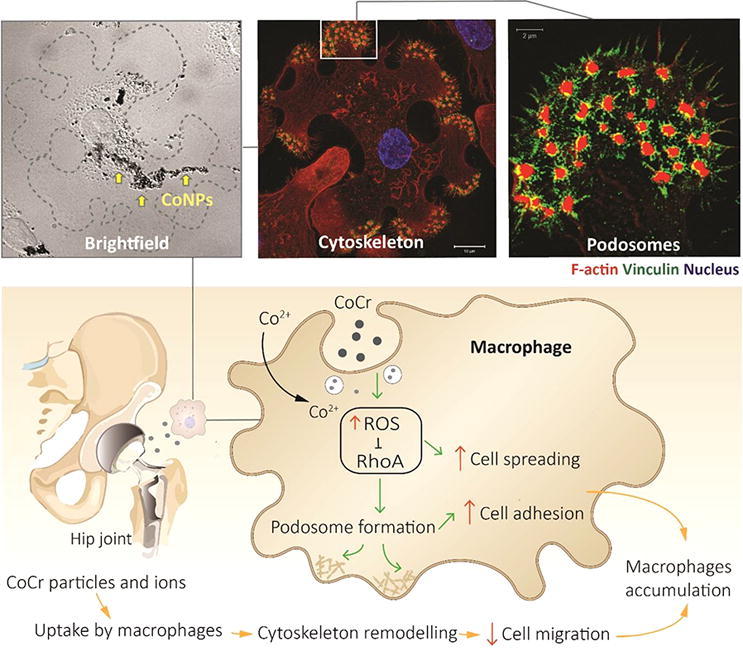
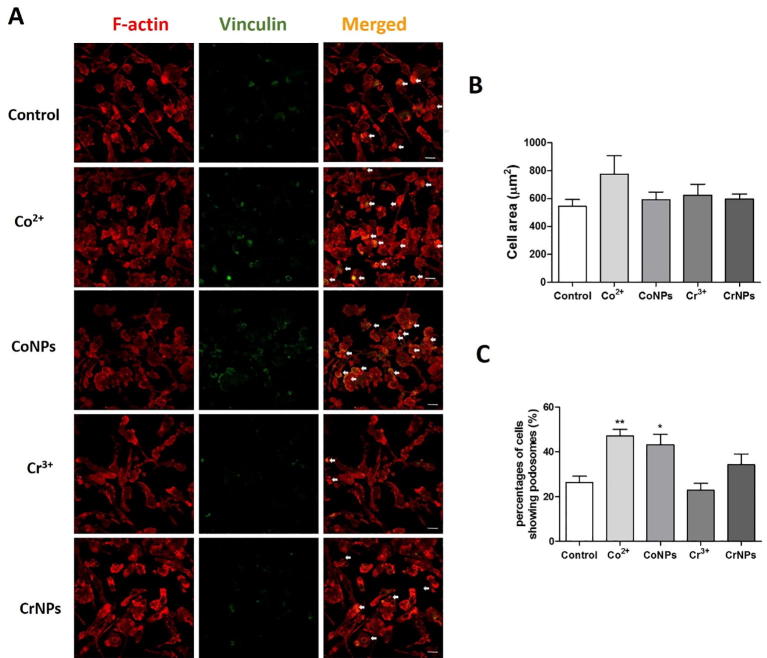
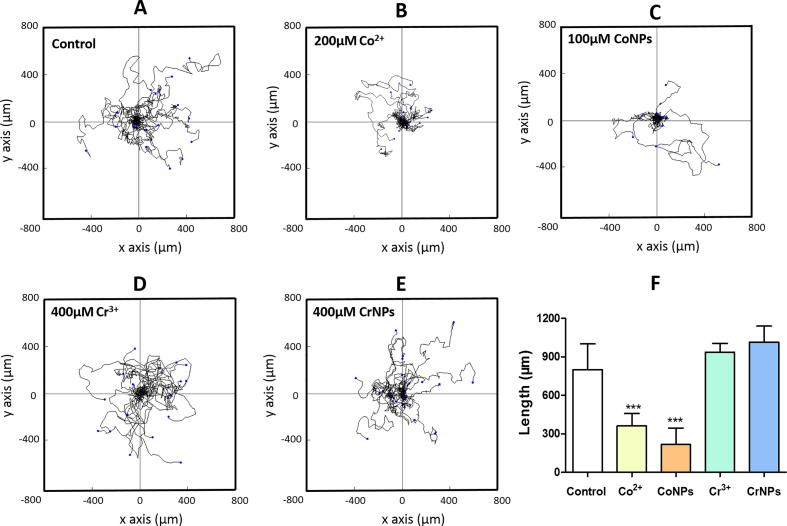
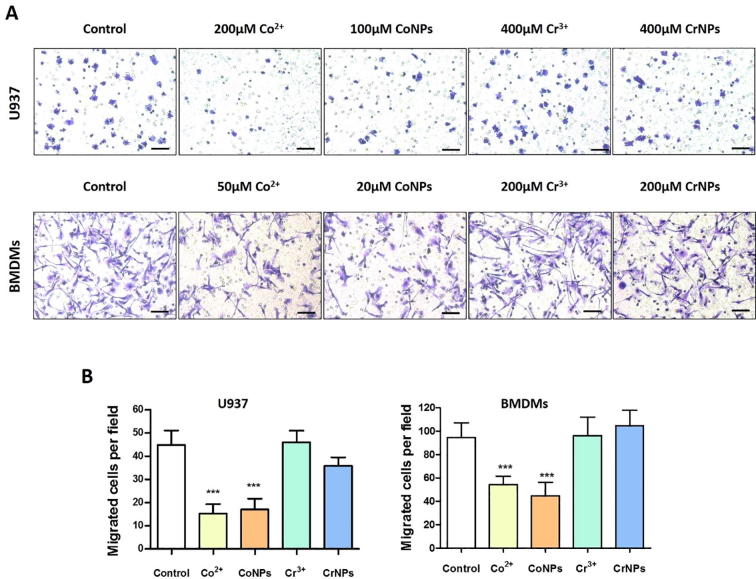
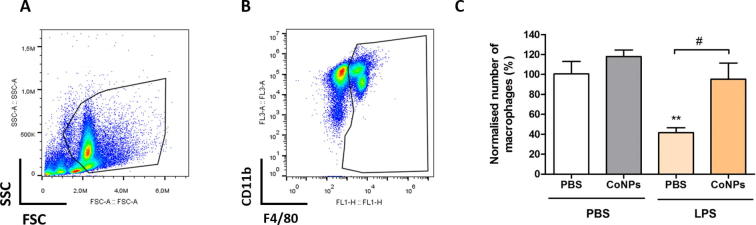
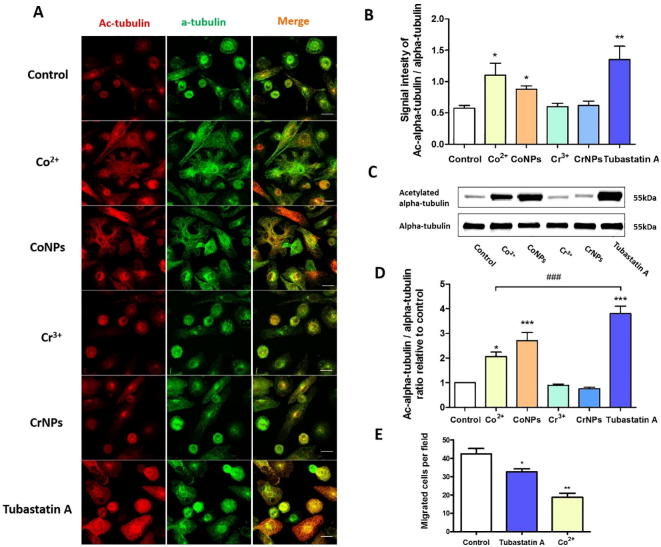
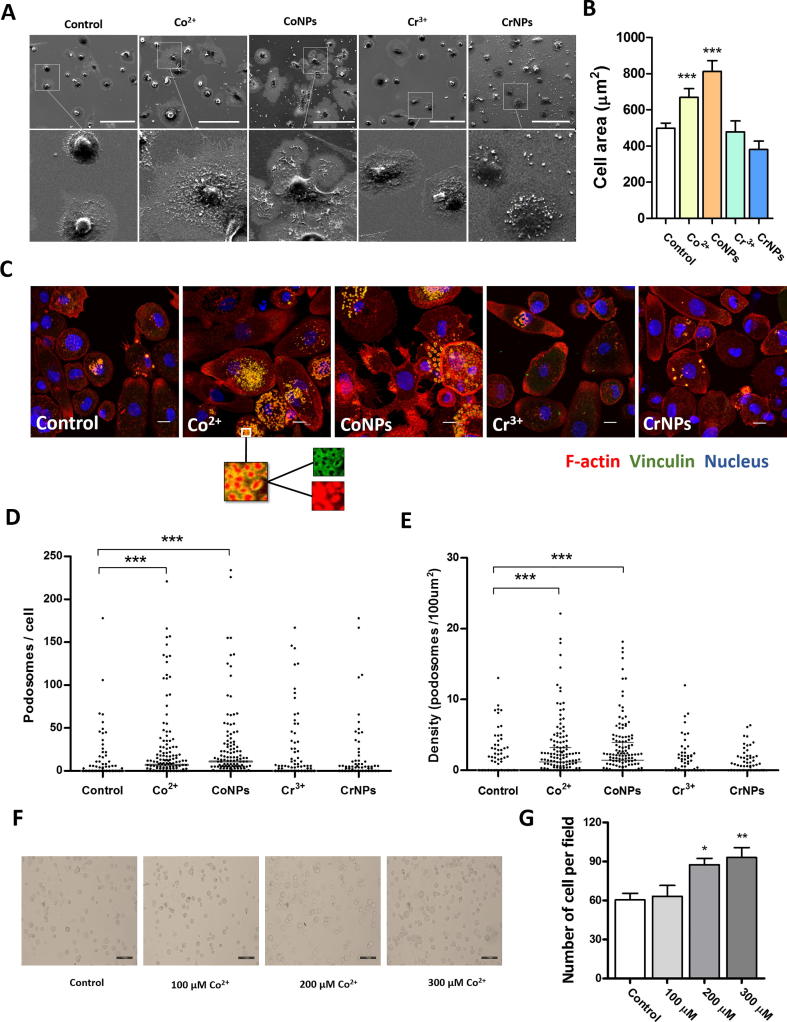
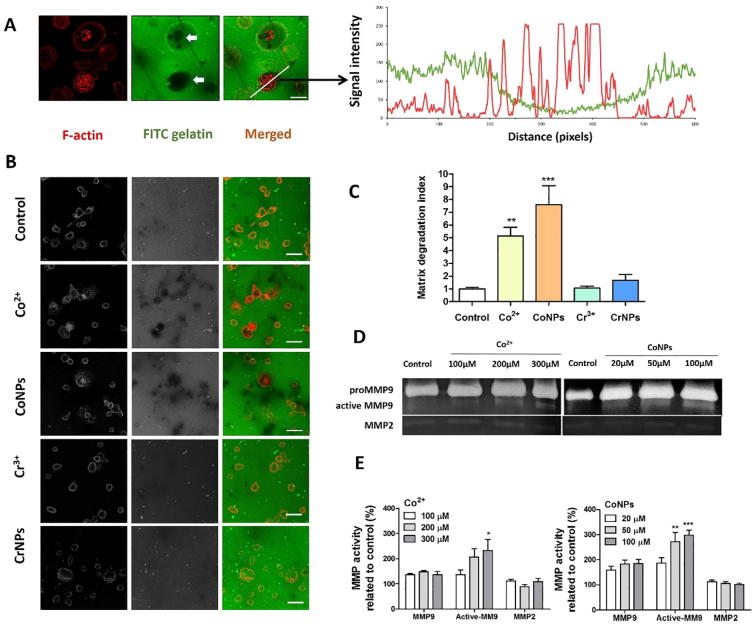
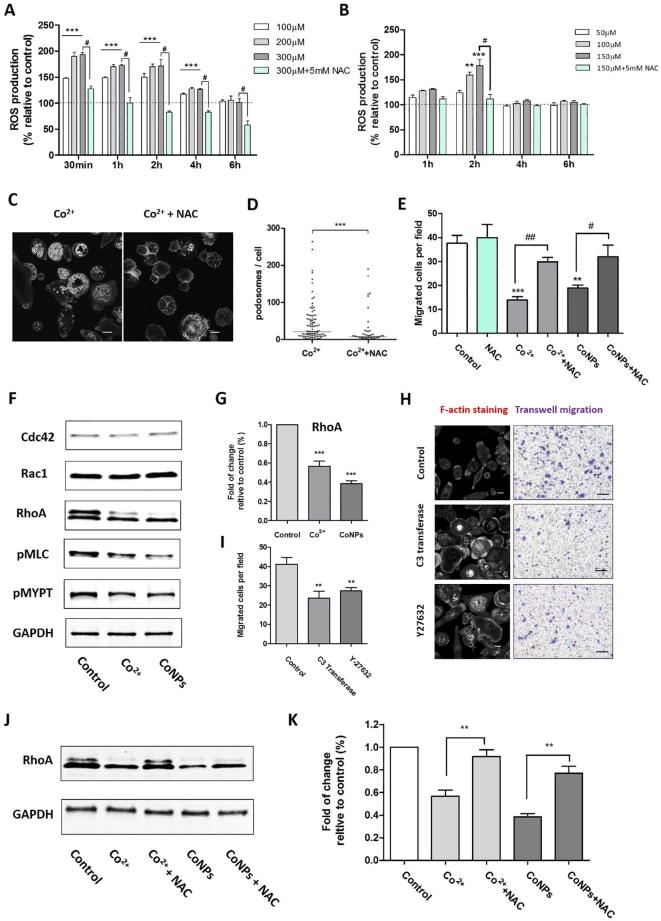
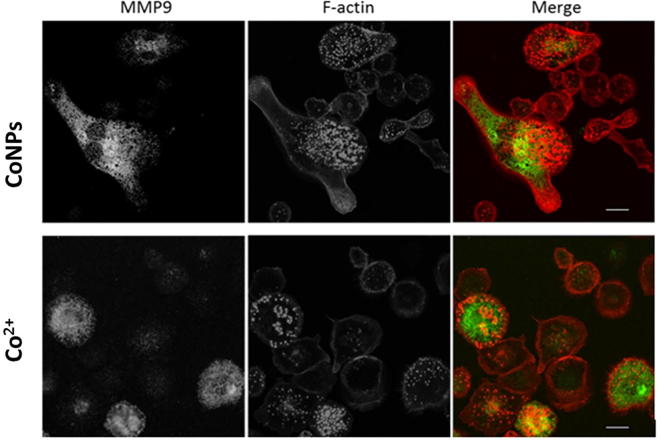
Histological assessments of synovial tissues from patients with failed CoCr alloy hip prostheses demonstrate extensive infiltration and accumulation of macrophages, often loaded with large quantities of particulate debris. The resulting adverse reaction to metal debris (ARMD) frequently leads to early joint revision. Inflammatory response starts with the recruitment of immune cells and requires the egress of macrophages from the inflamed site for resolution of the reaction. Metal ions (Co and Cr) have been shown to stimulate the migration of T lymphocytes but their effects on macrophages motility are still poorly understood. To elucidate this, we studied in vitro and in vivo macrophage migration during exposure to cobalt and chromium ions and nanoparticles. We found that cobalt but not chromium significantly reduces macrophage motility. This involves increase in cell spreading, formation of intracellular podosome-type adhesion structures and enhanced cell adhesion to the extracellular matrix (ECM). The formation of podosomes was also associated with the production and activation of matrix metalloproteinase-9 (MMP9) and enhanced ECM degradation. We showed that these were driven by the down-regulation of RhoA signalling through the generation of reactive oxygen species (ROS). These novel findings reveal the key mechanisms driving the wear/corrosion metallic byproducts-induced inflammatory response at non-toxic concentrations.
Adverse tissue responses to metal wear and corrosion products from CoCr alloy implants remain a great challenge to surgeons and patients. Macrophages are the key regulators of these adverse responses to the ions and debris generated. We demonstrated that cobalt, rather than chromium, causes macrophage retention by restructuring the cytoskeleton and inhibiting cell migration via ROS production that affects Rho Family GTPase. This distinctive effect of cobalt on macrophage behaviour can help us understand the pathogenesis of ARMD and the cellular response to cobalt based alloys, which provide useful information for future implant design and biocompatibility testing.
对钴铬合金髋关节假体失败患者的滑膜组织进行组织学评估表明,大量巨噬细胞浸润和积聚,这些巨噬细胞常常负载大量的颗粒状碎片。对金属碎片的不良反应(ARMD)经常导致早期关节翻修。炎症反应始于免疫细胞的募集,并需要巨噬细胞从炎症部位迁出,以解决反应。已经表明金属离子(Co 和 Cr)刺激 T 淋巴细胞的迁移,但它们对巨噬细胞迁移的影响仍知之甚少。为了阐明这一点,我们研究了体外和体内巨噬细胞在暴露于钴和铬离子和纳米颗粒时的迁移。我们发现,钴而不是铬显著降低了巨噬细胞的迁移能力。这涉及细胞铺展的增加、细胞内足突样黏附结构的形成以及细胞与细胞外基质(ECM)的黏附增强。足突的形成也与基质金属蛋白酶-9(MMP9)的产生和激活以及 ECM 降解的增强有关。我们表明,这些是通过产生活性氧物质(ROS)下调 RhoA 信号驱动的。这些新发现揭示了在非毒性浓度下驱动磨损/腐蚀金属副产物引起炎症反应的关键机制。
来自 CoCr 合金植入物的金属磨损和腐蚀产物的不良组织反应仍然是外科医生和患者的巨大挑战。巨噬细胞是这些对生成的离子和碎片的不良反应的关键调节者。我们证明,钴而不是铬通过产生影响 Rho 家族 GTPase 的 ROS 来重塑细胞骨架并抑制细胞迁移,从而导致巨噬细胞的滞留。钴对巨噬细胞行为的这种独特影响可以帮助我们了解 ARMD 的发病机制和对钴基合金的细胞反应,为未来的植入物设计和生物相容性测试提供有用信息。