Department of Biology, University of Pennsylvania, Philadelphia, Pennsylvania, United States of America.
Department of Soil and Plant Sciences, University of Delaware, Newark, Delaware, United States of America.
PLoS Genet. 2018 Apr 19;14(4):e1007337. doi: 10.1371/journal.pgen.1007337. eCollection 2018 Apr.
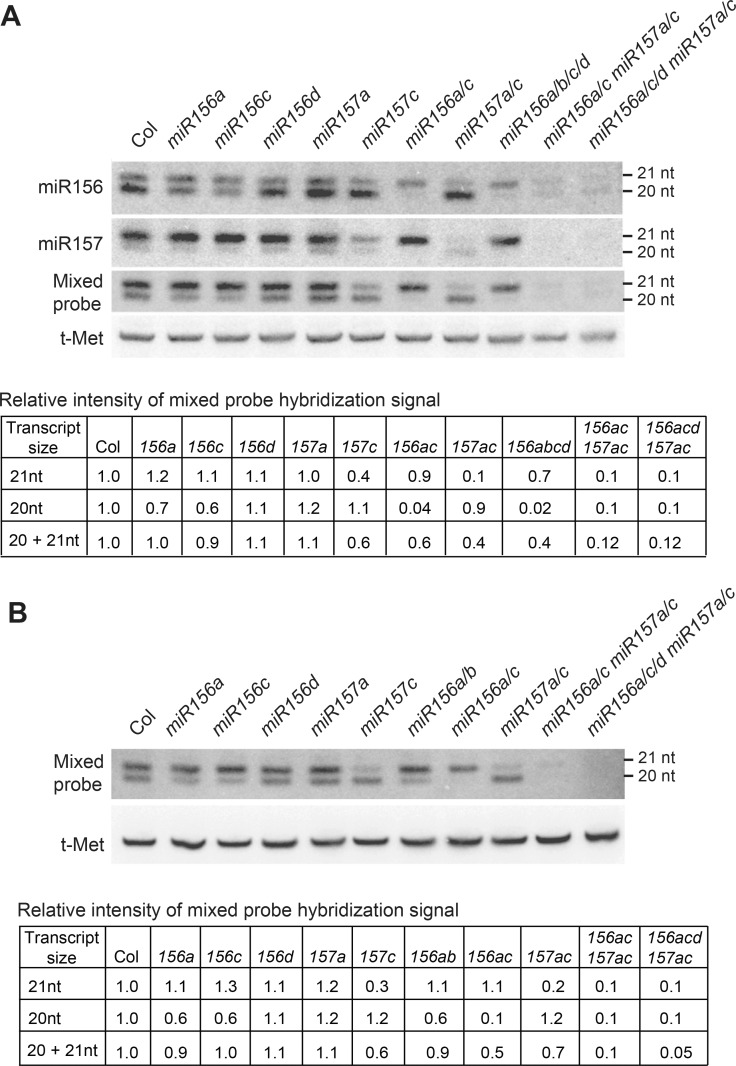
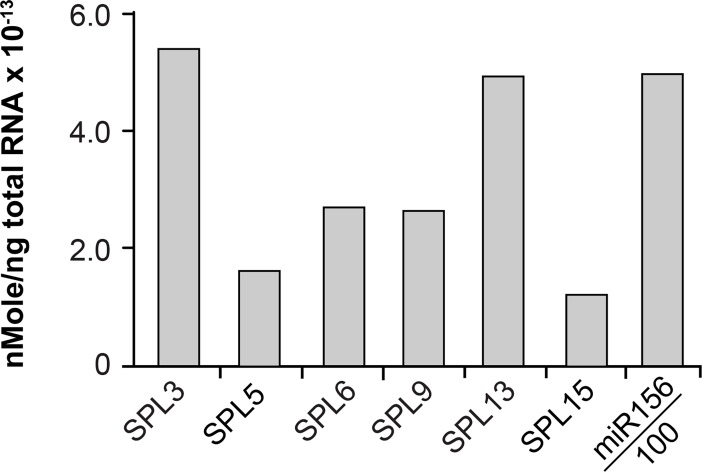
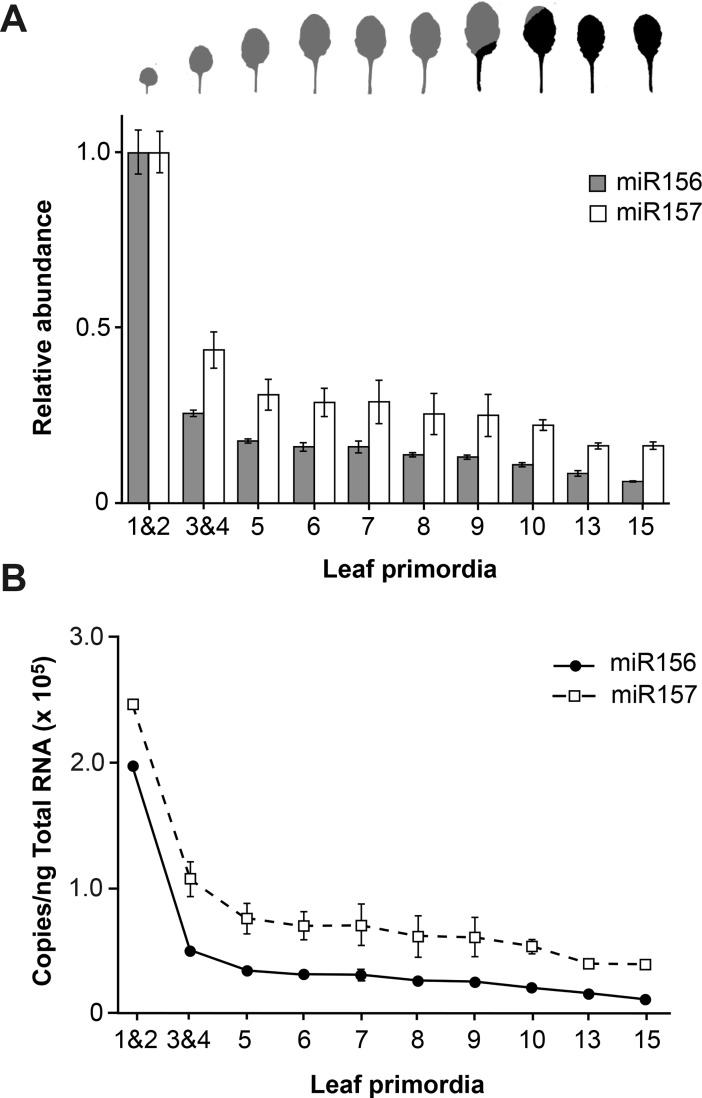
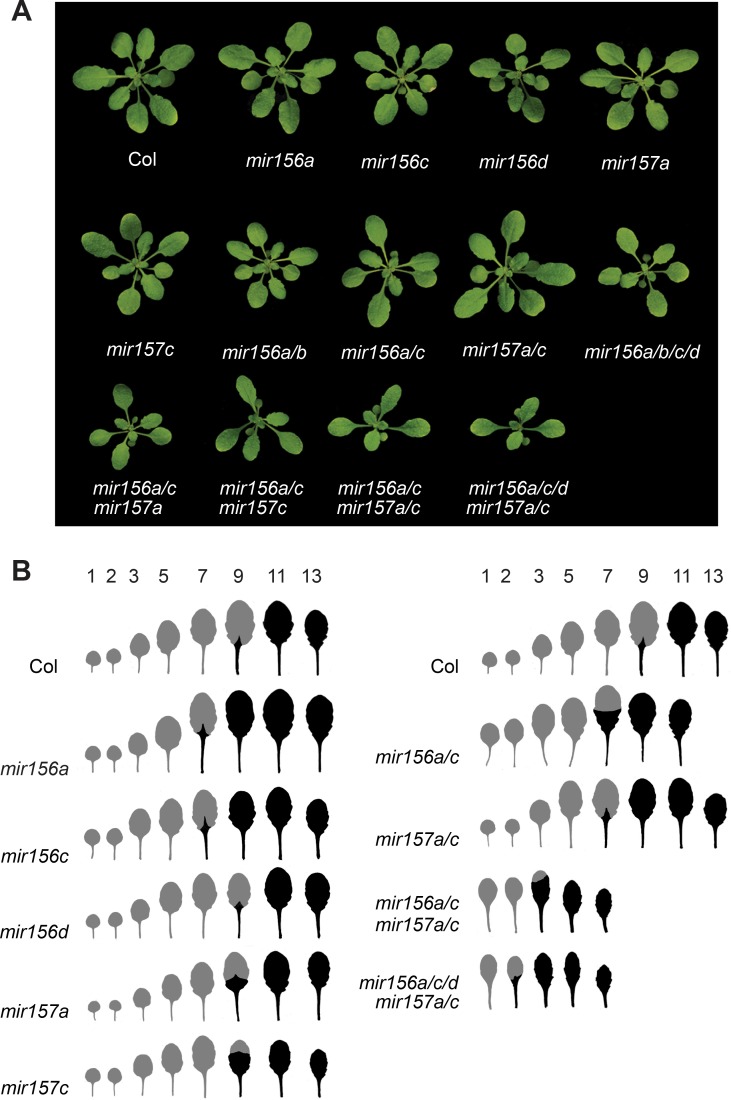
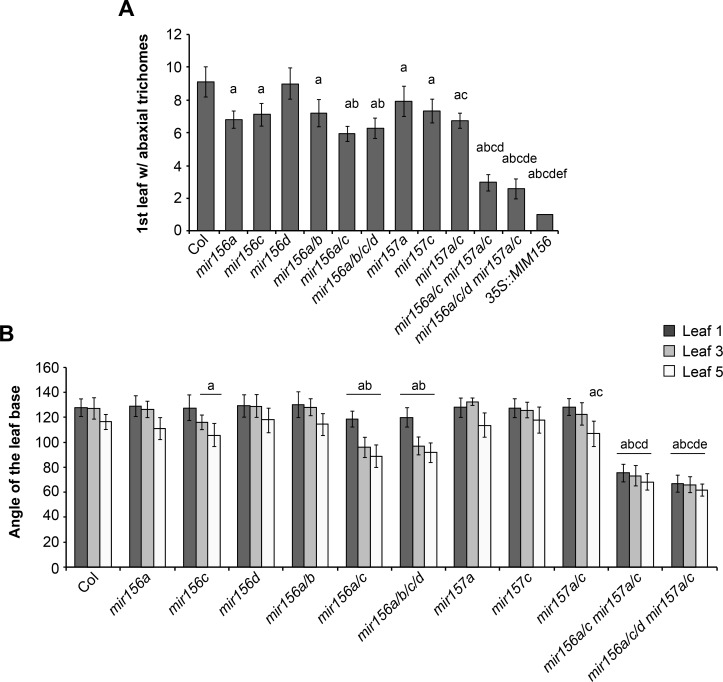
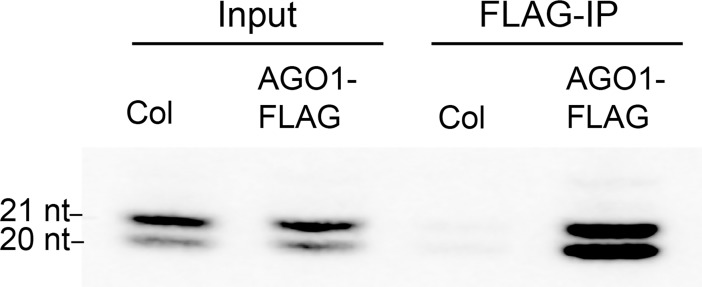
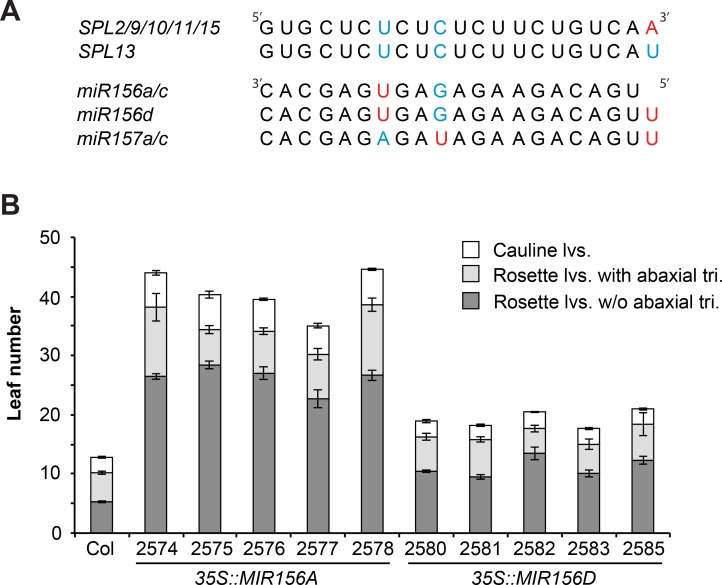
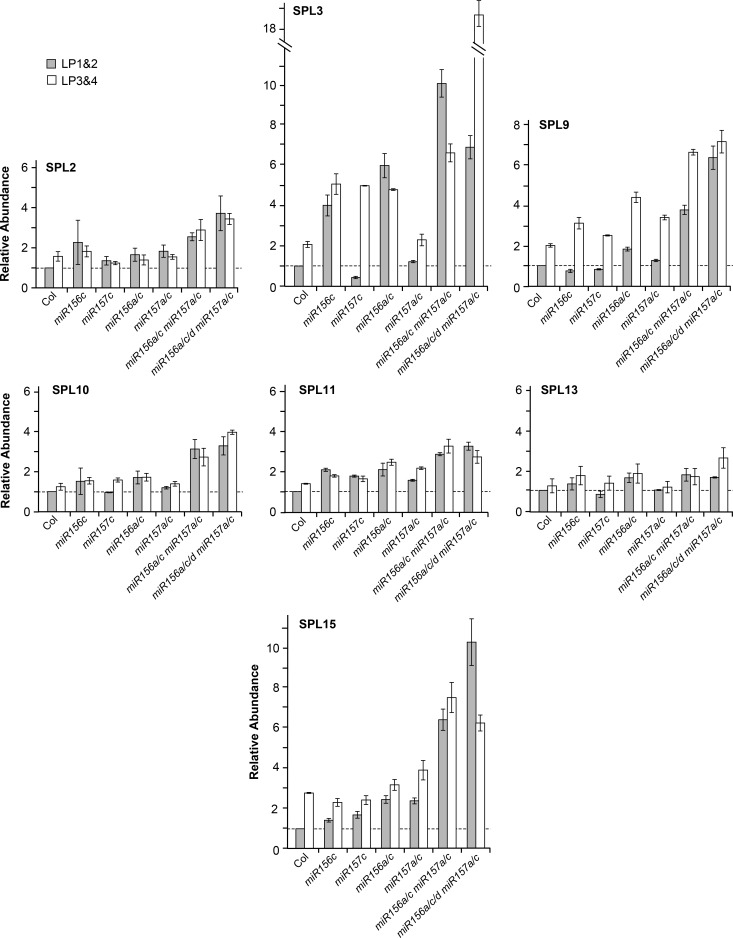
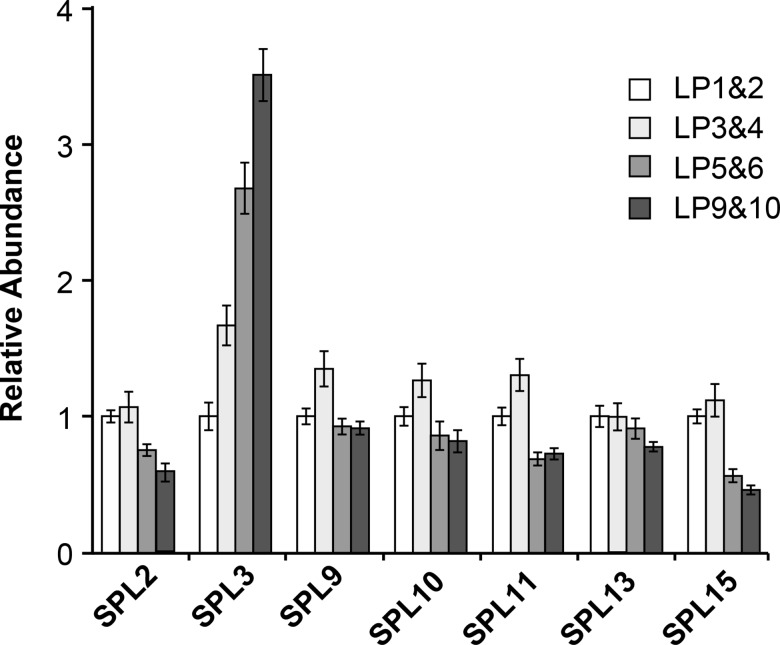
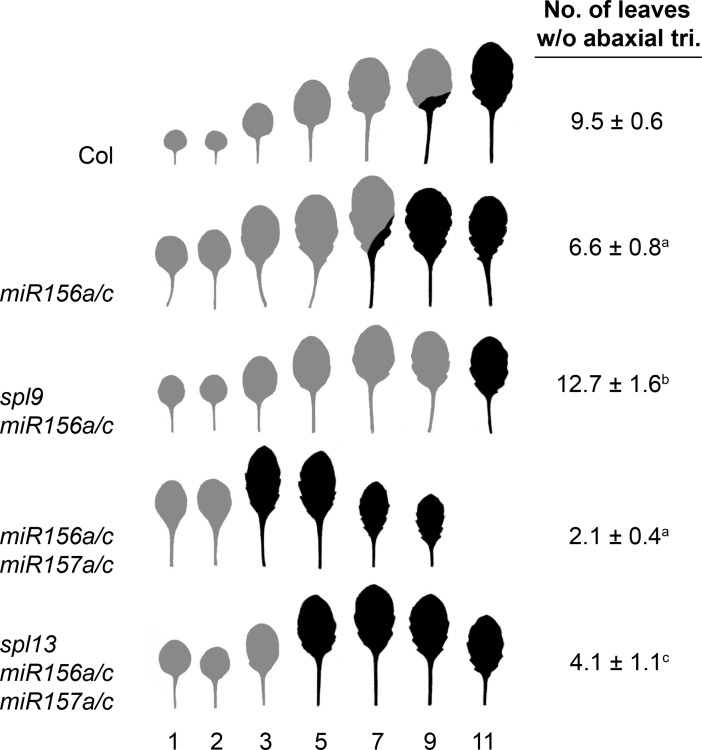
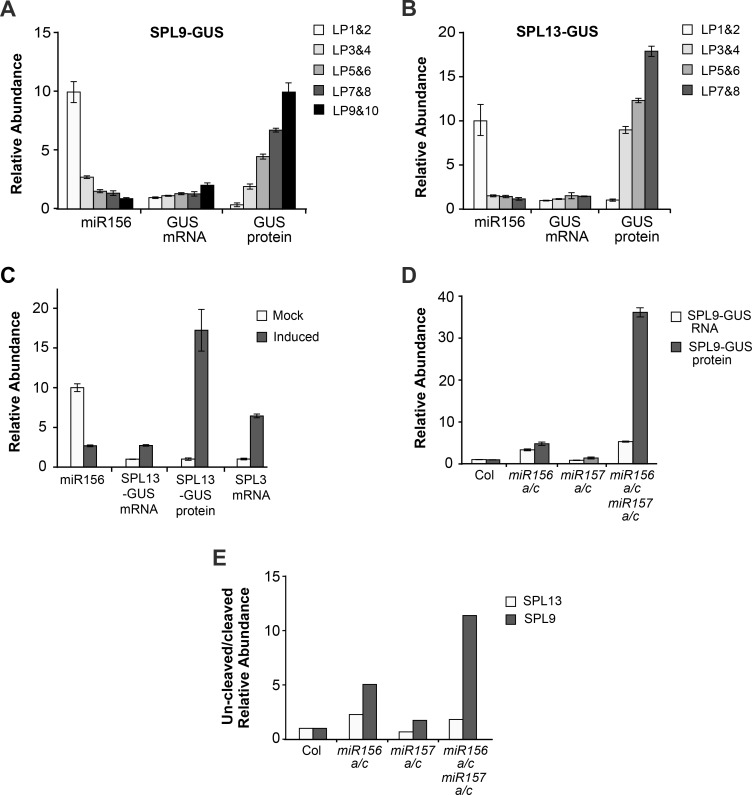
Vegetative phase change is regulated by a decrease in the abundance of the miRNAs, miR156 and miR157, and the resulting increase in the expression of their targets, SQUAMOSA PROMOTER BINDING PROTEIN-LIKE (SPL) transcription factors. To determine how miR156/miR157 specify the quantitative and qualitative changes in leaf morphology that occur during vegetative phase change, we measured their abundance in successive leaves and characterized the phenotype of mutations in different MIR156 and MIR157 genes. miR156/miR157 decline rapidly between leaf 1&2 and leaf 3 and decrease more slowly after this point. The amount of miR156/miR157 in leaves 1&2 greatly exceeds the threshold required to specify their identity. Subsequent leaves have relatively low levels of miR156/miR157 and are sensitive to small changes in their abundance. In these later-formed leaves, the amount of miR156/miR157 is close to the threshold required to specify juvenile vs. adult identity; a relatively small decrease in the abundance of miR156/157 in these leaves produces a disproportionately large increase in SPL proteins and a significant change in leaf morphology. miR157 is more abundant than miR156 but has a smaller effect on shoot morphology and SPL gene expression than miR156. This may be attributable to the inefficiency with which miR157 is loaded onto AGO1, as well as to the presence of an extra nucleotide at the 5' end of miR157 that is mis-paired in the miR157:SPL13 duplex. miR156 represses different targets by different mechanisms: it regulates SPL9 by a combination of transcript cleavage and translational repression and regulates SPL13 primarily by translational repression. Our results offer a molecular explanation for the changes in leaf morphology that occur during shoot development in Arabidopsis and provide new insights into the mechanism by which miR156 and miR157 regulate gene expression.
营养生长向生殖生长转变受 miRNA,miR156 和 miR157 丰度降低的调控,导致其靶基因 SQUAMOSA PROMOTER BINDING PROTEIN-LIKE (SPL) 转录因子表达增加。为了确定 miR156/miR157 如何在营养生长转变过程中特异性地调节叶片形态的数量和质量变化,我们测量了它们在连续叶片中的丰度,并表征了不同 MIR156 和 MIR157 基因突变的表型。miR156/miR157 在叶片 1&2 和叶片 3 之间迅速下降,在此之后下降速度较慢。叶片 1&2 中 miR156/miR157 的数量大大超过指定其身份所需的阈值。随后的叶片具有相对较低水平的 miR156/miR157,并且对其丰度的微小变化敏感。在这些后来形成的叶片中,miR156/miR157 的数量接近指定幼年与成年身份所需的阈值;这些叶片中 miR156/157 丰度的相对较小减少会导致 SPL 蛋白的不成比例地增加和叶片形态的显著变化。miR157 比 miR156 更丰富,但对芽形态和 SPL 基因表达的影响比 miR156 小。这可能归因于 miR157 加载到 AGO1 上的效率较低,以及 miR157 5'端存在一个额外的核苷酸,该核苷酸在 miR157:SPL13 双链体中错配。miR156 通过不同的机制调节不同的靶标:它通过转录切割和翻译抑制的组合调节 SPL9,并主要通过翻译抑制调节 SPL13。我们的研究结果为拟南芥芽发育过程中叶片形态的变化提供了分子解释,并为 miR156 和 miR157 调节基因表达的机制提供了新的见解。