Collaborative Innovation Center for Internet Healthcare, Zhengzhou University, 75 University North Road, Erqi District, Zhengzhou 450000, China.
School of Software Engineering, Zhengzhou University, 97 Culture Road, Jinshui District, Zhengzhou 450000, China.
Sensors (Basel). 2018 Apr 17;18(4):1229. doi: 10.3390/s18041229.
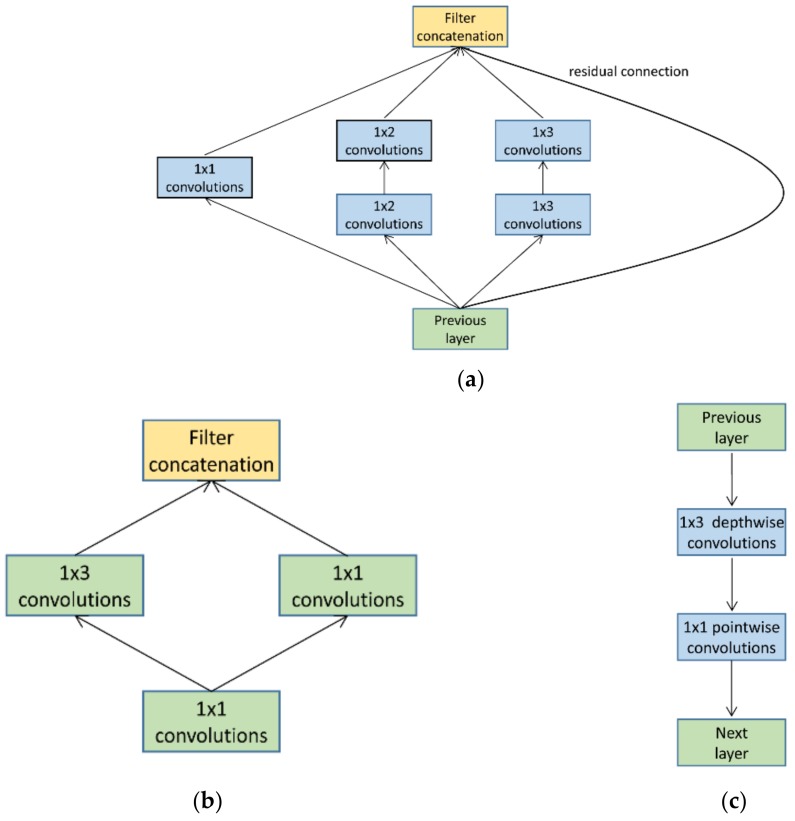
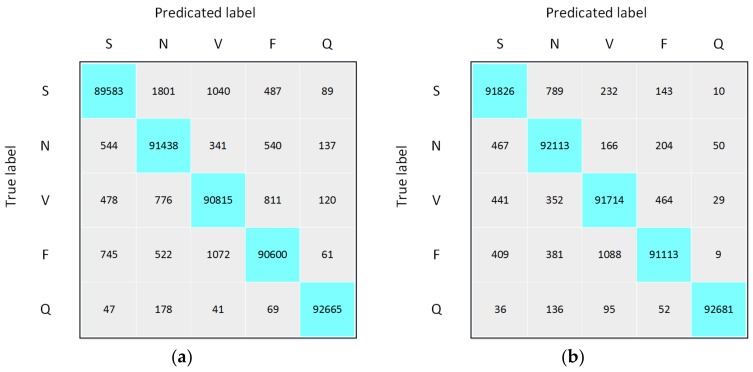
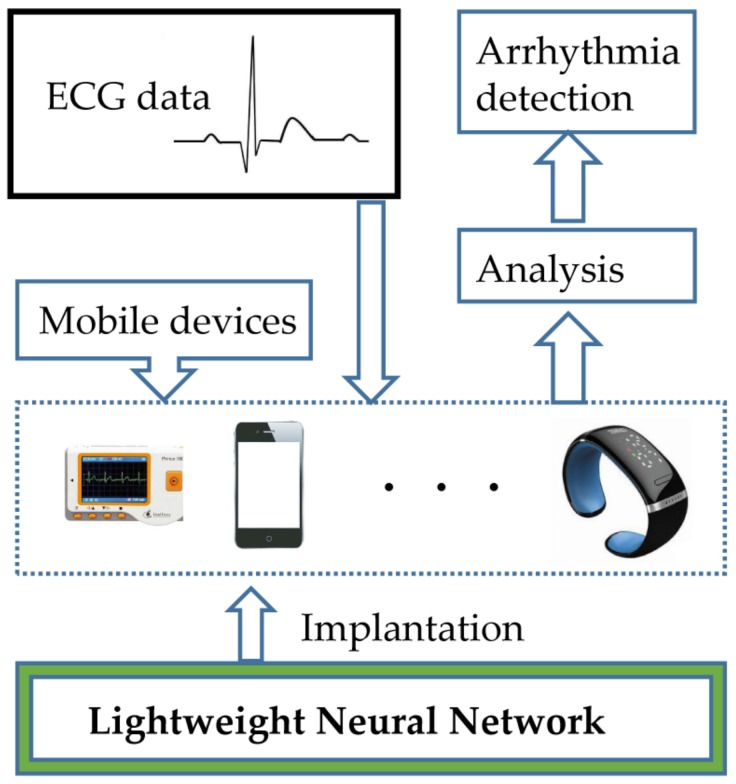
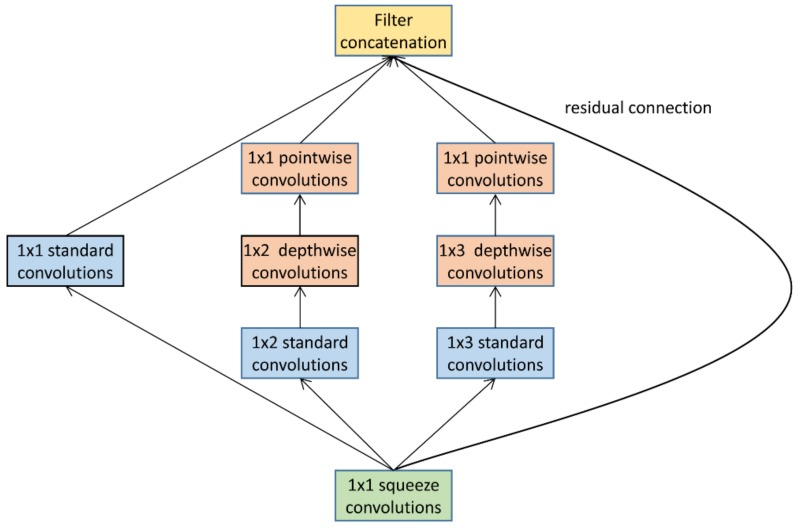
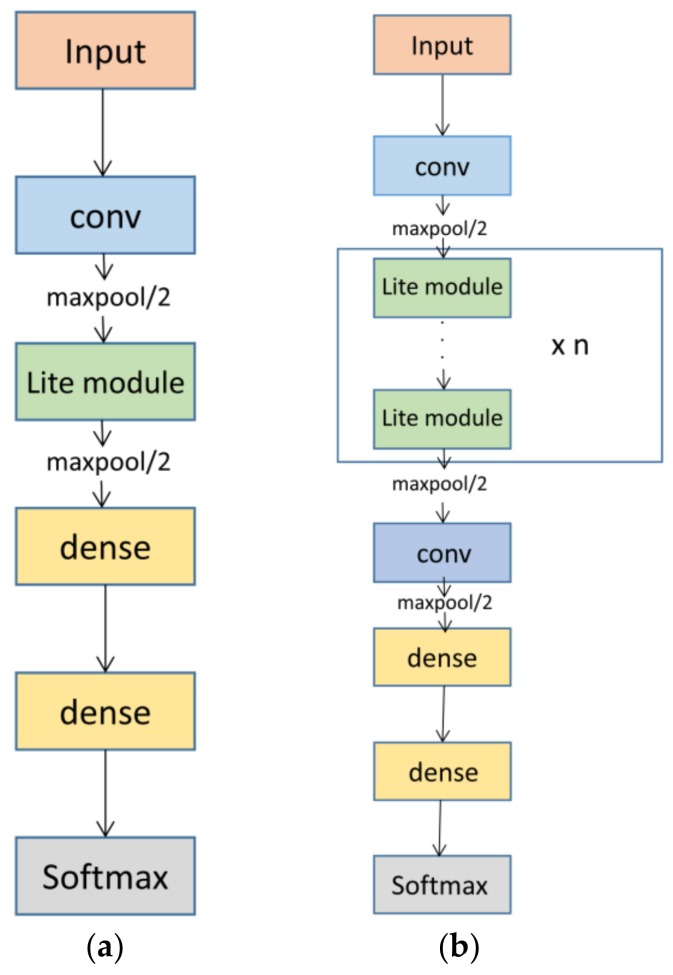
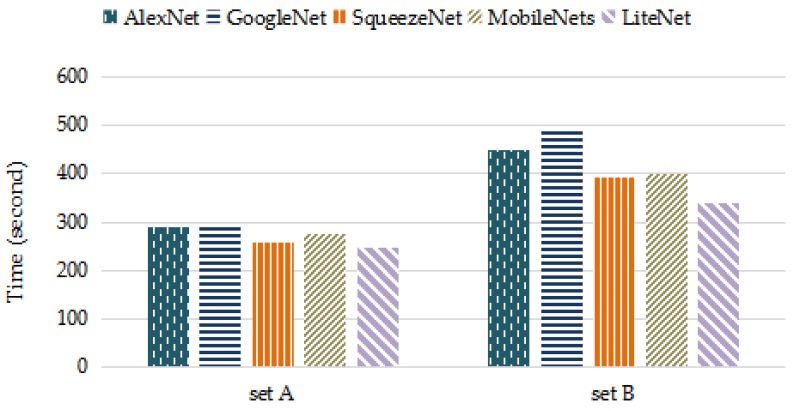
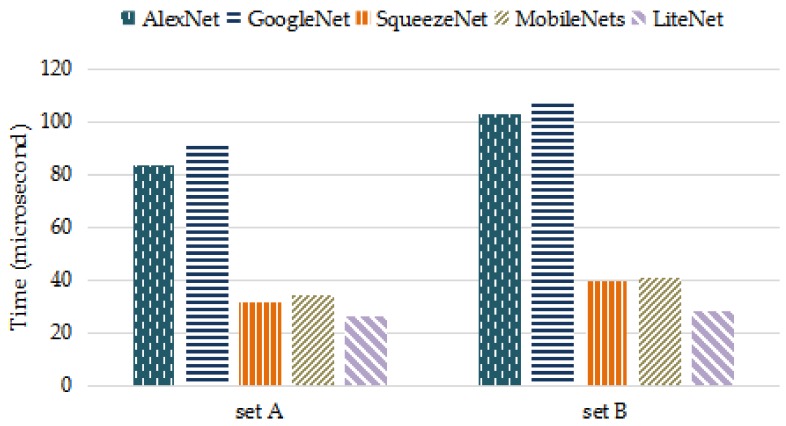
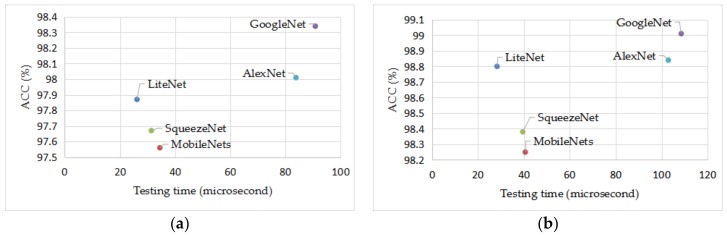
By running applications and services closer to the user, edge processing provides many advantages, such as short response time and reduced network traffic. Deep-learning based algorithms provide significantly better performances than traditional algorithms in many fields but demand more resources, such as higher computational power and more memory. Hence, designing deep learning algorithms that are more suitable for resource-constrained mobile devices is vital. In this paper, we build a lightweight neural network, termed LiteNet which uses a deep learning algorithm design to diagnose arrhythmias, as an example to show how we design deep learning schemes for resource-constrained mobile devices. Compare to other deep learning models with an equivalent accuracy, LiteNet has several advantages. It requires less memory, incurs lower computational cost, and is more feasible for deployment on resource-constrained mobile devices. It can be trained faster than other neural network algorithms and requires less communication across different processing units during distributed training. It uses filters of heterogeneous size in a convolutional layer, which contributes to the generation of various feature maps. The algorithm was tested using the MIT-BIH electrocardiogram (ECG) arrhythmia database; the results showed that LiteNet outperforms comparable schemes in diagnosing arrhythmias, and in its feasibility for use at the mobile devices.
通过将应用程序和服务更接近用户运行,边缘处理提供了许多优势,例如响应时间短和网络流量减少。基于深度学习的算法在许多领域提供了比传统算法显著更好的性能,但需要更多的资源,例如更高的计算能力和更多的内存。因此,设计更适合资源受限的移动设备的深度学习算法至关重要。在本文中,我们构建了一个名为 LiteNet 的轻量级神经网络,该网络使用深度学习算法设计来诊断心律失常,以此为例展示我们如何为资源受限的移动设备设计深度学习方案。与具有等效准确性的其他深度学习模型相比,LiteNet 具有几个优势。它需要更少的内存,计算成本更低,更适合在资源受限的移动设备上部署。它可以比其他神经网络算法更快地进行训练,并且在分布式训练期间在不同处理单元之间需要更少的通信。它在卷积层中使用异构大小的滤波器,有助于生成各种特征图。该算法使用麻省理工学院生物医学工程系(MIT-BIH)心电图(ECG)心律失常数据库进行了测试;结果表明,LiteNet 在诊断心律失常方面优于可比方案,并且在移动设备上的使用具有可行性。