Division of Virology, Department of Clinical Microbiology, and Laboratory for Molecular Infection Medicine Sweden, Umeå University, SE-90185 Umeå, Sweden;
Interfaculty Institute of Biochemistry, University of Tübingen, D-72076 Tübingen, Germany.
Proc Natl Acad Sci U S A. 2018 May 1;115(18):E4264-E4273. doi: 10.1073/pnas.1716900115. Epub 2018 Apr 19.
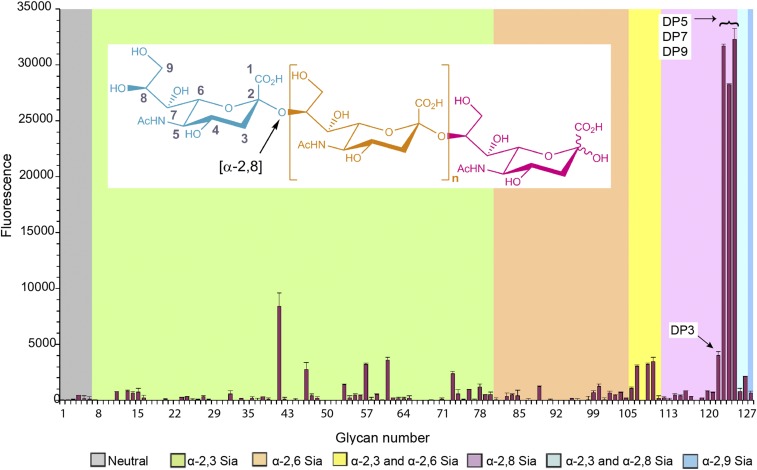
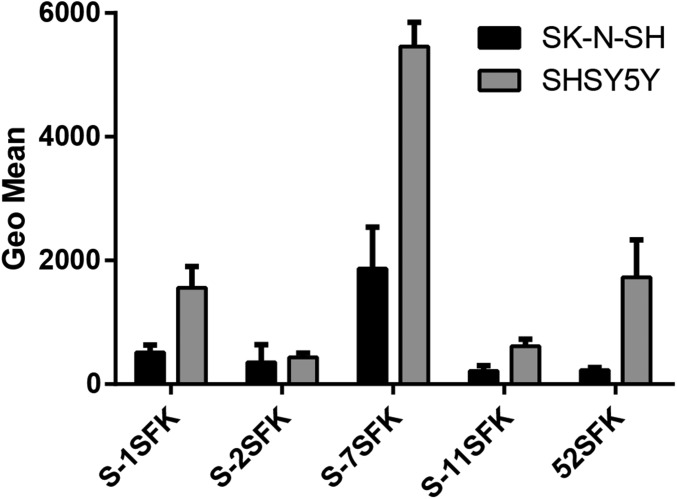
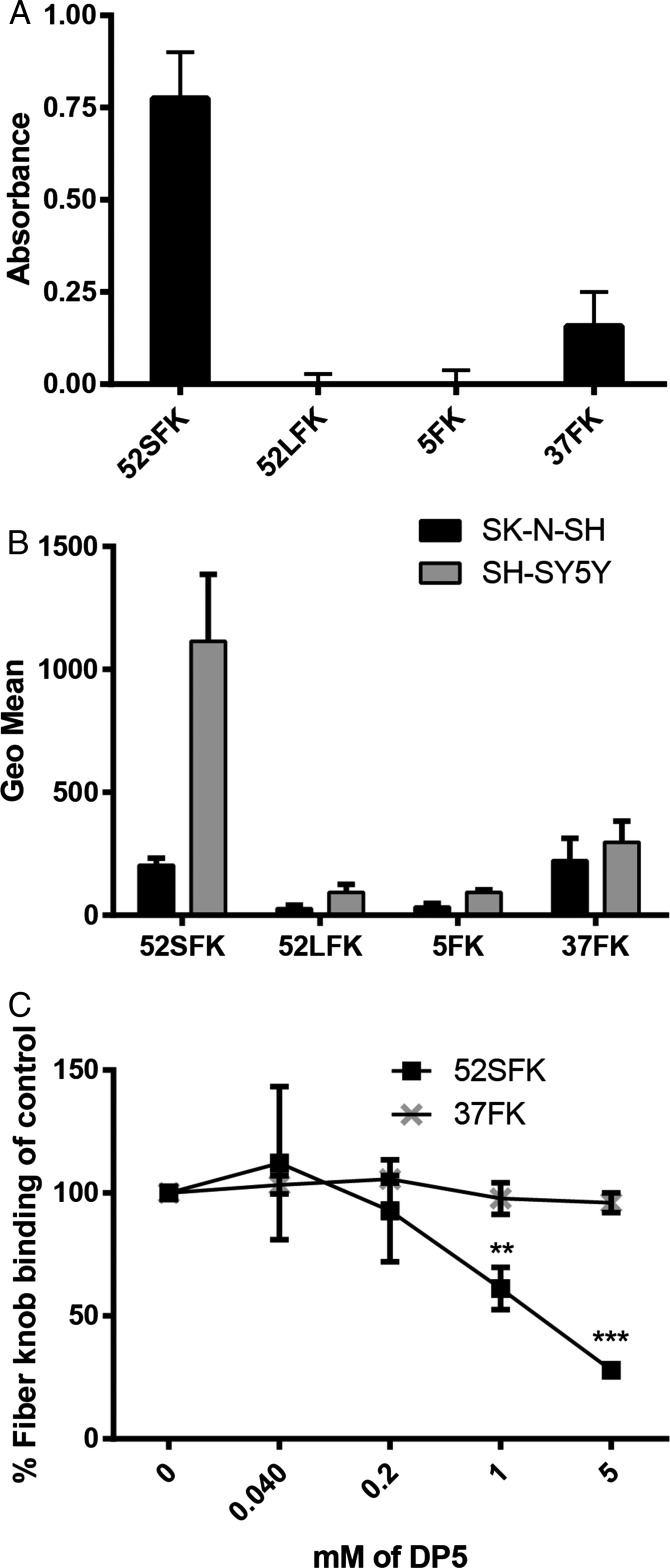
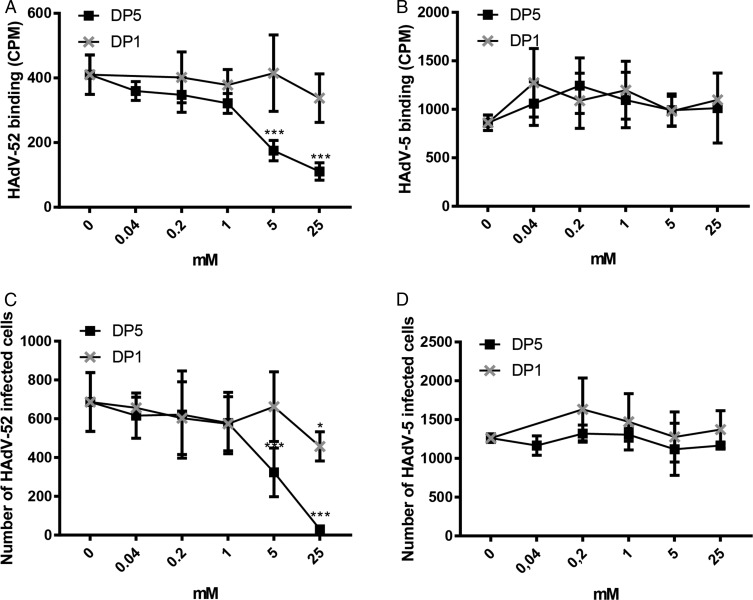
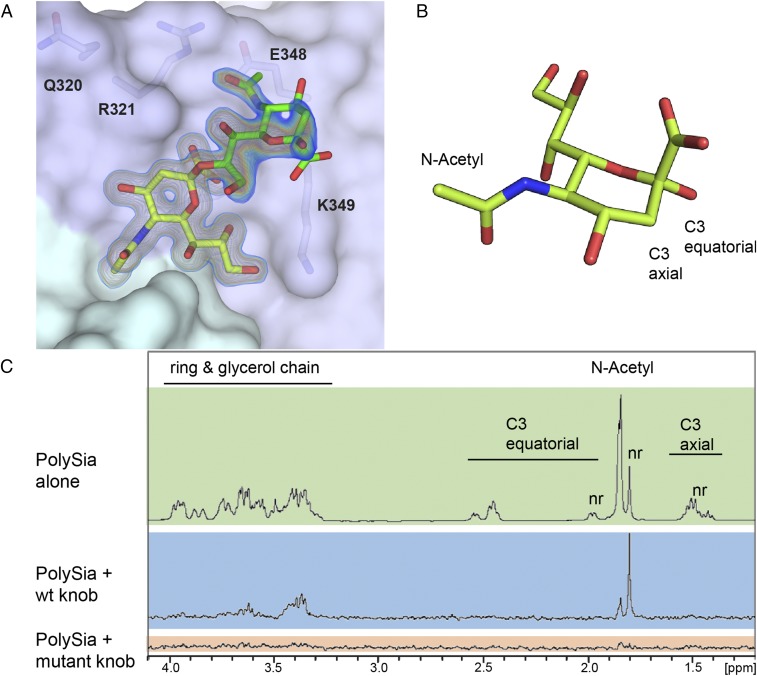
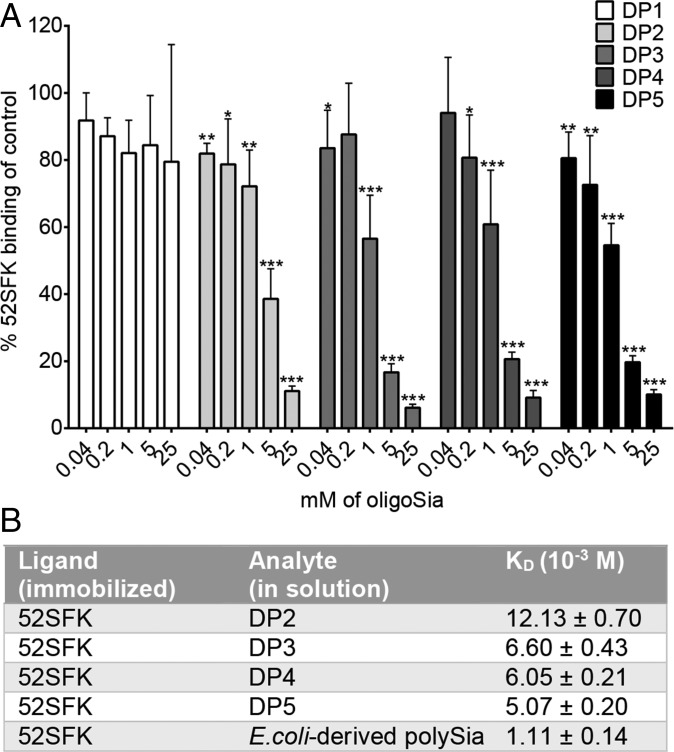
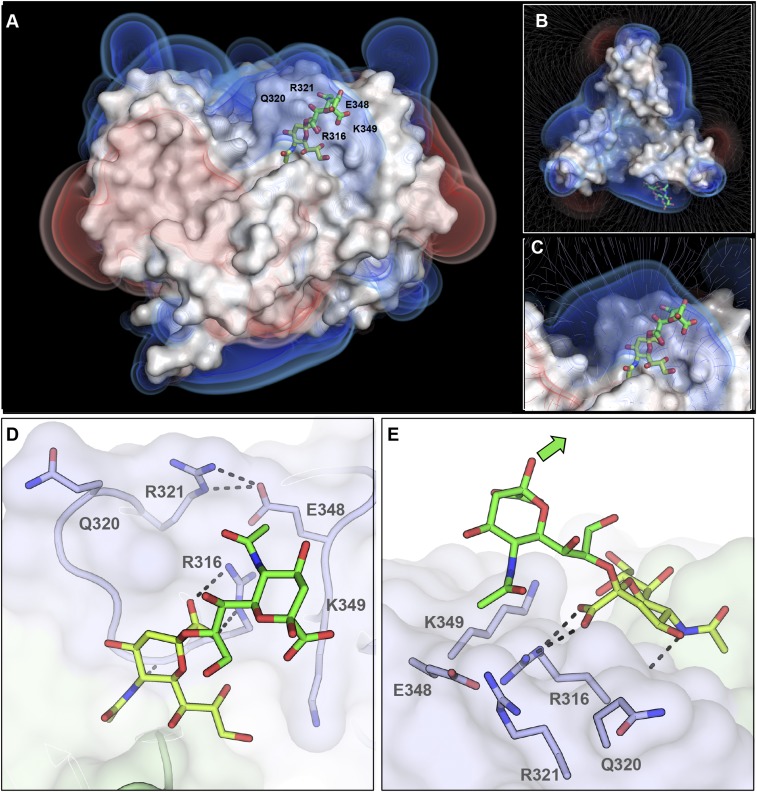
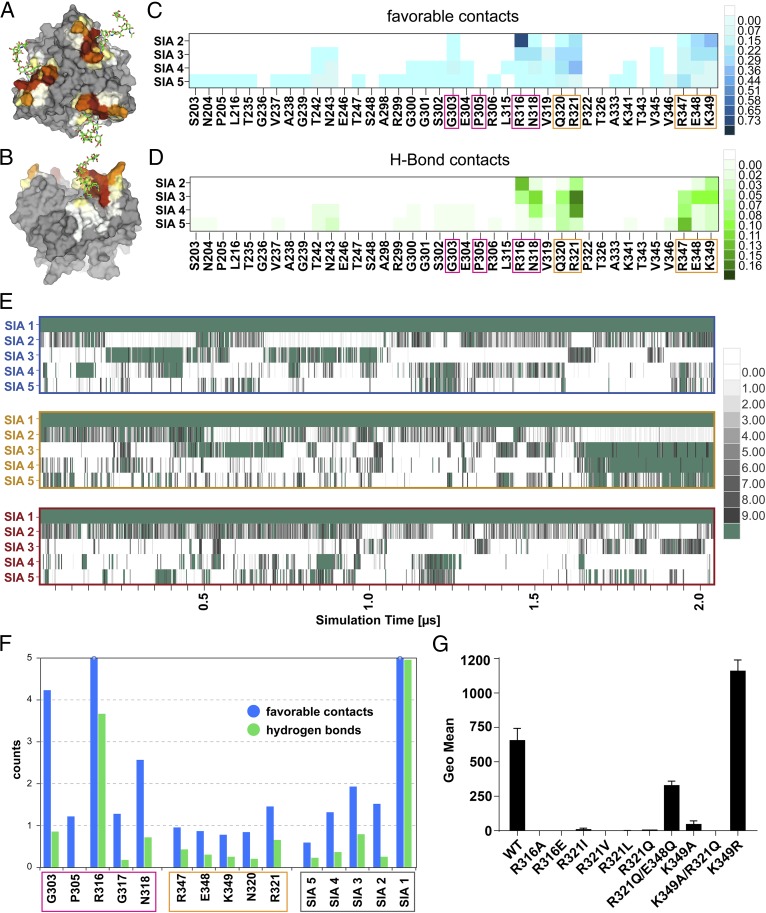
Human adenovirus 52 (HAdV-52) is one of only three known HAdVs equipped with both a long and a short fiber protein. While the long fiber binds to the coxsackie and adenovirus receptor, the function of the short fiber in the virus life cycle is poorly understood. Here, we show, by glycan microarray analysis and cellular studies, that the short fiber knob (SFK) of HAdV-52 recognizes long chains of α-2,8-linked polysialic acid (polySia), a large posttranslational modification of selected carrier proteins, and that HAdV-52 can use polySia as a receptor on target cells. X-ray crystallography, NMR, molecular dynamics simulation, and structure-guided mutagenesis of the SFK reveal that the nonreducing, terminal sialic acid of polySia engages the protein with direct contacts, and that specificity for polySia is achieved through subtle, transient electrostatic interactions with additional sialic acid residues. In this study, we present a previously unrecognized role for polySia as a cellular receptor for a human viral pathogen. Our detailed analysis of the determinants of specificity for this interaction has general implications for protein-carbohydrate interactions, particularly concerning highly charged glycan structures, and provides interesting dimensions on the biology and evolution of members of .
人腺病毒 52 型(HAdV-52)是仅有的三种具有长纤维蛋白和短纤维蛋白的人腺病毒之一。虽然长纤维与柯萨奇病毒和腺病毒受体结合,但短纤维在病毒生命周期中的功能知之甚少。在这里,我们通过糖基微阵列分析和细胞研究表明,HAdV-52 的短纤维球(SFK)识别选定载体蛋白的长链α-2,8-连接的多唾液酸(polySia),这是一种大型翻译后修饰,并且 HAdV-52 可以在靶细胞上使用 polySia 作为受体。X 射线晶体学、NMR、分子动力学模拟和 SFK 的结构引导突变揭示了 polySia 的非还原末端唾液酸与蛋白质直接接触,并且通过与其他唾液酸残基的微妙、瞬时静电相互作用实现了对 polySia 的特异性。在这项研究中,我们提出了 polySia 作为人类病毒病原体的细胞受体的先前未被认识的作用。我们对这种相互作用特异性决定因素的详细分析对蛋白质-碳水化合物相互作用具有普遍意义,特别是涉及带高电荷的聚糖结构,并为. 成员的生物学和进化提供了有趣的维度。