Division of Neonatology, Department of Paediatrics, Erasmus University Medical Centre, Rotterdam, Zuid-Holland, The Netherlands.
Division of Neonatology, Department of Paediatrics, Leiden University Medical Centre, Leiden, The Netherlands.
Arch Dis Child Fetal Neonatal Ed. 2018 Sep;103(5):F493-F497. doi: 10.1136/archdischild-2018-314947. Epub 2018 Apr 21.
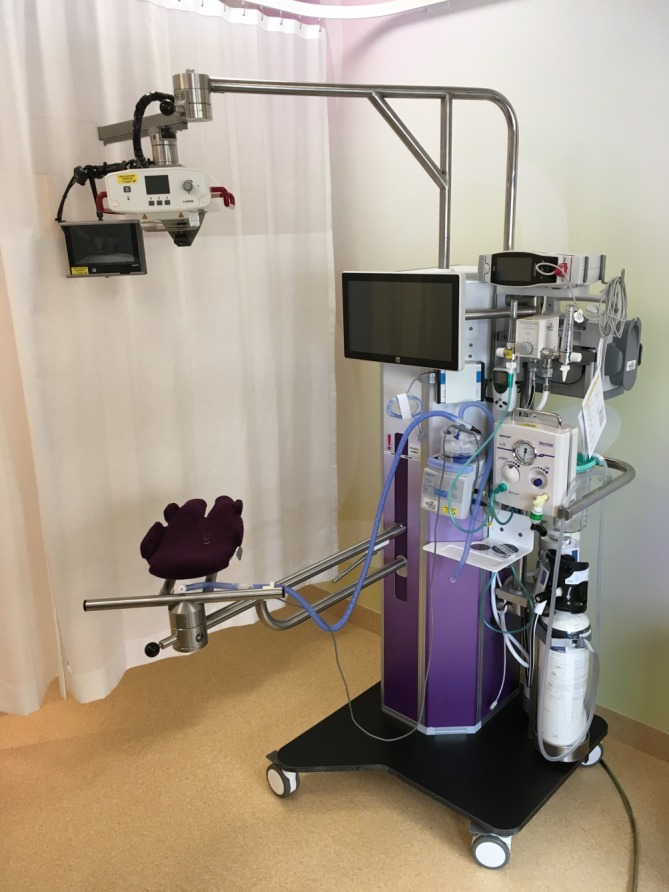
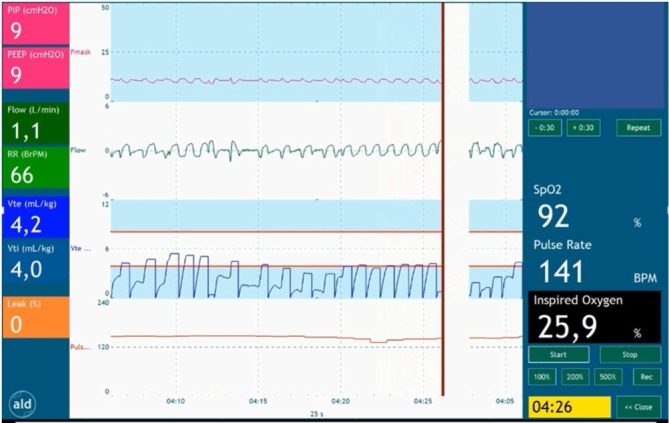
Fetal to neonatal transition is characterised by major pulmonary and haemodynamic changes occurring in a short period of time. In the international neonatal resuscitation guidelines, comprehensive recommendations are available on supporting pulmonary transition and delaying clamping of the cord in preterm infants. Recent experimental studies demonstrated that the pulmonary and haemodynamic transition are intimately linked, could influence each other and that the timing of umbilical cord clamping should be incorporated into the respiratory stabilisation. We reviewed the current knowledge on how to incorporate cord clamping into stabilisation of preterm infants and the physiological-based cord clamping (PBCC) approach, with the infant's transitional status as key determinant of timing of cord clamping. This approach could result in optimal timing of cord clamping and has the potential to reduce major morbidities and mortality in preterm infants.
胎儿到新生儿的过渡期的特点是在短时间内发生重大的肺部和血液动力学变化。在国际新生儿复苏指南中,有关于支持肺过渡和延迟早产儿脐带夹闭的全面建议。最近的实验研究表明,肺部和血液动力学的过渡是密切相关的,它们可以相互影响,并且脐带夹闭的时间应该纳入呼吸稳定中。我们回顾了目前关于如何将脐带夹闭纳入早产儿稳定化以及基于生理的脐带夹闭(PBCC)方法的知识,以婴儿的过渡状态为关键决定因素来确定脐带夹闭的时间。这种方法可以实现脐带夹闭的最佳时机,并有可能减少早产儿的主要发病率和死亡率。