Metaweh Noha Ahmed Kamal, Azab Amr Osama, El Basmy Ayman Abd El Hameed, Mashhour Karim Nabil, El Mahdy Wael Mokhtar
Radiology Department, Faculty of Medicine, Cairo University, Cairo, Egypt. Email:
Asian Pac J Cancer Prev. 2018 Apr 25;19(4):941-948. doi: 10.22034/APJCP.2018.19.4.941.
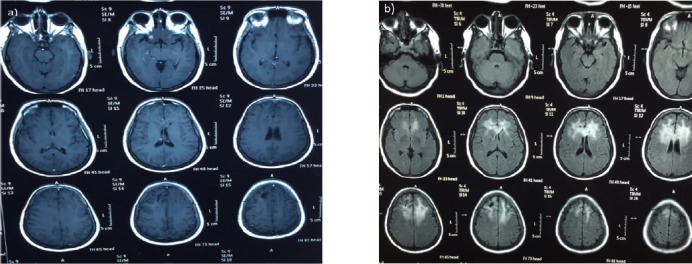
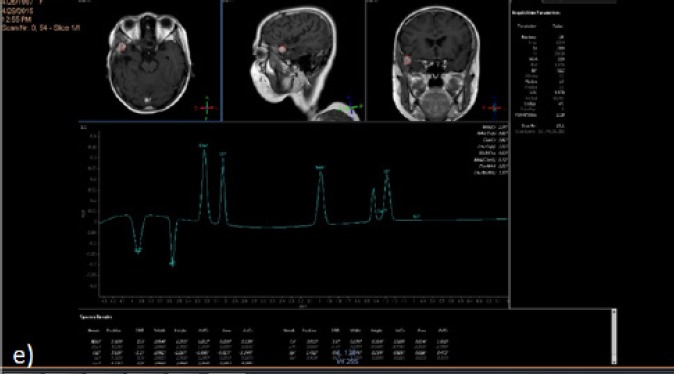
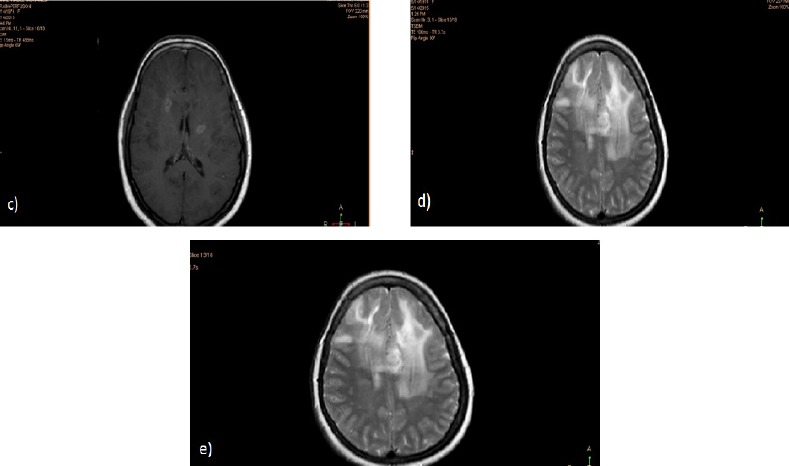
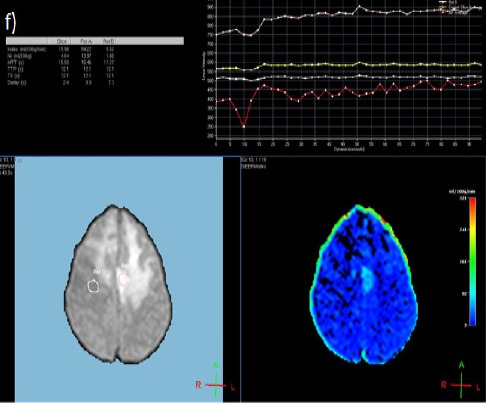
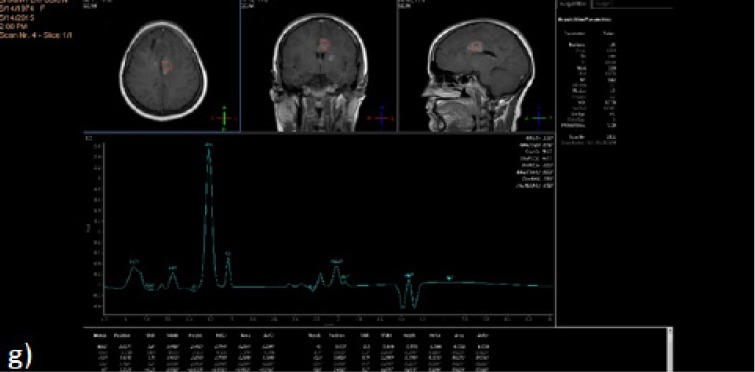
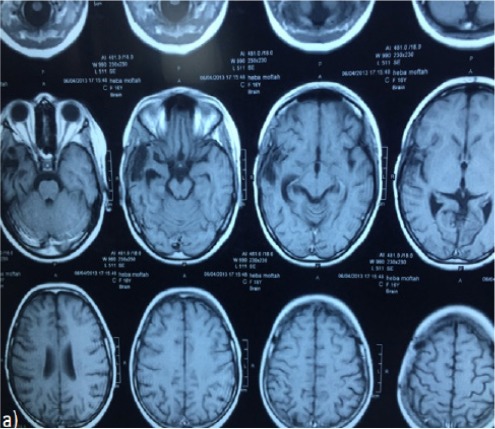
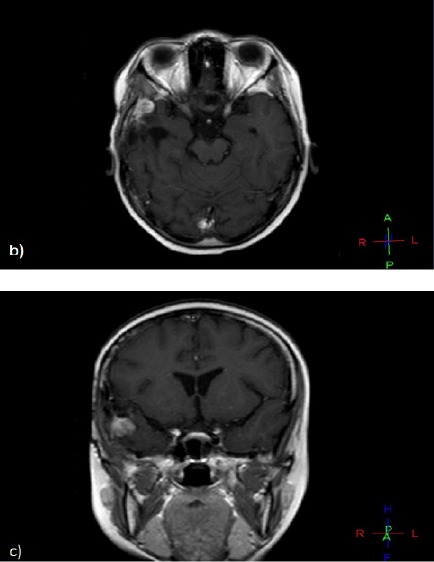
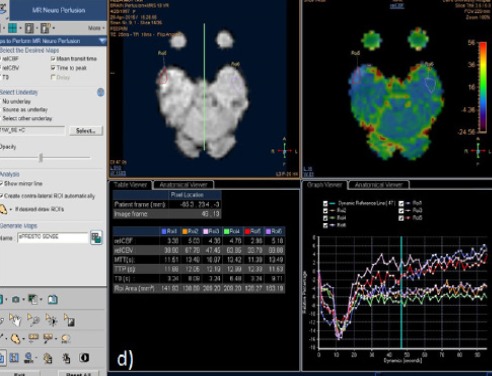
Purpose: To determine the value of dynamic susceptibility contrast enhanced (DSC) MRI (magnetic resonance imaging) perfusion in the characterization of newly developed/enlarging lesions within irradiated regions after treatment of brain tumors. Methods: This prospective cross-sectional study covered 23 patients, 12 females and 11 males. All cases initially presented with histologically proven malignant brain tumors and underwent surgical intervention followed by radiotherapy (+/- chemotherapy). On follow up imaging, they presented with newly developed/progressively enhancing mass lesions at the sites of the primary tumors. All patients then underwent conventional MRI, DSC MRI perfusion and MR spectroscopy. Results: In our study, we found DSC MR perfusion to be a useful non-invasive method for differentiating recurrent brain tumors from radiation necrosis. This approach allows hemodynamic measurements to be obtained within the brain as the relative cerebral blood volume (rCBV) to complement the anatomic information obtained with conventional contrast enhanced MR imaging. The sensitivity and specificity of DSC MR perfusion for differentiation were found to be 77.8% and 80.0%, respectively. Conclusion: DSC MR perfusion is a promising technique in differentiating recurrent brain tumors from radiation necrosis as it has acceptable spatial resolution and can be routinely performed in the same settings after conventional MRI.
确定动态磁敏感对比增强(DSC)磁共振成像(MRI)灌注在脑肿瘤治疗后照射区域内新出现/增大病变特征分析中的价值。方法:这项前瞻性横断面研究涵盖了23例患者,其中女性12例,男性11例。所有病例最初均经组织学证实为恶性脑肿瘤,并接受了手术干预,随后进行放疗(±化疗)。在随访成像中,他们在原发肿瘤部位出现了新出现/逐渐增强的肿块病变。所有患者随后均接受了常规MRI、DSC MRI灌注和磁共振波谱检查。结果:在我们的研究中,我们发现DSC MR灌注是一种用于区分复发性脑肿瘤与放射性坏死的有用的非侵入性方法。这种方法能够在脑内获得血流动力学测量值,即相对脑血容量(rCBV),以补充通过常规对比增强MR成像获得的解剖学信息。DSC MR灌注用于鉴别的敏感性和特异性分别为77.8%和80.0%。结论:DSC MR灌注在区分复发性脑肿瘤与放射性坏死方面是一种有前景的技术,因为它具有可接受的空间分辨率,并且可以在常规MRI后的相同条件下常规进行。