Department of Physiology and Biophysics, Albert Einstein College of Medicine, Bronx, NY, 10461, USA.
Nat Commun. 2018 Apr 25;9(1):1662. doi: 10.1038/s41467-018-04044-8.
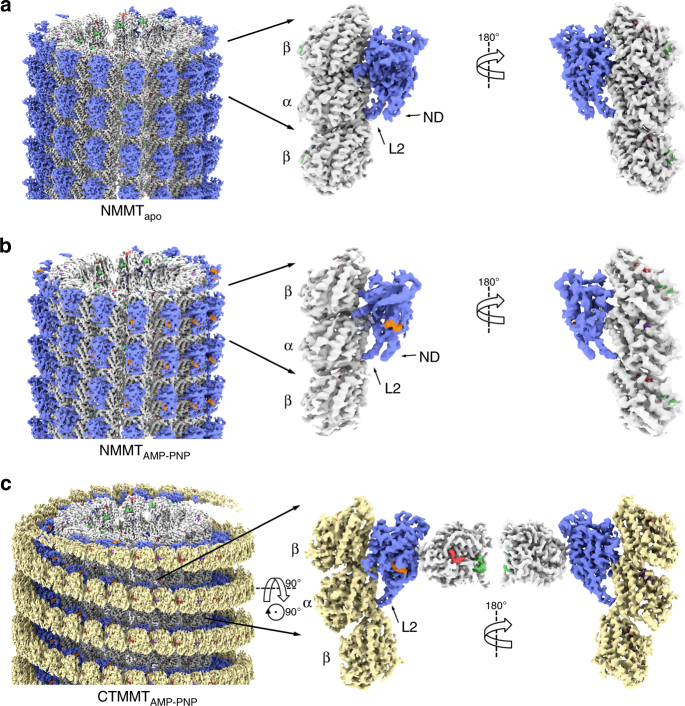
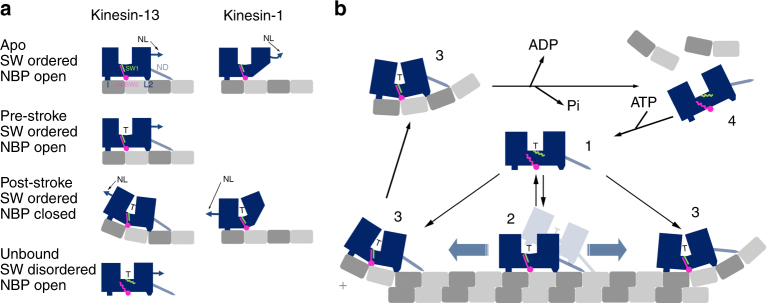
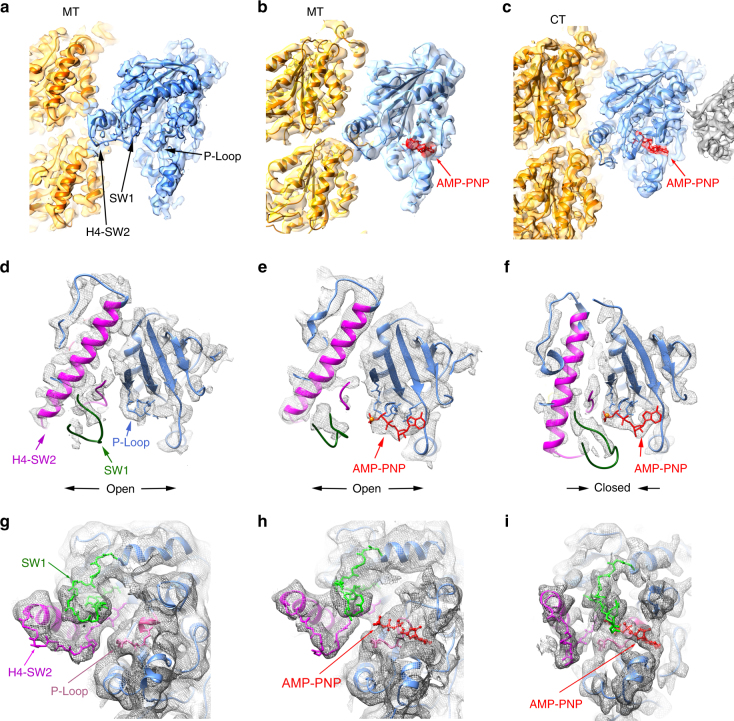
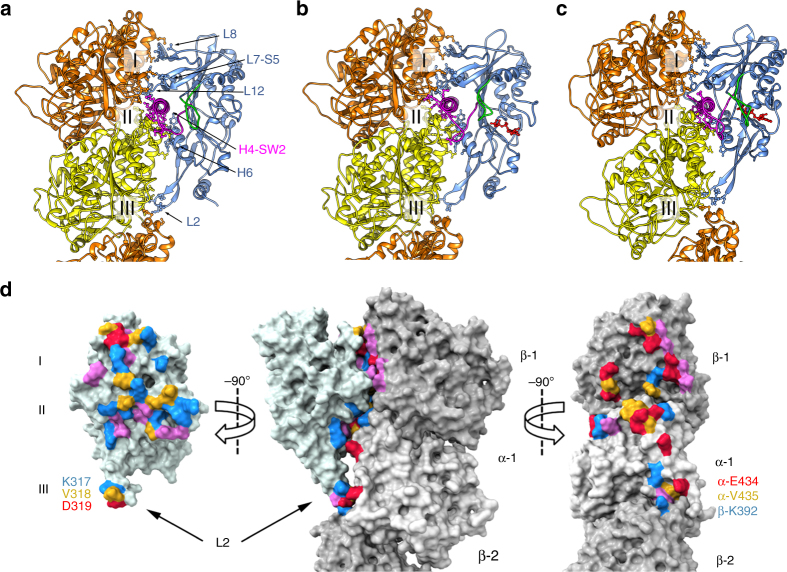
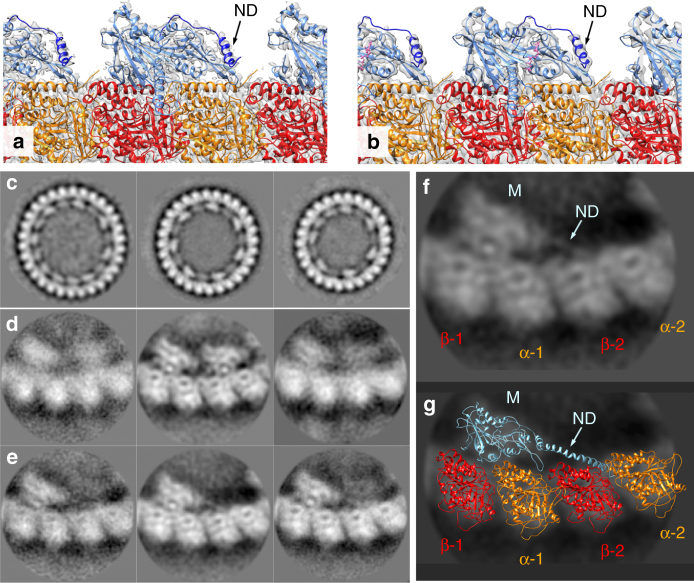
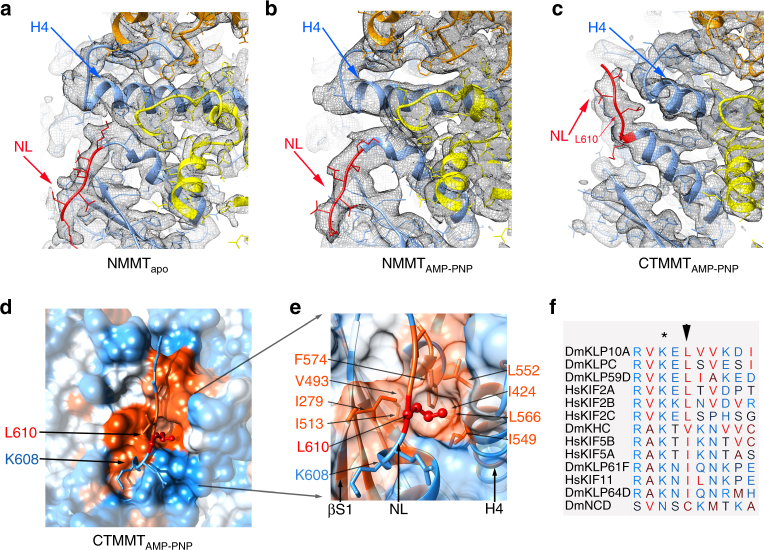
Kinesin-13s constitute a distinct group within the kinesin superfamily of motor proteins that promote microtubule depolymerization and lack motile activity. The molecular mechanism by which kinesin-13s depolymerize microtubules and are adapted to perform a seemingly very different activity from other kinesins is still unclear. To address this issue, here we report the near atomic resolution cryo-electron microscopy (cryo-EM) structures of Drosophila melanogaster kinesin-13 KLP10A protein constructs bound to curved or straight tubulin in different nucleotide states. These structures show how nucleotide induced conformational changes near the catalytic site are coupled with movement of the kinesin-13-specific loop-2 to induce tubulin curvature leading to microtubule depolymerization. The data highlight a modular structure that allows similar kinesin core motor-domains to be used for different functions, such as motility or microtubule depolymerization.
驱动蛋白-13 构成了驱动蛋白超家族中的一个独特亚群,它们能够促进微管的解聚,且缺乏运动活性。然而,驱动蛋白-13 解聚微管并适应执行与其他驱动蛋白明显不同的活性的分子机制仍不清楚。为了解决这个问题,我们在这里报告了近原子分辨率的冷冻电镜(cryo-EM)结构,其中包含结合在不同核苷酸状态下的弯曲或直的微管蛋白的果蝇驱动蛋白-13 KLP10A 蛋白构建体。这些结构显示了核苷酸诱导的催化位点附近的构象变化如何与驱动蛋白-13 特异性环-2 的运动相耦合,从而诱导微管蛋白的弯曲,导致微管的解聚。这些数据突出了一个模块化的结构,允许类似的驱动蛋白核心马达结构域用于不同的功能,例如运动或微管的解聚。