Salmanowitz Natalie
Stanford Program in Neuroscience and Society, Stanford Law School, Stanford, CA, 94305, USA.
J Law Biosci. 2018 Apr 19;5(1):174-203. doi: 10.1093/jlb/lsy005. eCollection 2018 May.
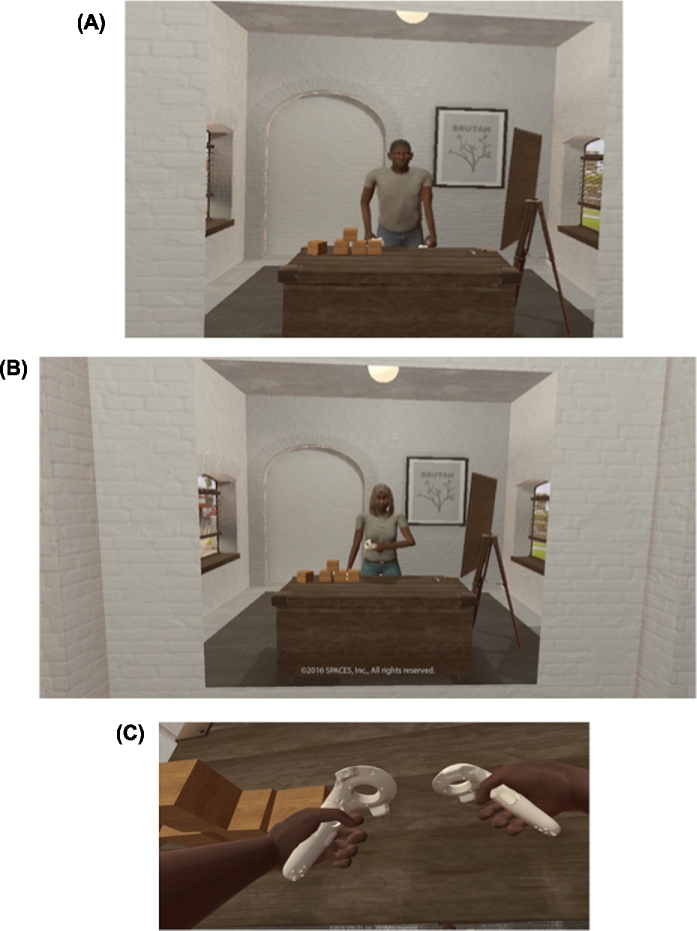
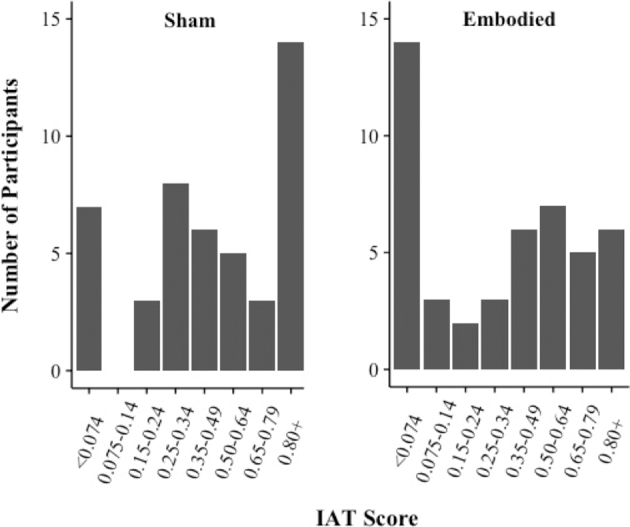
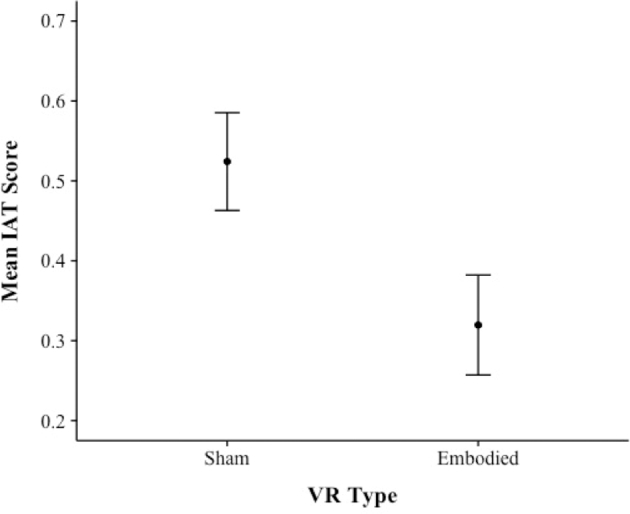
Implicit racial biases are one of the most vexing problems facing current society. These split-second judgments are not only widely prevalent, but also are notoriously difficult to overcome. Perhaps most concerning, implicit racial biases can have consequential impacts on decisions in the courtroom, where scholars have been unable to provide a viable mitigation strategy. This article examines the influence of a short virtual reality paradigm on implicit racial biases and evaluations of legal scenarios. After embodying a black avatar in the virtual world, participants produced significantly lower implicit racial bias scores than those who experienced a sham version of the virtual reality paradigm. Additionally, these participants more conservatively evaluated an ambiguous legal case, rating vague evidence as less indicative of guilt and rendering more Not Guilty verdicts. As the first experiment of its kind, this study demonstrates the potential of virtual reality to address implicit racial bias in the courtroom setting.
隐性种族偏见是当今社会面临的最棘手问题之一。这些瞬间判断不仅广泛存在,而且 notoriously 难以克服。也许最令人担忧的是,隐性种族偏见会对法庭决策产生重大影响,而学者们一直未能提供可行的缓解策略。本文探讨了一种简短的虚拟现实范式对隐性种族偏见和法律情景评估的影响。在虚拟世界中扮演黑人化身后,参与者的隐性种族偏见得分显著低于那些体验了虚拟现实范式虚假版本的人。此外,这些参与者对一个模棱两可的法律案件的评估更为保守,将模糊的证据评为不太能表明有罪,并做出更多无罪判决。作为同类研究中的首个实验,本研究证明了虚拟现实在法庭环境中解决隐性种族偏见的潜力。