Australian Centre for Blood Diseases, Central Clinical School, Monash University, Melbourne 3004, Australia.
The John Curtin School of Medical Research, Australian National University, Canberra 0200, Australia.
Dis Model Mech. 2018 May 21;11(5):dmm034678. doi: 10.1242/dmm.034678.
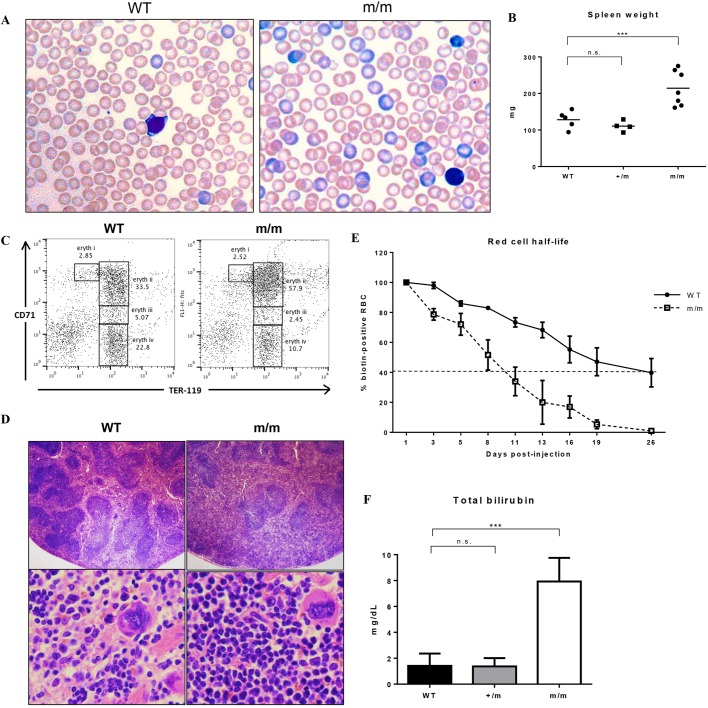
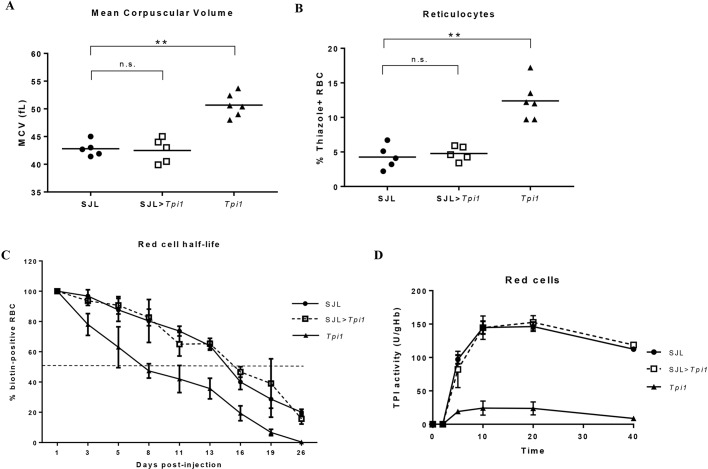
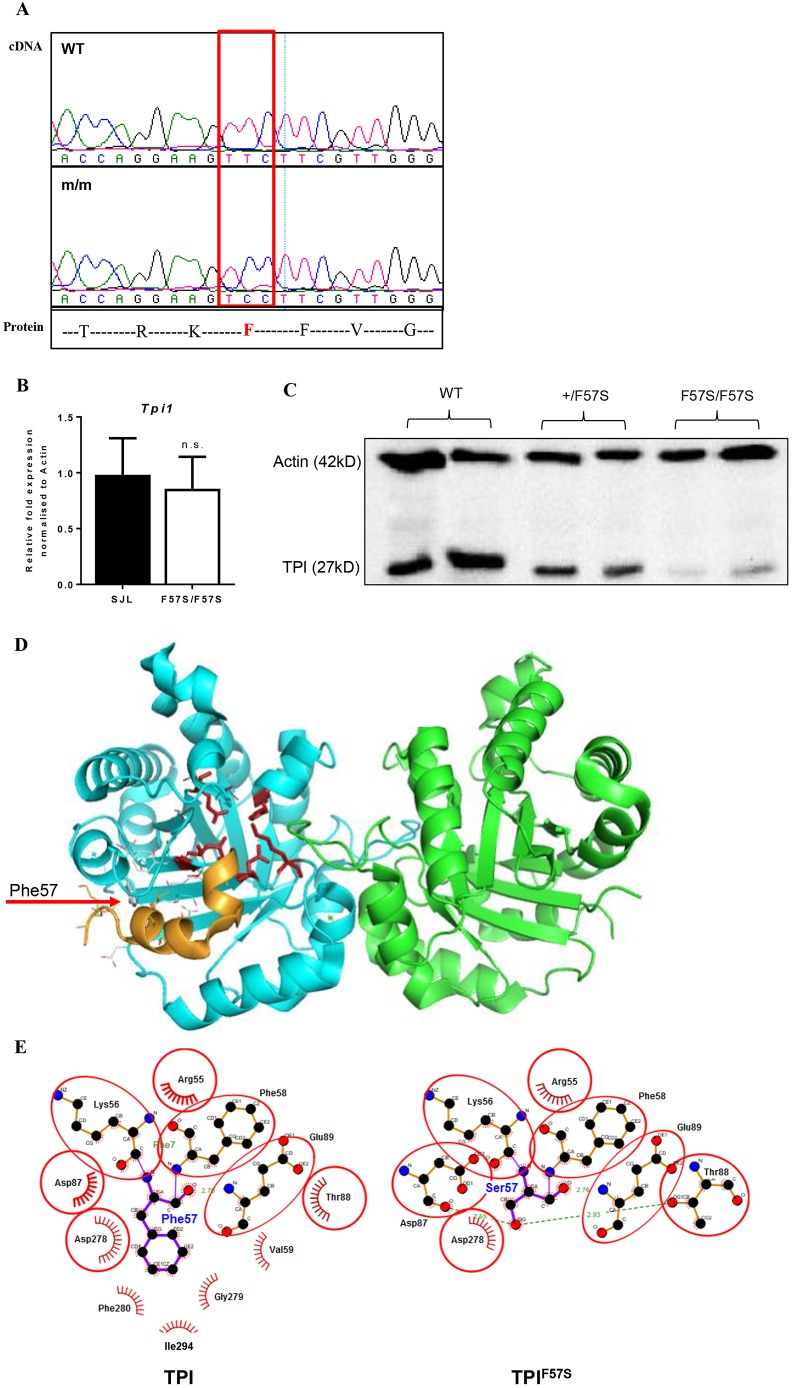
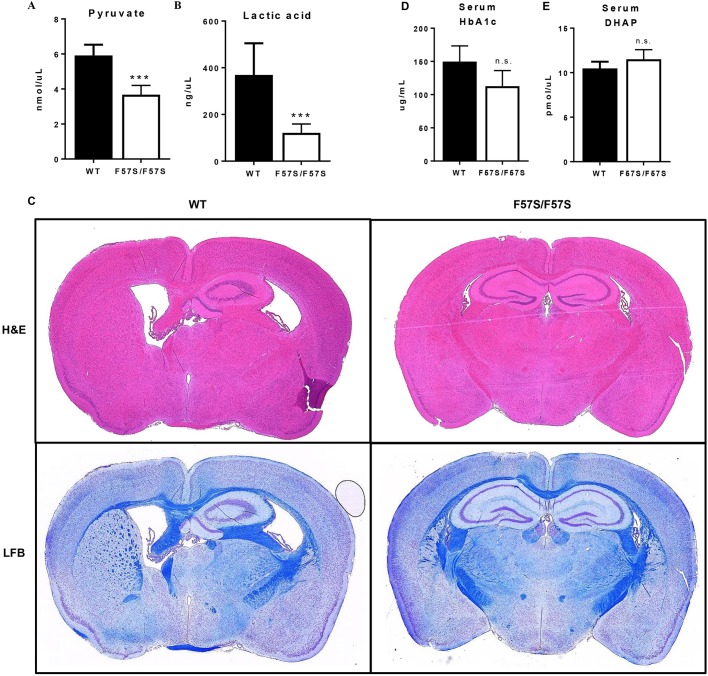
In this study, we performed a genome-wide N-ethyl-N-nitrosourea (ENU) mutagenesis screen in mice to identify novel genes or alleles that regulate erythropoiesis. Here, we describe a recessive mouse strain, called RBC19, harbouring a point mutation within the housekeeping gene, , which encodes the glycolysis enzyme, triosephosphate isomerase (TPI). A serine in place of a phenylalanine at amino acid 57 severely diminishes enzyme activity in red blood cells and other tissues, resulting in a macrocytic haemolytic phenotype in homozygous mice, which closely resembles human TPI deficiency. A rescue study was performed using bone marrow transplantation of wild-type donor cells, which restored all haematological parameters and increased red blood cell enzyme function to wild-type levels after 7 weeks. This is the first study performed in a mammalian model of TPI deficiency, demonstrating that the haematological phenotype can be rescued.
在这项研究中,我们对小鼠进行了全基因组 N-乙基-N-亚硝脲(ENU)诱变筛选,以鉴定调控红细胞生成的新基因或等位基因。在这里,我们描述了一种隐性小鼠品系,称为 RBC19,其管家基因 内存在一个点突变,该基因编码糖酵解酶磷酸丙糖异构酶(TPI)。第 57 位的丝氨酸取代了苯丙氨酸,严重降低了红细胞和其他组织中的酶活性,导致纯合子小鼠出现巨红细胞溶血性表型,与人类 TPI 缺乏非常相似。使用野生型供体细胞的骨髓移植进行了挽救研究,该研究在 7 周后恢复了所有血液学参数,并将红细胞酶功能提高到野生型水平。这是在 TPI 缺乏的哺乳动物模型中进行的第一项研究,表明血液学表型可以得到挽救。