• 文献检索
  • 文档翻译
  • 深度研究
  • 学术资讯
  • Suppr Zotero 插件Zotero 插件
  • 邀请有礼
  • 套餐&价格
  • 历史记录
应用&插件
Suppr Zotero 插件Zotero 插件浏览器插件Mac 客户端Windows 客户端微信小程序
定价
高级版会员购买积分包购买API积分包
服务
文献检索文档翻译深度研究API 文档MCP 服务
关于我们
关于 Suppr公司介绍联系我们用户协议隐私条款
关注我们

Suppr 超能文献

核心技术专利:CN118964589B侵权必究
粤ICP备2023148730 号-1Suppr @ 2026

文献检索

告别复杂PubMed语法,用中文像聊天一样搜索,搜遍4000万医学文献。AI智能推荐,让科研检索更轻松。

立即免费搜索

文件翻译

保留排版,准确专业,支持PDF/Word/PPT等文件格式,支持 12+语言互译。

免费翻译文档

深度研究

AI帮你快速写综述,25分钟生成高质量综述,智能提取关键信息,辅助科研写作。

立即免费体验

熟知生境中的隐存种:应用分类学研究端足目真虾下目 Epimeria 属(甲壳纲,蔓足亚纲)。

Cryptic species in a well-known habitat: applying taxonomics to the amphipod genus Epimeria (Crustacea, Peracarida).

机构信息

Alfred Wegener Institute Helmholtz Centre for Polar and Marine Research, Department of Functional Ecology, PO Box 120161, 27515, Bremerhaven, Germany.

Alfred Wegener Institute Helmholtz Centre for Polar and Marine Research, Biologische Anstalt Helgoland, Helgoland, Germany.

出版信息

Sci Rep. 2018 May 2;8(1):6893. doi: 10.1038/s41598-018-25225-x.

DOI:10.1038/s41598-018-25225-x
PMID:29720606
原文链接:https://pmc.ncbi.nlm.nih.gov/articles/PMC5931980/
Abstract

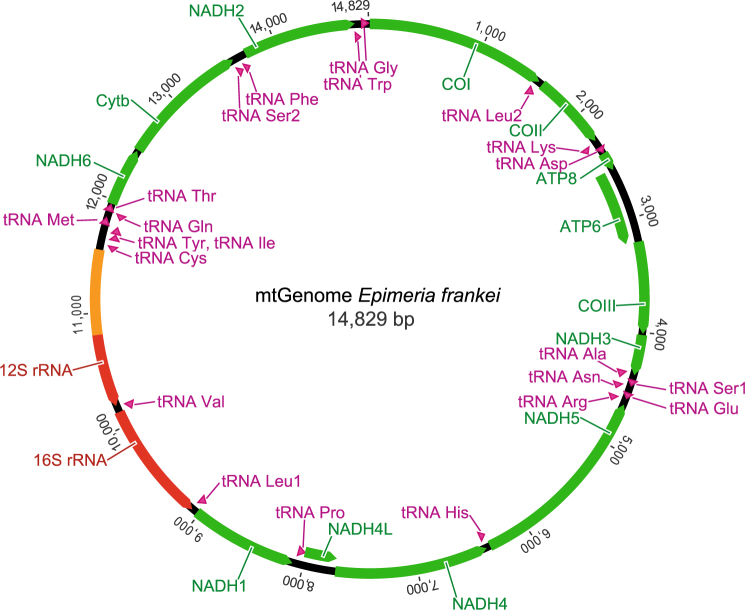
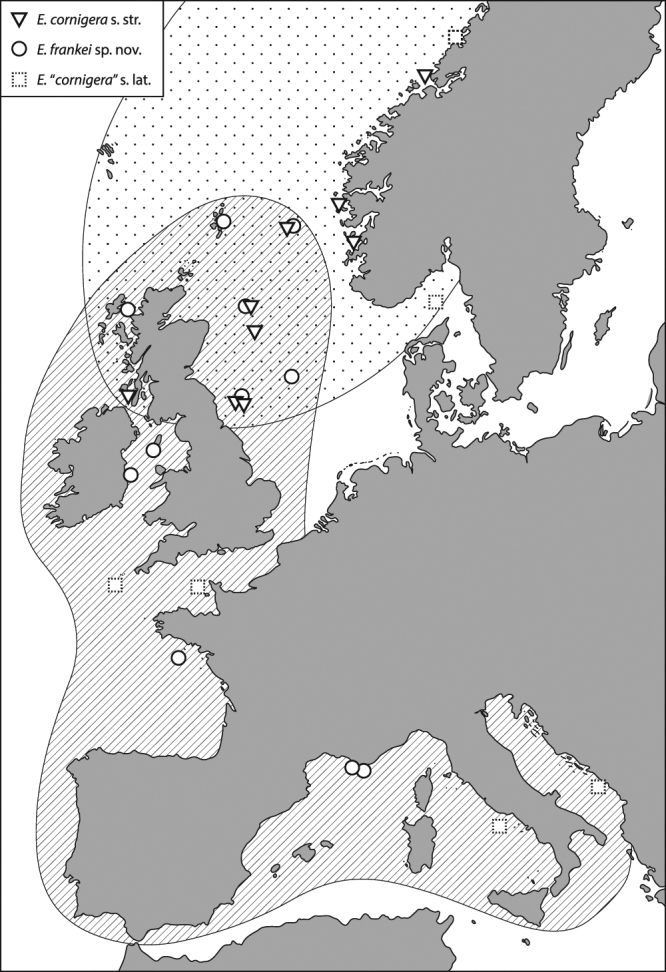
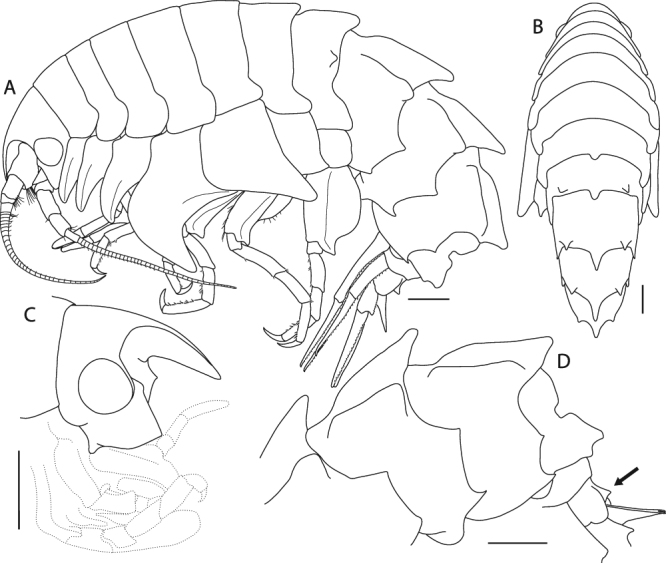
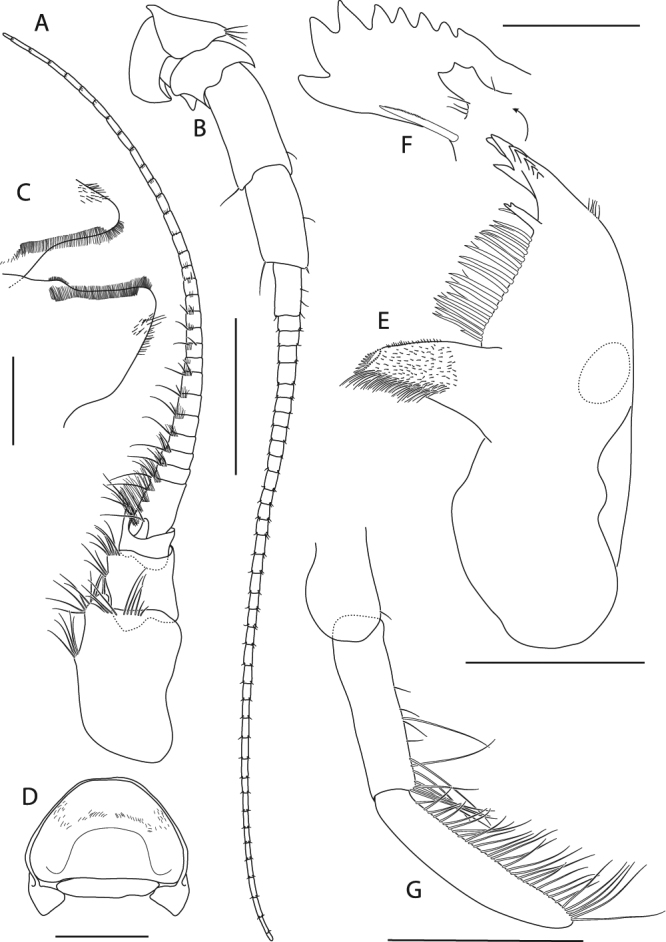
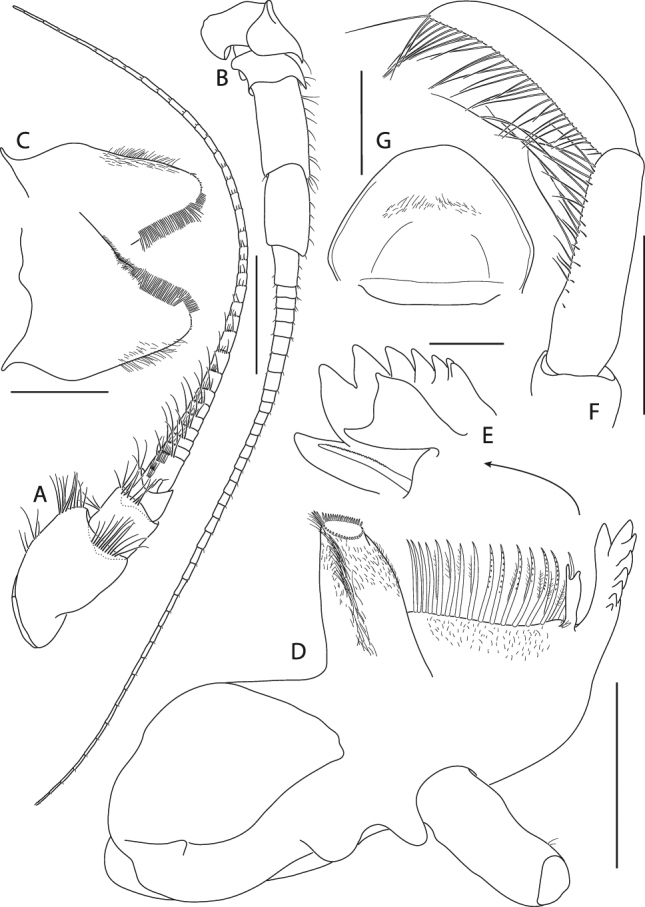
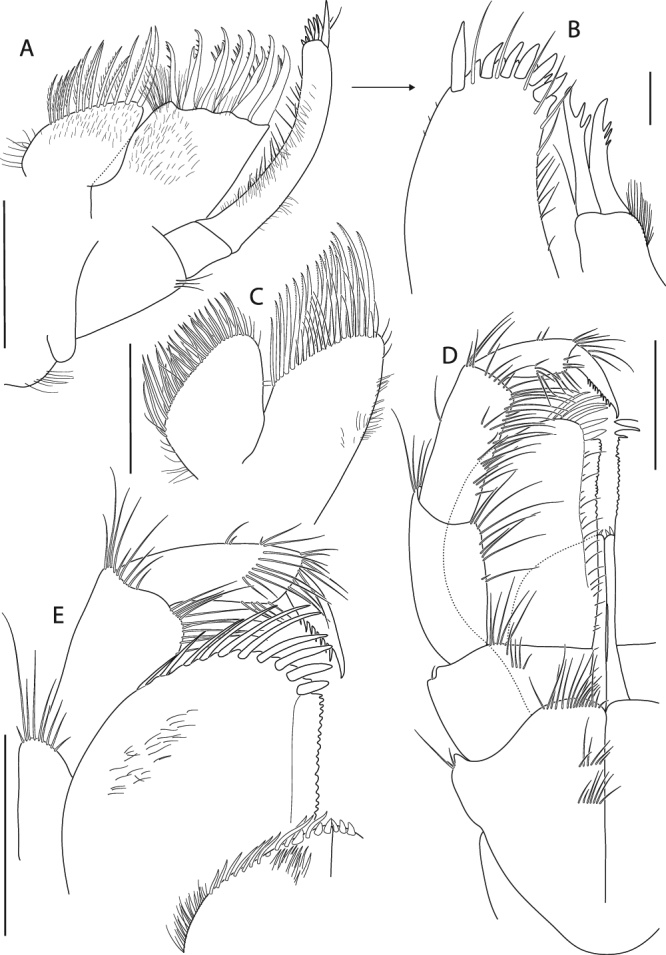
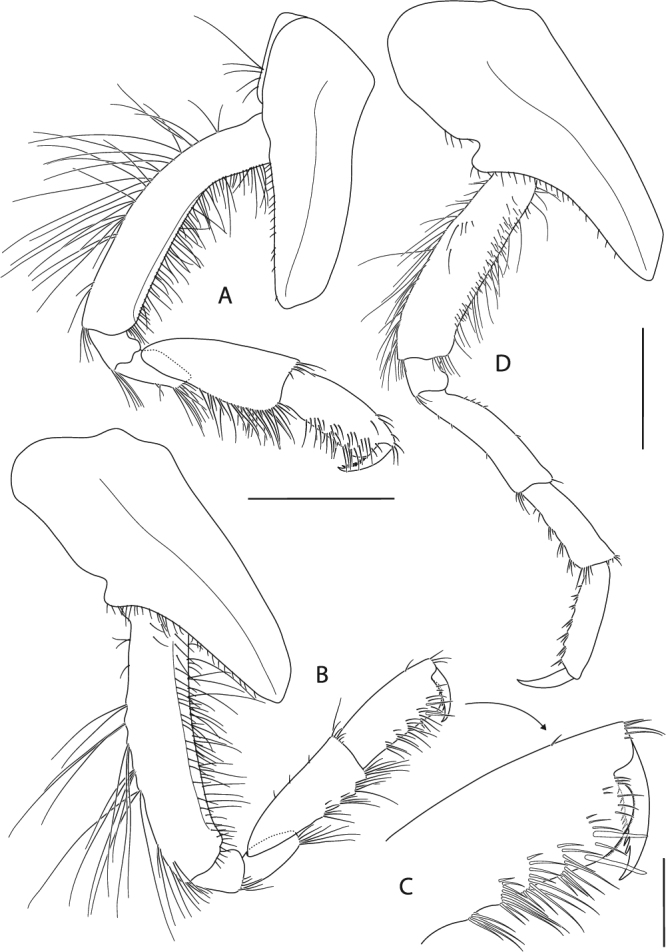
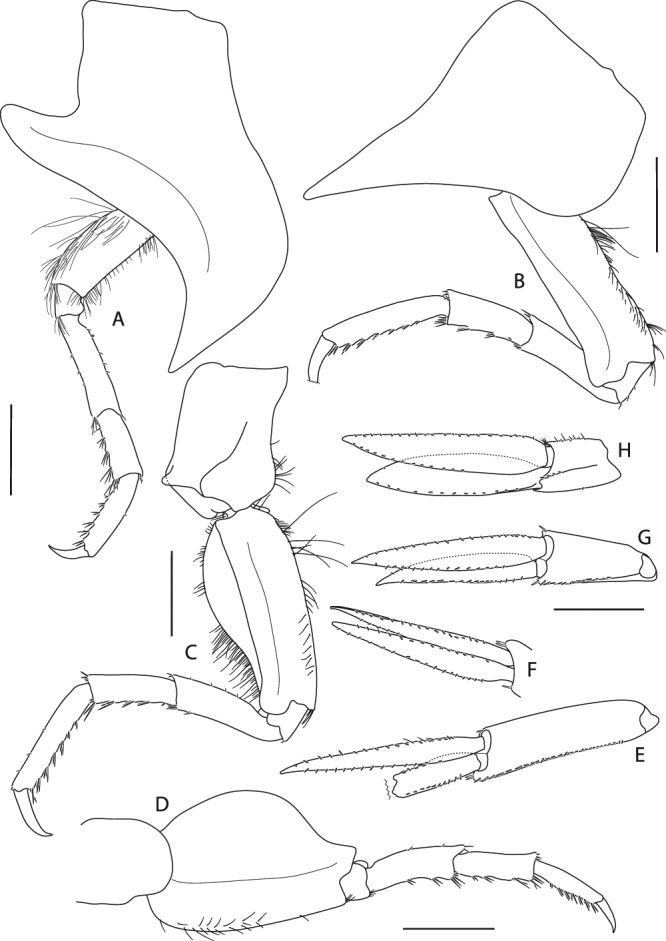
Taxonomy plays a central role in biological sciences. It provides a communication system for scientists as it aims to enable correct identification of the studied organisms. As a consequence, species descriptions should seek to include as much available information as possible at species level to follow an integrative concept of 'taxonomics'. Here, we describe the cryptic species Epimeria frankei sp. nov. from the North Sea, and also redescribe its sister species, Epimeria cornigera. The morphological information obtained is substantiated by DNA barcodes and complete nuclear 18S rRNA gene sequences. In addition, we provide, for the first time, full mitochondrial genome data as part of a metazoan species description for a holotype, as well as the neotype. This study represents the first successful implementation of the recently proposed concept of taxonomics, using data from high-throughput technologies for integrative taxonomic studies, allowing the highest level of confidence for both biodiversity and ecological research.

摘要

分类学在生物科学中起着核心作用。它为科学家提供了一种交流系统,因为它旨在实现对所研究生物的正确识别。因此,物种描述应该力求在物种水平上包含尽可能多的可用信息,以遵循“分类学”的综合概念。在这里,我们描述了来自北海的隐种 Epimeria frankei sp. nov.,并重新描述了其姊妹种 Epimeria cornigera。所获得的形态信息通过 DNA 条码和完整的核 18S rRNA 基因序列得到证实。此外,我们还首次提供了完整的线粒体基因组数据,作为模式标本和新标本的后生动物物种描述的一部分。这项研究代表了最近提出的分类学概念的首次成功实施,利用高通量技术的数据进行综合分类学研究,为生物多样性和生态研究提供了最高水平的置信度。

https://cdn.ncbi.nlm.nih.gov/pmc/blobs/9052/5931980/48798a1c2b3e/41598_2018_25225_Fig19_HTML.jpg
https://cdn.ncbi.nlm.nih.gov/pmc/blobs/9052/5931980/1394d6ad597c/41598_2018_25225_Fig1_HTML.jpg
https://cdn.ncbi.nlm.nih.gov/pmc/blobs/9052/5931980/3586b8d520db/41598_2018_25225_Fig2_HTML.jpg
https://cdn.ncbi.nlm.nih.gov/pmc/blobs/9052/5931980/6657562ec4bf/41598_2018_25225_Fig3_HTML.jpg
https://cdn.ncbi.nlm.nih.gov/pmc/blobs/9052/5931980/ac893fed977a/41598_2018_25225_Fig4_HTML.jpg
https://cdn.ncbi.nlm.nih.gov/pmc/blobs/9052/5931980/9785685e201d/41598_2018_25225_Fig5_HTML.jpg
https://cdn.ncbi.nlm.nih.gov/pmc/blobs/9052/5931980/15d4a836d102/41598_2018_25225_Fig6_HTML.jpg
https://cdn.ncbi.nlm.nih.gov/pmc/blobs/9052/5931980/1250ced1509d/41598_2018_25225_Fig7_HTML.jpg
https://cdn.ncbi.nlm.nih.gov/pmc/blobs/9052/5931980/ee2be47937d1/41598_2018_25225_Fig8_HTML.jpg
https://cdn.ncbi.nlm.nih.gov/pmc/blobs/9052/5931980/5540ecf754b1/41598_2018_25225_Fig9_HTML.jpg
https://cdn.ncbi.nlm.nih.gov/pmc/blobs/9052/5931980/32c9d1c6a9f9/41598_2018_25225_Fig10_HTML.jpg
https://cdn.ncbi.nlm.nih.gov/pmc/blobs/9052/5931980/695239fb51f3/41598_2018_25225_Fig11_HTML.jpg
https://cdn.ncbi.nlm.nih.gov/pmc/blobs/9052/5931980/71018078fb35/41598_2018_25225_Fig12_HTML.jpg
https://cdn.ncbi.nlm.nih.gov/pmc/blobs/9052/5931980/c2add5e1f71b/41598_2018_25225_Fig13_HTML.jpg
https://cdn.ncbi.nlm.nih.gov/pmc/blobs/9052/5931980/de02c220e21f/41598_2018_25225_Fig14_HTML.jpg
https://cdn.ncbi.nlm.nih.gov/pmc/blobs/9052/5931980/48d517fe0568/41598_2018_25225_Fig15_HTML.jpg
https://cdn.ncbi.nlm.nih.gov/pmc/blobs/9052/5931980/f30c90b428cb/41598_2018_25225_Fig16_HTML.jpg
https://cdn.ncbi.nlm.nih.gov/pmc/blobs/9052/5931980/c2ecadd8a062/41598_2018_25225_Fig17_HTML.jpg
https://cdn.ncbi.nlm.nih.gov/pmc/blobs/9052/5931980/e6589a5668aa/41598_2018_25225_Fig18_HTML.jpg
https://cdn.ncbi.nlm.nih.gov/pmc/blobs/9052/5931980/48798a1c2b3e/41598_2018_25225_Fig19_HTML.jpg
https://cdn.ncbi.nlm.nih.gov/pmc/blobs/9052/5931980/1394d6ad597c/41598_2018_25225_Fig1_HTML.jpg
https://cdn.ncbi.nlm.nih.gov/pmc/blobs/9052/5931980/3586b8d520db/41598_2018_25225_Fig2_HTML.jpg
https://cdn.ncbi.nlm.nih.gov/pmc/blobs/9052/5931980/6657562ec4bf/41598_2018_25225_Fig3_HTML.jpg
https://cdn.ncbi.nlm.nih.gov/pmc/blobs/9052/5931980/ac893fed977a/41598_2018_25225_Fig4_HTML.jpg
https://cdn.ncbi.nlm.nih.gov/pmc/blobs/9052/5931980/9785685e201d/41598_2018_25225_Fig5_HTML.jpg
https://cdn.ncbi.nlm.nih.gov/pmc/blobs/9052/5931980/15d4a836d102/41598_2018_25225_Fig6_HTML.jpg
https://cdn.ncbi.nlm.nih.gov/pmc/blobs/9052/5931980/1250ced1509d/41598_2018_25225_Fig7_HTML.jpg
https://cdn.ncbi.nlm.nih.gov/pmc/blobs/9052/5931980/ee2be47937d1/41598_2018_25225_Fig8_HTML.jpg
https://cdn.ncbi.nlm.nih.gov/pmc/blobs/9052/5931980/5540ecf754b1/41598_2018_25225_Fig9_HTML.jpg
https://cdn.ncbi.nlm.nih.gov/pmc/blobs/9052/5931980/32c9d1c6a9f9/41598_2018_25225_Fig10_HTML.jpg
https://cdn.ncbi.nlm.nih.gov/pmc/blobs/9052/5931980/695239fb51f3/41598_2018_25225_Fig11_HTML.jpg
https://cdn.ncbi.nlm.nih.gov/pmc/blobs/9052/5931980/71018078fb35/41598_2018_25225_Fig12_HTML.jpg
https://cdn.ncbi.nlm.nih.gov/pmc/blobs/9052/5931980/c2add5e1f71b/41598_2018_25225_Fig13_HTML.jpg
https://cdn.ncbi.nlm.nih.gov/pmc/blobs/9052/5931980/de02c220e21f/41598_2018_25225_Fig14_HTML.jpg
https://cdn.ncbi.nlm.nih.gov/pmc/blobs/9052/5931980/48d517fe0568/41598_2018_25225_Fig15_HTML.jpg
https://cdn.ncbi.nlm.nih.gov/pmc/blobs/9052/5931980/f30c90b428cb/41598_2018_25225_Fig16_HTML.jpg
https://cdn.ncbi.nlm.nih.gov/pmc/blobs/9052/5931980/c2ecadd8a062/41598_2018_25225_Fig17_HTML.jpg
https://cdn.ncbi.nlm.nih.gov/pmc/blobs/9052/5931980/e6589a5668aa/41598_2018_25225_Fig18_HTML.jpg
https://cdn.ncbi.nlm.nih.gov/pmc/blobs/9052/5931980/48798a1c2b3e/41598_2018_25225_Fig19_HTML.jpg

相似文献

1
Cryptic species in a well-known habitat: applying taxonomics to the amphipod genus Epimeria (Crustacea, Peracarida).熟知生境中的隐存种:应用分类学研究端足目真虾下目 Epimeria 属(甲壳纲,蔓足亚纲)。
Sci Rep. 2018 May 2;8(1):6893. doi: 10.1038/s41598-018-25225-x.
2
Locked in the icehouse: Evolution of an endemic Epimeria (Amphipoda, Crustacea) species flock on the Antarctic shelf.被困于冰库:南极大陆架上一个地方性艾氏麦杆虫(端足目,甲壳纲)物种群的演化
Mol Phylogenet Evol. 2017 Sep;114:14-33. doi: 10.1016/j.ympev.2017.05.013. Epub 2017 May 18.
3
Amazing new Amphipoda (Crustacea, Epimeriidae) from New Zealand's deep-sea.来自新西兰深海的惊人新端足目动物(甲壳纲,埃氏端足目)。
Zootaxa. 2014 Jul 21;3838(4):423-34. doi: 10.11646/zootaxa.3838.4.2.
4
Epimeria cleo sp. nov., a new crested amphipod from the Ross Sea, Antarctica, with notes on its phylogenetic affinities (Crustacea, Amphipoda, Eusiroidea, Epimeriidae).新种克利奥艾氏麦秆虫(Epimeria cleo sp. nov.),一种来自南极罗斯海的新的有冠双足虾,并对其系统发育亲缘关系进行了说明(甲壳纲,双足虾亚目,真螯虾总科,艾氏麦秆虫科)
Zootaxa. 2018 Jan 3;4369(2):186-196. doi: 10.11646/zootaxa.4369.2.2.
5
Hydroids (Cnidaria, Hydrozoa) from Mauritanian Coral Mounds.来自毛里塔尼亚珊瑚丘的水螅虫纲动物(刺胞动物门,水螅虫纲)。
Zootaxa. 2020 Nov 16;4878(3):zootaxa.4878.3.2. doi: 10.11646/zootaxa.4878.3.2.
6
Epimeria rafaeli sp. nov. (Crustacea, Amphipoda, Epimeriidae) from Western Australia.来自西澳大利亚的拉斐尔艾氏麦杆虫新种(甲壳纲,端足目,艾氏麦杆虫科)
Zootaxa. 2014 Oct 16;3873(3):218-32. doi: 10.11646/zootaxa.3873.3.2.
7
Continental-scale patterns of hyper-cryptic diversity within the freshwater model taxon Gammarus fossarum (Crustacea, Amphipoda).淡水模式分类单元河蜉蝣(甲壳纲,端足目)内超隐秘多样性的大陆尺度格局。
Sci Rep. 2020 Oct 6;10(1):16536. doi: 10.1038/s41598-020-73739-0.
8
How to describe a cryptic species? Practical challenges of molecular taxonomy.如何描述隐存种?分子分类学的实际挑战。
Front Zool. 2013 Sep 27;10(1):59. doi: 10.1186/1742-9994-10-59.
9
Reassessment of the Groundwater Amphipod Paramoera relicta Synonymizes the Genus Relictomoera with Paramoera (Crustacea: Amphipoda: Pontogeneiidae).对地下水端足目动物残余副平额虾的重新评估将残余平额虾属与副平额虾属归为同义属(甲壳纲:端足目:深海端足科)。
Zoolog Sci. 2018 Oct;35(5):459-467. doi: 10.2108/zs180058.
10
Contrasting morphological and DNA barcode-suggested species boundaries among shallow-water amphipod fauna from the southern European Atlantic coast.南欧大西洋沿岸浅水端足类动物群中形态学与DNA条形码所显示的物种界限对比
Genome. 2017 Feb;60(2):147-157. doi: 10.1139/gen-2016-0009. Epub 2016 Oct 21.

引用本文的文献

1
A taxonomically reliable DNA barcode reference library for North Sea macrobenthos.一个用于北海大型底栖动物的分类学可靠的DNA条形码参考文库。
Sci Data. 2025 Jul 11;12(1):1198. doi: 10.1038/s41597-025-05500-z.
2
The discovery of an overseen pygmy backswimmer in Europe (Heteroptera, Nepomorpha, Pleidae).在欧洲发现了一种被忽视的小蝽(半翅目,负子蝽科,田鳖科)。
Sci Rep. 2024 Nov 15;14(1):28139. doi: 10.1038/s41598-024-78224-6.
3
Describing novel mitochondrial genomes of Antarctic amphipods.描述南极端足类动物的新型线粒体基因组。

本文引用的文献

1
Differentiation of three common deep-water hermit crabs (Crustacea, Decapoda, Anomura, Parapaguridae) from the South African demersal abundance surveys, including the description of a new species of Lemaitre, 1996.从南非底层生物丰度调查中鉴别三种常见的深水寄居蟹(甲壳纲,十足目,异尾下目,拟寄居蟹科),包括对1996年勒迈特所描述的一个新物种的记述。
Zookeys. 2017 May 23(676):21-45. doi: 10.3897/zookeys.676.12987. eCollection 2017.
2
A new species of the genus from Japan (Crustacea, Amphipoda, Pardaliscidae).来自日本的该属一新物种(甲壳纲,端足目,原足虾科)。
Zookeys. 2017 Apr 12(668):33-47. doi: 10.3897/zookeys.668.12181. eCollection 2017.
3
Mitochondrial DNA B Resour. 2022 May 10;7(5):810-818. doi: 10.1080/23802359.2022.2073837. eCollection 2022.
4
Continental-scale patterns of hyper-cryptic diversity within the freshwater model taxon Gammarus fossarum (Crustacea, Amphipoda).淡水模式分类单元河蜉蝣(甲壳纲,端足目)内超隐秘多样性的大陆尺度格局。
Sci Rep. 2020 Oct 6;10(1):16536. doi: 10.1038/s41598-020-73739-0.
5
Multilevel fine-scale diversity challenges the 'cryptic species' concept.多层次的细微差异对“隐种”概念提出了挑战。
Sci Rep. 2019 May 1;9(1):6732. doi: 10.1038/s41598-019-42297-5.
6
Taxonomy through the lens of neutral helium microscopy.通过中性氦显微镜观察进行分类。
Sci Rep. 2019 Feb 14;9(1):2148. doi: 10.1038/s41598-018-36373-5.
A mitogenomic timetree for Darwin's enigmatic South American mammal Macrauchenia patachonica.
达尔文神秘的南美有袋动物麦哲伦马驼鹿的线粒体基因组时标。
Nat Commun. 2017 Jun 27;8:15951. doi: 10.1038/ncomms15951.
4
The importance of naming cryptic species and the conservation of endemic subterranean amphipods.命名隐种的重要性和特有地下十足目无脊椎动物的保护。
Sci Rep. 2017 Jun 13;7(1):3391. doi: 10.1038/s41598-017-02938-z.
5
CONFIDENCE LIMITS ON PHYLOGENIES: AN APPROACH USING THE BOOTSTRAP.系统发育树的置信区间:一种使用自展法的方法。
Evolution. 1985 Jul;39(4):783-791. doi: 10.1111/j.1558-5646.1985.tb00420.x.
6
Locked in the icehouse: Evolution of an endemic Epimeria (Amphipoda, Crustacea) species flock on the Antarctic shelf.被困于冰库:南极大陆架上一个地方性艾氏麦杆虫(端足目,甲壳纲)物种群的演化
Mol Phylogenet Evol. 2017 Sep;114:14-33. doi: 10.1016/j.ympev.2017.05.013. Epub 2017 May 18.
7
Evolution of mitochondrial genomes in Baikalian amphipods.贝加尔湖桡足类线粒体基因组的进化
BMC Genomics. 2016 Dec 28;17(Suppl 14):1016. doi: 10.1186/s12864-016-3357-z.
8
A new species of pea crab of the genus Ahyong & Ng, 2005 (Crustacea, Brachyura, Pinnotheridae) from the date mussel Carpenter, 1857 (Mollusca, Bivalvia, Mytilidae, Lithophaginae) from the Solomon Islands.一种来自所罗门群岛的贻贝(1857年卡彭特发现,软体动物门,双壳纲,贻贝科,石蛏亚科)中的阿永格与吴(2005年)豌豆蟹属新物种(甲壳纲,短尾亚目,豆蟹科)。
Zookeys. 2016 Oct 11(623):31-41. doi: 10.3897/zookeys.623.10272. eCollection 2016.
9
MEGA7: Molecular Evolutionary Genetics Analysis Version 7.0 for Bigger Datasets.MEGA7:适用于更大数据集的分子进化遗传学分析版本7.0
Mol Biol Evol. 2016 Jul;33(7):1870-4. doi: 10.1093/molbev/msw054. Epub 2016 Mar 22.
10
Looking back on a decade of barcoding crustaceans.回顾甲壳类动物条形码技术的十年发展历程。
Zookeys. 2015 Nov 23(539):53-81. doi: 10.3897/zookeys.539.6530. eCollection 2015.