Laboratory of Chemical Biology, Department of Biomedical Engineering and Institute for Complex Molecular Systems , Technische Universiteit Eindhoven , Den Dolech 2 , 5612 AZ Eindhoven , The Netherlands.
UMR 8576 CNRS-Lille University, 59000 Villeneuve d'Ascq , France.
ACS Chem Neurosci. 2018 Nov 21;9(11):2639-2654. doi: 10.1021/acschemneuro.8b00118. Epub 2018 May 17.
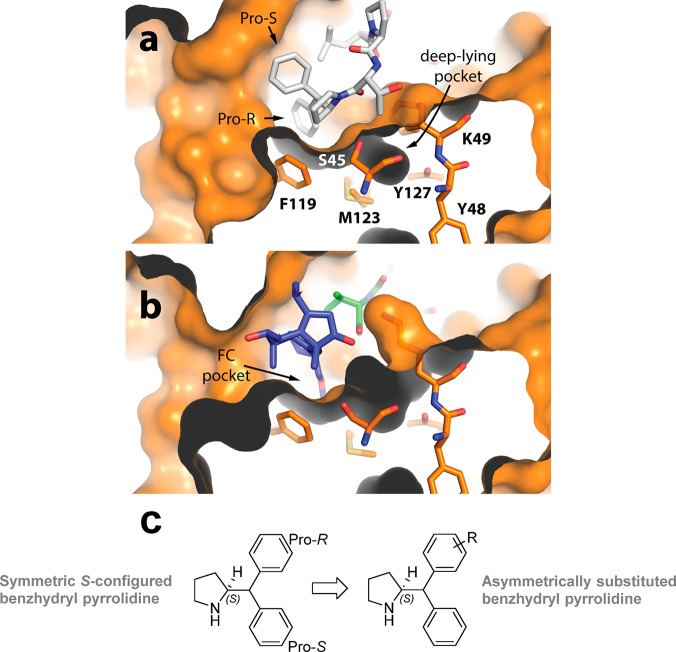
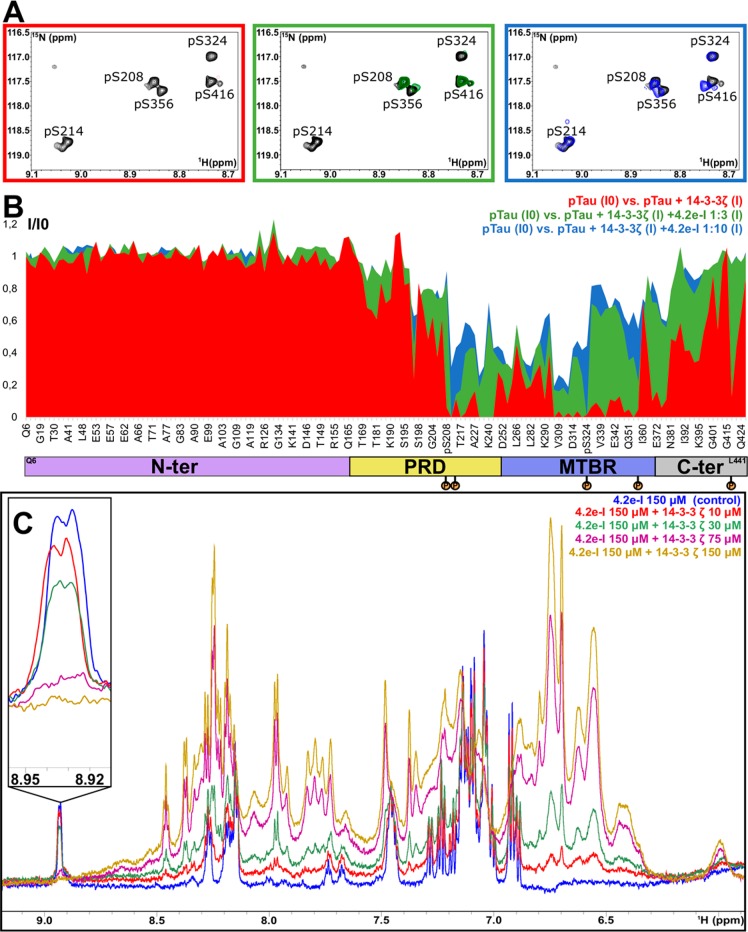
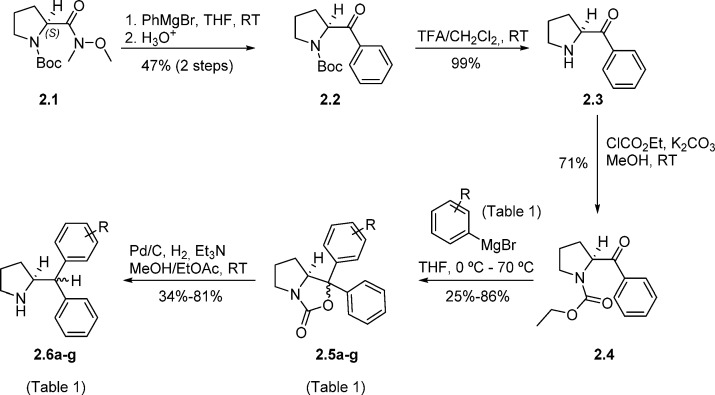
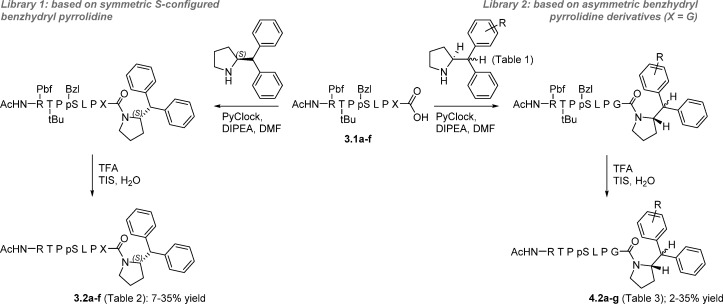
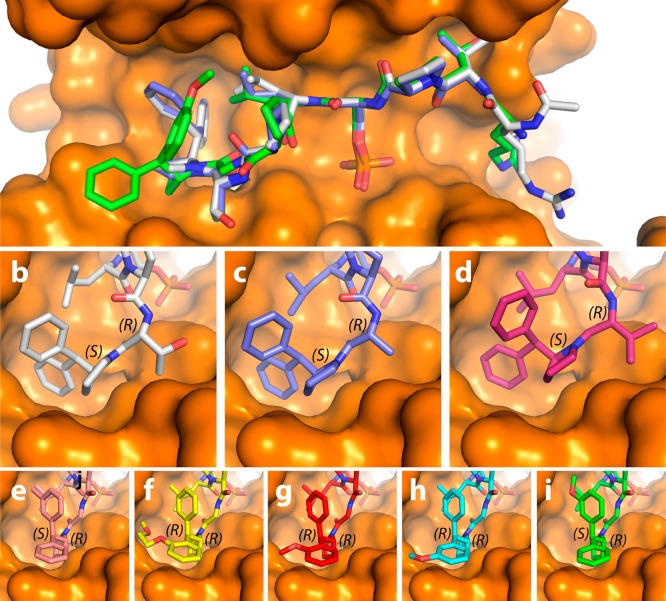
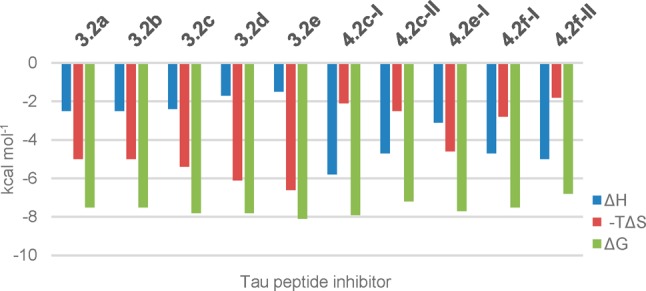
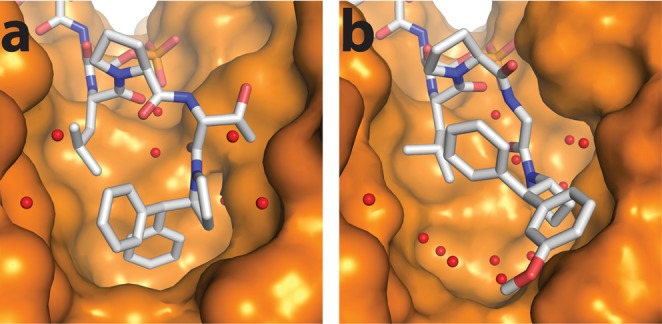
Current molecular hypotheses have not yet delivered marketable treatments for Alzheimer's disease (AD), arguably due to a lack of understanding of AD biology and an overreliance on conventional drug modalities. Protein-protein interactions (PPIs) are emerging drug targets, which show promise for the treatment of, e.g., cancer, but are still underexploited for treating neurodegenerative diseases. 14-3-3 binding to phosphorylated Tau is a promising PPI drug target based on its reported destabilizing effect on microtubules, leading to enhanced neurofibrillary tangle formation as a potential cause of AD-related neurodegeneration. Inhibition of 14-3-3/Tau may therefore be neuroprotective. Previously, we reported the structure-guided development of modified peptide inhibitors of 14-3-3/Tau. Here, we report further efforts to optimize the binding mode and activity of our modified Tau peptides through a combination of chemical synthesis, biochemical assays, and X-ray crystallography. Most notably, we were able to characterize two different high-affinity binding modes, both of which inhibited 14-3-3-binding to full-length PKA-phosphorylated Tau protein in vitro as measured by NMR spectroscopy. Our findings, besides producing useful tool inhibitor compounds for studying 14-3-3/Tau, have enhanced our understanding of the molecular parameters for inhibiting 14-3-3/Tau, which are important milestones toward the establishment of our 14-3-3 PPI hypothesis.
目前的分子假说尚未为阿尔茨海默病(AD)提供可销售的治疗方法,这可以说是由于对 AD 生物学缺乏了解以及过度依赖传统药物模式所致。蛋白质-蛋白质相互作用(PPIs)是新兴的药物靶点,它们在治疗癌症等方面显示出前景,但在治疗神经退行性疾病方面仍未得到充分利用。14-3-3 与磷酸化 Tau 的结合是一种有前途的 PPI 药物靶点,基于其对微管的稳定作用,导致神经原纤维缠结形成增强,这可能是 AD 相关神经退行性变的潜在原因。因此,抑制 14-3-3/Tau 可能具有神经保护作用。以前,我们报告了基于结构的 14-3-3/Tau 修饰肽抑制剂的开发。在这里,我们通过化学合成、生化测定和 X 射线晶体学的组合,进一步努力优化我们修饰的 Tau 肽的结合模式和活性。值得注意的是,我们能够表征两种不同的高亲和力结合模式,这两种模式都抑制了 14-3-3 与全长 PKA 磷酸化 Tau 蛋白在体外的结合,如通过 NMR 光谱法测量。我们的发现,除了产生用于研究 14-3-3/Tau 的有用工具抑制剂化合物外,还增强了我们对抑制 14-3-3/Tau 的分子参数的理解,这是建立我们的 14-3-3 PPI 假说的重要里程碑。