National Institute for Health Innovation, School of Population Health, University of Auckland, Private Bag 92019, Auckland, 1142, New Zealand.
Centre for Addiction Research, School of Population Health, University of Auckland, Private Bag 92019, Auckland, 1142, New Zealand.
BMC Public Health. 2018 May 4;18(1):596. doi: 10.1186/s12889-018-5351-7.
Smoking rates are higher in New Zealand (NZ) adults with mental illnesses and alcohol and other drug (AOD) addictions, compared to the overall population. Quit attempts using "gold standard" smoking cessation treatments often fail in people with these conditions, so more flexible treatment regimens that adapt to a person's responsiveness to treatment are worth investigating. The STATUS trial aims to evaluate the effectiveness and safety of combining varenicline with nicotine e-cigarettes for smoking cessation among varenicline non-responders in treatment for mental health illnesses and/or AOD addictions.
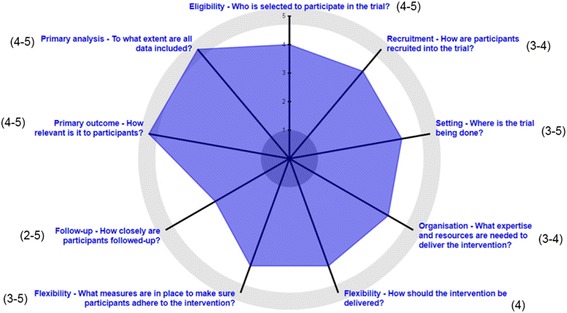
This is a pragmatic two-arm, open-label, randomised trial. Participants will be daily smokers using mental health and/or addiction services in Auckland, aged ≥18 years, motivated to quit smoking, and eligible to access varenicline through the NZ special authority process. After 2 weeks of using varenicline plus behavioural support, participants who have not reduced their daily smoking by ≥50% will be randomised (1:1) to either 10 weeks of continued varenicline use or 10 weeks of varenicline plus an 18 mg/mL nicotine e-cigarette. All participants will receive weekly withdrawal-orientated behavioural support calls for 6 weeks post-randomisation. The primary outcome is self-reported biochemically-verified (exhaled carbon monoxide) continuous abstinence at 24 weeks post-randomisation. Secondary outcomes, measured at six, 12 and 24 weeks post-randomisation include: self-reported continuous abstinence, 7-day point prevalence abstinence, smoking reduction, time to relapse, cross-over, use of other smoking cessation support, serious adverse events, treatment adherence, compliance, acceptability, dual use, continuation of treatment use, mental illness symptoms and AOD use, health-related quality of life, and cost-analysis. A sample size of 338 will confer 80% power (p = 0.05) to detect a 15% absolute difference between the varenicline alone and varenicline plus e-cigarette groups.
People with mental illness and/or AOD addictions are just as motivated as others to quit smoking, but are less likely to succeed. Adapting smoking cessation medication after a lack of responsiveness in the first 2 weeks of initial treatment in this priority population by adding a nicotine e-cigarette may be one way to increase long-term quit rates.
Australian NZ Clinical Trial Registry: ACTRN12616001355460 (29 September 2016).
与新西兰(NZ)整体人口相比,患有精神疾病和酒精及其他药物(AOD)成瘾的成年人的吸烟率更高。使用“金标准”戒烟治疗方法往往会使这些情况下的戒烟尝试失败,因此,值得研究更灵活的治疗方案,以适应一个人对治疗的反应。STATUS 试验旨在评估在治疗精神疾病和/或 AOD 成瘾患者时,对于瓦伦尼克林无反应者,将瓦伦尼克林与尼古丁电子烟联合使用对戒烟的有效性和安全性。
这是一项实用的、双盲、随机试验。参与者将是在奥克兰使用精神健康和/或成瘾服务的每日吸烟者,年龄≥18 岁,有戒烟意愿,并符合通过新西兰特别授权程序获得瓦伦尼克林的条件。在使用瓦伦尼克林加行为支持治疗 2 周后,未能将每日吸烟量减少≥50%的参与者将被随机(1:1)分配至继续使用瓦伦尼克林治疗 10 周或瓦伦尼克林加 18mg/ml 尼古丁电子烟治疗 10 周。所有参与者将在随机分组后 6 周内每周接受一次以戒断为导向的行为支持电话。主要结局是在随机分组后 24 周时自我报告的经生物化学验证(呼出一氧化碳)持续戒烟。次要结局,在随机分组后 6、12 和 24 周时测量,包括:自我报告的持续戒烟、7 天点患病率戒烟、吸烟量减少、复发时间、交叉、其他戒烟支持的使用、严重不良事件、治疗依从性、遵医嘱性、可接受性、双重使用、继续治疗使用、精神疾病症状和 AOD 使用、健康相关生活质量以及成本分析。338 人的样本量将具有 80%的功效(p=0.05),以检测瓦伦尼克林单独治疗组和瓦伦尼克林加电子烟组之间 15%的绝对差异。
患有精神疾病和/或 AOD 成瘾的人戒烟的动机与其他人一样,但成功的可能性较小。在这个优先人群中,在初始治疗的前 2 周内,如果对戒烟药物没有反应,通过添加尼古丁电子烟来调整戒烟药物治疗可能是提高长期戒烟率的一种方法。
澳大利亚新西兰临床试验注册中心:ACTRN12616001355460(2016 年 9 月 29 日)。