Chaibi H, Nourine R
Lab. LITIO, University of Oran 1 Ahmed Ben Bella- Algeria.
J Biomed Phys Eng. 2018 Mar 1;8(1):53-64. eCollection 2018 Mar.
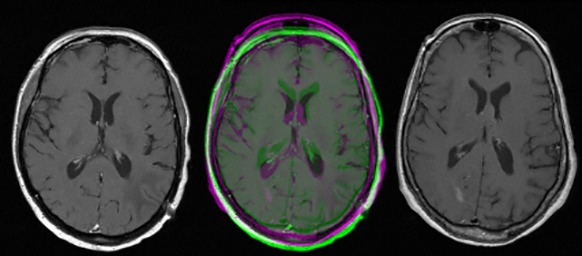
One of the challenges of PET/MRI combined systems is to derive an attenuation map to correct the PET image. For that, the pseudo-CT image could be used to correct the attenuation. Until now, most existing scientific researches construct this pseudo-CT image using the registration techniques. However, these techniques suffer from the local minima of the non-rigid deformation energy function which leads to unsatisfactory results.
We propose in this paper a new approach for the generation of a pseudo-CT image from an MR image.
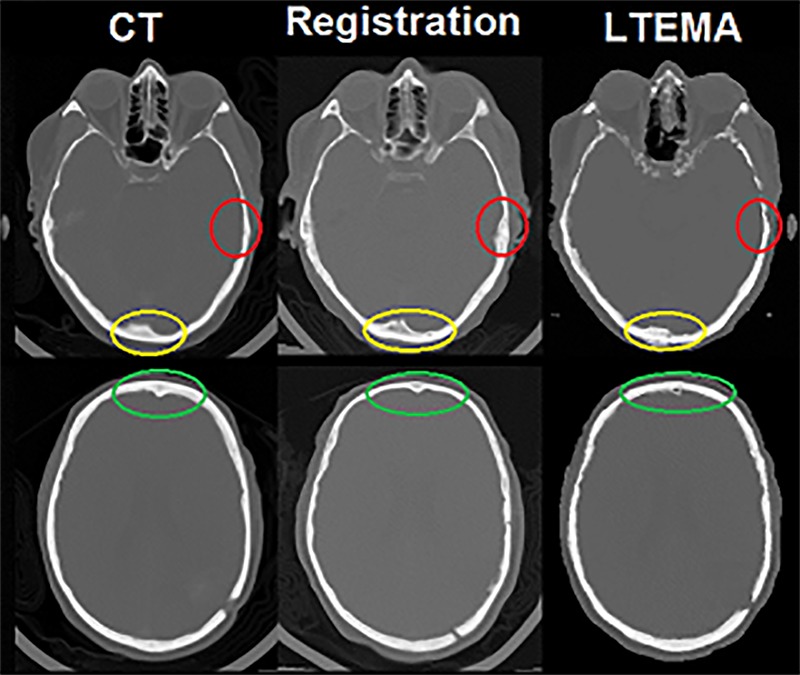
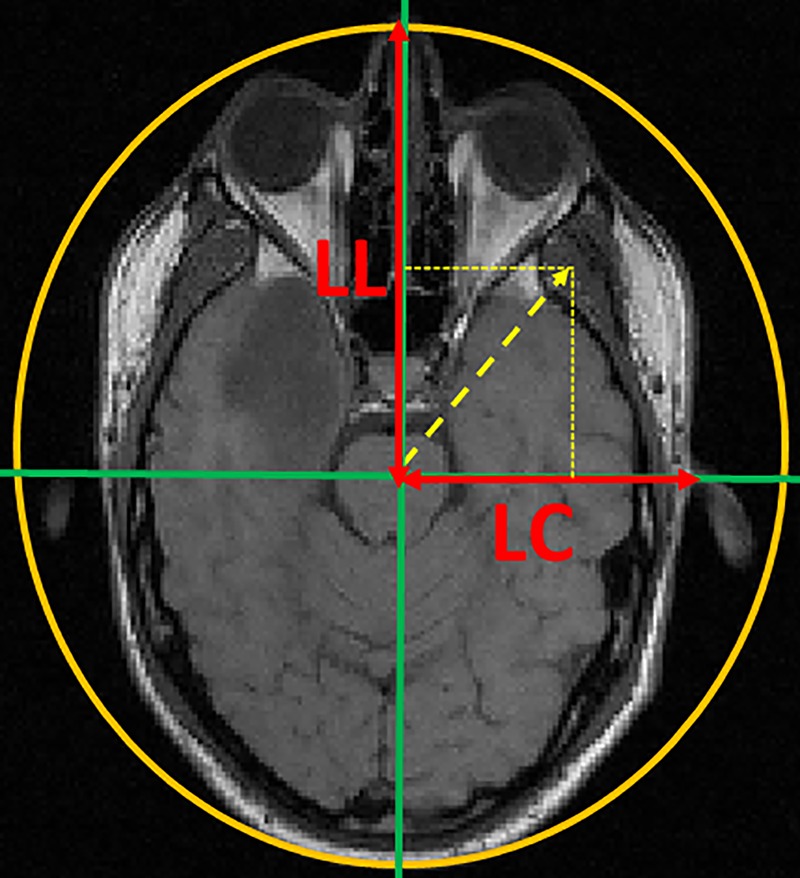
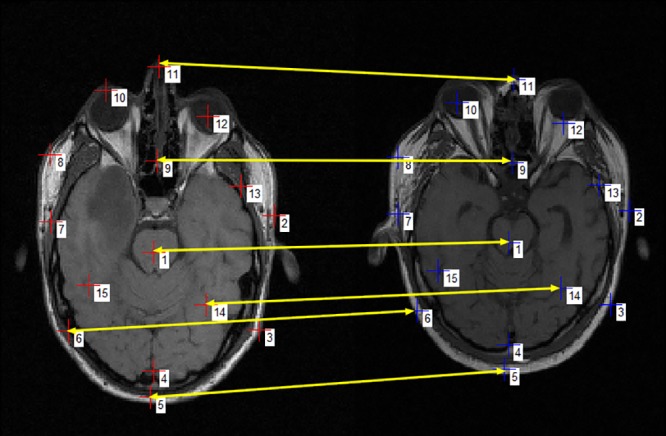
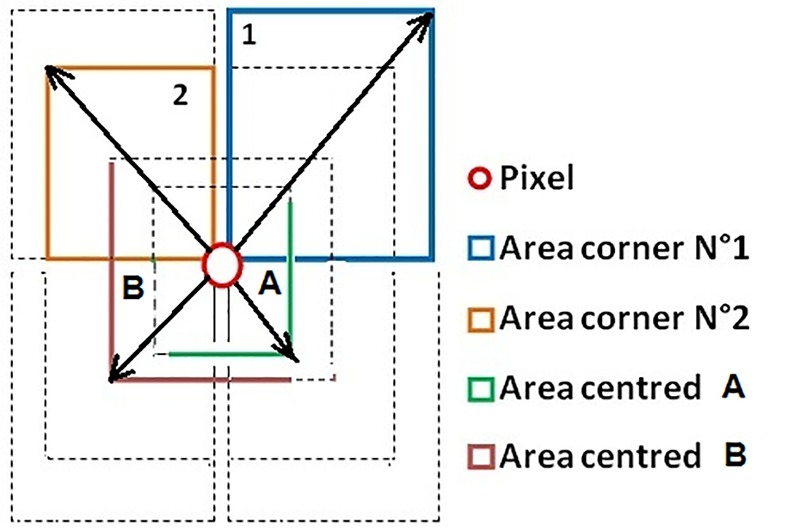
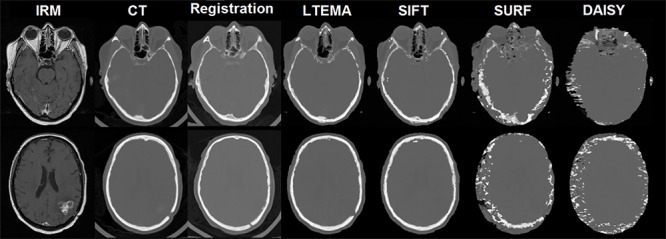
This approach is based on a dense stereo matching concept, for that, we encode each pixel according to a shape related coordinates method, and we apply a local texture descriptor to put into correspondence pixels between MRI patient and MRI atlas images. The proposed approach was tested on a real MRI data, and in order to show the effectiveness of the proposed local descriptor, it has been compared to three other local descriptors: SIFT, SURF and DAISY. Also it was compared to registration method.
The calculation of structural similarity (SSIM) index and DICE coefficients, between the pseudo-CT image and the corresponding real CT image show that the proposed stereo matching approach outperforms a registration one.
The use of dense matching with atlas promises good results in the creation of pseudo-CT. The proposed approach can be recommended as an alternative to registration techniques.
PET/MRI联合系统面临的挑战之一是生成衰减图以校正PET图像。为此,可使用伪CT图像来校正衰减。到目前为止,大多数现有科学研究使用配准技术构建此伪CT图像。然而,这些技术存在非刚性变形能量函数的局部最小值问题,导致结果不尽人意。
本文提出一种从MR图像生成伪CT图像的新方法。
该方法基于密集立体匹配概念,为此,我们根据形状相关坐标方法对每个像素进行编码,并应用局部纹理描述符来匹配MRI患者图像和MRI图谱图像之间的像素。该方法在真实的MRI数据上进行了测试,为了展示所提出的局部描述符的有效性,将其与其他三种局部描述符进行了比较:SIFT、SURF和DAISY。此外,还与配准方法进行了比较。
伪CT图像与相应真实CT图像之间的结构相似性(SSIM)指数和DICE系数计算结果表明,所提出的立体匹配方法优于配准方法。
与图谱进行密集匹配在创建伪CT方面有望取得良好效果。所提出的方法可作为配准技术的替代方法推荐使用。