Zhong C, Liu K, Wang K, Liu H, Su H, Wu J, Duan L
Department of Gastroenterology, Peking University Third Hospital.
Department of Gastroenterology, Beijing Shijitan Hospital, Beijing, China.
Dis Esophagus. 2018 Oct 1;31(10). doi: 10.1093/dote/doy039.
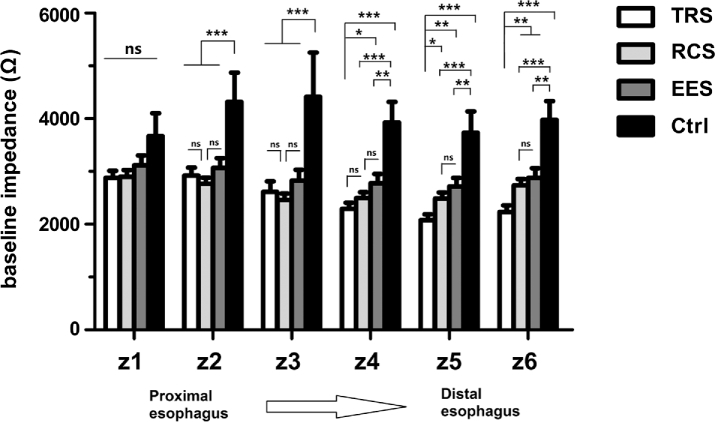
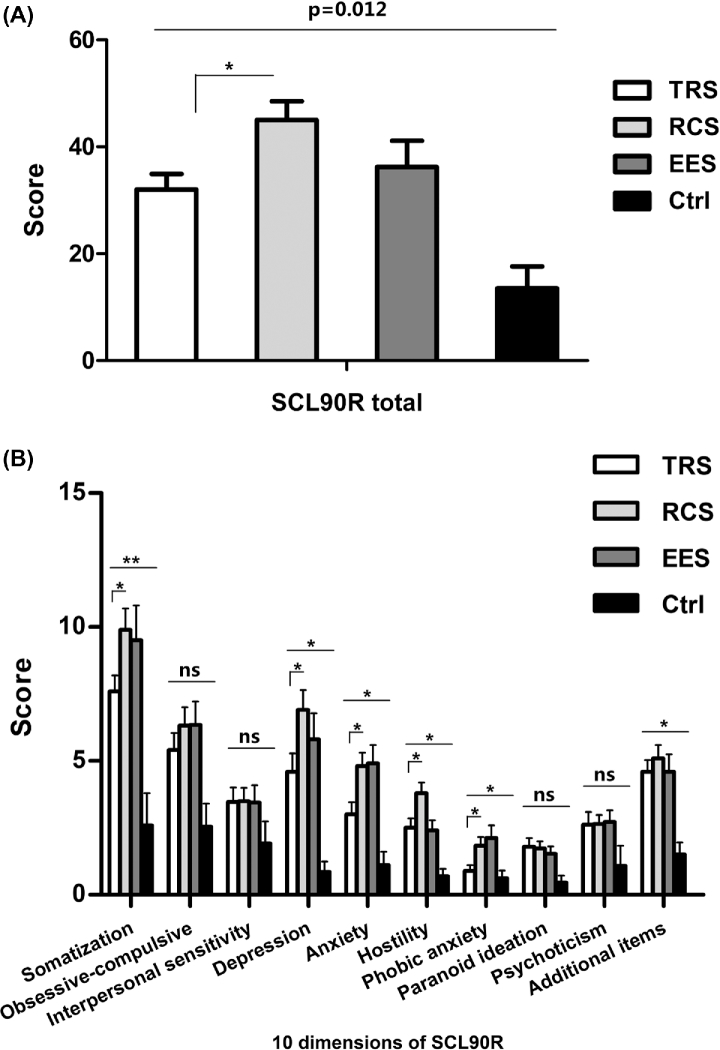
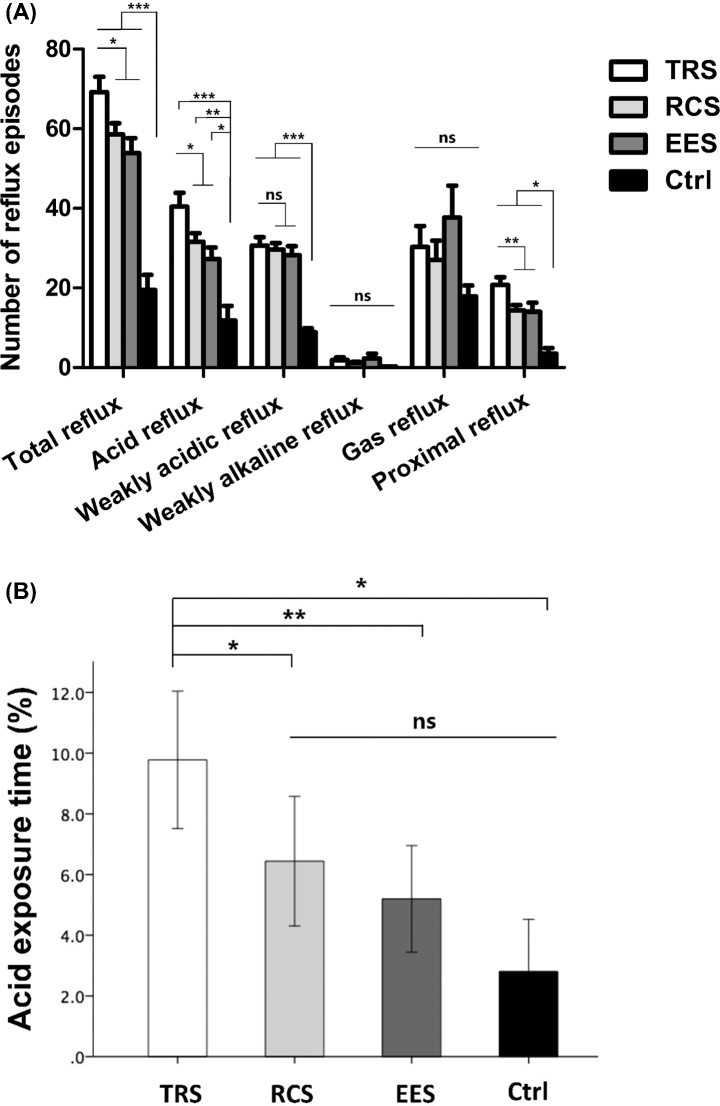
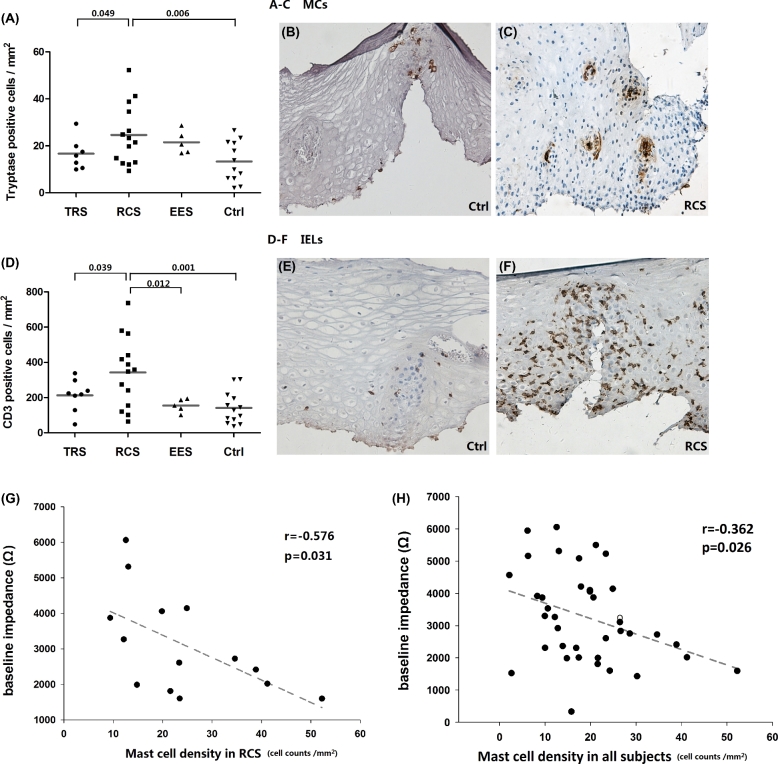
Patients with gastroesophageal reflux disease (GERD) can present with typical or atypical symptoms. The aim of this study is to explore the underlying physiological and psychological mechanisms that lead to different symptomatic manifestations of GERD. A total of 238 patients diagnosed with GERD underwent gastroscopy, 24 h multichannel intraluminal impedance-pH (MII-pH) monitoring, and psychological assessment with questionnaires. Patient symptoms were used to classify GERD into phenotypes of typical reflux syndrome (TRS, n = 87), reflux chest pain syndrome (RCS, n = 98), and extraesophageal syndromes (EES, n = 53). 38 healthy volunteers served as controls. Reflux parameters and baseline impedance values (BIVs) were acquired from MII-pH monitoring results. A subset of subjects were biopsied from the lower esophagus; certain immune cells were stained with immunohistochemistry. BIVs in GERD patients (TRS, RCS, and EES) were significantly lower than in healthy controls and TRS patients exhibited the lowest BIVs (all P < 0.01). This indicated that the extent of mucosal injury differed across groups. TRS patients had higher acid exposure time (AET) compared to RCS, EES and controls (all P < 0.05). RCS patients had more intraepithelial T lymphocyte (IEL) and mast cell (MC) infiltration, and higher psychometric scores compared to TRS patients and controls (all P < 0.05), suggesting a possible stress-related esophageal hypersensitivity basis. TRS patients are characterized by acid reflux and correlated mucosal injury, which explains their typical reflux symptoms. RCS patients exhibit less acid-related injury but possible psychological stress-related esophageal hypersensitivity, which could be the main cause of their esophageal pain.
胃食管反流病(GERD)患者可能出现典型或非典型症状。本研究的目的是探索导致GERD不同症状表现的潜在生理和心理机制。共有238例诊断为GERD的患者接受了胃镜检查、24小时多通道腔内阻抗-pH(MII-pH)监测以及问卷调查心理评估。根据患者症状将GERD分为典型反流综合征(TRS,n = 87)、反流胸痛综合征(RCS,n = 98)和食管外综合征(EES,n = 53)三种表型。38名健康志愿者作为对照。从MII-pH监测结果中获取反流参数和基线阻抗值(BIVs)。对部分受试者进行食管下段活检;某些免疫细胞采用免疫组织化学染色。GERD患者(TRS、RCS和EES)的BIVs显著低于健康对照,且TRS患者的BIVs最低(均P < 0.01)。这表明各组间黏膜损伤程度不同。与RCS、EES和对照组相比,TRS患者的酸暴露时间(AET)更长(均P < 0.05)。与TRS患者和对照组相比,RCS患者的上皮内T淋巴细胞(IEL)和肥大细胞(MC)浸润更多,心理测量得分更高(均P < 0.05),提示可能存在与应激相关的食管超敏反应基础。TRS患者的特征是酸反流和相关黏膜损伤,这解释了他们的典型反流症状。RCS患者的酸相关损伤较少,但可能存在与心理应激相关的食管超敏反应,这可能是其食管疼痛的主要原因。