Tai Phillip W L, Xie Jun, Fong Kaiyuen, Seetin Matthew, Heiner Cheryl, Su Qin, Weiand Michael, Wilmot Daniella, Zapp Maria L, Gao Guangping
Horae Gene Therapy Center, University of Massachusetts Medical School, Worcester, MA 01605, USA.
Li Weibo Institute for Rare Diseases Research, University of Massachusetts Medical School, Worcester, MA 01605, USA.
Mol Ther Methods Clin Dev. 2018 Feb 13;9:130-141. doi: 10.1016/j.omtm.2018.02.002. eCollection 2018 Jun 15.
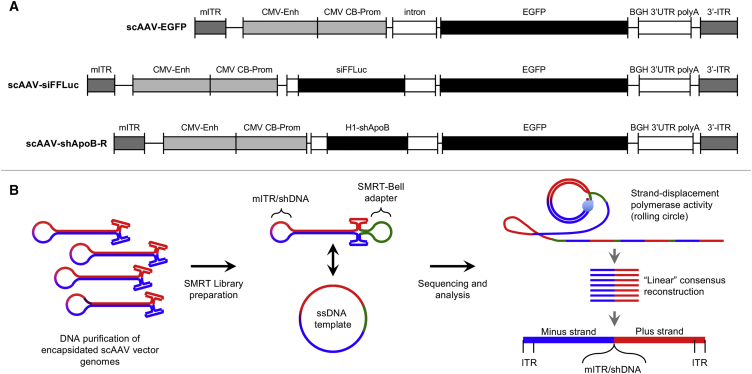
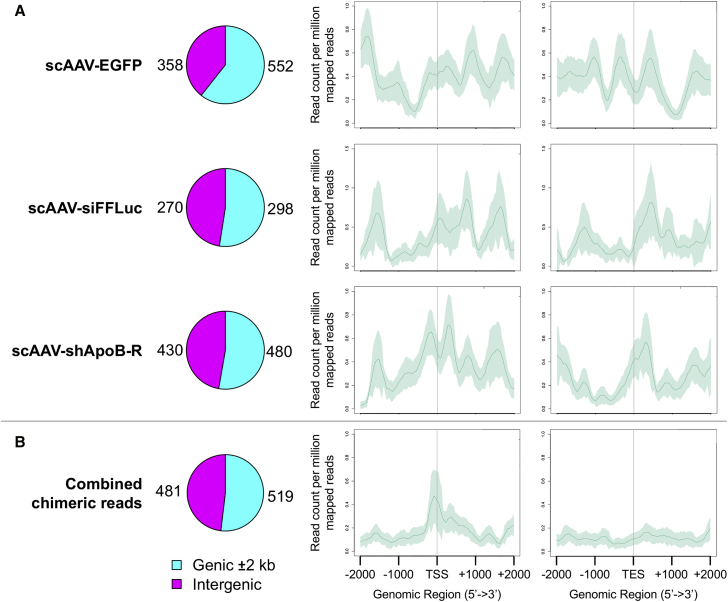
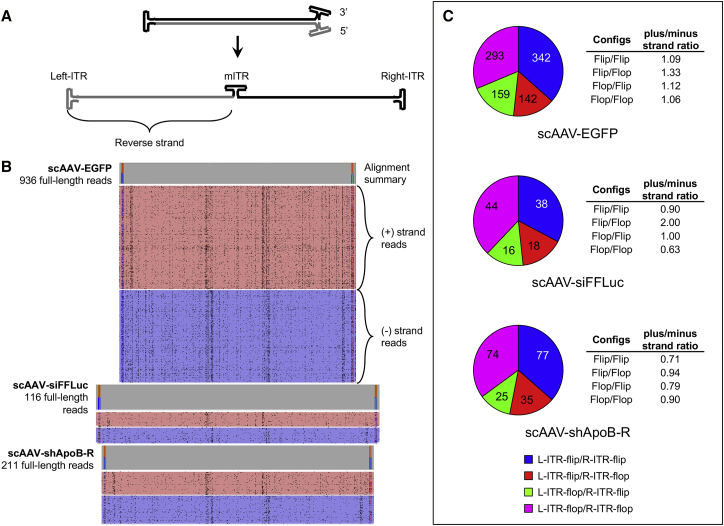
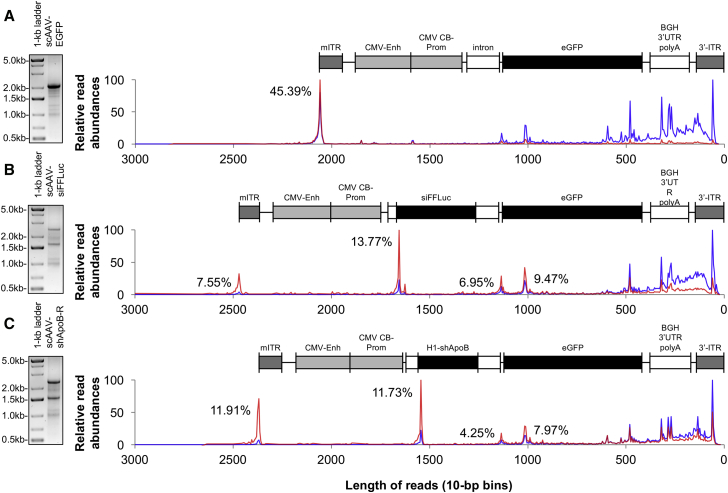
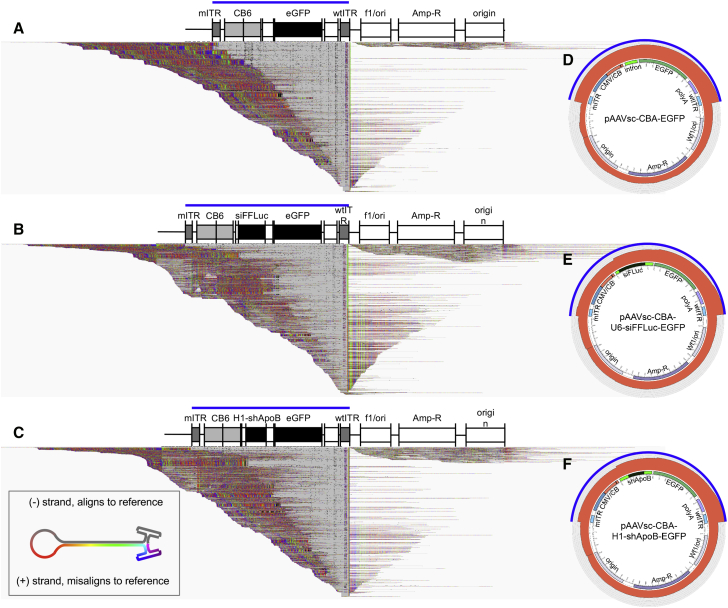
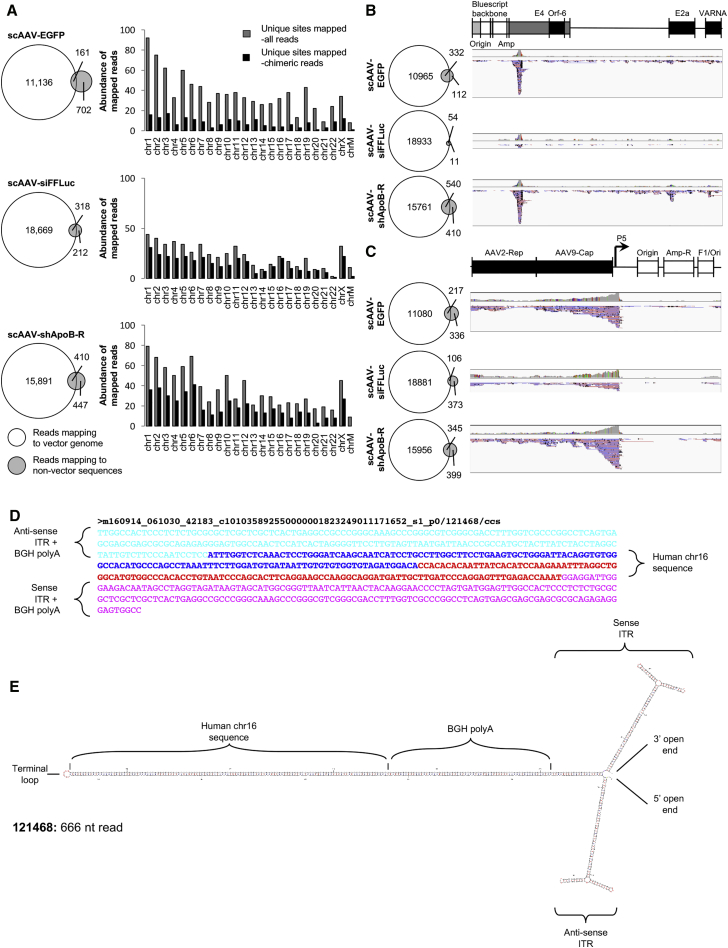
Recombinant adeno-associated virus (rAAV)-based gene therapy has entered a phase of clinical translation and commercialization. Despite this progress, vector integrity following production is often overlooked. Compromised vectors may negatively impact therapeutic efficacy and safety. Using single molecule, real-time (SMRT) sequencing, we can comprehensively profile packaged genomes as a single intact molecule and directly assess vector integrity without extensive preparation. We have exploited this methodology to profile all heterogeneic populations of self-complementary AAV genomes via bioinformatics pipelines and have coined this approach AAV-genome population sequencing (AAV-GPseq). The approach can reveal the relative distribution of truncated genomes versus full-length genomes in vector preparations. Preparations that seemingly show high genome homogeneity by gel electrophoresis are revealed to consist of less than 50% full-length species. With AAV-GPseq, we can also detect many reverse-packaged genomes that encompass sequences originating from plasmid backbone, as well as sequences from packaging and helper plasmids. Finally, we detect host-cell genomic sequences that are chimeric with inverted terminal repeat (ITR)-containing vector sequences. We show that vector populations can contain between 1.3% and 2.3% of this type of undesirable genome. These discoveries redefine quality control standards for viral vector preparations and highlight the degree of foreign products in rAAV-based therapeutic vectors.
基于重组腺相关病毒(rAAV)的基因疗法已进入临床转化和商业化阶段。尽管取得了这一进展,但生产后载体的完整性常常被忽视。受损的载体可能会对治疗效果和安全性产生负面影响。使用单分子实时(SMRT)测序,我们可以将包装好的基因组作为单个完整分子进行全面分析,并直接评估载体完整性,而无需进行大量准备工作。我们利用这种方法通过生物信息学管道对自我互补AAV基因组的所有异质群体进行分析,并将这种方法命名为AAV基因组群体测序(AAV-GPseq)。该方法可以揭示载体制剂中截短基因组与全长基因组的相对分布。通过凝胶电泳看似显示出高基因组同质性的制剂,实际上全长物种的比例不到50%。使用AAV-GPseq,我们还可以检测到许多反向包装的基因组,这些基因组包含来自质粒骨架的序列以及来自包装和辅助质粒的序列。最后,我们检测到与含反向末端重复序列(ITR)的载体序列嵌合的宿主细胞基因组序列。我们发现载体群体中这类不良基因组的含量在1.3%至2.3%之间。这些发现重新定义了病毒载体制剂的质量控制标准,并突出了基于rAAV的治疗性载体中外源产物的程度。