Department of Physiology, Harbin Medical University, 150081, Harbin, China.
College of Bioinformatics Science and Technology, Harbin Medical University, 150081, Harbin, China.
Cell Death Dis. 2018 May 22;9(6):602. doi: 10.1038/s41419-018-0595-9.
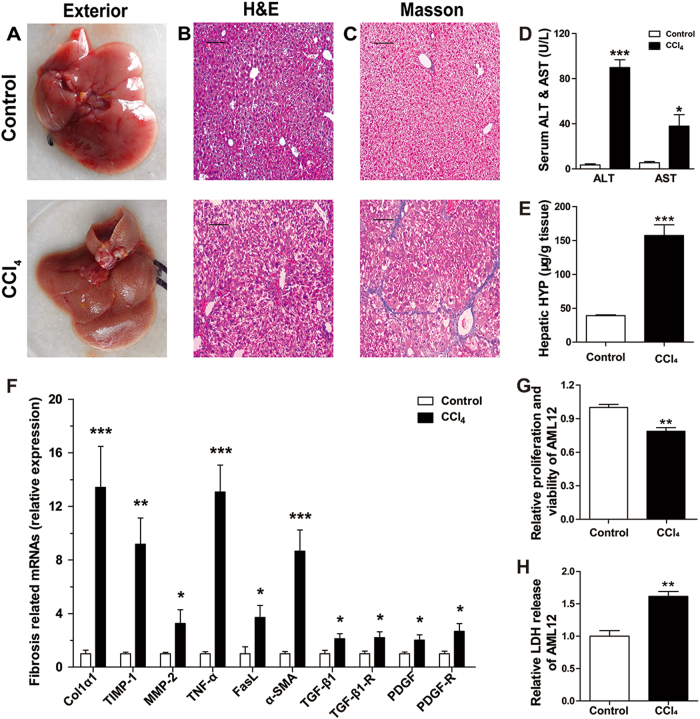
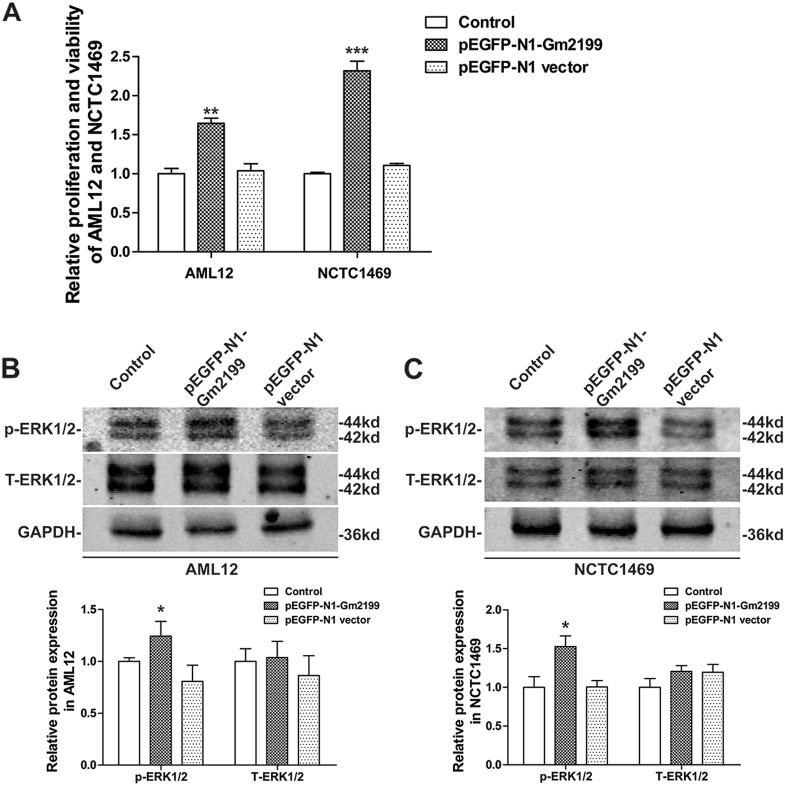
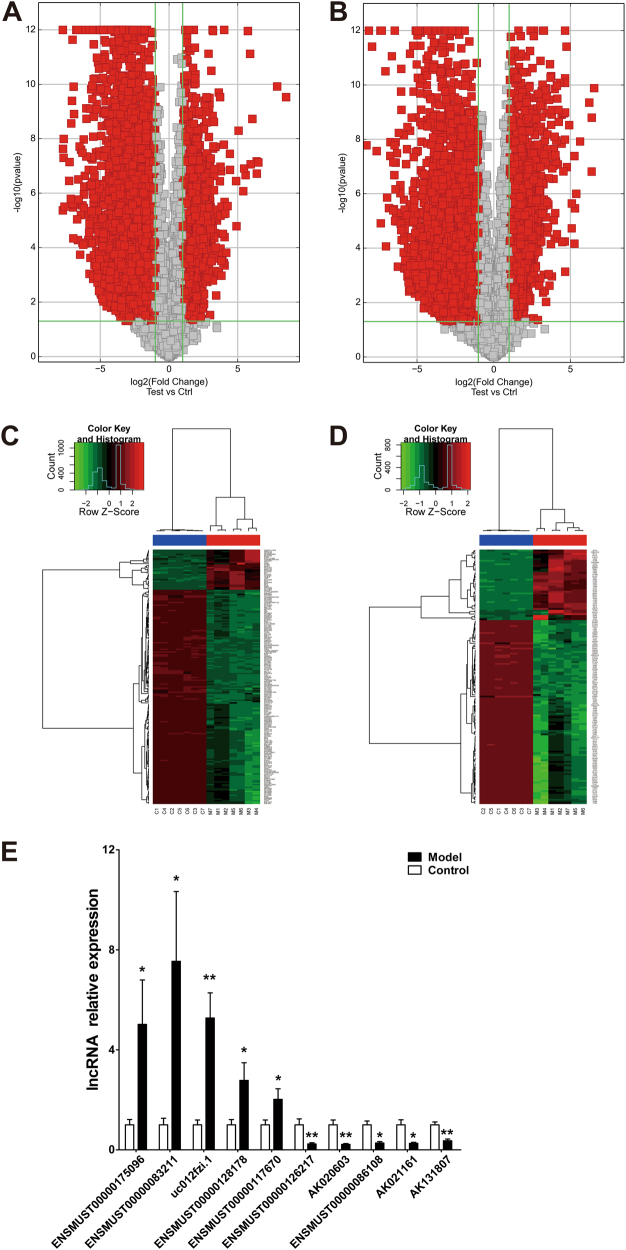
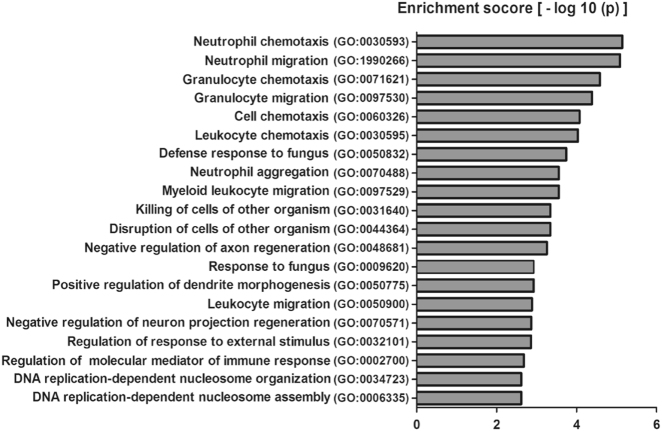
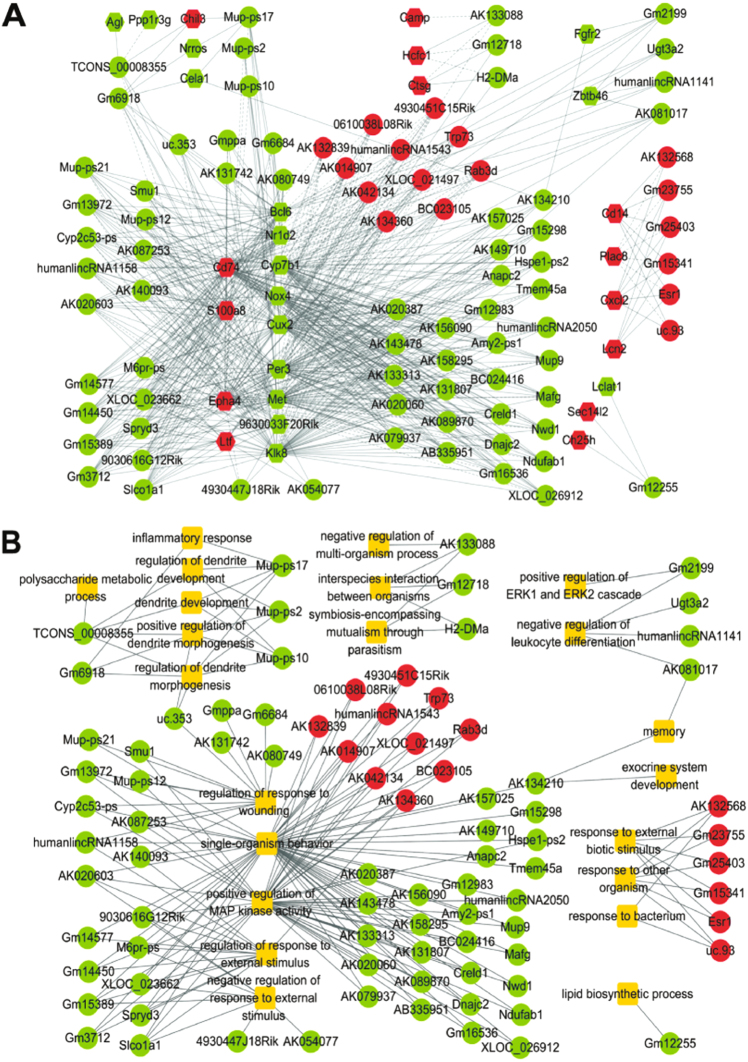
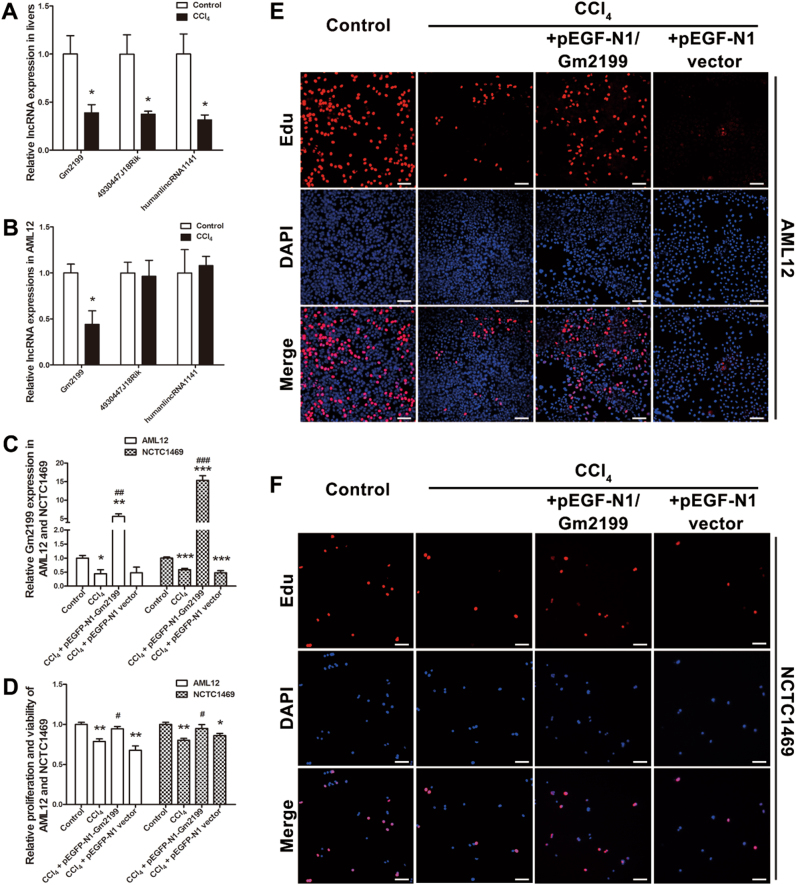
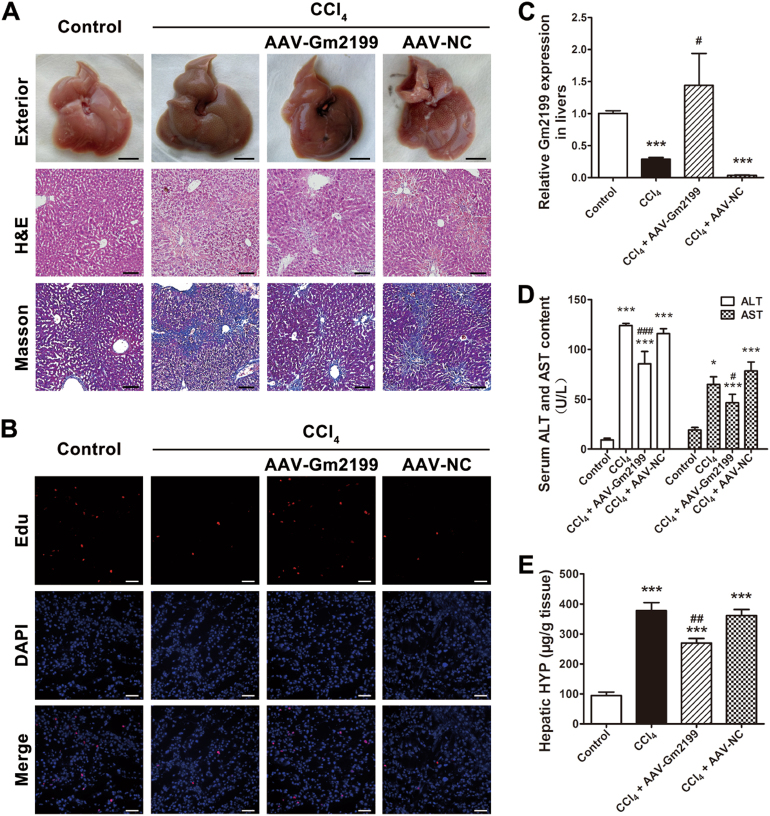
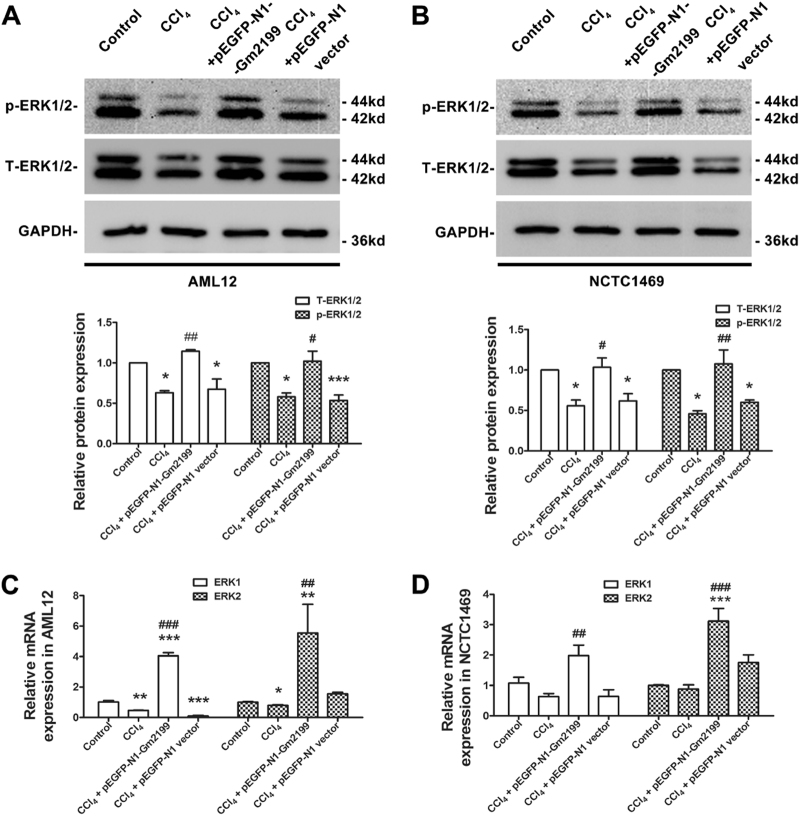
Long non-coding RNAs (lncRNAs) are a new class of regulators of various human diseases. This study was designed to explore the potential role of lncRNAs in experimental hepatic damage. In vivo hepatic damage in mice and in vitro hepatocyte damage in AML12 and NCTC1469 cells were induced by carbon tetrachloride (CCl) treatments. Expression profiles of lncRNAs and mRNAs were analyzed by microarray. Bioinformatics analyses were conducted to predict the potential functions of differentially expressed lncRNAs with respect to hepatic damage. Overexpression of lncRNA Gm2199 was achieved by transfection of the pEGFP-N1-Gm2199 plasmid in vitro and adeno-associated virus-Gm2199 in vivo. Cell proliferation and viability was detected by cell counting kit-8 and 5-ethynyl-2'-deoxyuridine assay. Protein and mRNA expressions of extracellular signal-regulated kinase-1/2 (ERK1/2) were detected by western blot and quantitative real-time reverse-transcription PCR (qRT-PCR). Microarray analysis identified 190 and 148 significantly differentially expressed lncRNAs and mRNAs, respectively. The analyses of lncRNA-mRNA co-expression and lncRNA-biological process networks unraveled potential roles of the differentially expressed lncRNAs including Gm2199 in the pathophysiological processes leading to hepatic damage. Gm2199 was downregulated in both damaged livers and hepatocyte lines. Overexpression of Gm2199 restored the reduced proliferation of damaged hepatocyte lines and increased the expression of ERK1/2. Overexpression of Gm2199 also promoted the proliferation and viability of normal hepatocyte lines and increased the level of p-ERK1/2. Overexpression of Gm2199 in vivo also protected mouse liver injury induced by CCl, evidenced by more proliferating hepatocytes, less serum alanine aminotransferase, less serum aspartate aminotransferase, and decreased hepatic hydroxyproline. The ability of Gm2199 to maintain hepatic proliferation capacity indicates it as a novel anti-liver damage lncRNA.
长链非编码 RNA(lncRNA)是调节各种人类疾病的一类新的调控因子。本研究旨在探讨 lncRNA 在实验性肝损伤中的潜在作用。采用四氯化碳(CCl)处理诱导小鼠体内肝损伤和 AML12 和 NCTC1469 细胞体外肝损伤。采用微阵列分析 lncRNA 和 mRNA 的表达谱。通过生物信息学分析预测差异表达 lncRNA 对肝损伤的潜在功能。通过体外转染 pEGFP-N1-Gm2199 质粒和体内腺相关病毒-Gm2199 转染,实现 lncRNA Gm2199 的过表达。采用细胞计数试剂盒-8 和 5-乙炔基-2'-脱氧尿苷测定法检测细胞增殖和活力。采用 Western blot 和实时定量逆转录 PCR(qRT-PCR)检测细胞外信号调节激酶 1/2(ERK1/2)的蛋白和 mRNA 表达。微阵列分析分别鉴定出 190 个和 148 个显著差异表达的 lncRNA 和 mRNA。lncRNA-mRNA 共表达和 lncRNA-生物过程网络的分析揭示了差异表达的 lncRNA 的潜在作用,包括 Gm2199 在导致肝损伤的病理生理过程中的作用。在受损的肝脏和肝细胞系中,Gm2199 均下调。Gm2199 的过表达恢复了受损肝细胞系的增殖减少,并增加了 ERK1/2 的表达。Gm2199 的过表达还促进了正常肝细胞系的增殖和活力,并增加了 p-ERK1/2 的水平。体内过表达 Gm2199 还可保护 CCl 诱导的小鼠肝损伤,表现为更多增殖的肝细胞、更低的血清丙氨酸氨基转移酶、更低的血清天冬氨酸氨基转移酶和减少的肝羟脯氨酸。Gm2199 维持肝增殖能力的能力表明其为一种新型抗肝损伤 lncRNA。