Research Group Neuroplasticity, Leibniz Institute for Neurobiology, Brenneckestr. 6, Magdeburg, Germany.
Molecular Neuroplasticity Group, German Center for Neurodegenerative Diseases (DZNE), Magdeburg, Germany.
Cereb Cortex. 2018 Jul 1;28(7):2594-2609. doi: 10.1093/cercor/bhy084.
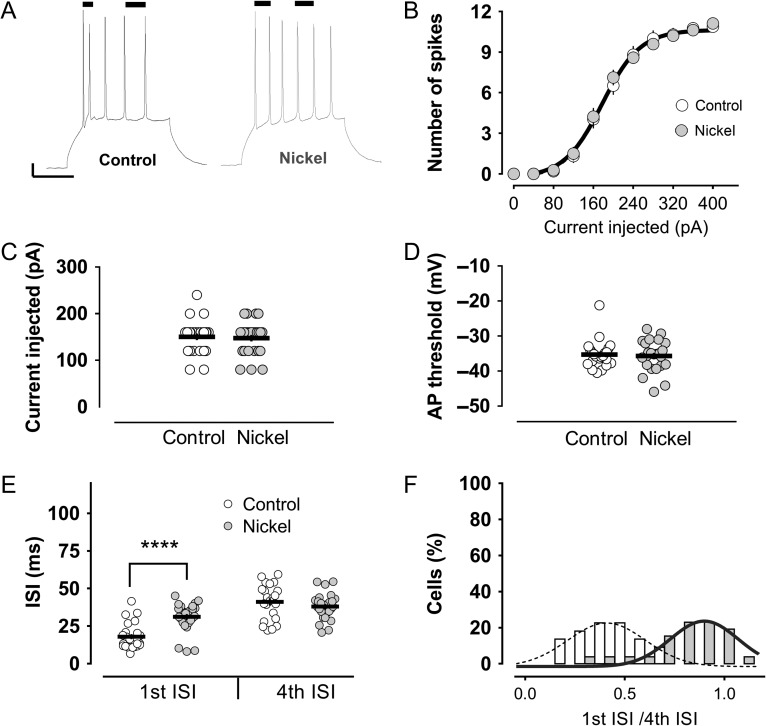
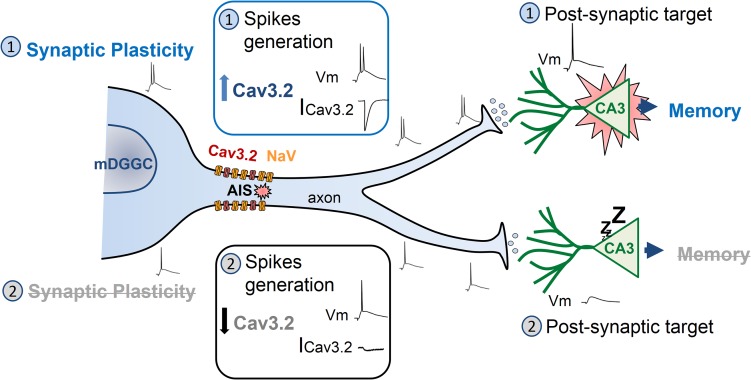
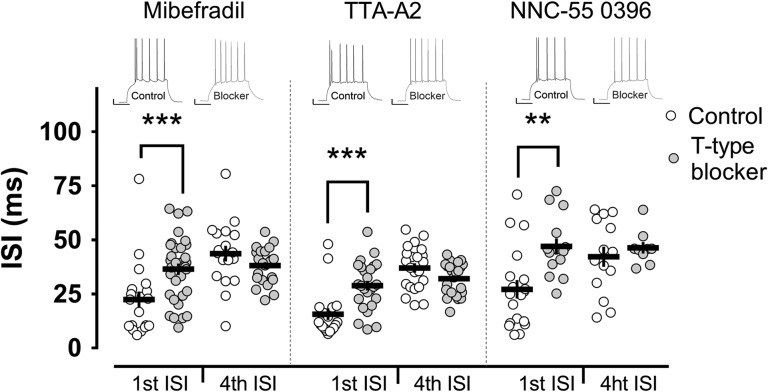
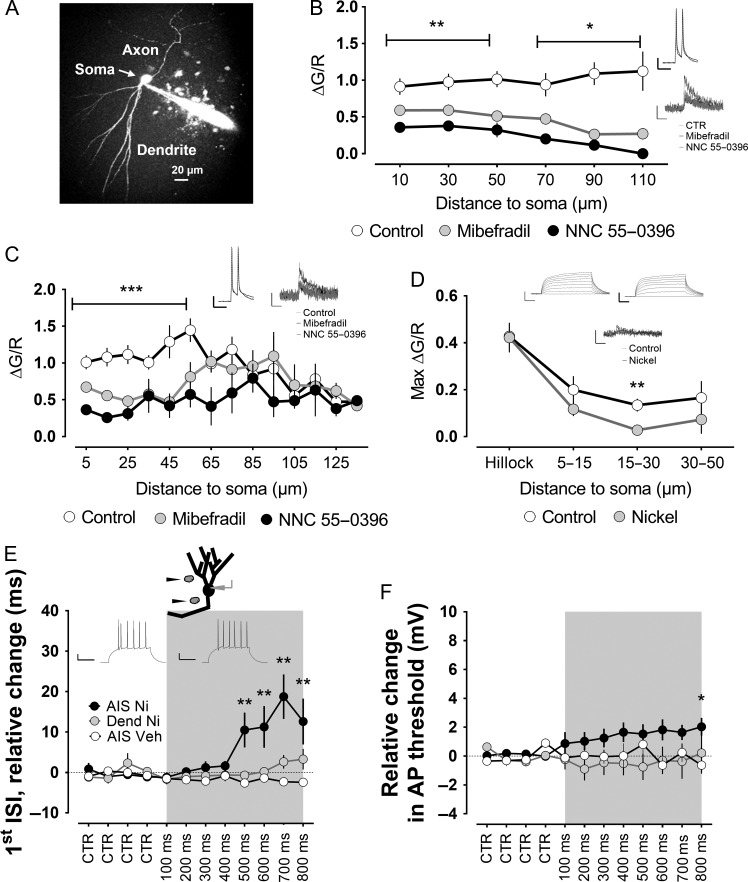
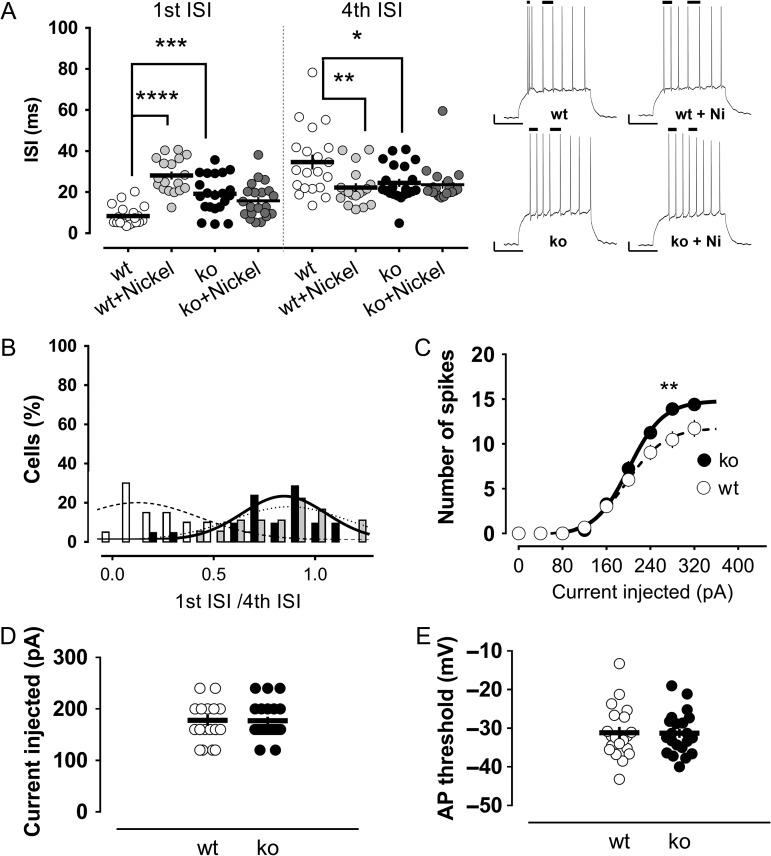
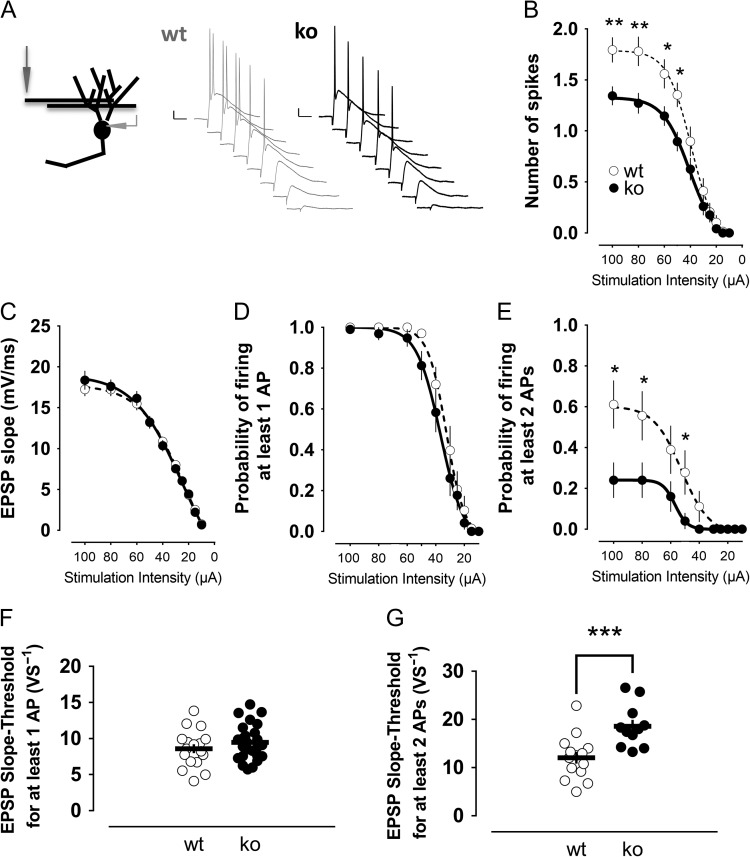
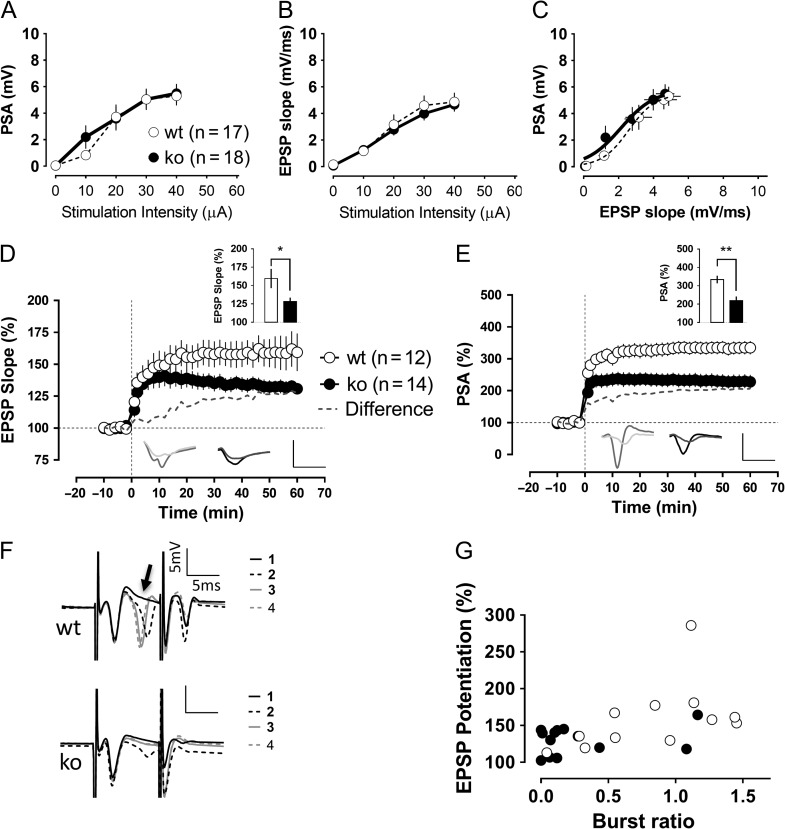
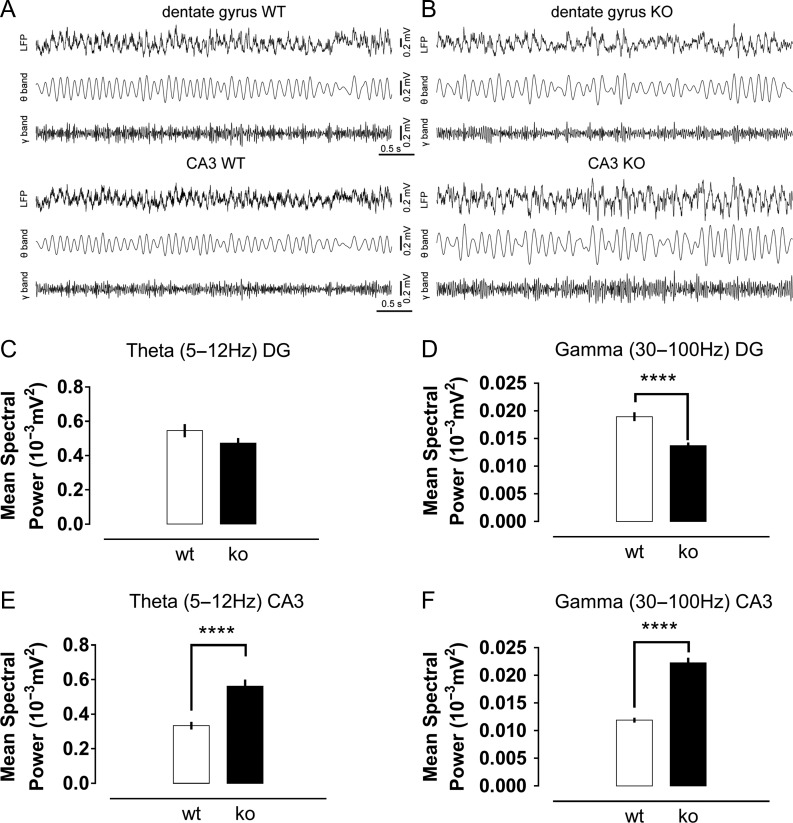
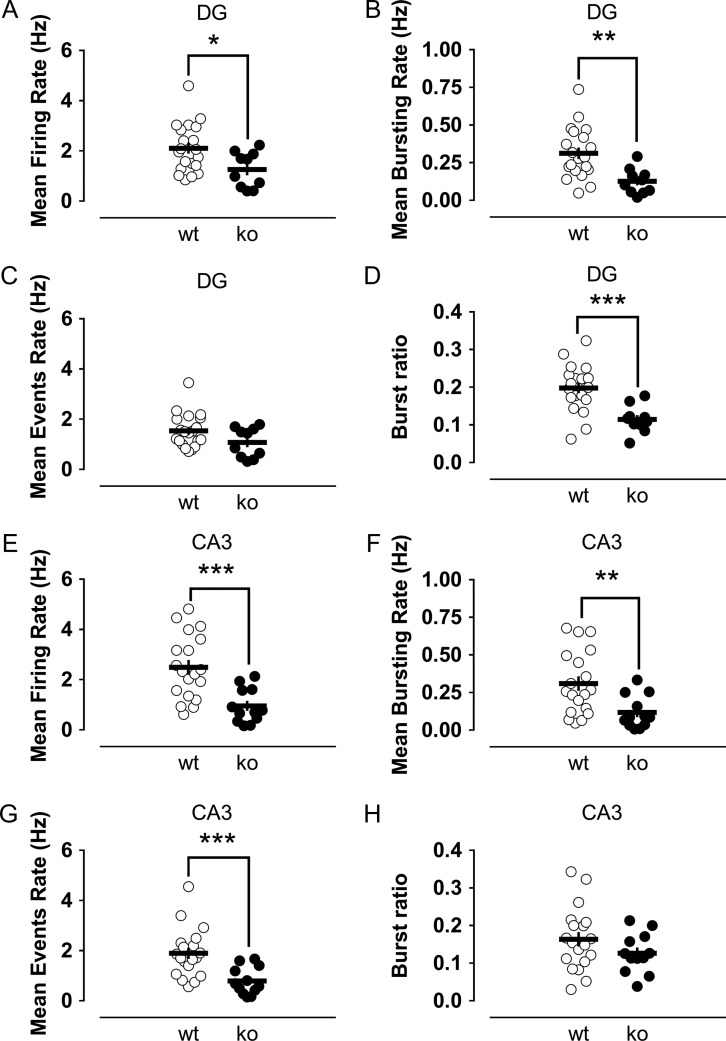
Mature granule cells are poorly excitable neurons that were recently shown to fire action potentials, preferentially in bursts. It is believed that the particularly pronounced short-term facilitation of mossy fiber synapses makes granule cell bursting a very effective means of properly transferring information to CA3. However, the mechanism underlying the unique bursting behavior of mature granule cells is currently unknown. Here, we show that Cav3.2 T-type channels at the axon initial segment are responsible for burst firing of mature granule cells in rats and mice. Accordingly, Cav3.2 knockout mice fire tonic spikes and exhibit impaired bursting, synaptic plasticity and dentate-to-CA3 communication. The data show that Cav3.2 channels are strong modulators of bursting and can be considered a critical molecular switch that enables effective information transfer from mature granule cells to the CA3 pyramids.
成熟颗粒细胞是兴奋性较差的神经元,最近有研究表明其可优先爆发式发放动作电位。人们认为,苔藓纤维突触的短期易化作用特别明显,使得颗粒细胞爆发成为向 CA3 区正确传递信息的一种非常有效的方式。然而,目前尚不清楚成熟颗粒细胞这种独特爆发行为的机制。在这里,我们发现轴突起始段的 Cav3.2 T 型钙通道负责大鼠和小鼠成熟颗粒细胞的爆发式放电。相应地,Cav3.2 敲除小鼠会发出持续的尖峰,并表现出爆发活动、突触可塑性和齿状回向 CA3 区的信息传递受损。这些数据表明,Cav3.2 通道是爆发活动的强调节剂,可以被视为一个关键的分子开关,使成熟颗粒细胞向 CA3 锥体的有效信息传递成为可能。