Iorga Raluca Eugenia, Mihailovici Ruxandra, Ozturk Manuela Ramona, Costin Dănuţ
Department of Ophthalmology, "N. Oblu" Clinical Emergency Hospital, Iaşi, Romania.
Department of Ophthalmology, "Gr. T. Popa" University of Medicine and Pharmacy, Iaşi, Romania.
Rom J Ophthalmol. 2018 Jan-Mar;62(1):64-71.
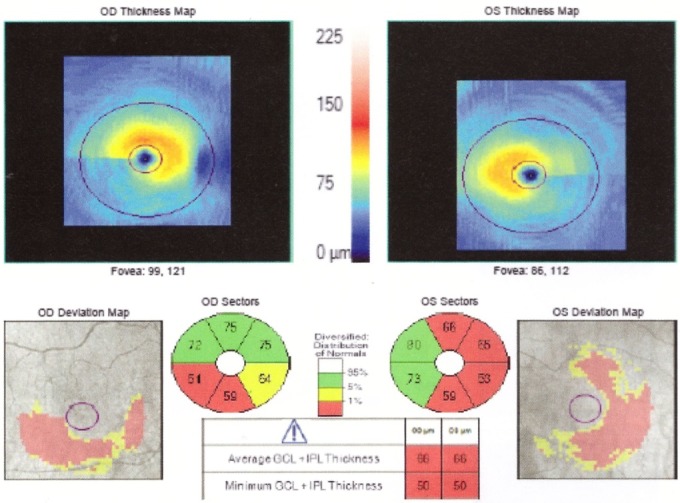
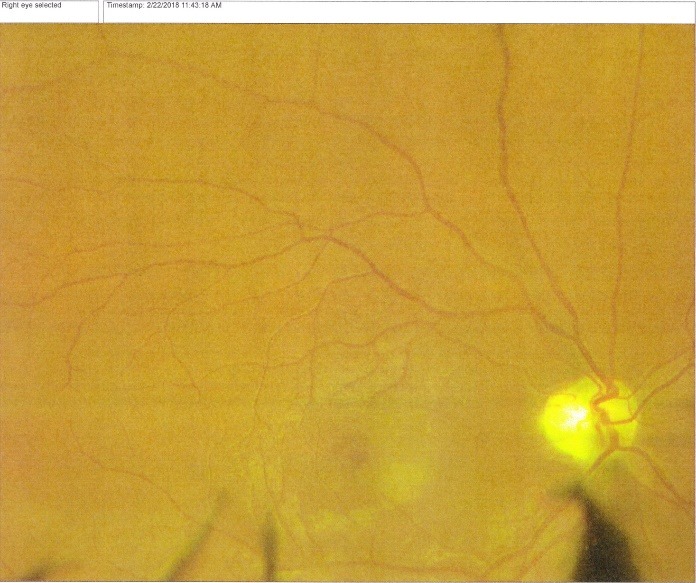
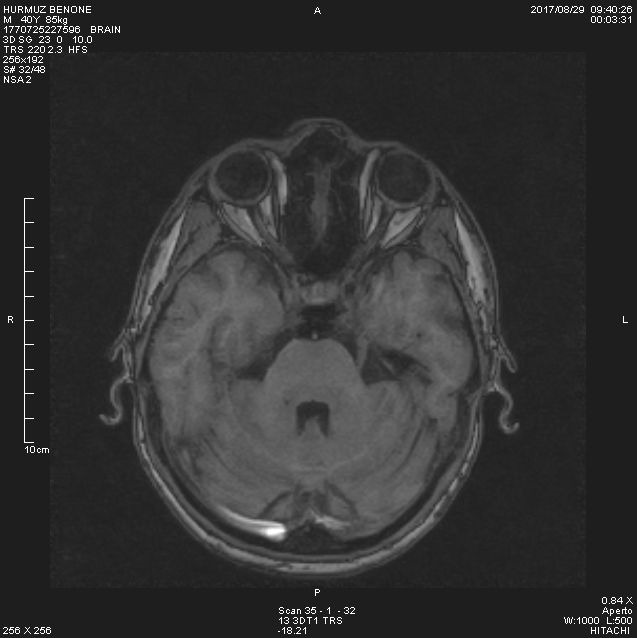
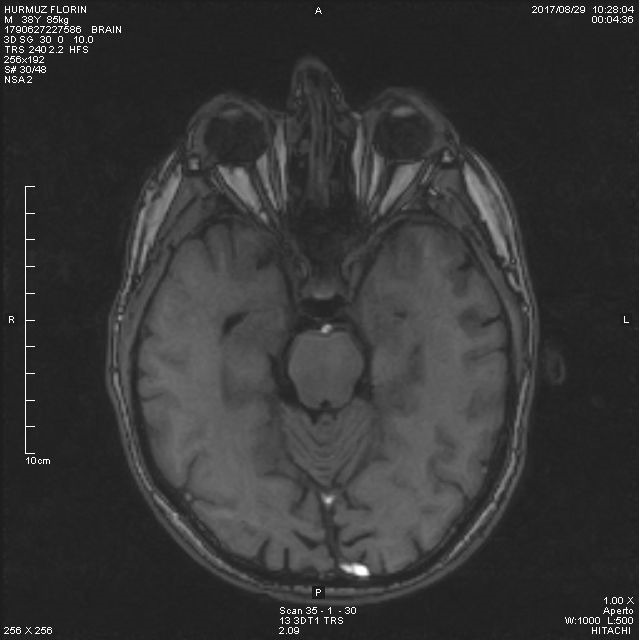
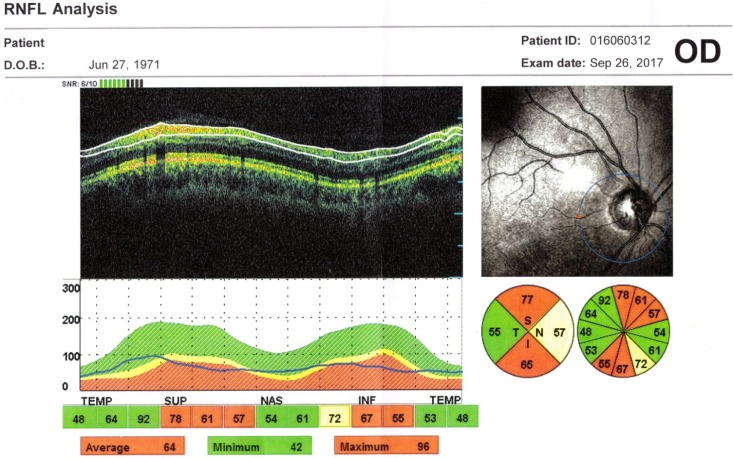
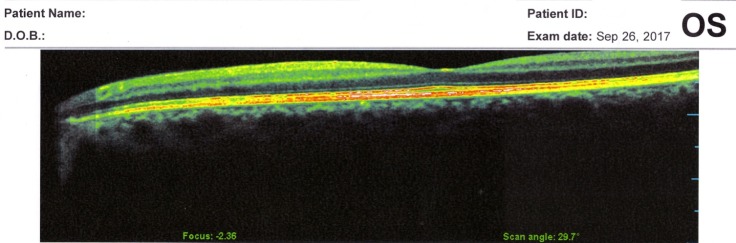
Leber's hereditary optic neuropathy is the most common mitochondrial condition and is characterized by bilateral, painless, subacute visual loss that develops during young adult life. LHON is a rare condition and this lack of knowledge can make doctors suspect and treat for other causes of vision loss. Typically, a series of tests are performed to confirm LHON diagnosis or exclude any other conditions. We presented the case of two brothers, HB, of 40 years old and HF, of 38 years old, who presented with a decrease in visual acuity in both eyes. The patients had been diagnosed with optic atrophy of unknown cause a long time ago, but no further investigations were made. They were treated with corticosteroids, antioxidants and vasodilators, but with no significant benefit. A blood test of the mitochondrial DNA, a magnetic resonance imaging and an optic coherence tomography of the optic nerve and macula were part of the following assessment of our patients. The mitochondrial DNA analyses revealed the 3460 G>A mutation on the mtND1 gene in both patients. Based on the medical history, the fundus aspect, the optic coherence tomography and the paraclinical investigations of the diagnosis of Leber's hereditary optic neuropathy were established in both patients. We started the treatment with idebenone and we evaluated the patients after three months.
LHON = Leber's hereditary optic neuropathy, mtDNA = mitochondrial DNA, VA = visual acuity, CF = count fingers, OCT = optical coherence tomography, RNFL = retinal nerve fiber layer, GCL = ganglion cells layer, MS = multiple sclerosis, MRI = magnetic resonance imaging, MTI = magnetization transfer imaging, MTR = magnetization transfer ratio.
Leber遗传性视神经病变是最常见的线粒体疾病,其特征为双侧、无痛性、亚急性视力丧失,发病于青壮年时期。Leber遗传性视神经病变较为罕见,这种认知不足可能导致医生怀疑并按其他视力丧失原因进行治疗。通常会进行一系列检查以确诊Leber遗传性视神经病变或排除其他病症。我们报告了两兄弟的病例,40岁的HB和38岁的HF,他们均出现双眼视力下降。这两名患者早就被诊断为不明原因的视神经萎缩,但未作进一步检查。他们接受了皮质类固醇、抗氧化剂和血管扩张剂治疗,但效果不显著。线粒体DNA血液检测、磁共振成像以及视神经和黄斑的光学相干断层扫描是对我们患者后续评估的一部分。线粒体DNA分析显示两名患者的mtND1基因均存在3460 G>A突变。根据病史、眼底情况、光学相干断层扫描以及辅助检查,确诊两名患者均患有Leber遗传性视神经病变。我们开始使用艾地苯醌进行治疗,并在三个月后对患者进行评估。
LHON = Leber遗传性视神经病变,mtDNA = 线粒体DNA,VA = 视力,CF = 数指,OCT = 光学相干断层扫描,RNFL = 视网膜神经纤维层,GCL = 神经节细胞层,MS = 多发性硬化,MRI = 磁共振成像,MTI = 磁化传递成像,MTR = 磁化传递率