Li Xin, Xue Lei, Peng Qin
Department of Neurosurgery, Jinshazhou Hospital of Traditional Chinese Medicine, Guangzhou University of Chinese Medicine, Guangzhou, Guangdong 510000, P.R. China.
Clinical Skills Training Center, Guangzhou Medical University, Guangzhou, Guangdong 510182, P.R. China.
Oncol Lett. 2018 Jun;15(6):8470-8476. doi: 10.3892/ol.2018.8416. Epub 2018 Apr 3.
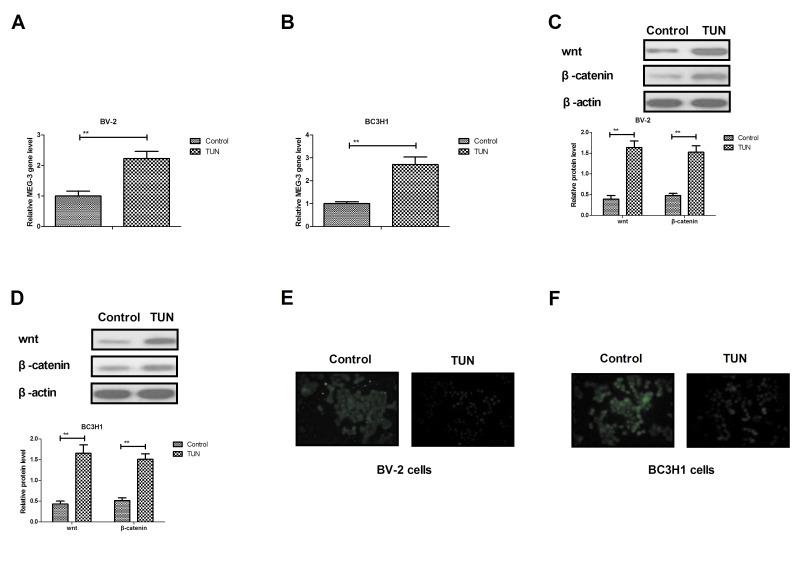
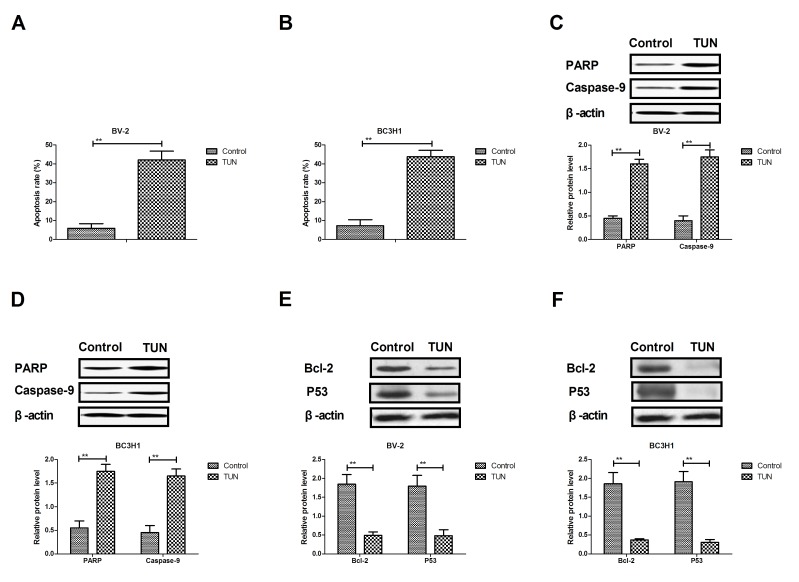
Glioma is derived from the oncogenic transformation of brain and spinal cord glial cells, and is one of the most common primary brain tumors. Tunicamycin (TUN) can significantly inhibit glioma growth and aggressiveness by promoting apoptosis in glioma cells. The purpose of the present study was to investigate the effects of TUN on growth of glioma cells and examine the TUN-mediated signaling pathway. The inhibitory effects of TUN on apoptosis, growth, aggressiveness and cell cycle arrest of glioma tumor cells were determined by western blotting, reverse transcription-quantitative polymerase chain reaction, apoptotic assays and immunofluorescence. The results demonstrated that treatment with TUN suppressed growth, migration and invasion of glioma carcinoma cells. In addition, TUN treatment induced apoptosis of glioma cells through downregulation of Bcl-2 and P53 expression levels. Findings also indicated that TUN suppressed proliferation and arrested the glioma cells in the S phase of the cell cycle. Further analysis of the mechanisms of TUN demonstrated that TUN treatment upregulated the expression levels of maternally expressed gene (MEG)-3, wnt and β-catenin in glioma cells. Furthermore, knockdown of MEG-3 expression reversed the TUN-decreased wnt/β-catenin signaling pathway, which subsequently also reversed the TUN-inhibited growth and aggressiveness of glioma cells. In conclusion, the findings in the present study indicated that TUN treatment inhibited growth and aggressiveness through MEG-3-mediated wnt/β-catenin signaling, suggesting that TUN may be an efficient anticancer agent for the treatment of glioma.
胶质瘤起源于脑和脊髓胶质细胞的致癌转化,是最常见的原发性脑肿瘤之一。衣霉素(TUN)可通过促进胶质瘤细胞凋亡显著抑制其生长和侵袭性。本研究的目的是探讨TUN对胶质瘤细胞生长的影响,并研究TUN介导的信号通路。通过蛋白质免疫印迹法、逆转录-定量聚合酶链反应、凋亡检测和免疫荧光法测定TUN对胶质瘤肿瘤细胞凋亡、生长、侵袭性和细胞周期阻滞的抑制作用。结果表明,TUN处理可抑制胶质瘤癌细胞的生长、迁移和侵袭。此外,TUN处理通过下调Bcl-2和P53表达水平诱导胶质瘤细胞凋亡。研究结果还表明,TUN抑制增殖并使胶质瘤细胞停滞在细胞周期的S期。对TUN作用机制的进一步分析表明,TUN处理上调了胶质瘤细胞中母源表达基因(MEG)-3、wnt和β-连环蛋白的表达水平。此外,敲低MEG-3表达可逆转TUN降低的wnt/β-连环蛋白信号通路,进而也逆转了TUN对胶质瘤细胞生长和侵袭性的抑制作用。总之,本研究结果表明,TUN处理通过MEG-3介导的wnt/β-连环蛋白信号通路抑制生长和侵袭性,提示TUN可能是一种治疗胶质瘤的有效抗癌药物。