APC Microbiome Institute, University College Cork, Cork, Ireland.
Department of Anatomy and Neuroscience, University College Cork, Cork, Ireland.
Elife. 2018 May 29;7:e33070. doi: 10.7554/eLife.33070.
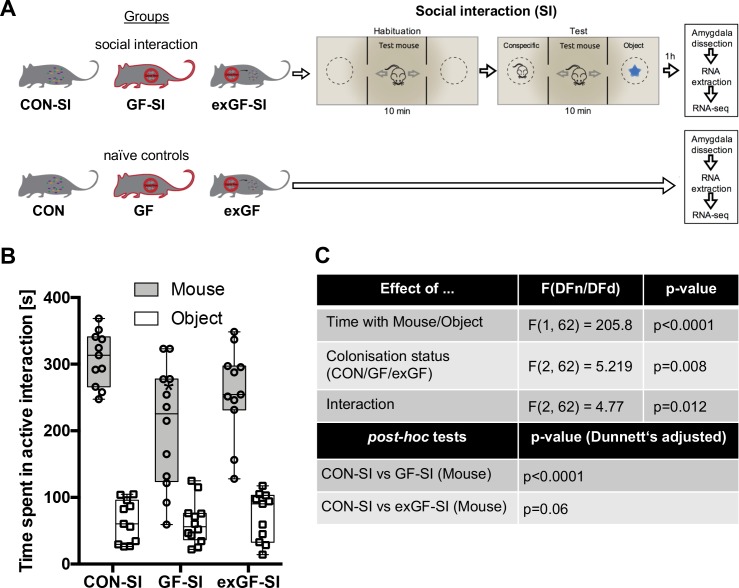
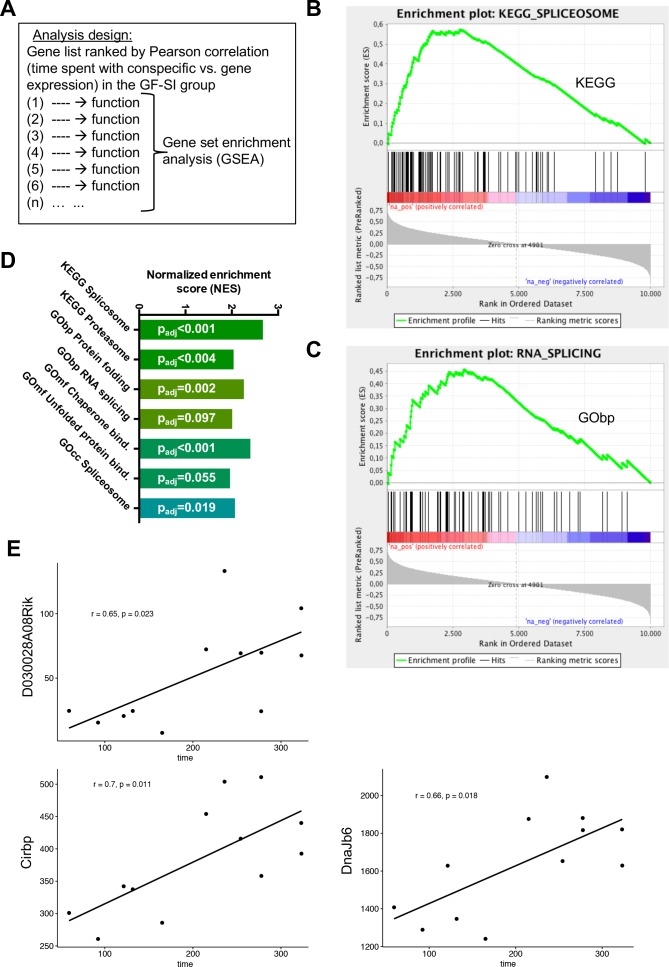
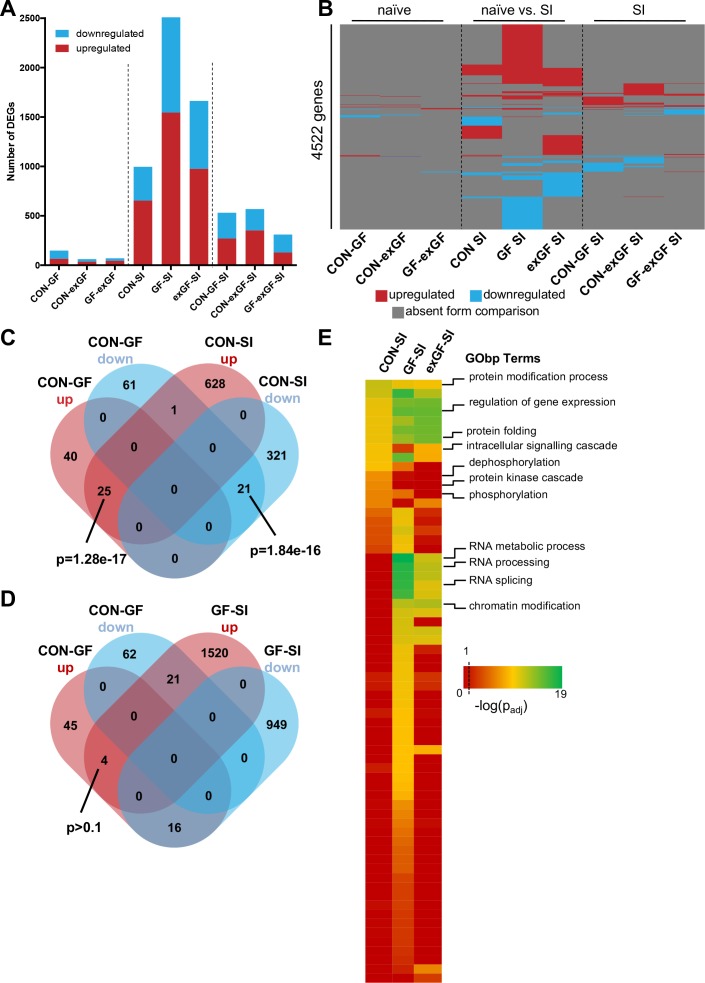
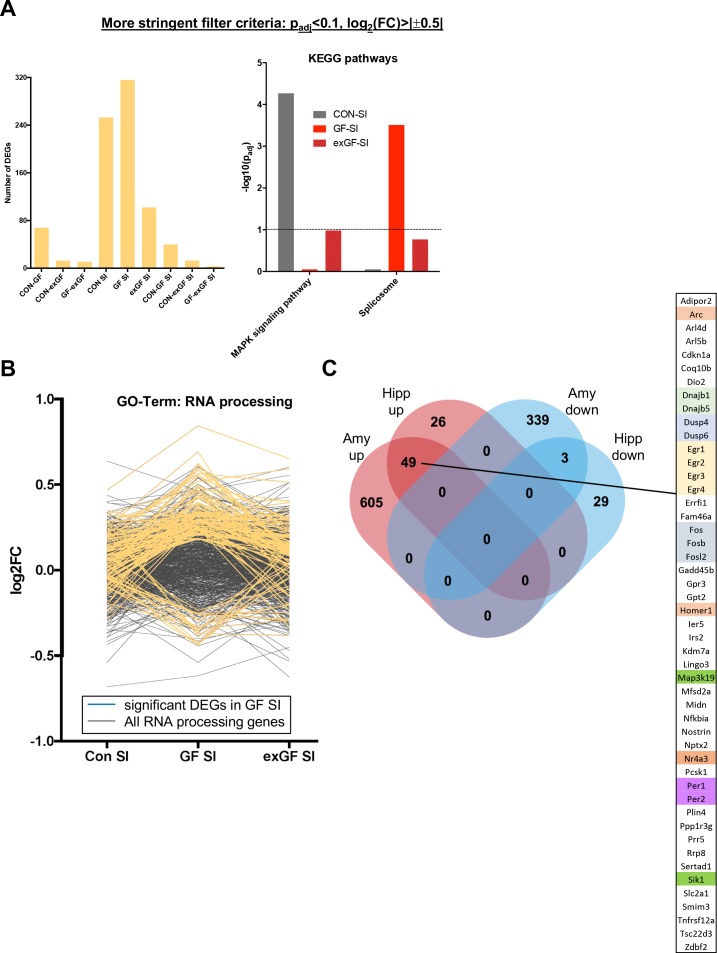
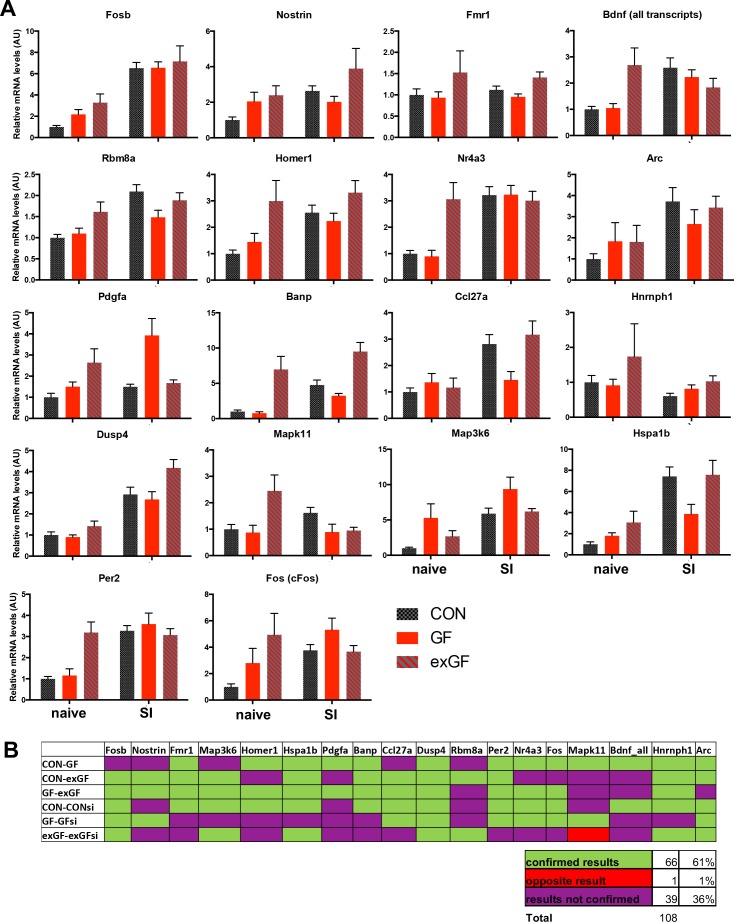
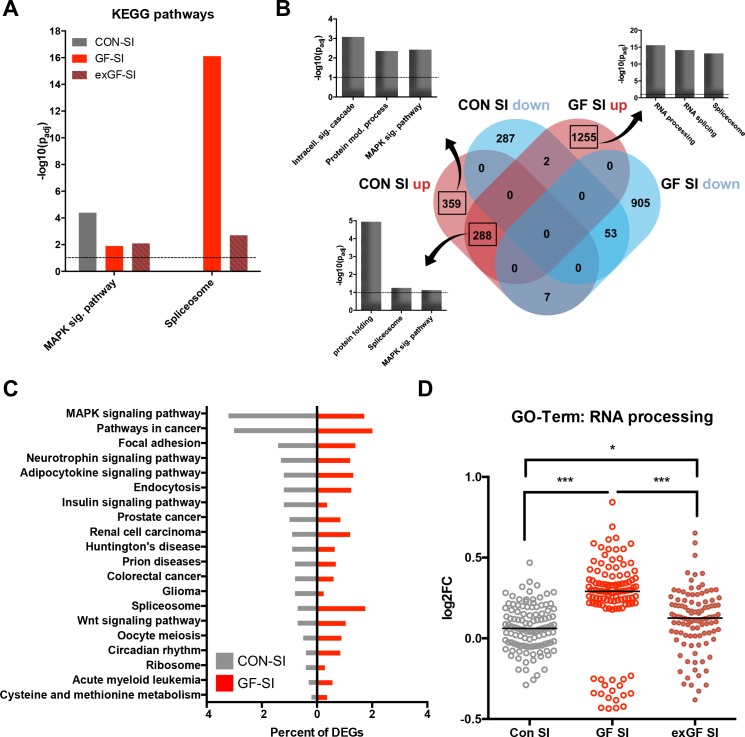
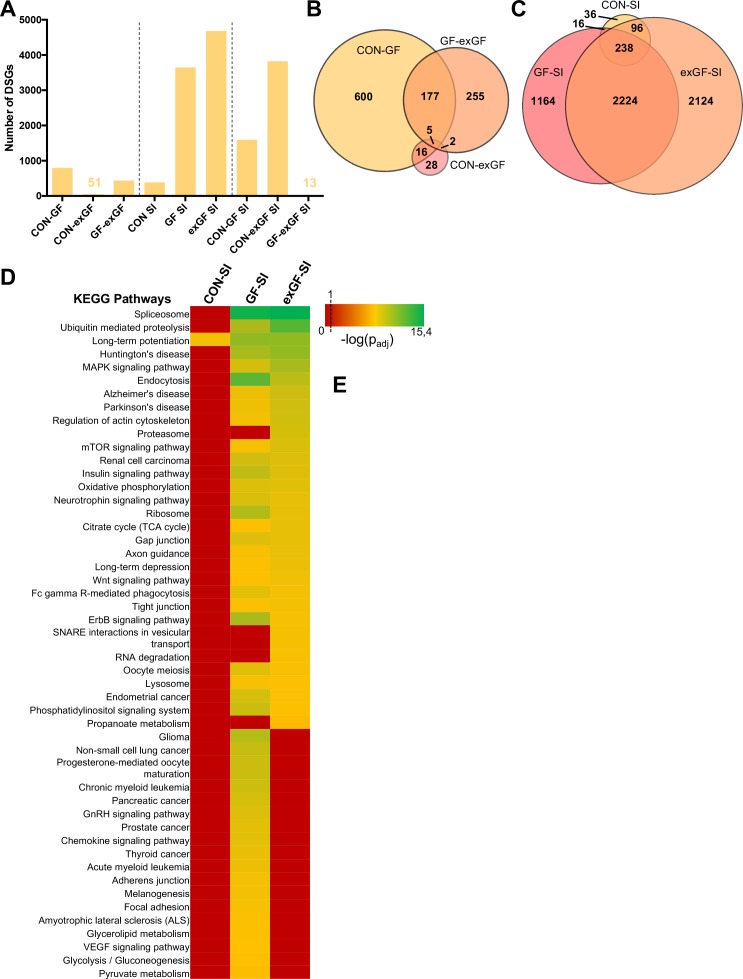
Social behaviour is regulated by activity of host-associated microbiota across multiple species. However, the molecular mechanisms mediating this relationship remain elusive. We therefore determined the dynamic, stimulus-dependent transcriptional regulation of germ-free (GF) and GF mice colonised post weaning (exGF) in the amygdala, a brain region critically involved in regulating social interaction. In GF mice the dynamic response seen in controls was attenuated and replaced by a marked increase in expression of splicing factors and alternative exon usage in GF mice upon stimulation, which was even more pronounced in exGF mice. In conclusion, we demonstrate a molecular basis for how the host microbiome is crucial for a normal behavioural response during social interaction. Our data further suggest that social behaviour is correlated with the gene-expression response in the amygdala, established during neurodevelopment as a result of host-microbe interactions. Our findings may help toward understanding neurodevelopmental events leading to social behaviour dysregulation, such as those found in autism spectrum disorders (ASDs).
社交行为受宿主相关微生物群的调节,涉及多种物种。然而,介导这种关系的分子机制仍难以捉摸。因此,我们确定了无菌(GF)和断奶后定植(exGF)的小鼠在杏仁核中的动态、刺激依赖性转录调控,杏仁核是一个在调节社交互动中起关键作用的大脑区域。在 GF 小鼠中,对照小鼠中观察到的动态反应减弱,而在刺激时,GF 小鼠中剪接因子的表达和选择性外显子的使用显著增加,在 exGF 小鼠中更为明显。总之,我们证明了宿主微生物组对于社交互动过程中正常行为反应的重要性的分子基础。我们的数据进一步表明,社交行为与神经发育过程中由于宿主-微生物相互作用而在杏仁核中建立的基因表达反应相关。我们的发现可能有助于理解导致社交行为失调的神经发育事件,例如自闭症谱系障碍(ASD)中发现的事件。