Department of Cardiovascular Surgery, Xijing Hospital, The Fourth Military Medical University, 127 Changle West Road, Xi'an 710032, China.
Department of Geriatric, Xijing Hospital, The Fourth Military Medical University, 127 Changle West Road, Xi'an 710032, China.
Oxid Med Cell Longev. 2018 Apr 11;2018:4079041. doi: 10.1155/2018/4079041. eCollection 2018.
Exercise benefits to cardiac rehabilitation (CR) following stable myocardial infarction (MI). The suitable exercise duration for aged patients with coronary heart disease (CHD) remains controversial, and the underlying molecular mechanism is still unclear.
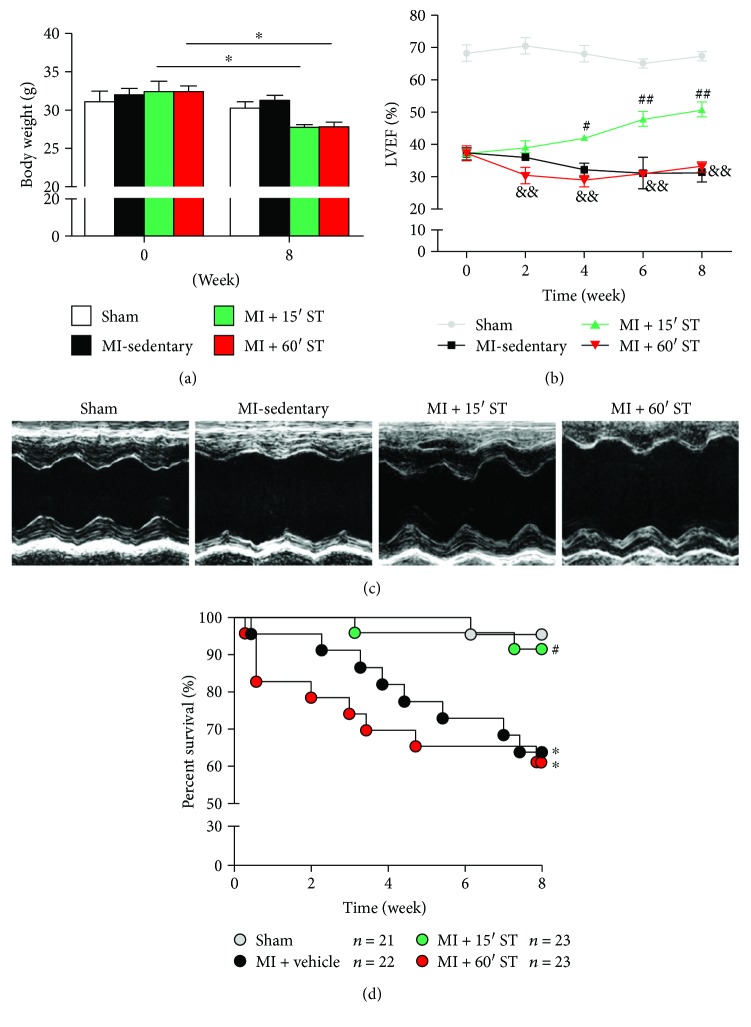
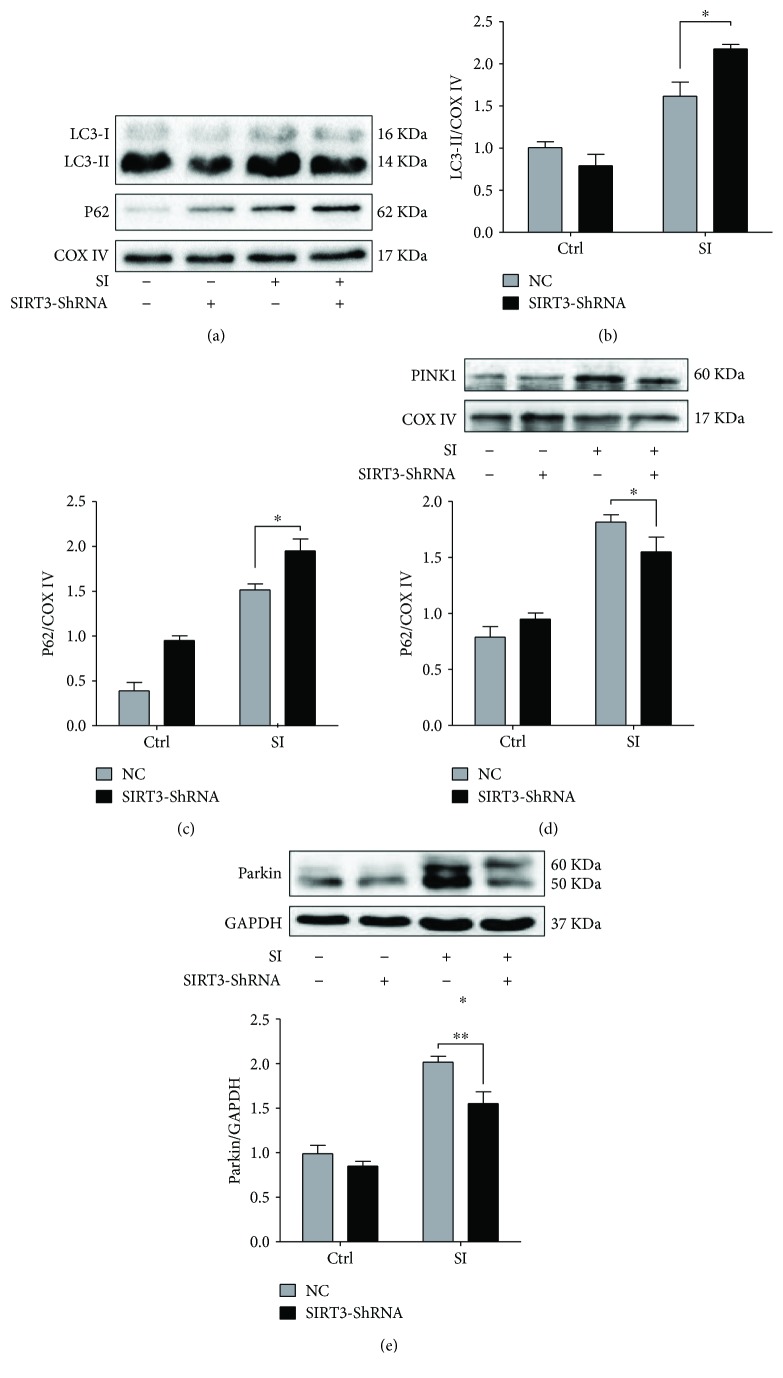
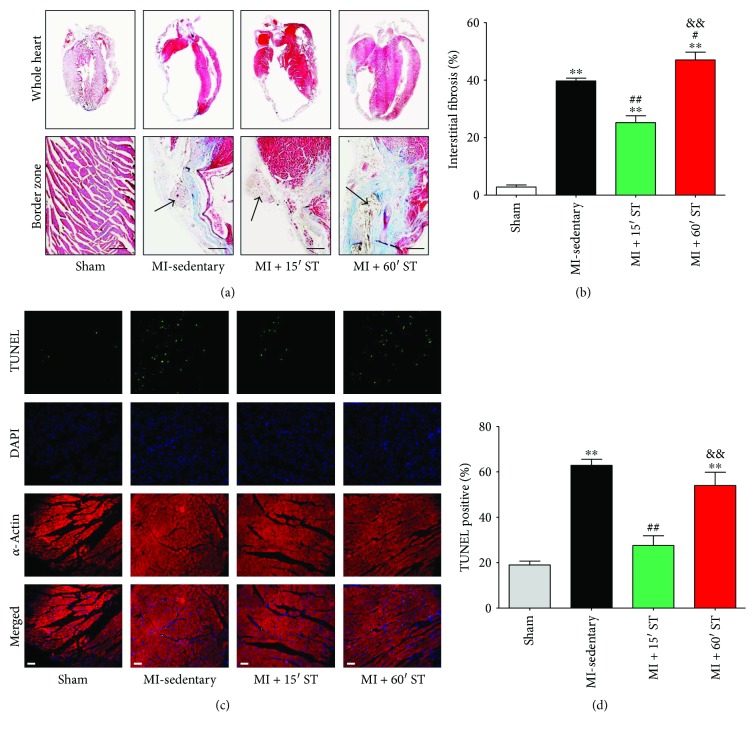
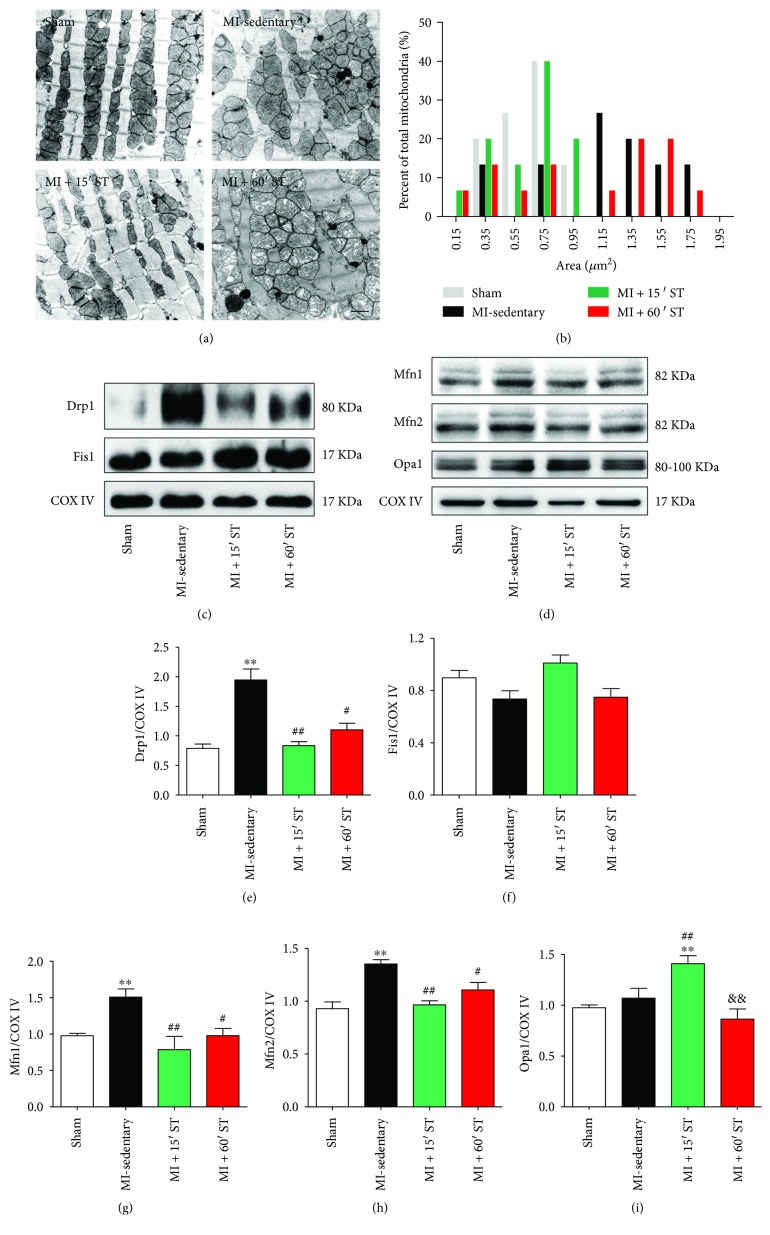
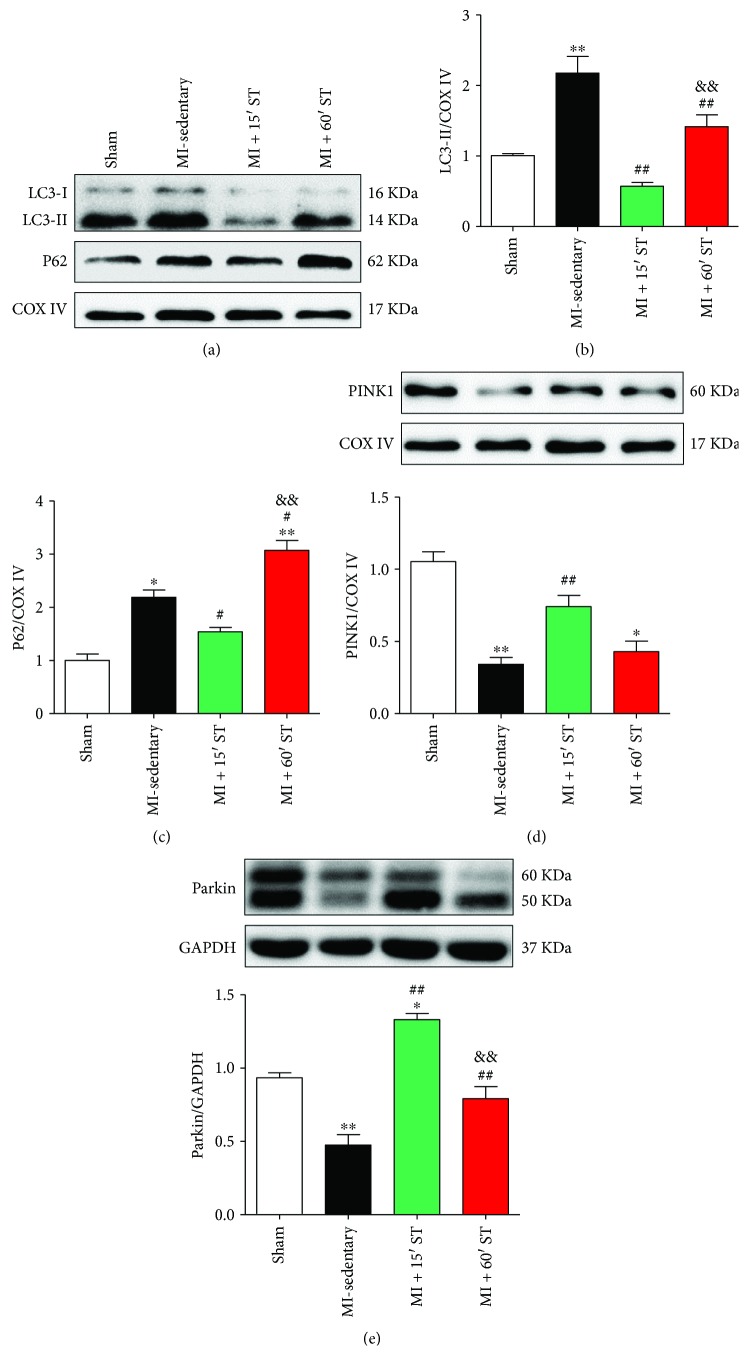
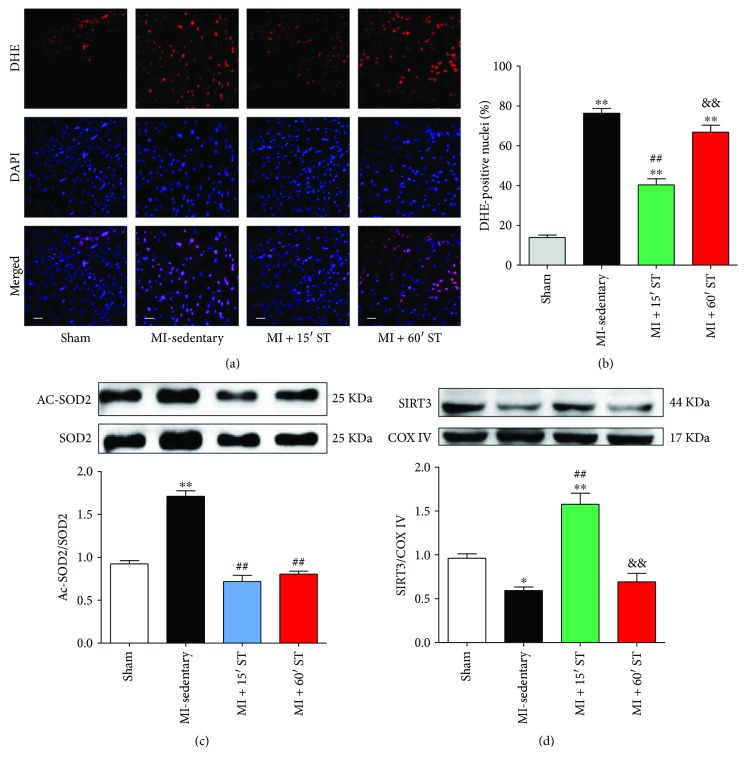
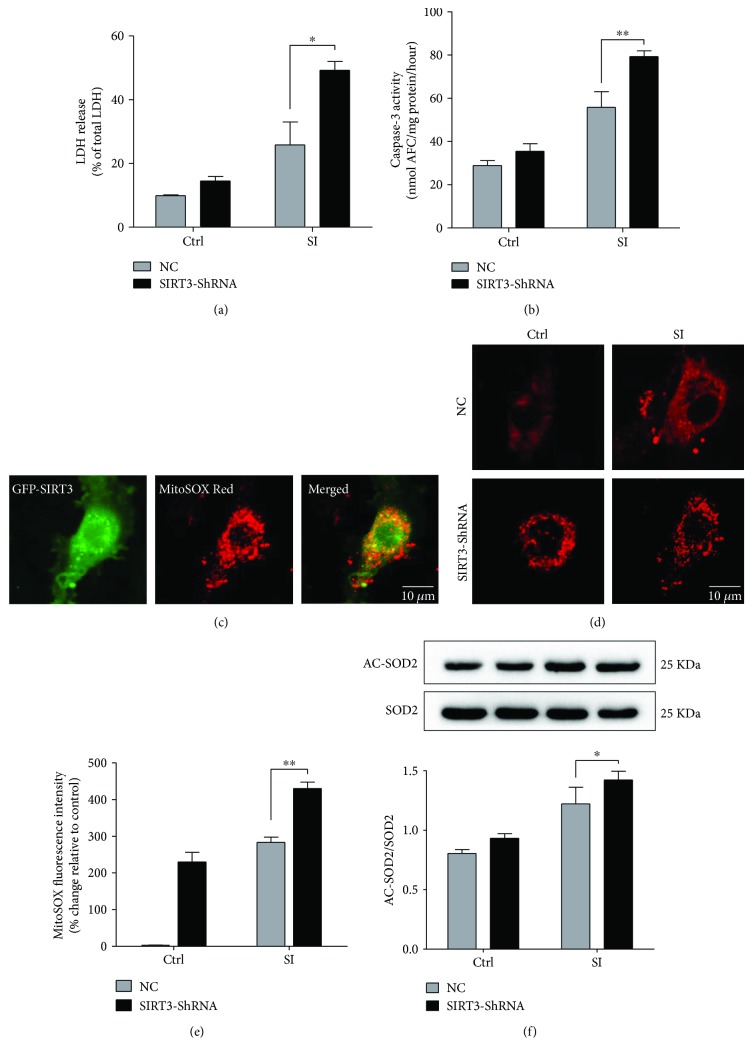
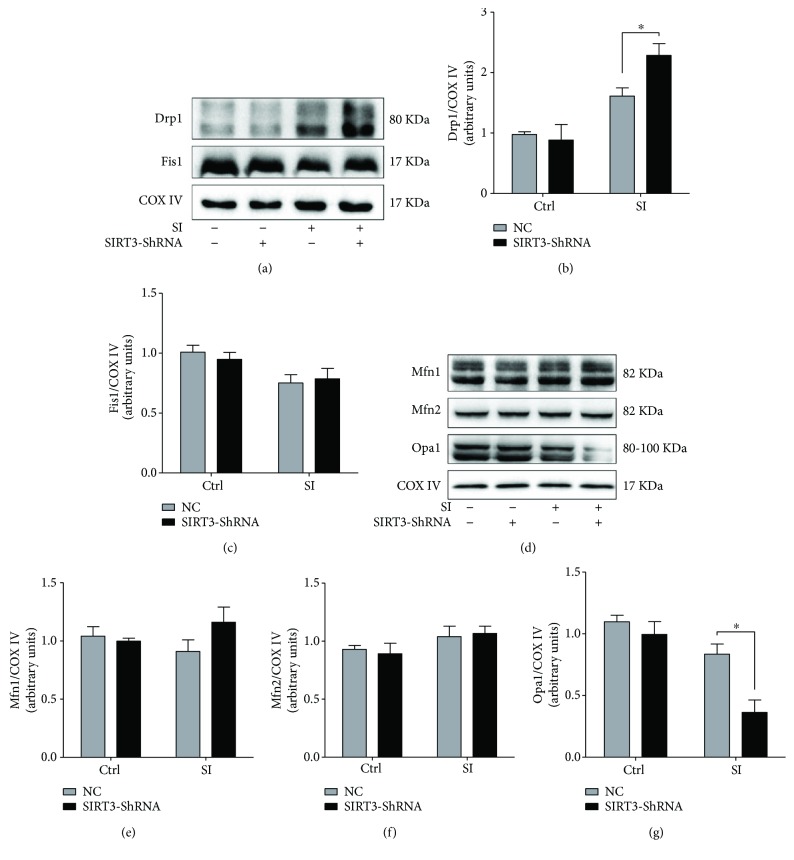
18-Month-old mice after stable MI were randomly submitted to different durations of exercise, including 15 and 60 min swimming training (ST) once per day, five times a week for 8 weeks. Compared to sedentary mice, 15 min ST, rather than 60 min ST, significantly augmented left ventricular function, increased survival rate, and suppressed myocardial fibrosis and apoptosis. 15 min ST improved mitochondrial morphology via regulating mitochondrial fission-fusion signaling. 15 min ST regulated mitophagy signaling via inhibiting LC3-II and P62 levels and increasing PINK/Parkin expression. 15 min ST also inhibited ROS production and enhanced antioxidant SOD2 activity. Notably, 15 min ST significantly increased sirtuin (SIRT) 3 level (2.7-fold) in vivo while the inhibition of SIRT3 exacerbated senescent H9c2 cellular LDH release and ROS production under hypoxia. In addition, SIRT3 silencing impairs mitochondrial dynamics and mitophagy in senescent cardiomyocytes against simulated ischemia (SI) injury.
Collectively, our study demonstrated for the first time that sustained short-duration exercise, rather than long-duration exercise, attenuates cardiac dysfunction after MI in aged mice. It is likely that the positive regulation induced by a short-duration ST regimen on the elevated SIRT3 protein level improved mitochondrial quality control and decreased apoptosis and fibrosis contributed to the observed more resistant phenotype.
运动有益于稳定型心肌梗死(MI)后的心脏康复(CR)。对于老年冠心病(CHD)患者,适宜的运动时间仍存在争议,其潜在的分子机制尚不清楚。
18 月龄稳定型 MI 后小鼠随机接受不同时间的运动,包括每天 15 和 60 分钟游泳训练(ST),每周 5 次,持续 8 周。与安静组相比,15 分钟 ST 而非 60 分钟 ST 显著增强了左心室功能,提高了存活率,并抑制了心肌纤维化和细胞凋亡。15 分钟 ST 通过调节线粒体分裂-融合信号改善了线粒体形态。15 分钟 ST 通过抑制 LC3-II 和 P62 水平和增加 PINK/Parkin 表达来调节自噬信号。15 分钟 ST 还抑制了 ROS 产生并增强了抗氧化 SOD2 活性。值得注意的是,15 分钟 ST 显著增加了体内 SIRT(SIRT)3 水平(2.7 倍),而 SIRT3 的抑制在缺氧下加剧了衰老 H9c2 细胞 LDH 的释放和 ROS 的产生。此外,SIRT3 沉默会损害衰老心肌细胞在模拟缺血(SI)损伤下的线粒体动力学和自噬。
综上所述,我们的研究首次表明,持续的短时间运动而非长时间运动可减轻老年 MI 后小鼠的心脏功能障碍。短时间 ST 方案对升高的 SIRT3 蛋白水平的积极调节可能改善了线粒体质量控制,并减少了凋亡和纤维化,从而导致观察到的更具抗性的表型。