Fan Yong, Du Jin Peng, Liu Ji Jun, Zhang Jia Nan, Qiao Huan Huan, Liu Shi Chang, Hao Ding Jun
Department of Spine Surgery, Xi'an Jiaotong University-affiliated Honghui Hospital Medical College, Yan'an University, Yan'an Department of Orthopeadics, Tangdu Hospital, Fourth Military Medical University, Xi'an, Shaanxi, China.
Medicine (Baltimore). 2018 Jun;97(22):e10970. doi: 10.1097/MD.0000000000010970.
A miniature spine-mounted robot has recently been introduced to further improve the accuracy of pedicle screw placement in spine surgery. However, the differences in accuracy between the robotic-assisted (RA) technique and the free-hand with fluoroscopy-guided (FH) method for pedicle screw placement are controversial. A meta-analysis was conducted to focus on this problem.
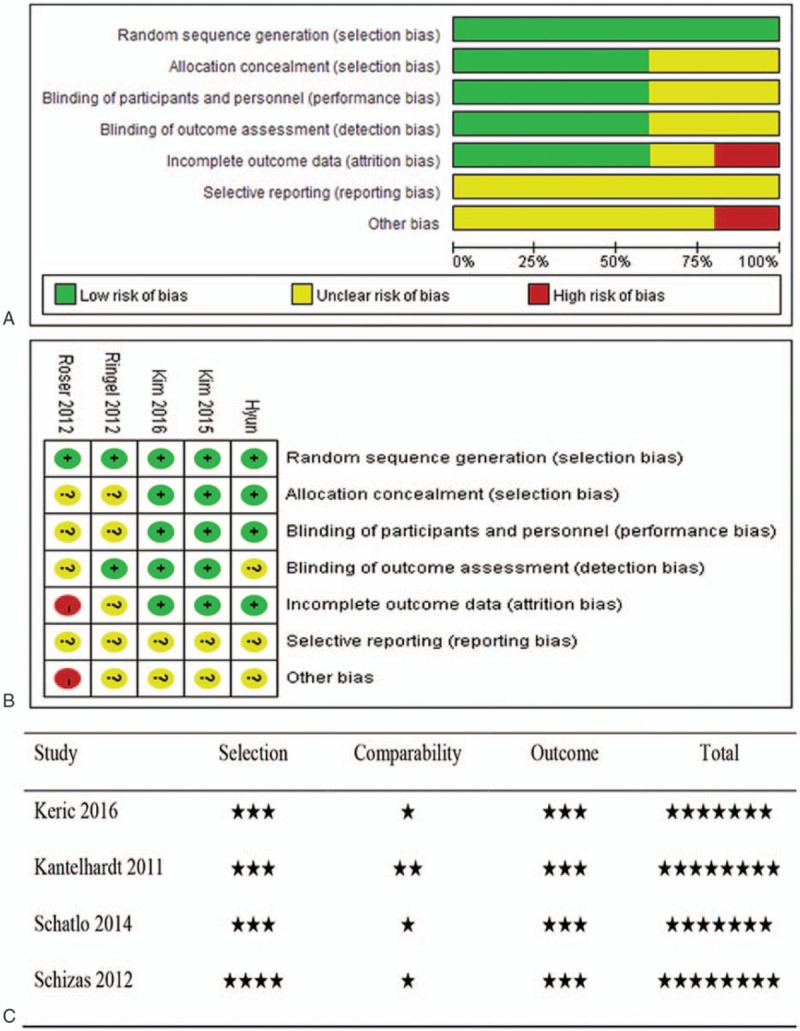
Several randomized controlled trials (RCTs) and cohort studies involving RA and FH and published before January 2017 were searched for using the Cochrane Library, Ovid, Web of Science, PubMed, and EMBASE databases. A total of 55 papers were selected. After the full-text assessment, 45 clinical trials were excluded. The final meta-analysis included 10 articles.
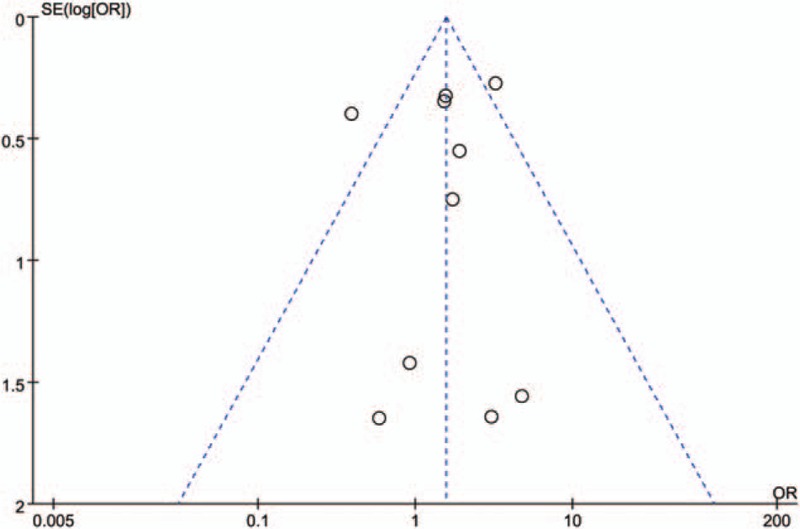
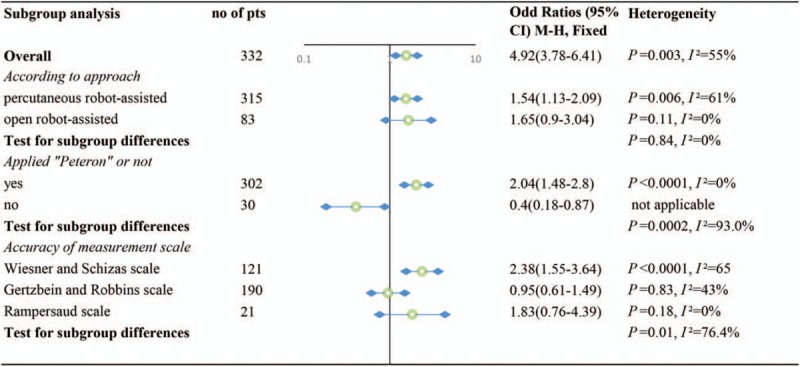
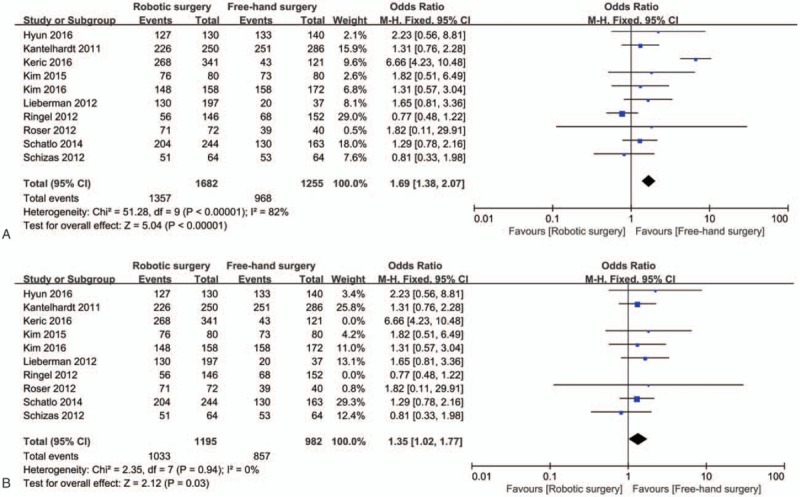
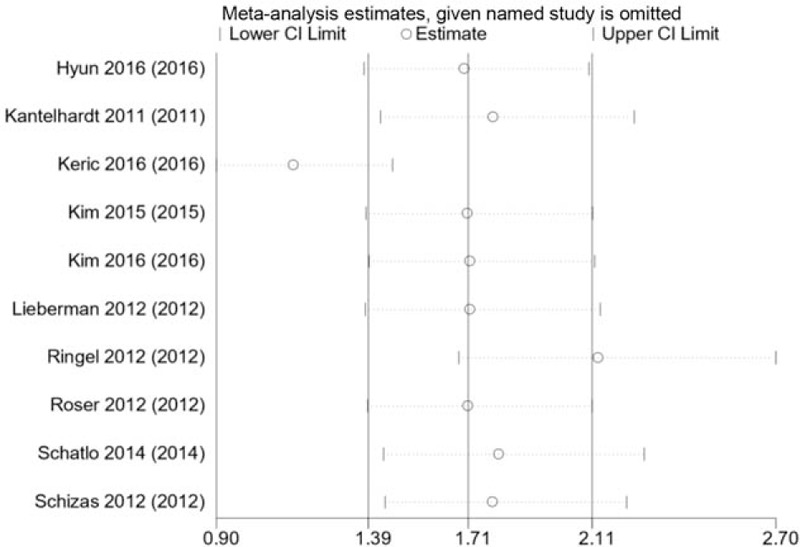
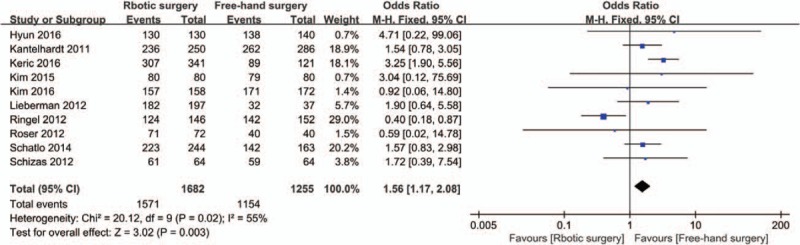
The accuracy of pedicle screw placement within the RA group was significantly greater than the accuracy within the FH group (odds ratio 95%, "perfect accuracy" confidence interval: 1.38-2.07, P < .01; odds ratio 95% "clinically acceptable" Confidence Interval: 1.17-2.08, P < .01).
There are significant differences in accuracy between RA surgery and FH surgery. It was demonstrated that the RA technique is superior to the conventional method in terms of the accuracy of pedicle screw placement.
最近引入了一种微型脊柱安装机器人,以进一步提高脊柱手术中椎弓根螺钉置入的准确性。然而,机器人辅助(RA)技术与透视引导下徒手(FH)椎弓根螺钉置入方法在准确性上的差异存在争议。为此进行了一项荟萃分析来关注这个问题。
使用Cochrane图书馆、Ovid、科学网、PubMed和EMBASE数据库检索了2017年1月之前发表的几项涉及RA和FH的随机对照试验(RCT)和队列研究。共筛选出55篇论文。经过全文评估,排除了45项临床试验。最终的荟萃分析纳入了10篇文章。
RA组椎弓根螺钉置入的准确性显著高于FH组(优势比95%,“完美准确性”置信区间:1.38 - 2.07,P <.01;优势比95%“临床可接受”置信区间:1.17 - 2.08,P <.01)。
RA手术和FH手术在准确性上存在显著差异。结果表明,在椎弓根螺钉置入准确性方面,RA技术优于传统方法。